Nick Jackson Photography

Author: Nick Jackson

Nick Jackson
July 6, 2026
Composition in Photography

For me, composition is the key to creating beautiful and memorable photography. The most expensive cameras won’t compensate for poor composition when producing a great image, and the cheapest of disposable cameras can produce shots which tell fantastic stories if the composition is right.

There are many technical rules which aim to improve composition, and while it’s very useful to know them, ultimately it is about arranging all the elements to be included in a photograph in a way that the eye finds most aesthetically pleasing. The rule of thirds, the golden ratio, the rule of odds, the golden triangle; these all help to prompt the photographer to think how best to highlight and emphasise the subject of the image, but what’s more important for me is the coupling with patterns, colours, lines, space and depth.

While a painter might start with a blank canvas and meticulously plan the final goal, with photography the parts of the puzzle may already be there. They just need to be arranged in a way that best explores the story you see. This post focusses particularly on how leading lines, symmetry and timing can bring your photograph together.
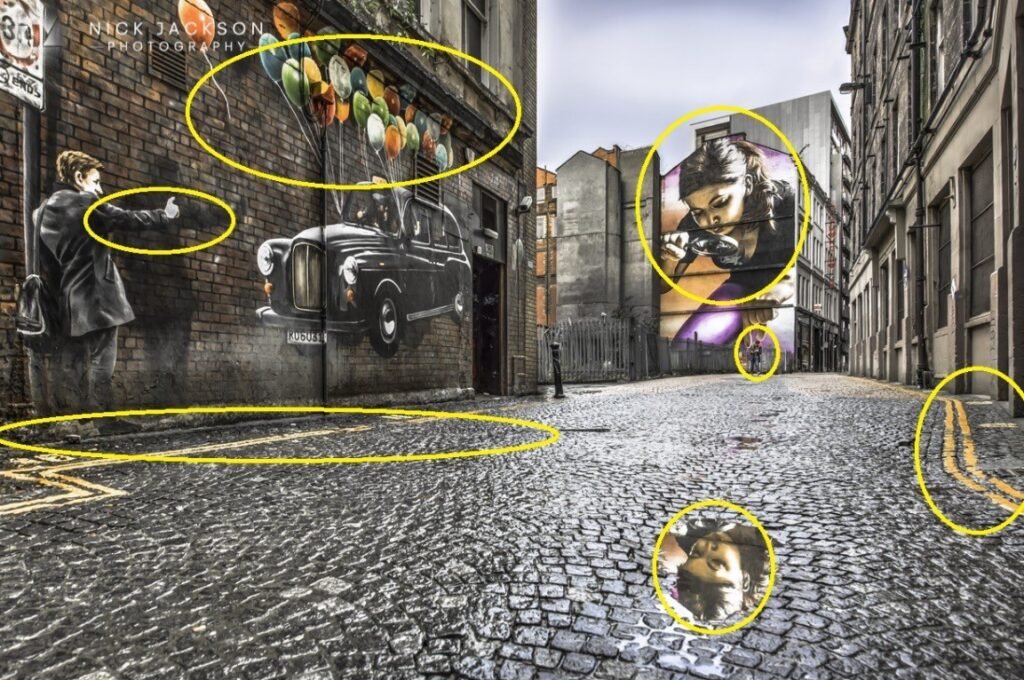
“Glasgow Grafitti Girl”

Glasgow is well known for its graffiti artwork and this shot is a useful tool to help explain how I consider the composition of a scene both from a rules perspective, but also from a more tangible one (texture, patterns, colours).

When I’m looking to shoot a landscape or cityscape I’ll usually take some time to walk around the setting, decide the focal point and consider it from different angles, heights and distances to compose an ideal image in my mind. Often, particularly when shooting notable locations, I try to include new or unusual subjects and angles to reveal a new insight or illicit a different response.

For the above image, taken using Nikon 14-24mm lens, my first thought was to place the head of the subject of my story (the “Graffiti Girl”) in the top right third of the image. In part this was to allow me to include the key parts I really wanted in there such as the puddle reflection and the taxi graffiti. It also created a diagonal path across the scene meaning your eye is encouraged to either follow the lines of the road up to the subject or start with the subject and work down, thereby considering more of the scene.

The rule of thirds here is a way of splitting up interest and shape in a photo. If the subject is placed directly in the centre, the tendency is for the eye to see just the subject and the job is done. The double yellow lines and the angles between the cobbled street and the buildings provide a “golden triangle” shape which guides the eye to the subject, and the man hailing a taxi and the flight of the balloons also contribute to the lines which lead towards her.

The bottom third of the scene could have been quite featureless if it was a flat, dry path, but the fact the street was cobbled and wet by the rain brought interest and texture to the foreground. I lined up the reflection of her face in a puddle to add symmetry.

Finally, I noticed the girl looked as if she was trying to pick something up, so I waited until a passer-by walked directly under her fingers to take my shot. He looks immersed in his phone, unaware that a giant hand is about to scoop him up. Although it’s not one of the first things you notice due to its placement in the background, the intention is that with the leading lines guiding the eye across the piece that the viewer will pick up this extra feature.

Leading lines

Lines within photography are an incredibly powerful way of leading a viewer through the scene. They encourage the eye to follow the picture on a certain route, taking in much more of the detail than you would usually see.

With my Nikon D810 and 14-24mm lens I captured the image below of Fushimi Inari shrine in Kyoto, my favourite city to visit. There are 10,000 of these orange gates (or torii) snaking 4km to the top of a mountain. Each gate was funded by individuals whose names are imprinted on them.

My first impression when I stood in the tunnel of gates was that there were powerful orange and black diagonal lines that would lead the eye in from the corners of the image, but also horizontal and vertical lines of the gates themselves which act as a frame. The solitary lantern provides an interesting non-symmetrical feature and is placed on the top right intersecting rule of thirds line.
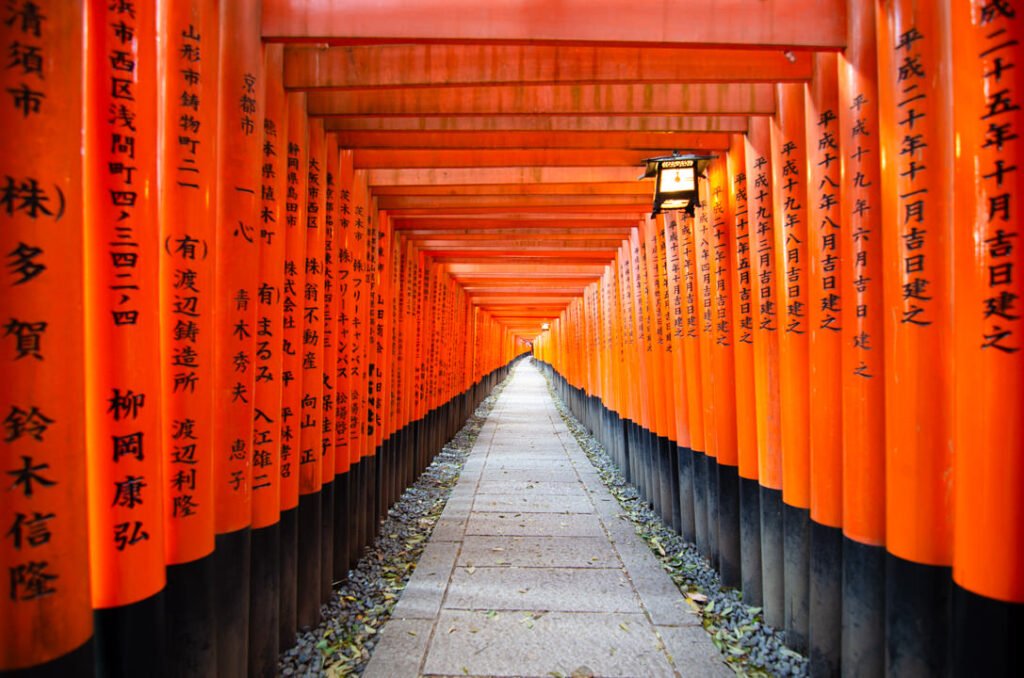
“Fushimi Inari shrine, Kyoto”

Leading lines don’t need to be straight. To get the shot below of the Tulip Staircase in Greenwich London, I used the 14-24mm lens to capture the most of the small space. I lay on the ground looking up towards the glass ceiling and angled the camera so that the swirl of the bannister and staircase would start in the bottom right corner and perfectly lead the eye up the underside of the stairs to the glass window at the top. Light plays a key role here too because the highlights on the left-hand of the staircase and the shadows on the right encourage the journey upwards
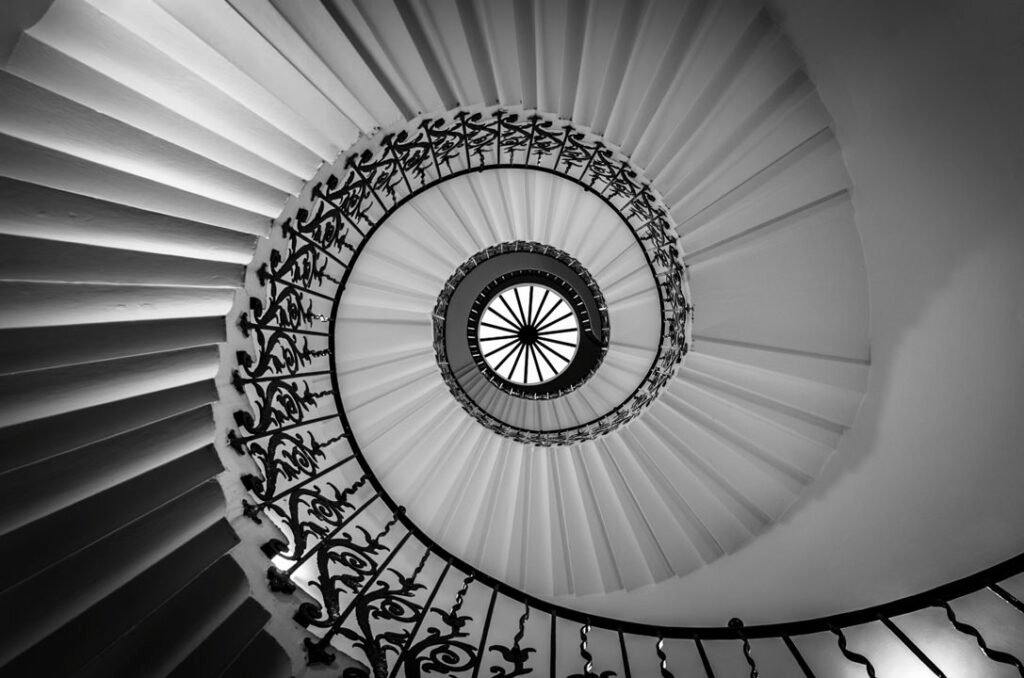
“The Tulip Staircase, Greenwich”

Light trails provide fantastic guiding lines at nighttime. My goal in the shot below was to use a long exposure to capture the lights from moving traffic in a way that would lead the viewer towards the tower. I captured a large blue truck which provided the main downwards diagonal line while the headlights of cars created white upward trails – together making the “golden triangle” leading towards the arch of the tower. The blue trail also provides some colourful symmetry with the sides of the bridge.
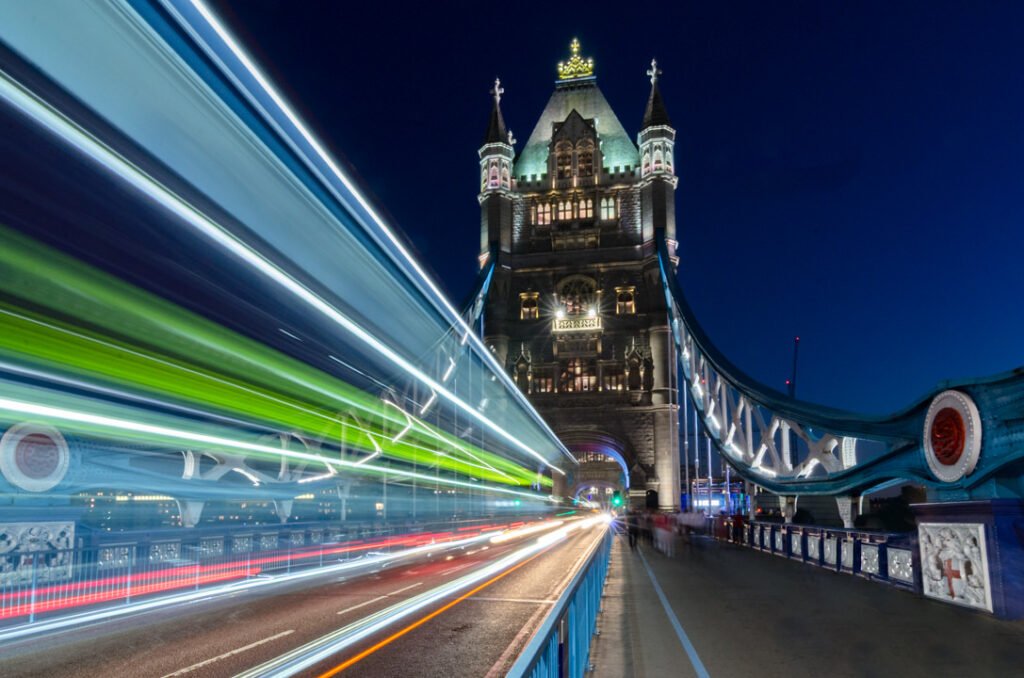
”Tower Bridge Traffic”

Symmetry

Symmetry can be found often in nature and architecture. In calm waters, reflections can provide a great symmetrical composition for your shots. Jokulsarlon lagoon in Iceland is a wonderful place where chunks of melting ice break off the glacier in the background (left) and float through the lagoon and out to sea. I deviated from the rule of thirds here to make the central mirror image of the mountains the focal point , but left enough space surrounding to provide interesting clear water foregrounds and background cloud formations.
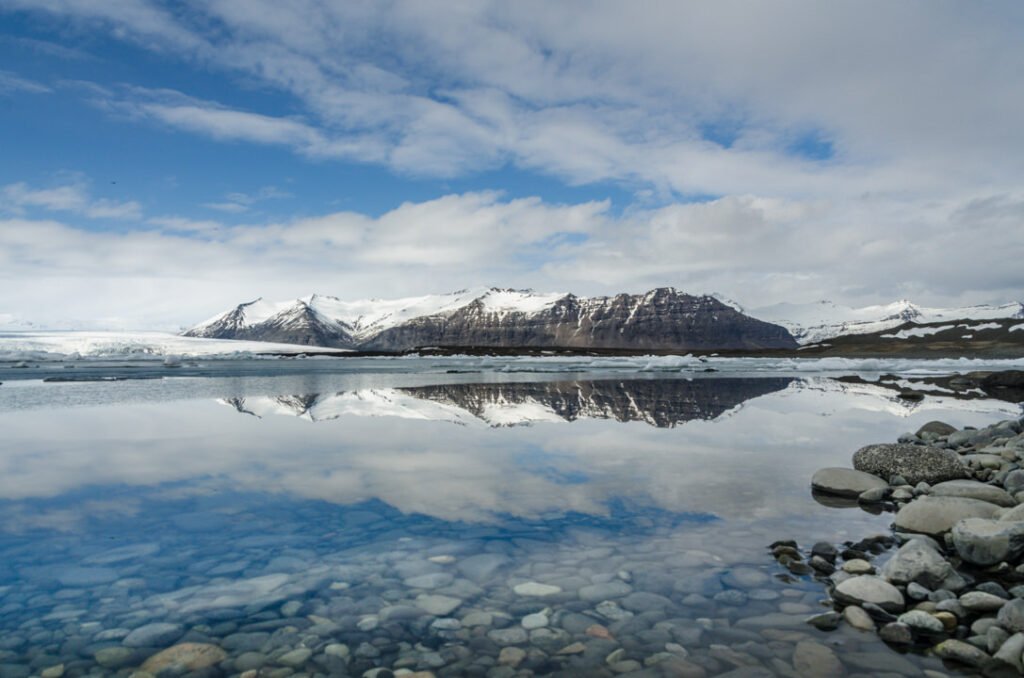
”Jokulsarlon Glacial Lagoon, Iceland”

Conversely with the waterlily image below, I wanted the flower to fill the frame and the beautiful symmetry of the bold blue and yellow petals to stand out with no distractions from its surroundings. Shooting from a distance with a 70-300mm lens zoomed in at high aperture (low f/stop) meant that I could get the crisp detail of the centre of the flower but lose focus towards the edges. This is another technique for focusing the eye on the subject.
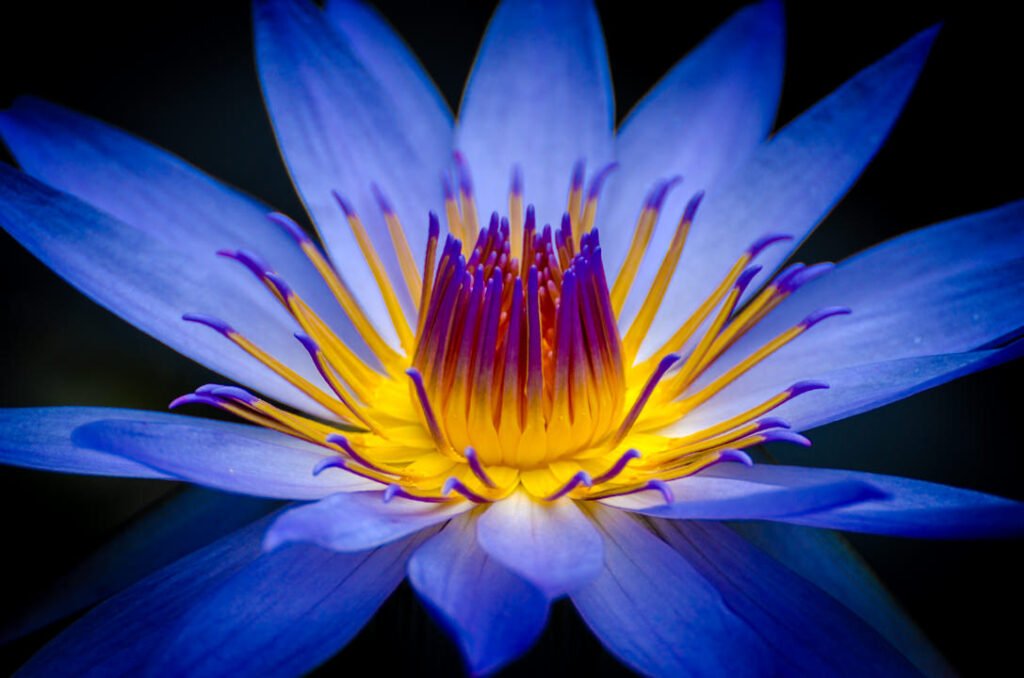
“Kew Gardens waterlily”

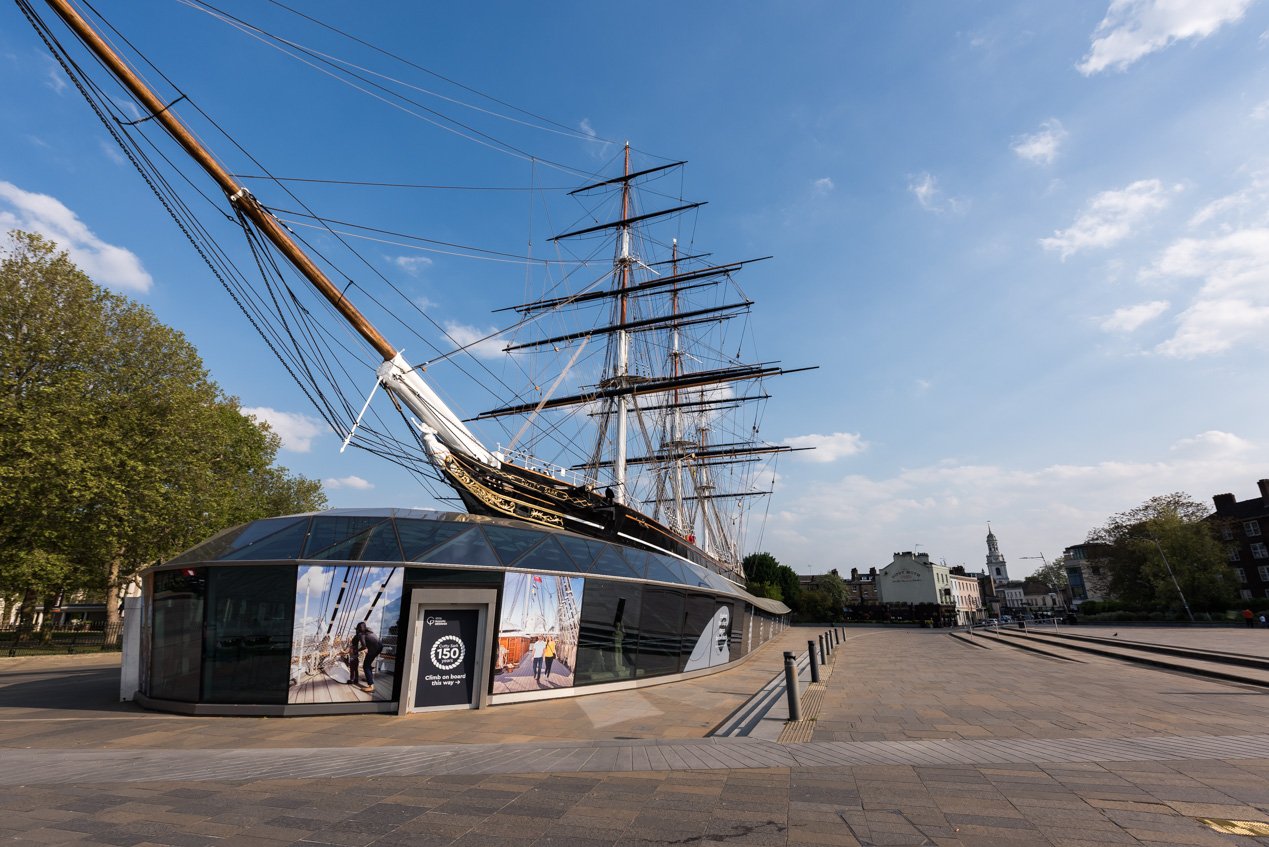
When shooting architecture, I will often look as to how I can incorporate symmetry. There’s something very pleasing to the eye of being able to look down either side of the Cutty Sark and the beams in the glass roof and see a perfect mirror image. Breaking the symmetry with people can be a good way of adding in unexpected focal points. I used a Nikon 24-70mm lens to capture this image of the historic sailing ship.
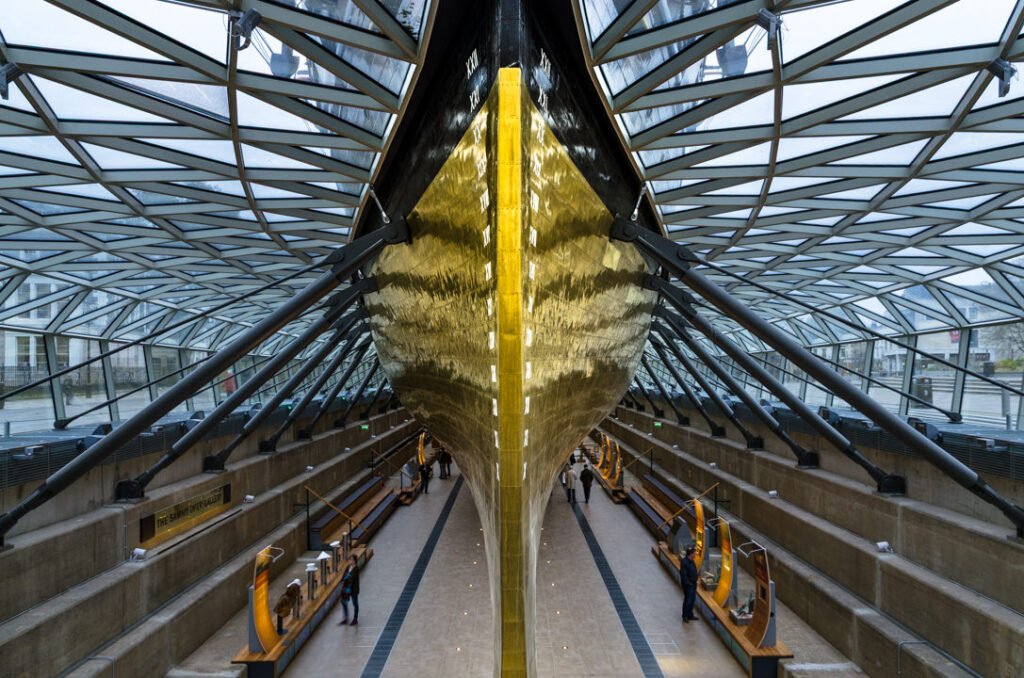
“The Cutty Sark”

Timing and patience

The rules of composition help you frame your story and guide your viewer, but with so many similar photographs taken in the same locations nowadays it’s also important to take time to find that extra feature that makes your photography unique. In my image below, even though the architectural design of Battersea Power Station is magnificent, I had to think hard to get a shot that I hadn’t already seen. It took a long while for the perfect timing of the plane to be silhouetted against a white cloud right in the middle of the two towers, but to me that added the extra interest I’d been looking for.
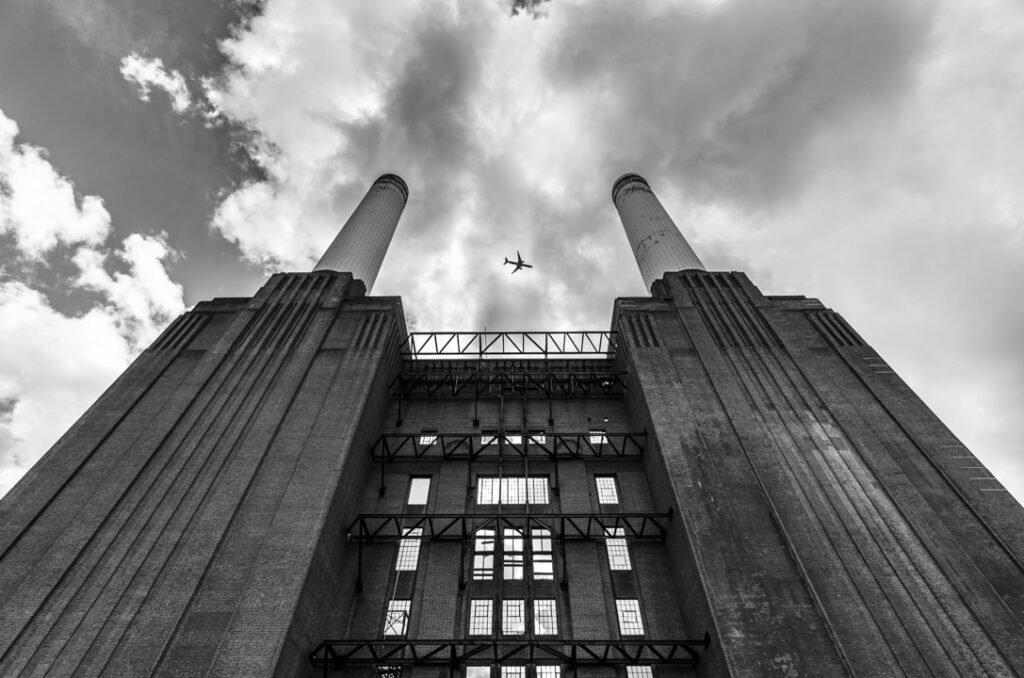
“Plane over Battersea Power Station”

This shot of Oia at sunset is a must-take image for photographers who visit Santorini. The beautiful white buildings and the windmill perched on the jagged cliffs before the sea. Space is a limiting factor in this location as many tourists gather to watch the sun go down, but with my Nikon 14-24mm lens in hand I managed to find somewhere I could line up the galleon to pass through the sun’s reflection, creating a striking shadow in the sea, and adding more interest to the story.
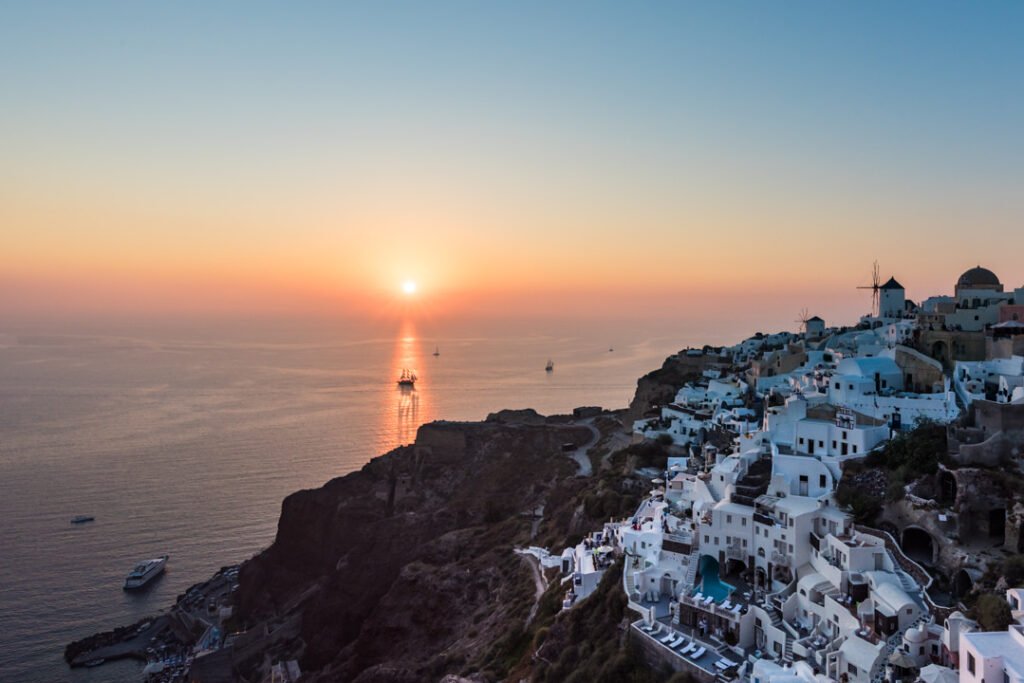
“Oia sunset, Santorini”

This is one of my favourite shots, from Venice Beach, Los Angeles. The skateboarder in the dead centre of the picture is clearly the focal point but there are so many other stories going on around him, from the guy also on skateboard filming him, to another man trying to land a jump in the background, coupled with the beautiful leading lines and shadows from the skate-park. In this case, once I’d set up the placement of the non-moving parts of the image it just took a little patience to let the scene compose itself.
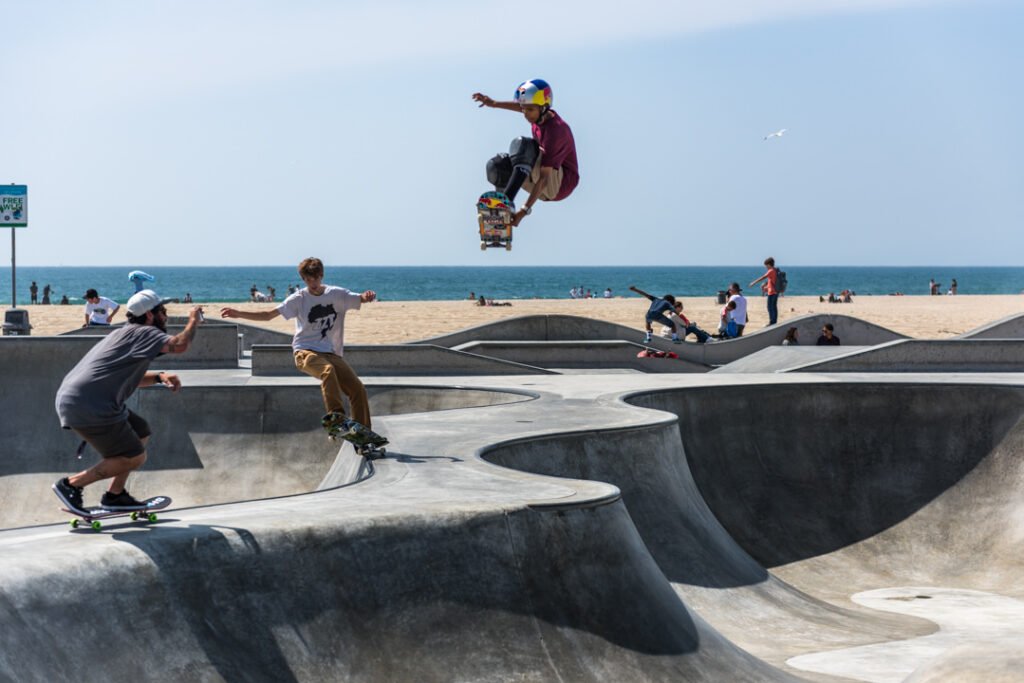
“Skateboarders at Venice Beach, Los Angeles”

It’s all of these factors which help make a good photograph great. Whether it’s careful composition, clever use of symmetry and lines or simply being patient, you can use all of these elements to communicate with the viewer and that’s what photography is all about – storytelling.
Read More
Nick Jackson
July 6, 2026
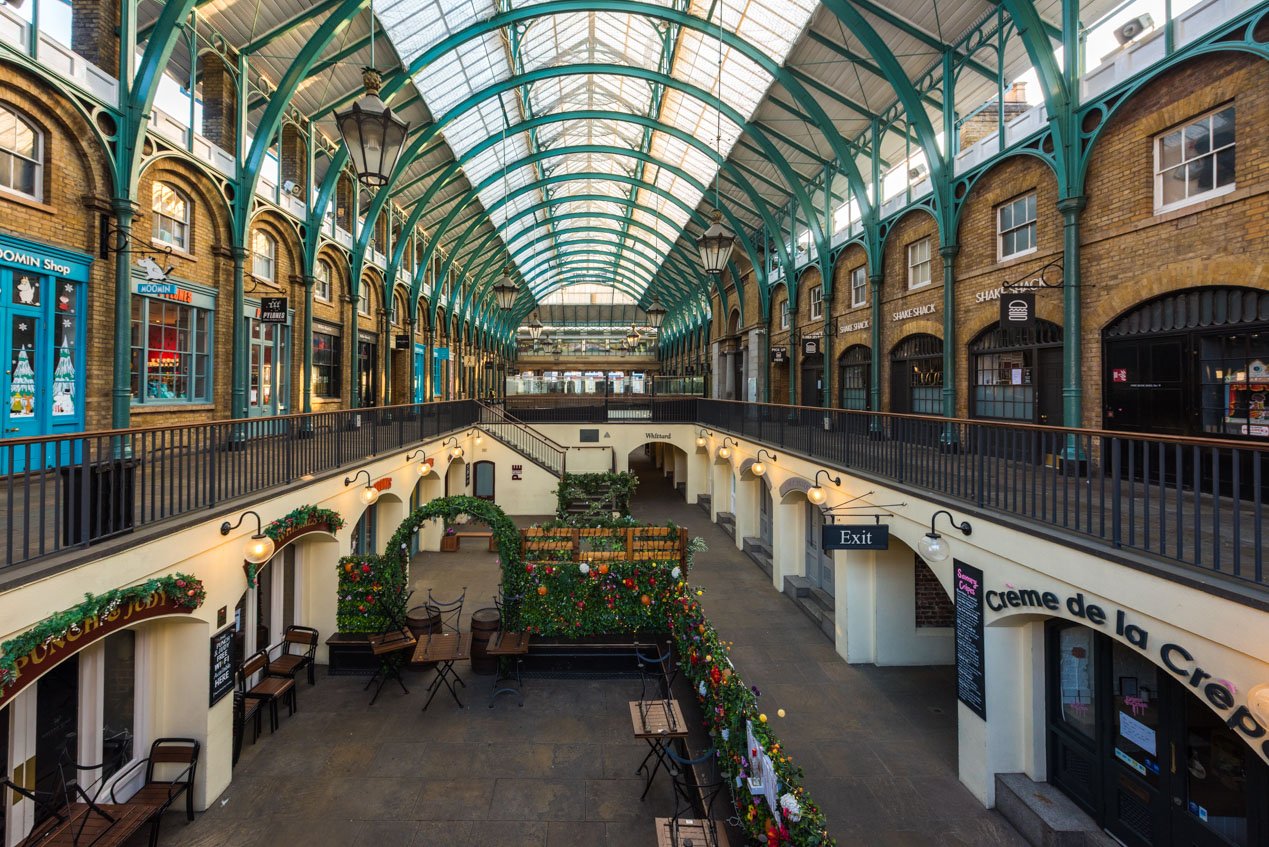
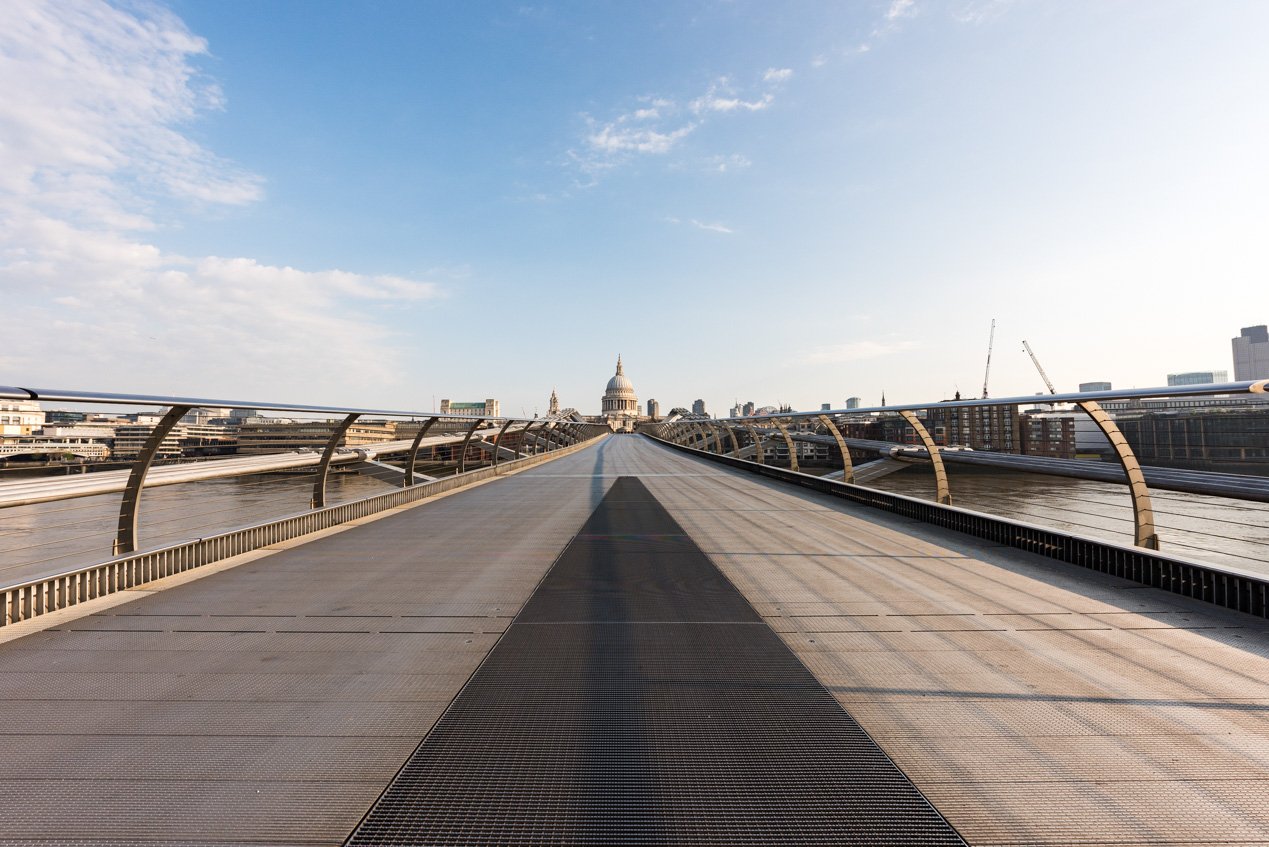
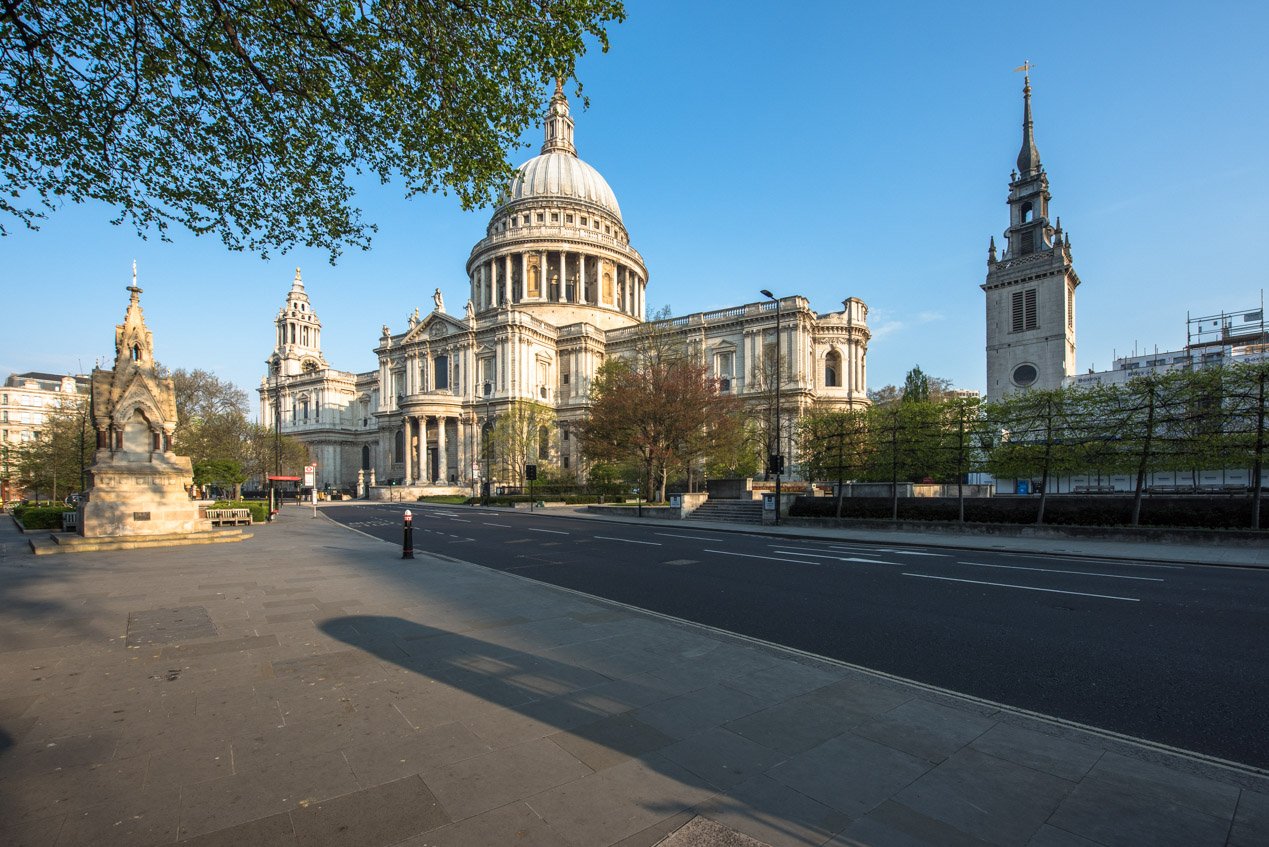
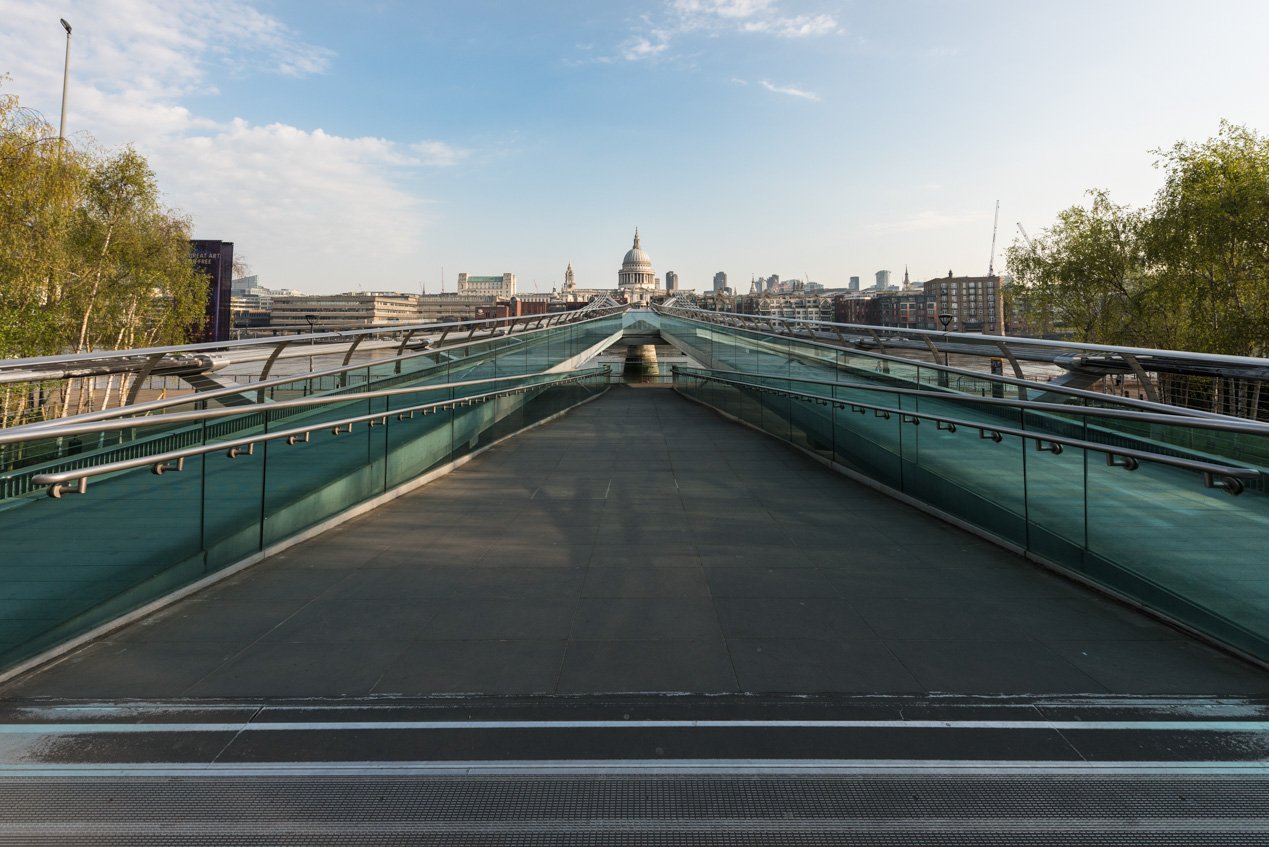
Lockdown London - April 2020

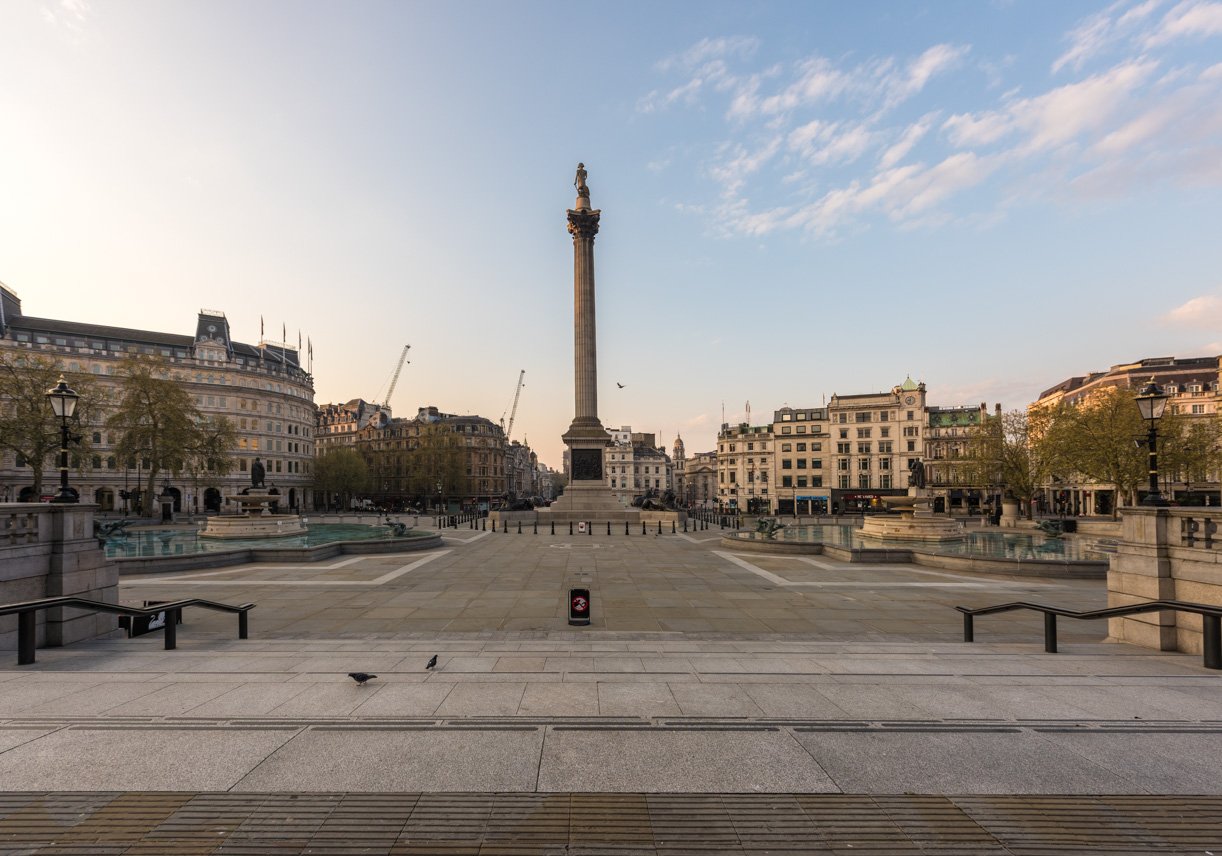
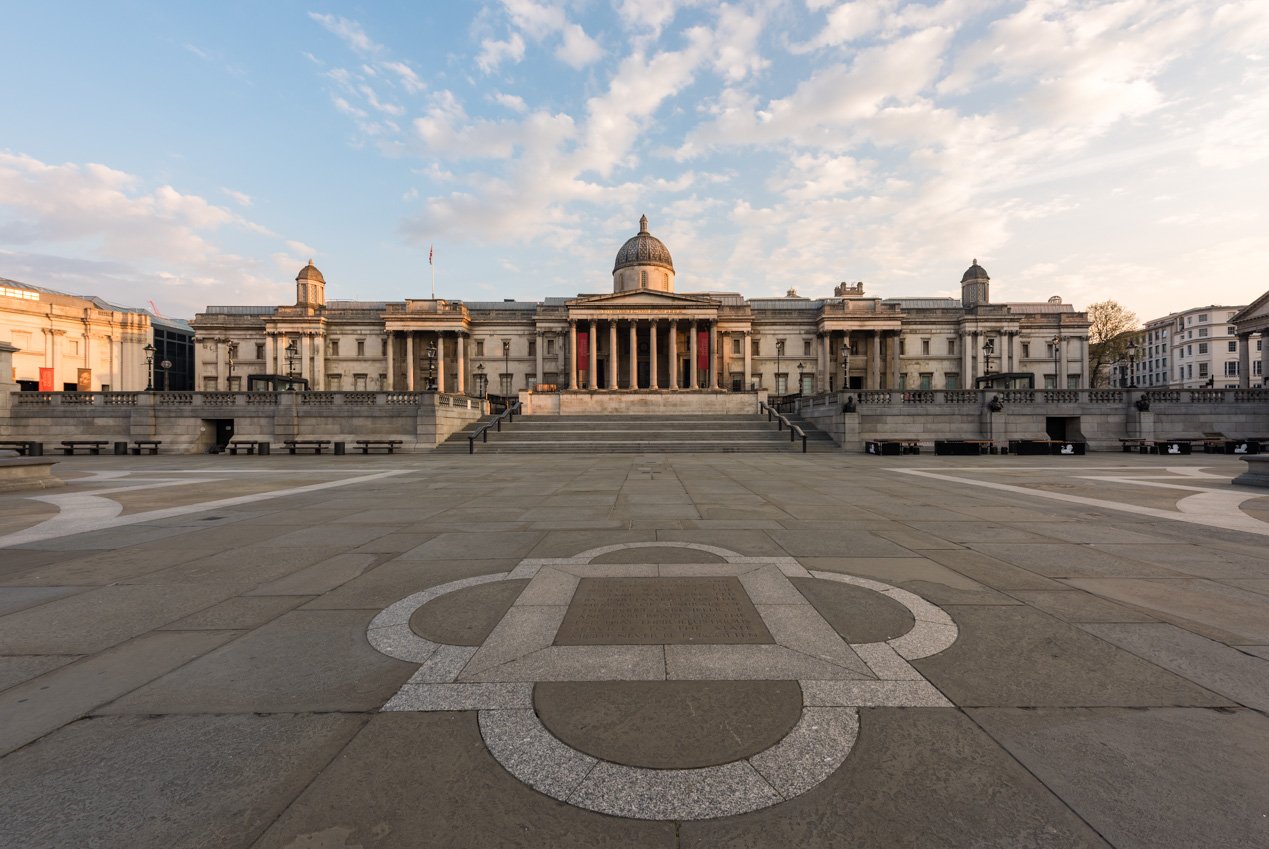
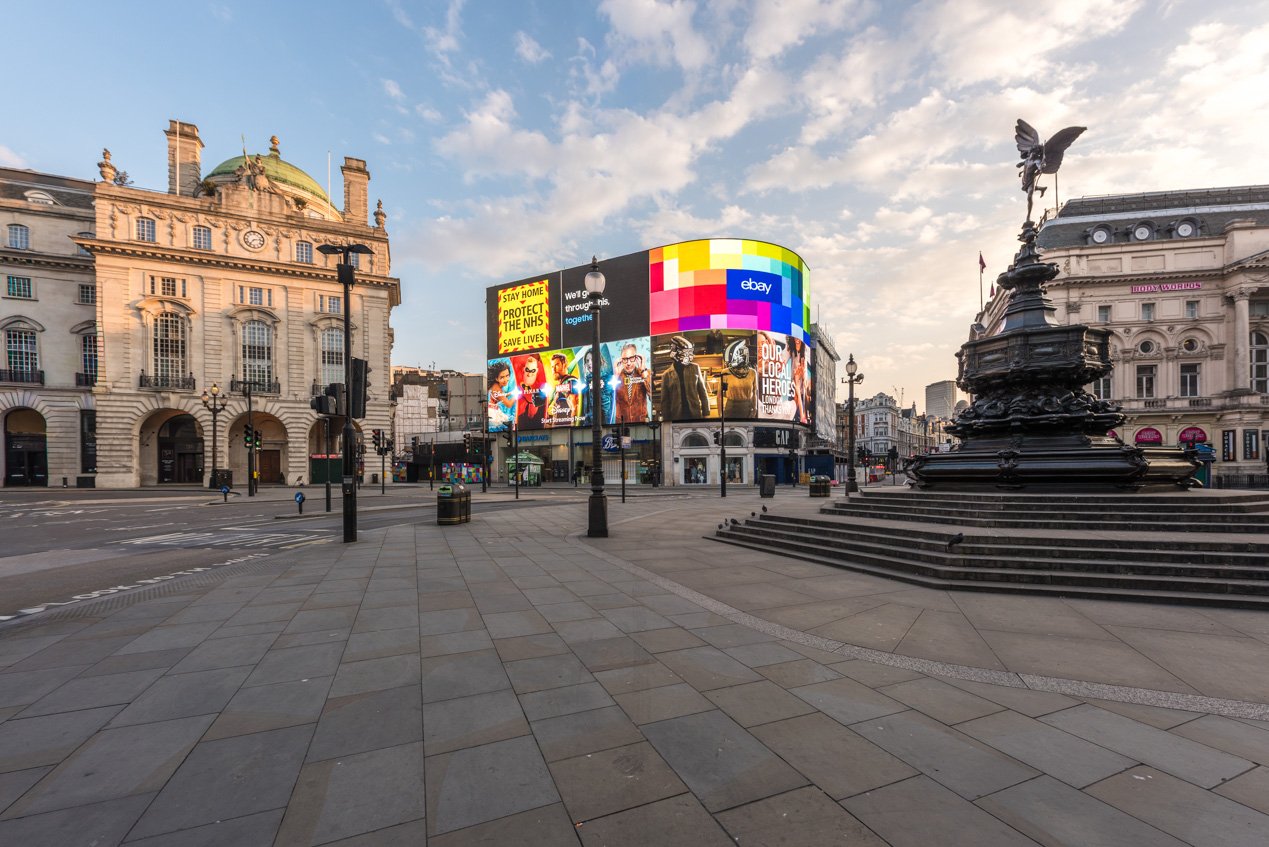
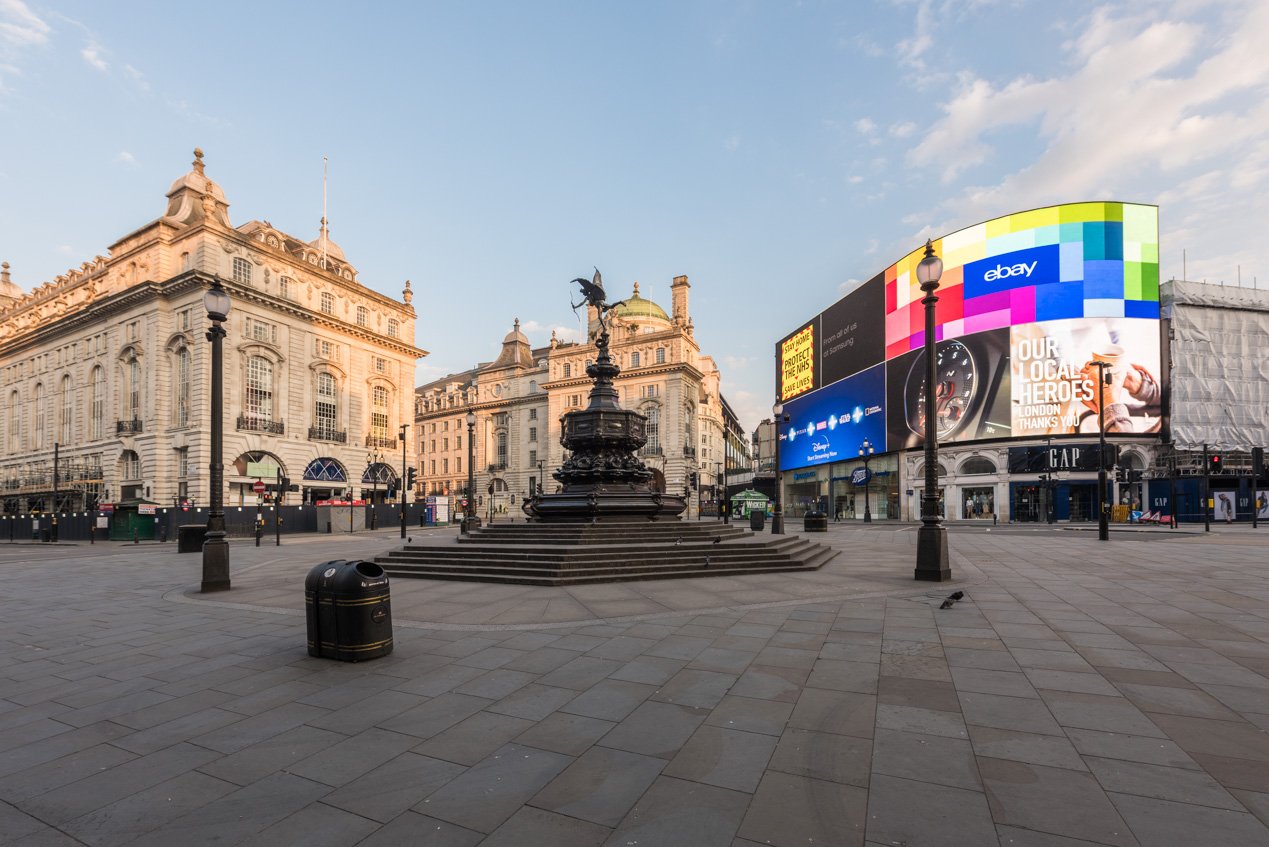
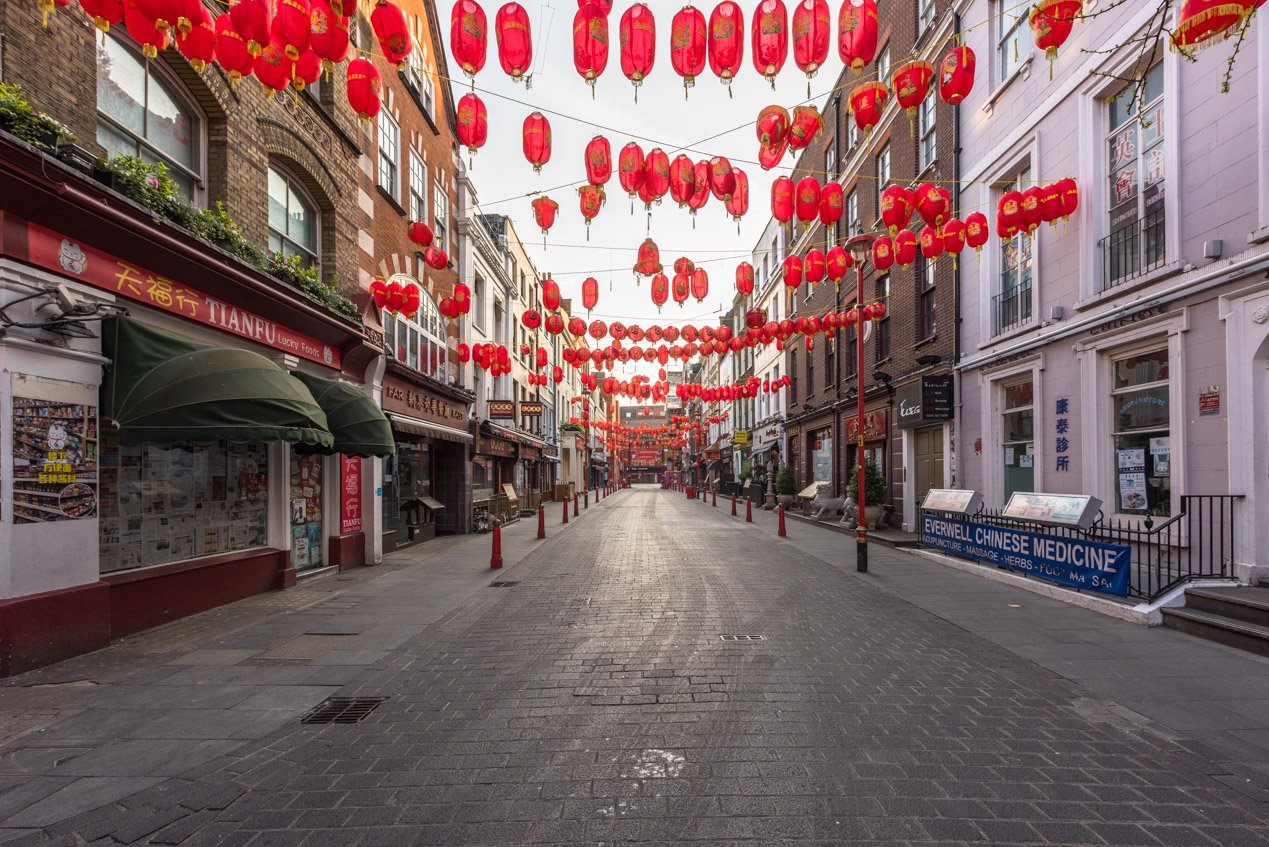
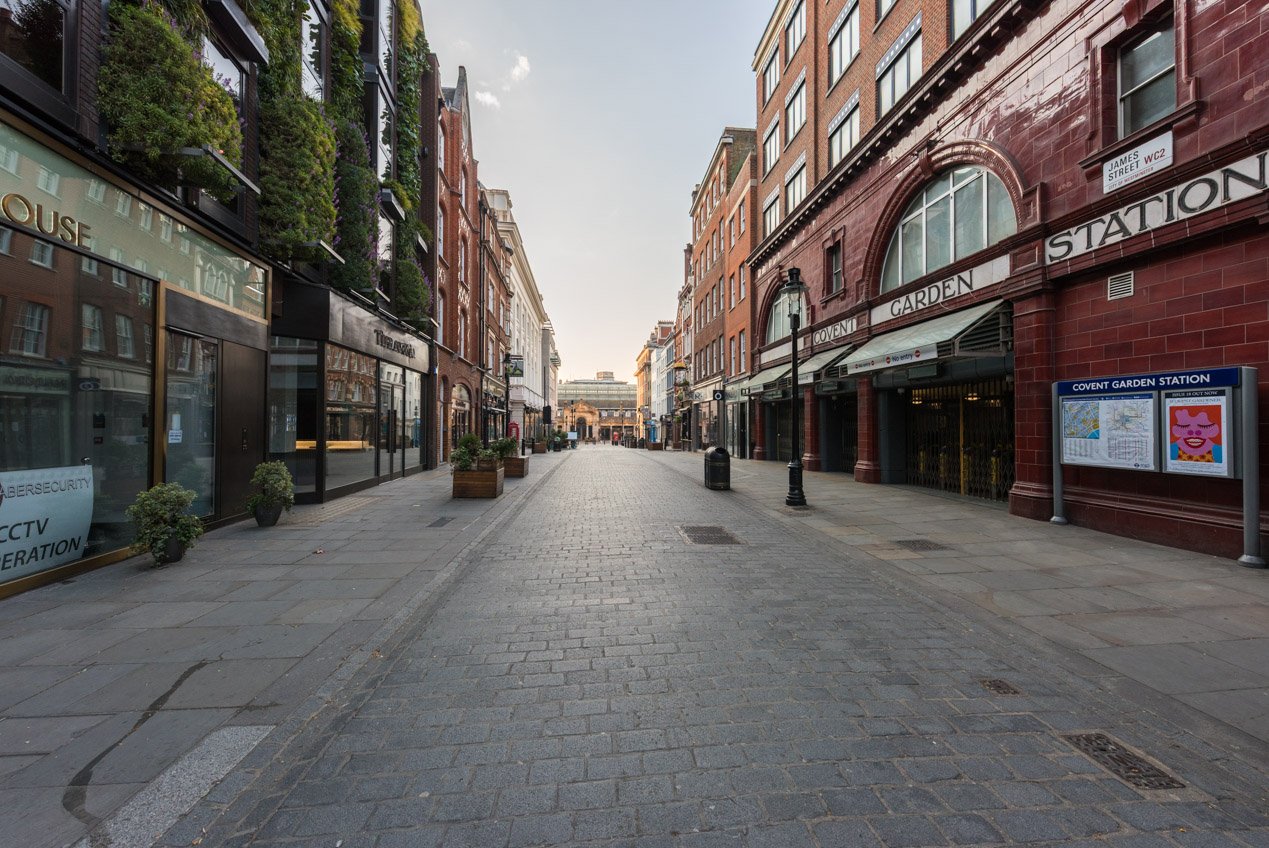
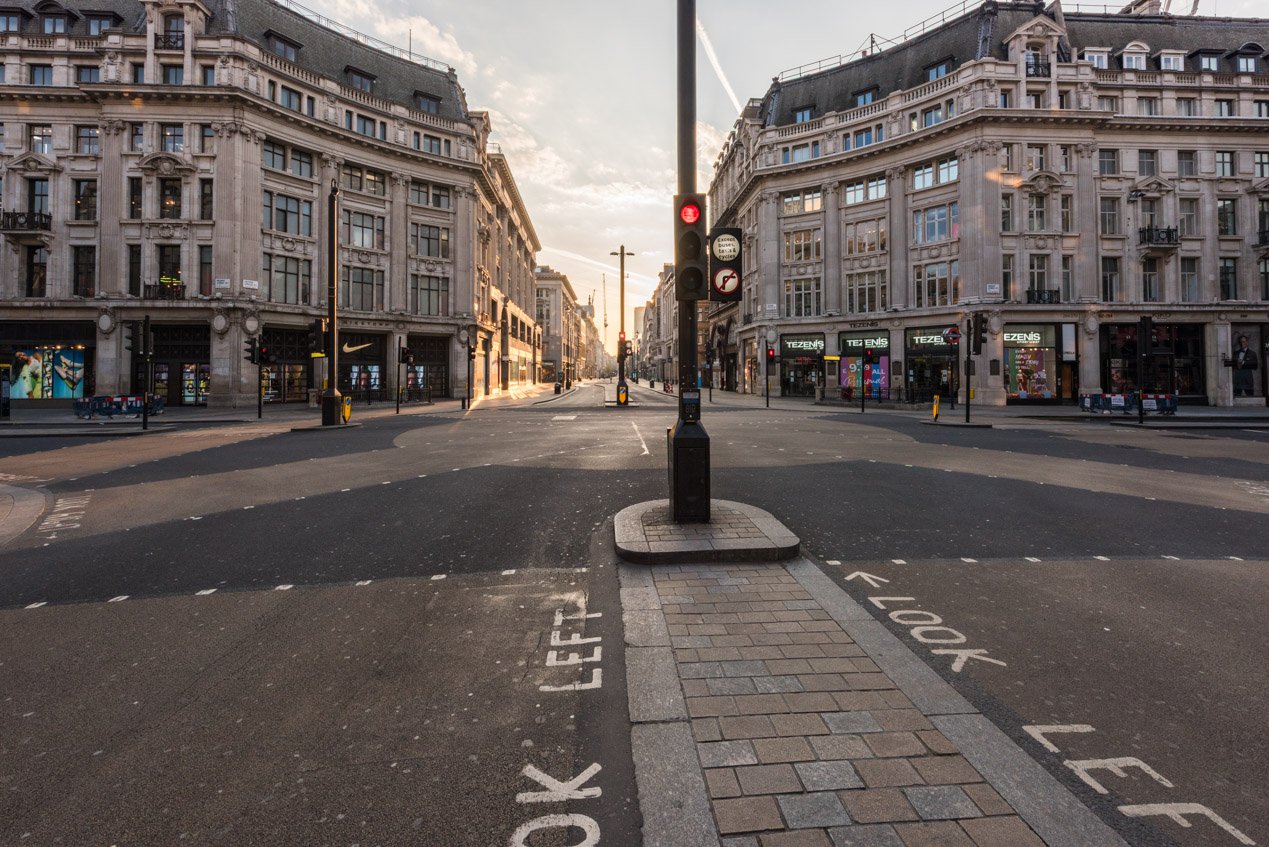
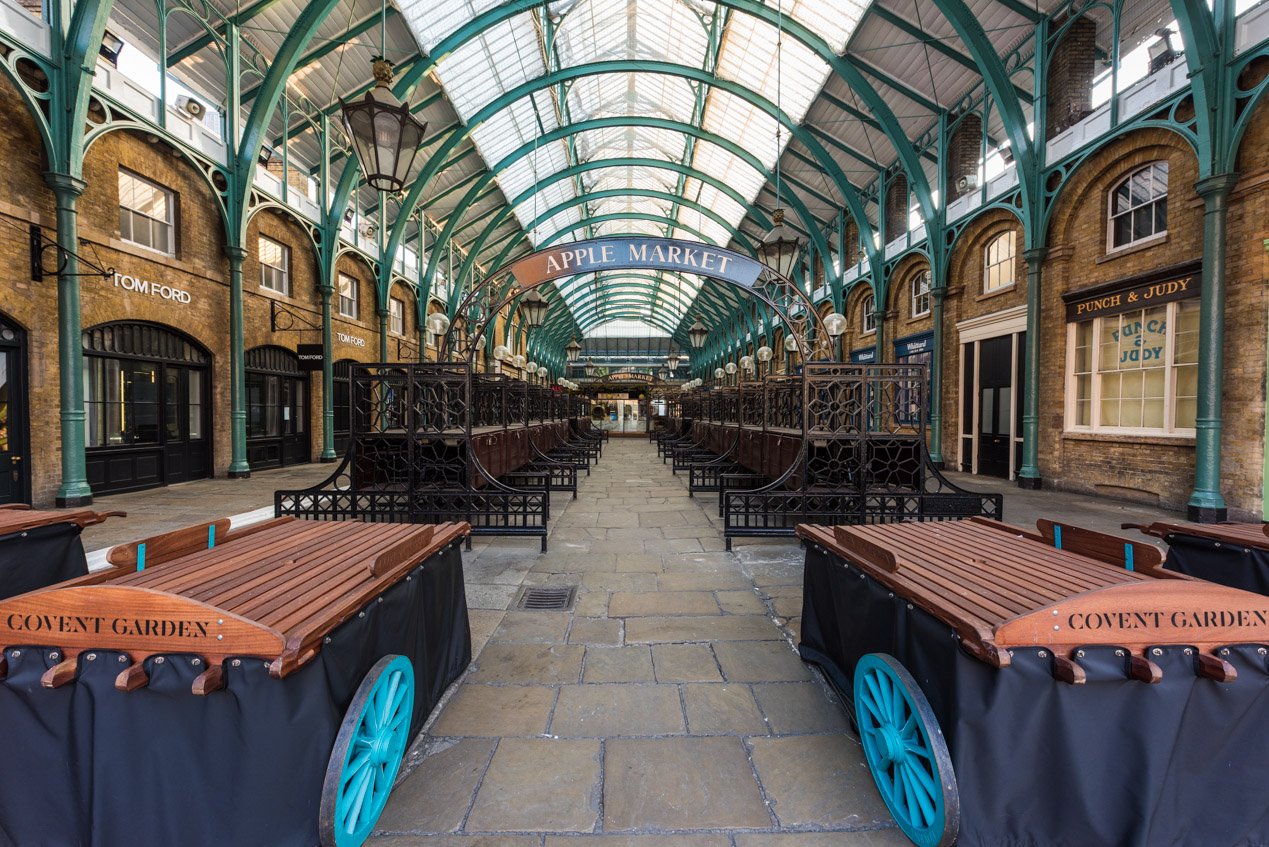
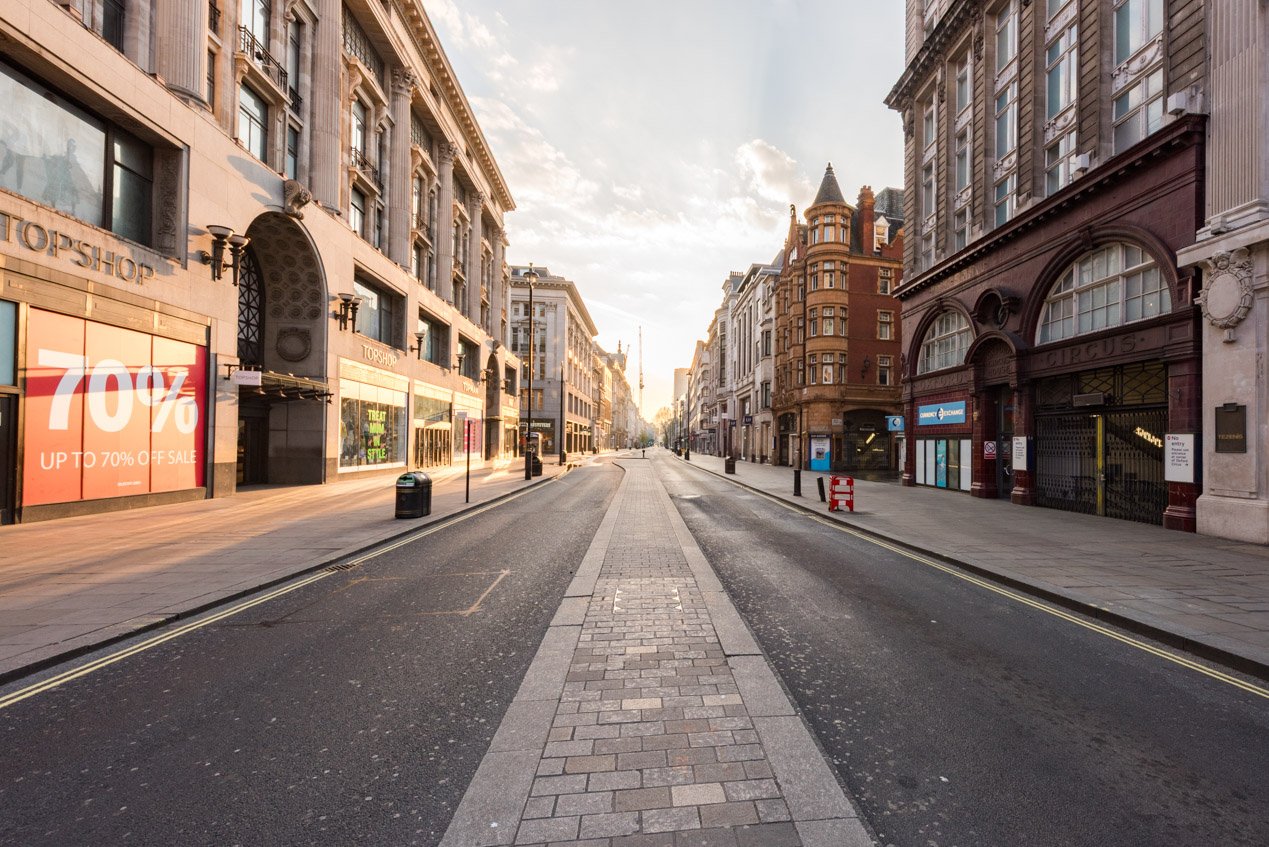
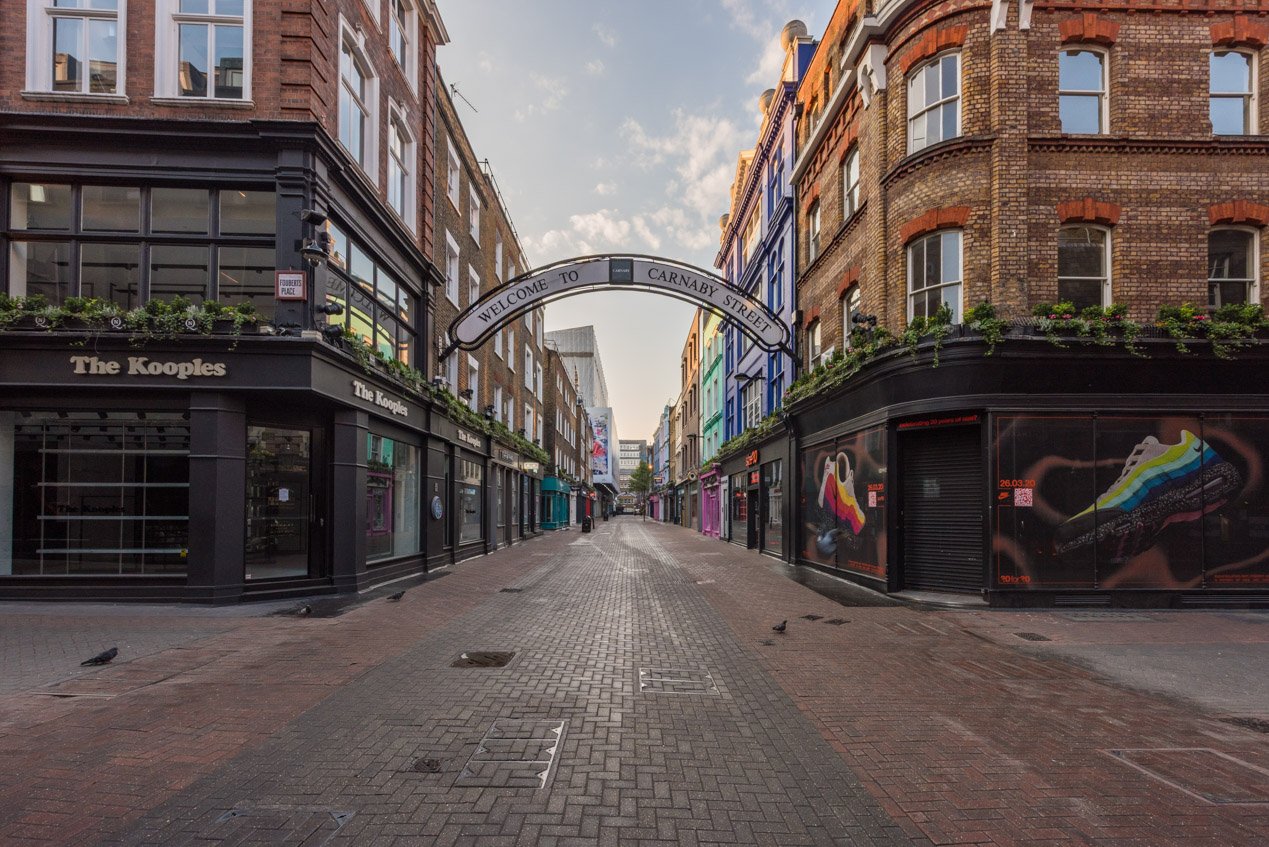
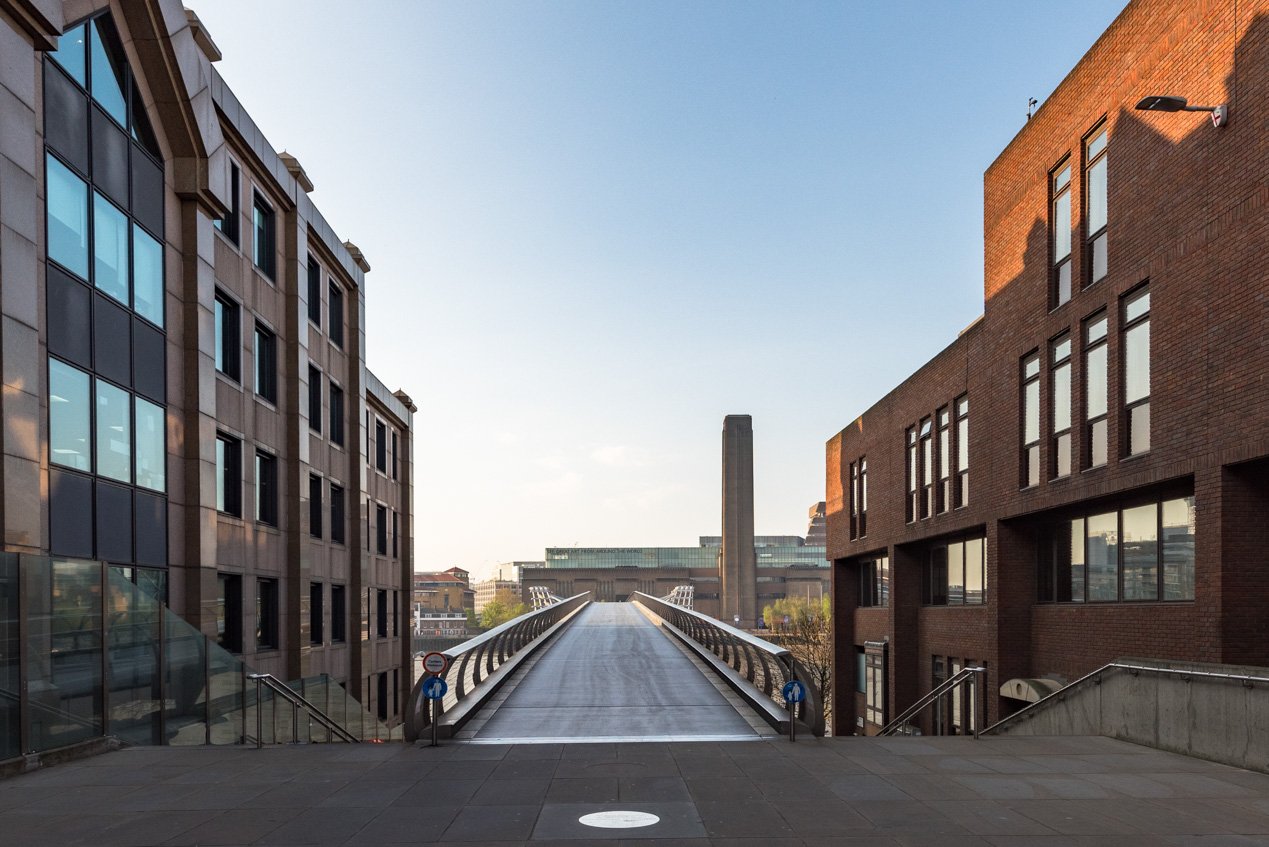
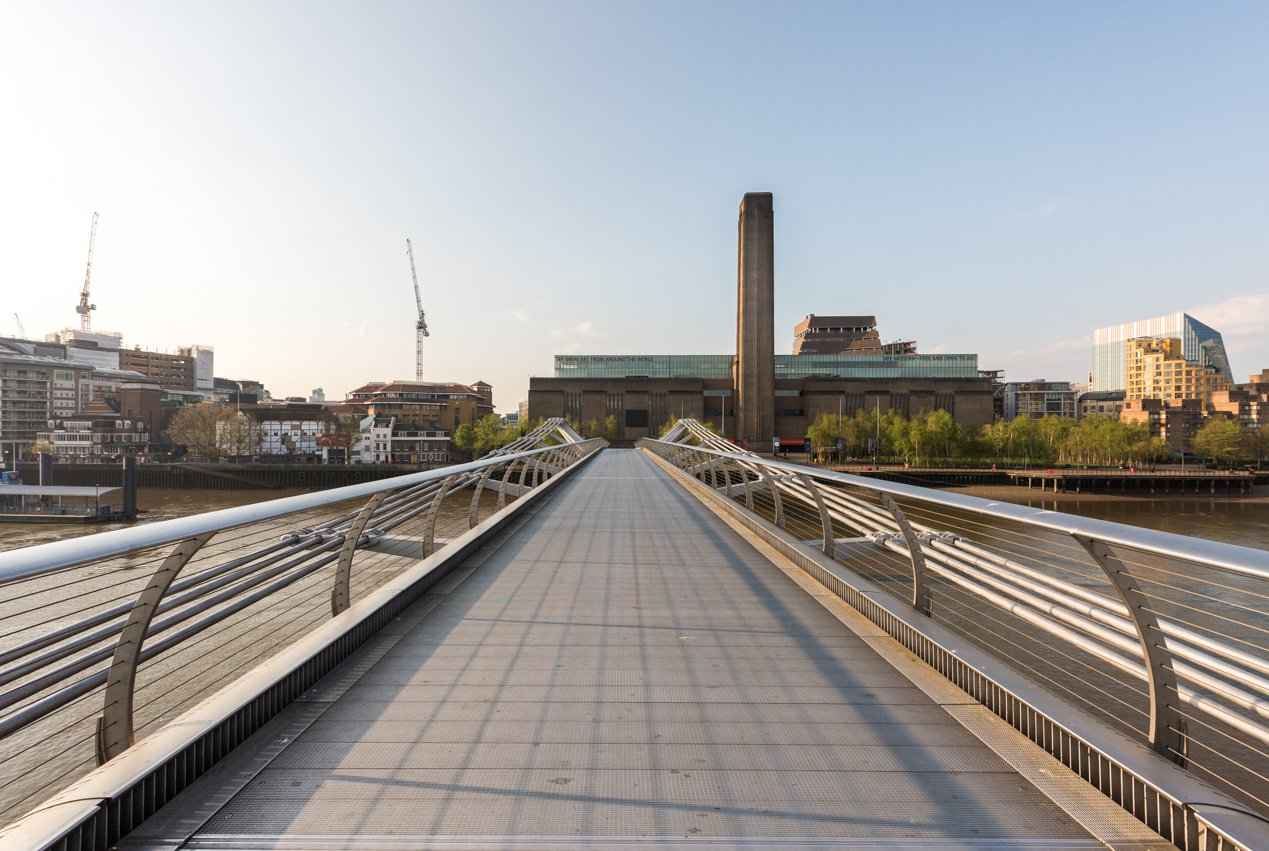
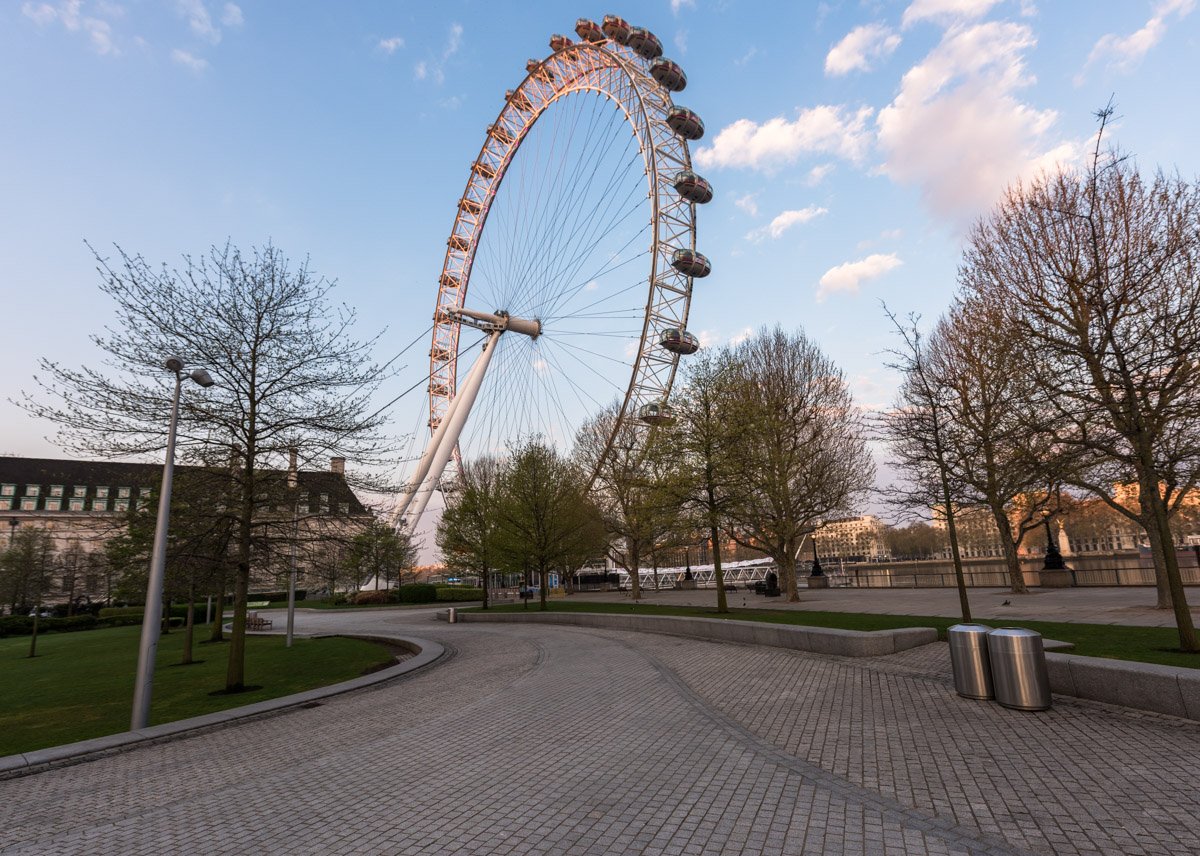
These photographs were taken in April 2020 as the impacts of the Covid-19 pandemic were beginning to stretch across the globe. London had been on #Lockdown since March 23rd and we were getting used to a very different lifestyle to how it was at the beginning of the year. Panic buying had stripped the supermarkets of food and we were only allowed out of our homes for one hour of exercise per day.


On one of my exercise hours in early April I decided to go for a bike ride. Cycling up through Westminster, towards Soho and Chinatown, I was amazed to see completely empty streets – no cars, no people. As I stood in the middle of the road on Westminster Bridge it felt like a scene from 28 Days Later.

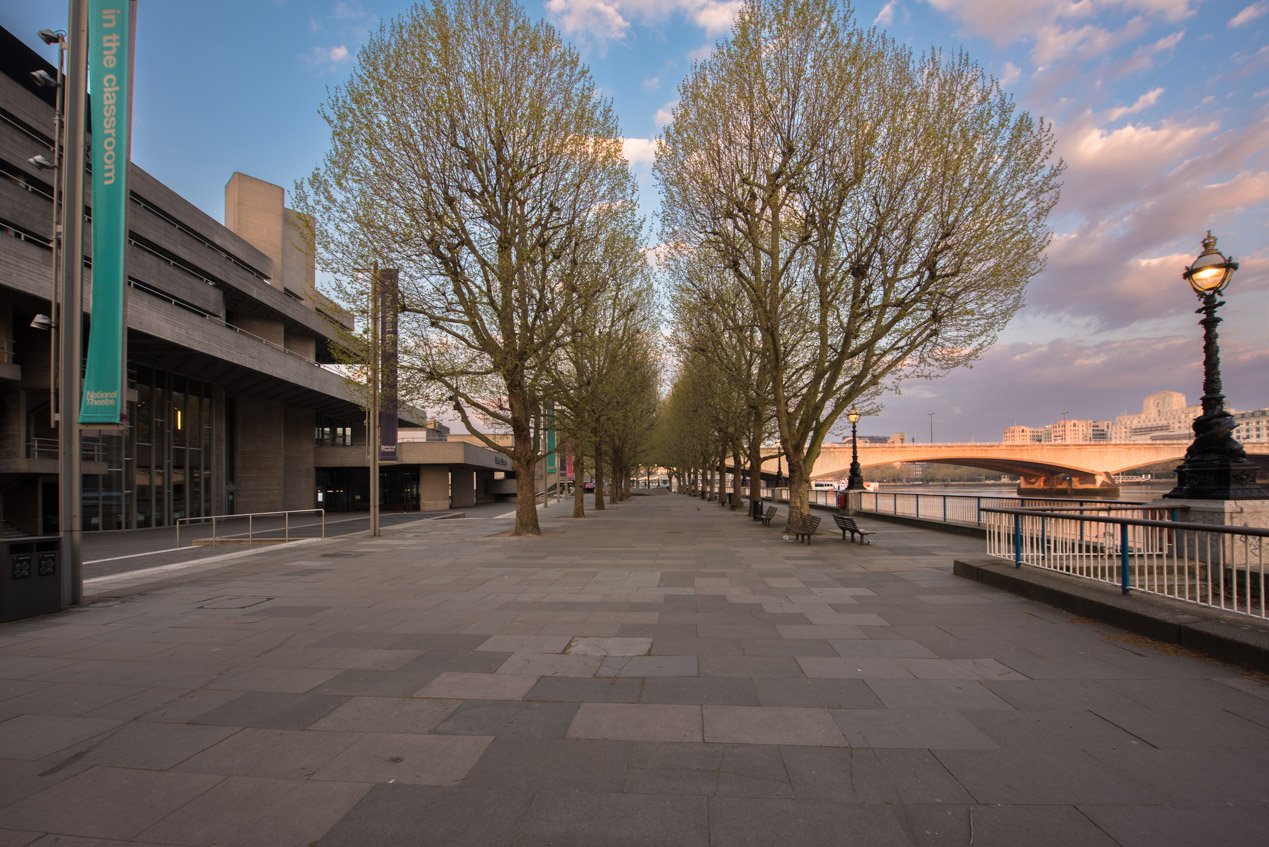
Trafalgar Square - empty. Chinatown - empty. Piccadilly Circus - empty. I shoot a lot of night photography in London and even in the earliest of hours I've never seen the streets so quiet. It felt a little uncomfortable to be out there with a camera so I didn't stop anywhere for more than a few seconds to grab some documentary shots and move on. That first day I cycled for an hour through all of the iconic places in Central London I could think of.

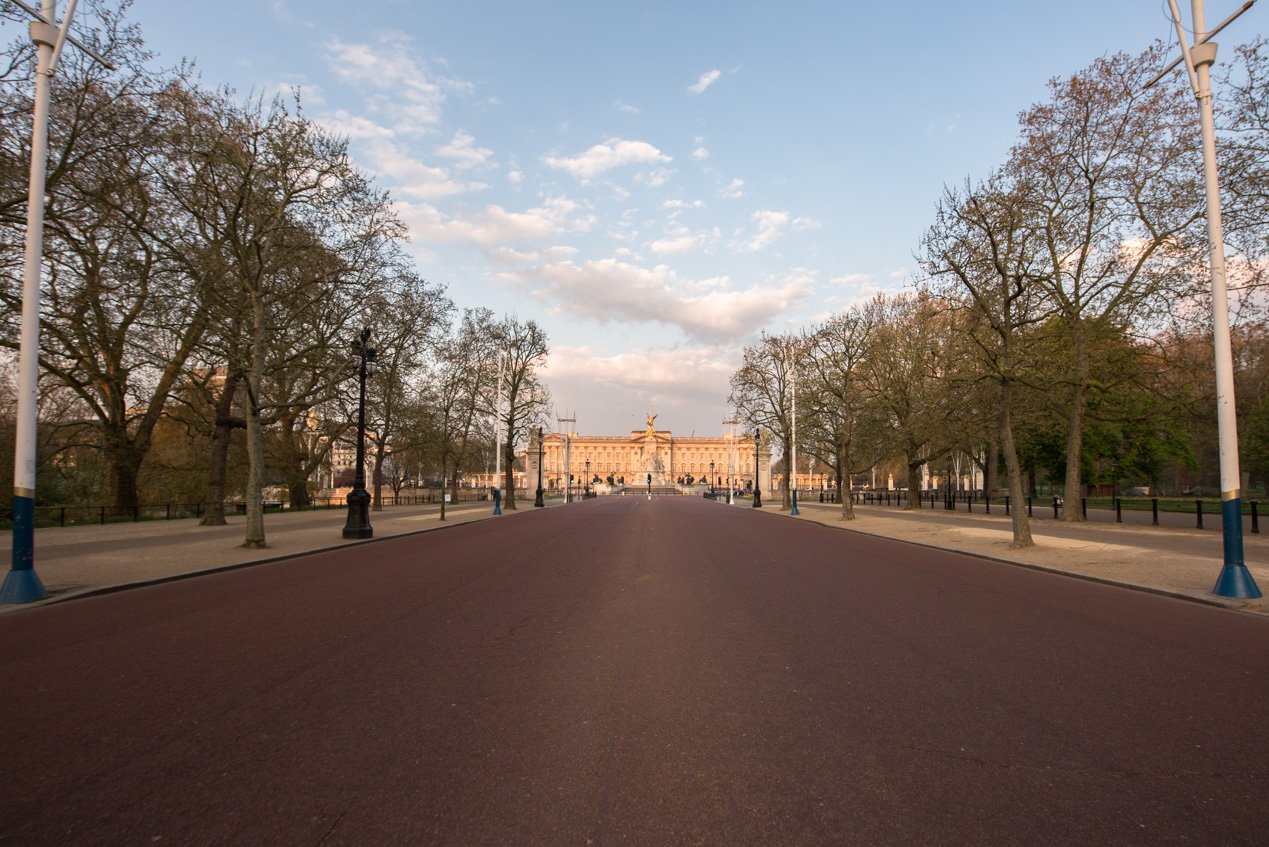
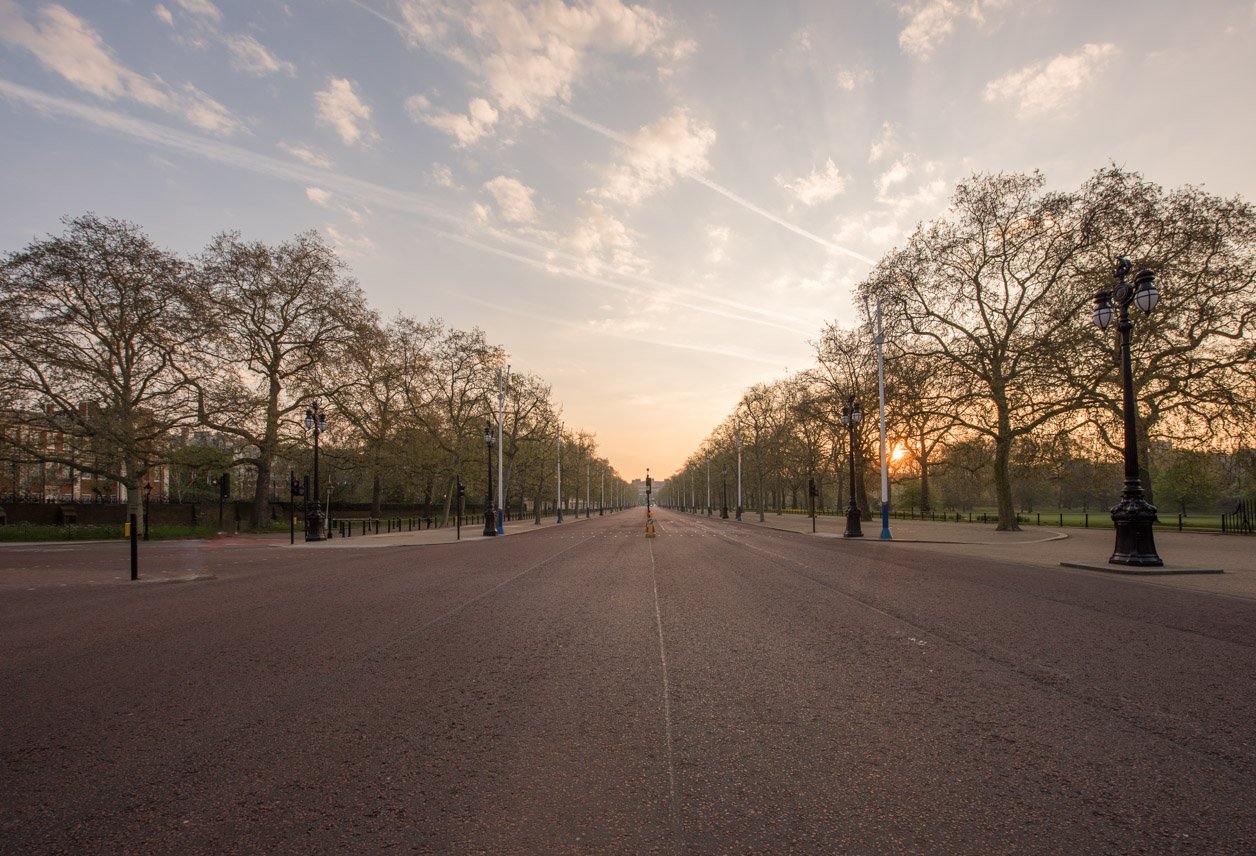
The next day I went out again. I wanted to cycle the roads, usually so busy, noisy and polluted to see what they were like. Again I saw a vacant capital. I could stop in the middle of Oxford Circus crossroads and see no traffic in any direction, or cycle down The Mall towards Buckingham Palace and no encounter a soul. These were the places where only a month earlier shoppers would queue in their thousands and tourists would snap images on their phones.

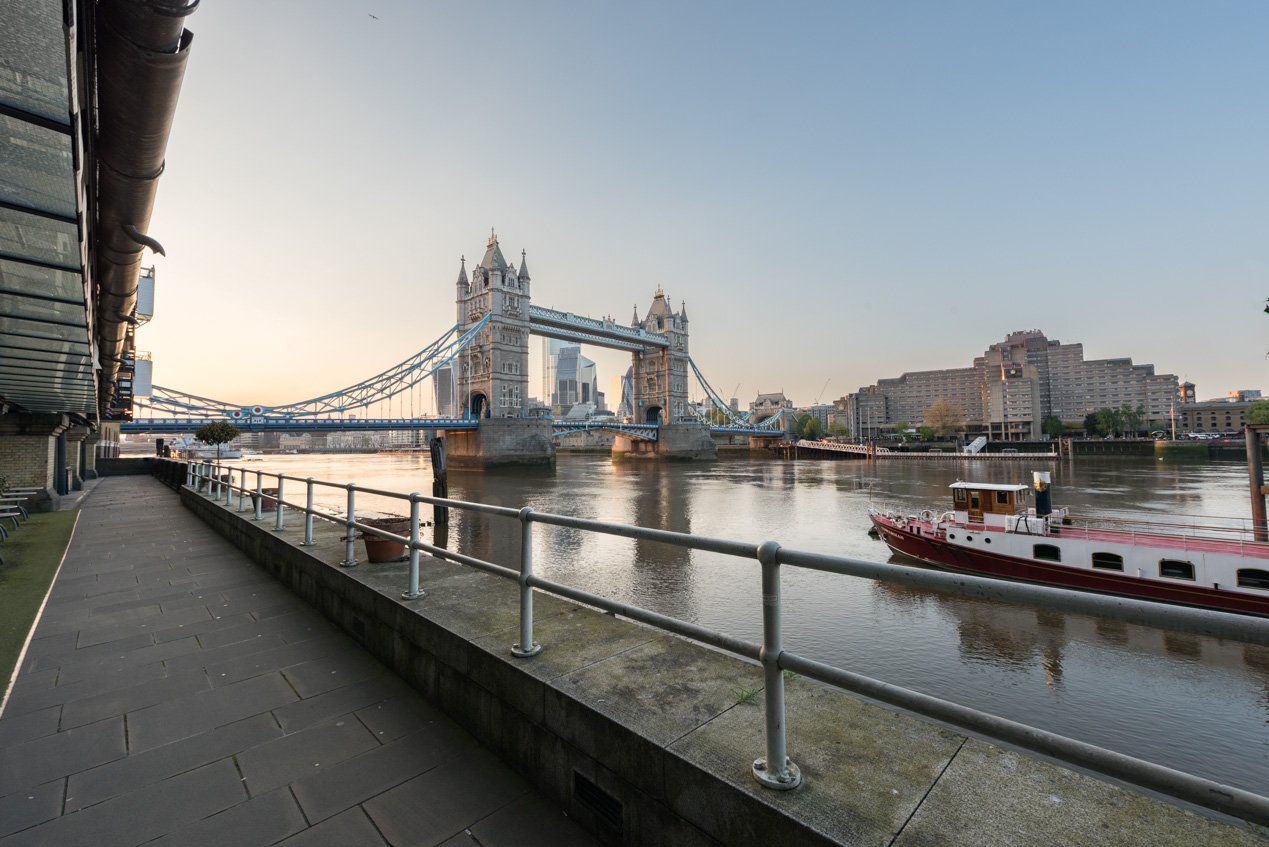
I passed back through the City, via St. Paul's Cathedral and over the Millennium Bridge to head home along the Southbank, my favourite part of the River. Click through the photographs below to see how eerie the streets were.

When the restrictions were relaxed slightly I cycled further and visited Greenwich. One of my favourite parks in London and one I’d spent many summers sitting in with friends and chatting about life, was completely empty. Not a soul had ventured out.

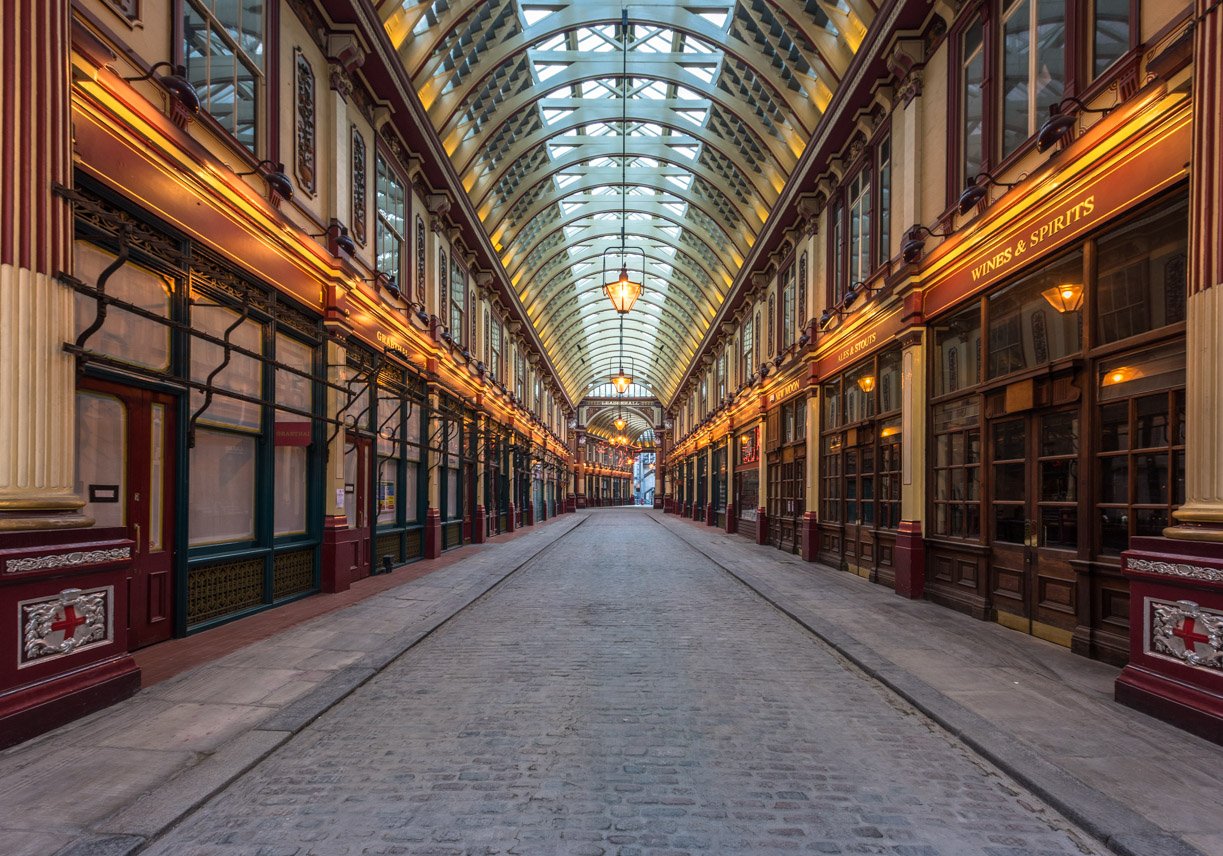
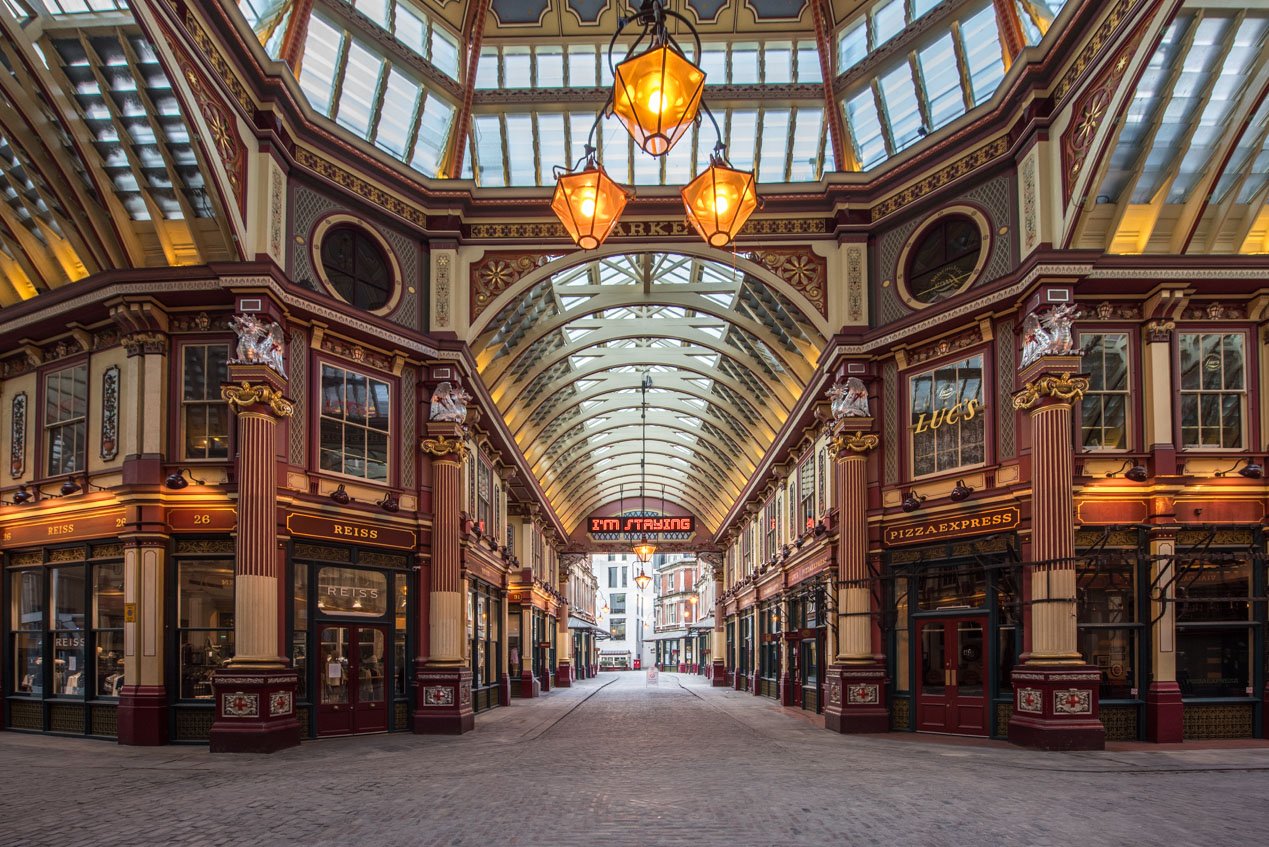
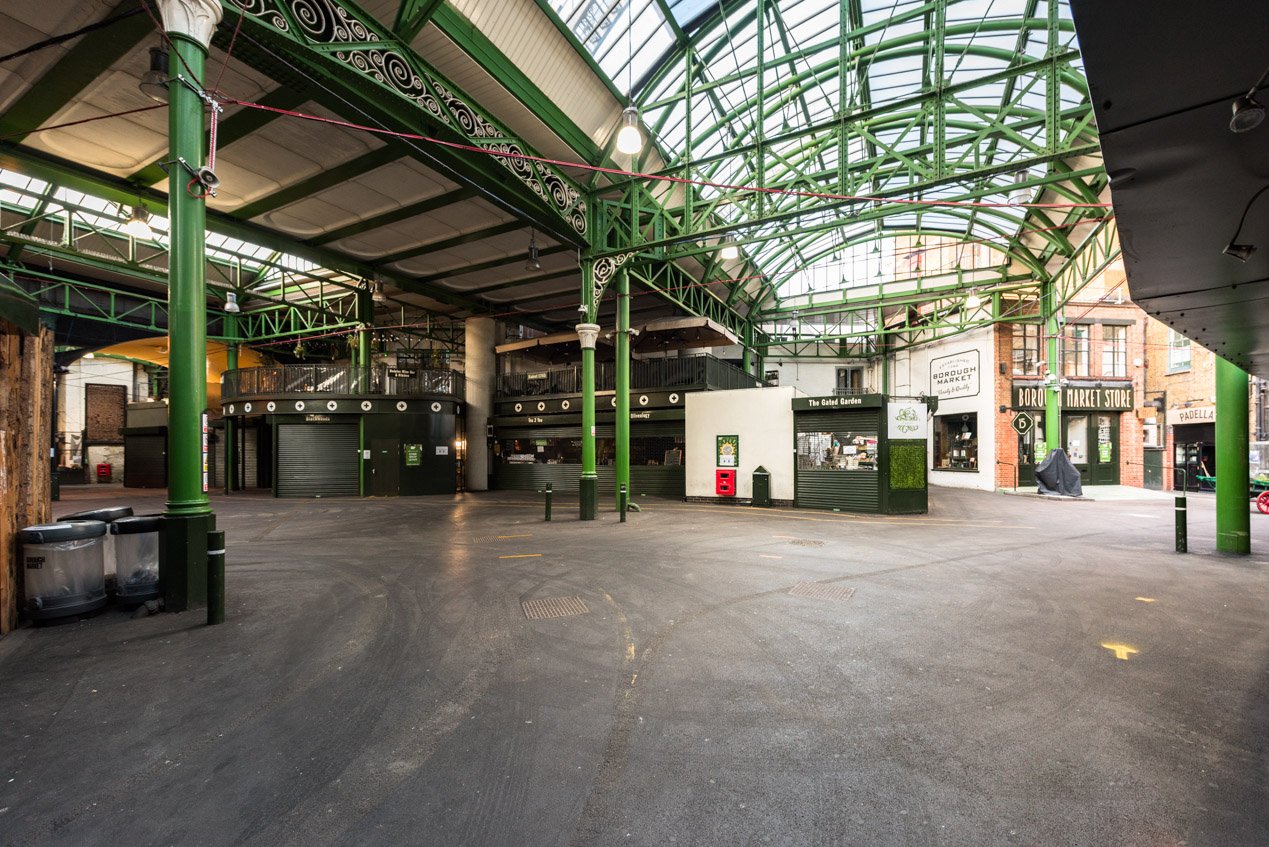
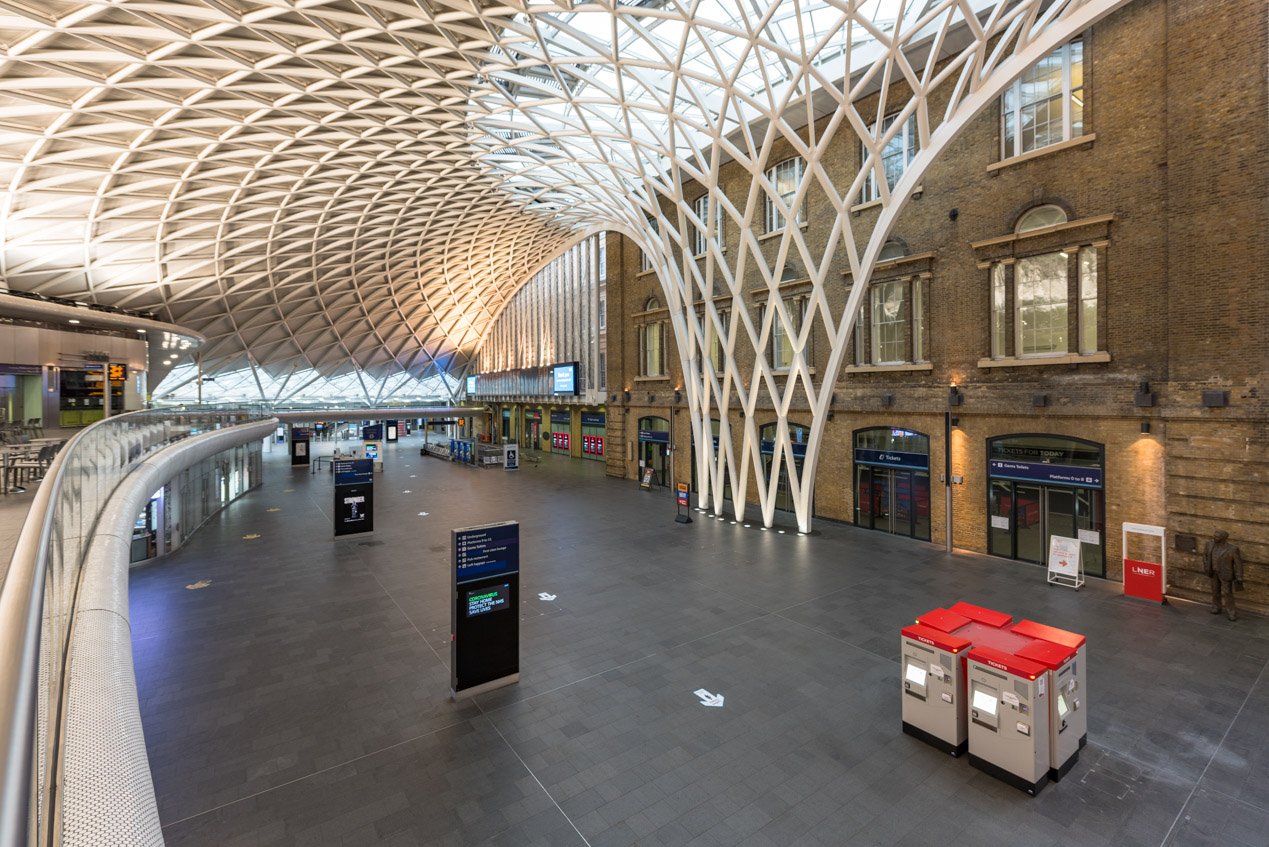
I leave you a few more shots from lockdown around London from Borough Market, to King's Cross, Paddington and beyond - all empty. I felt it important to document London as it was in those weeks, as it hasn't been before and as I hope it won't be again.

Read More
Nick Jackson
July 4, 2026
Documenting the Arduna Exhibition in AlUla, Saudi Arabia

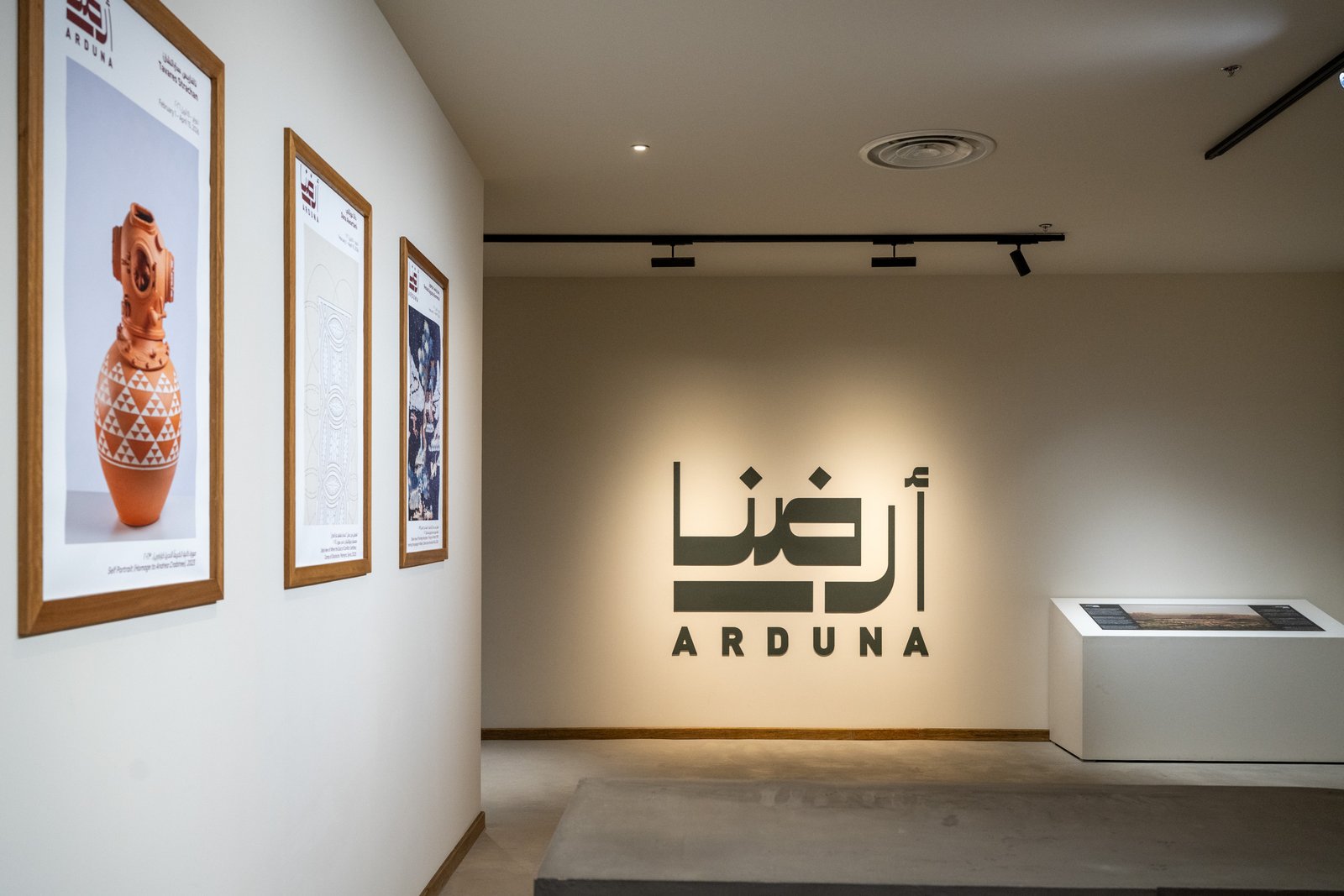
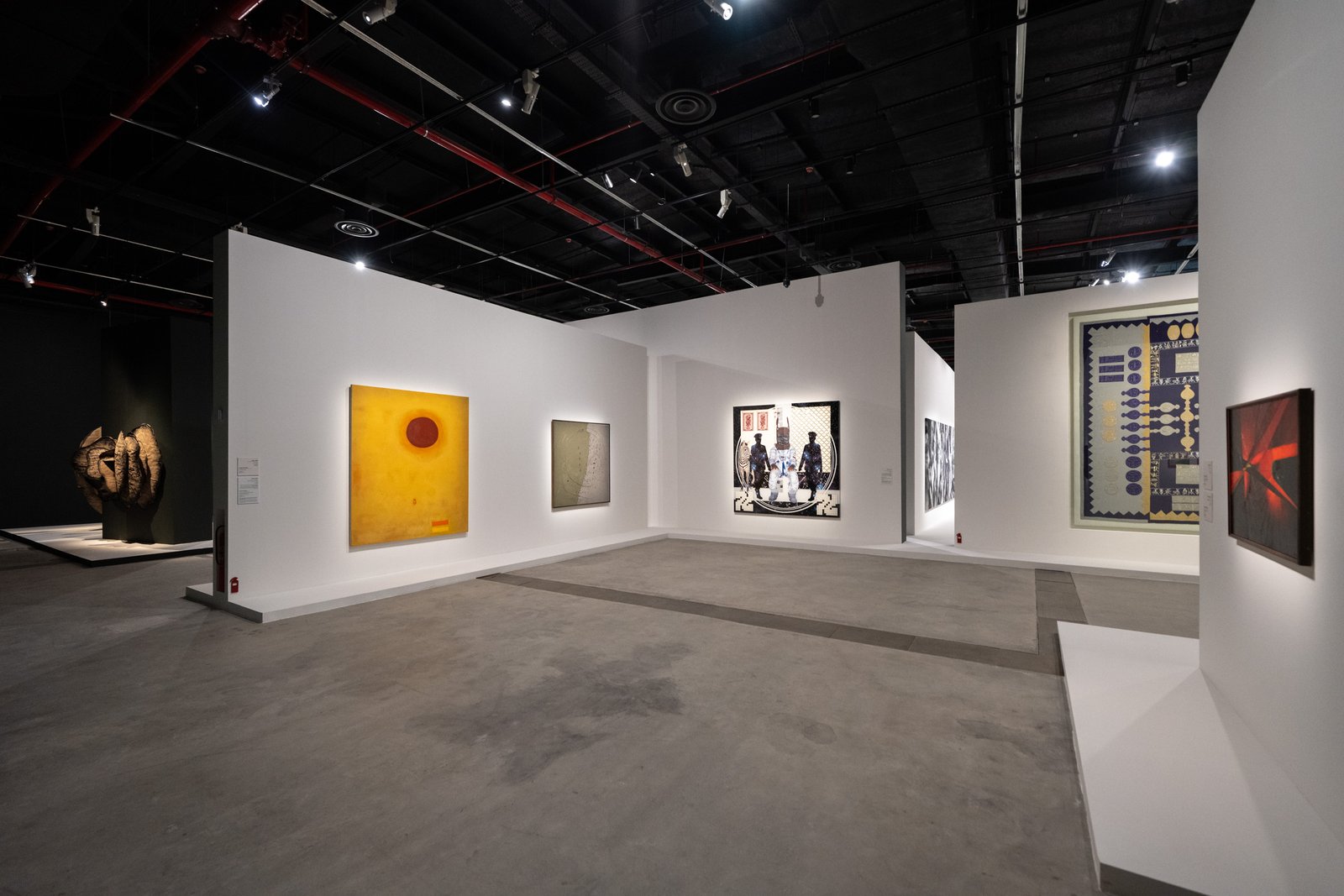
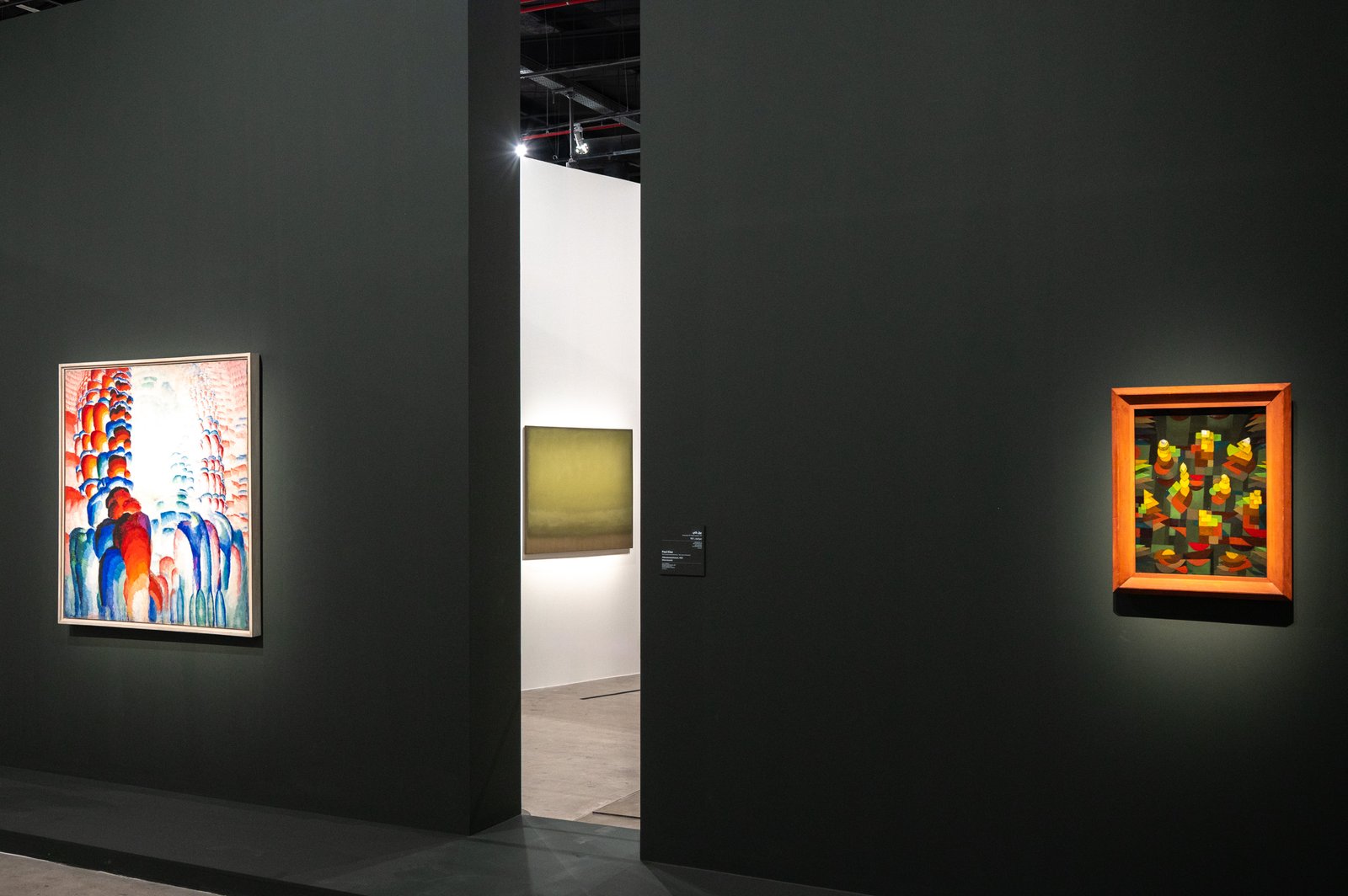
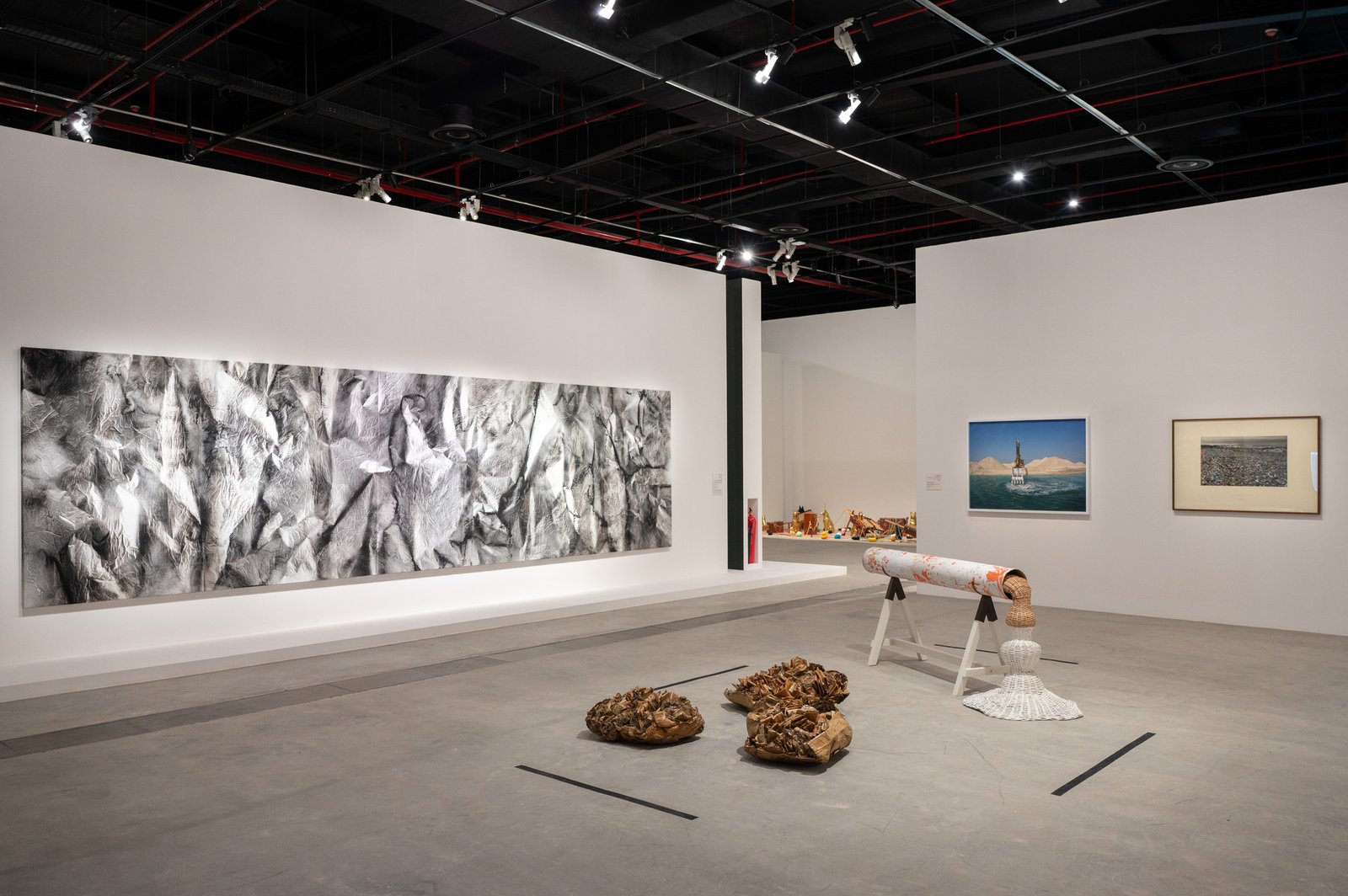
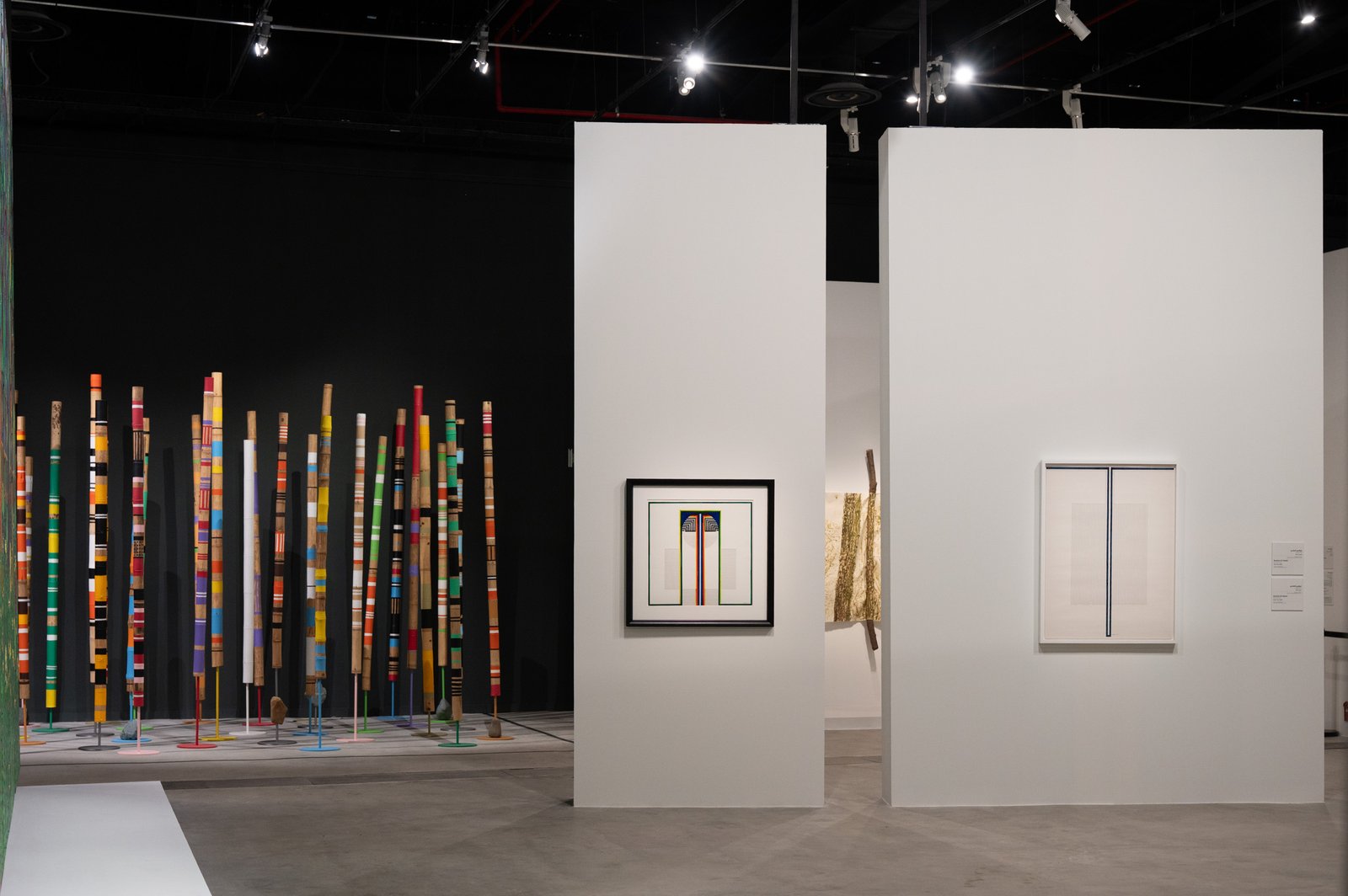
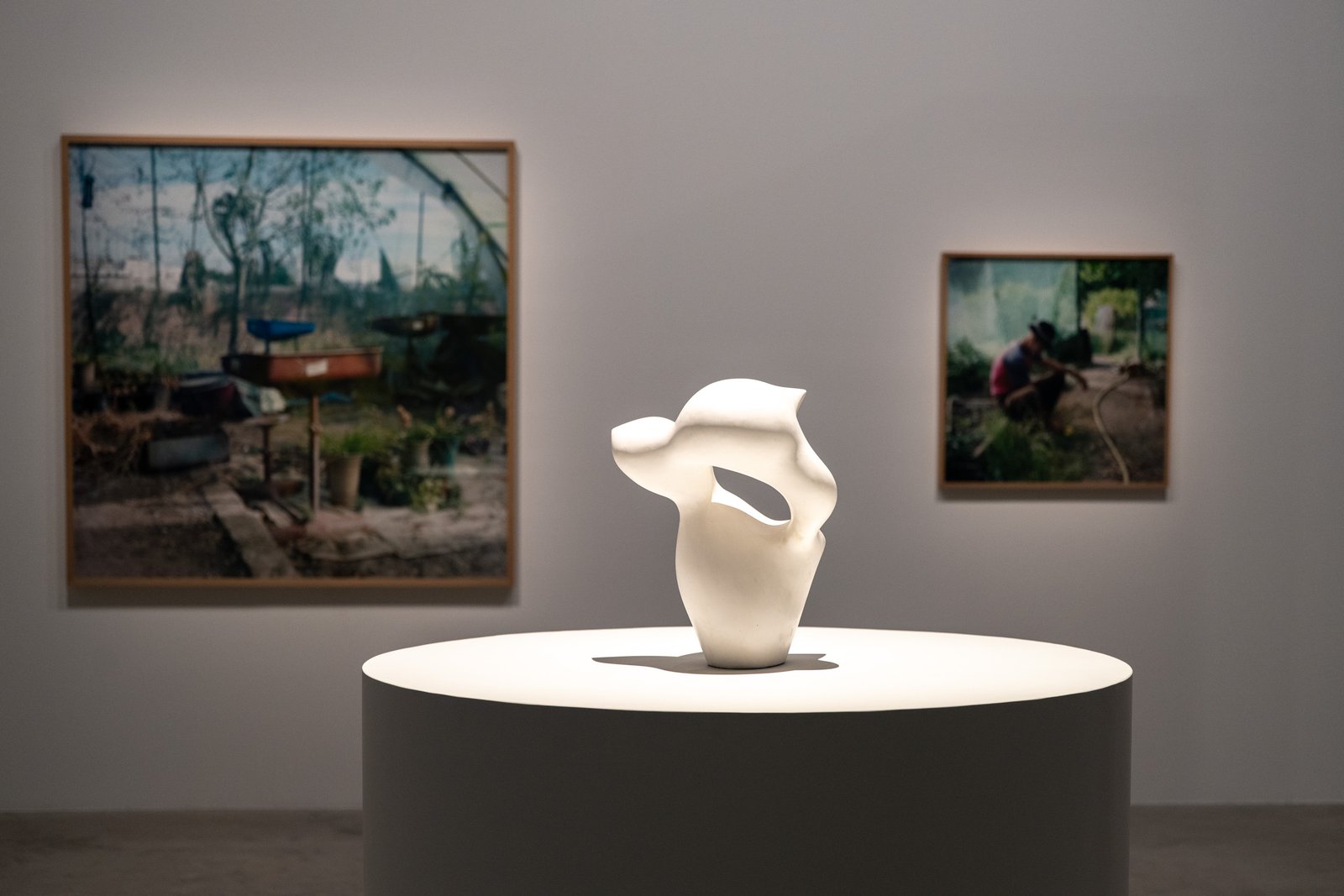
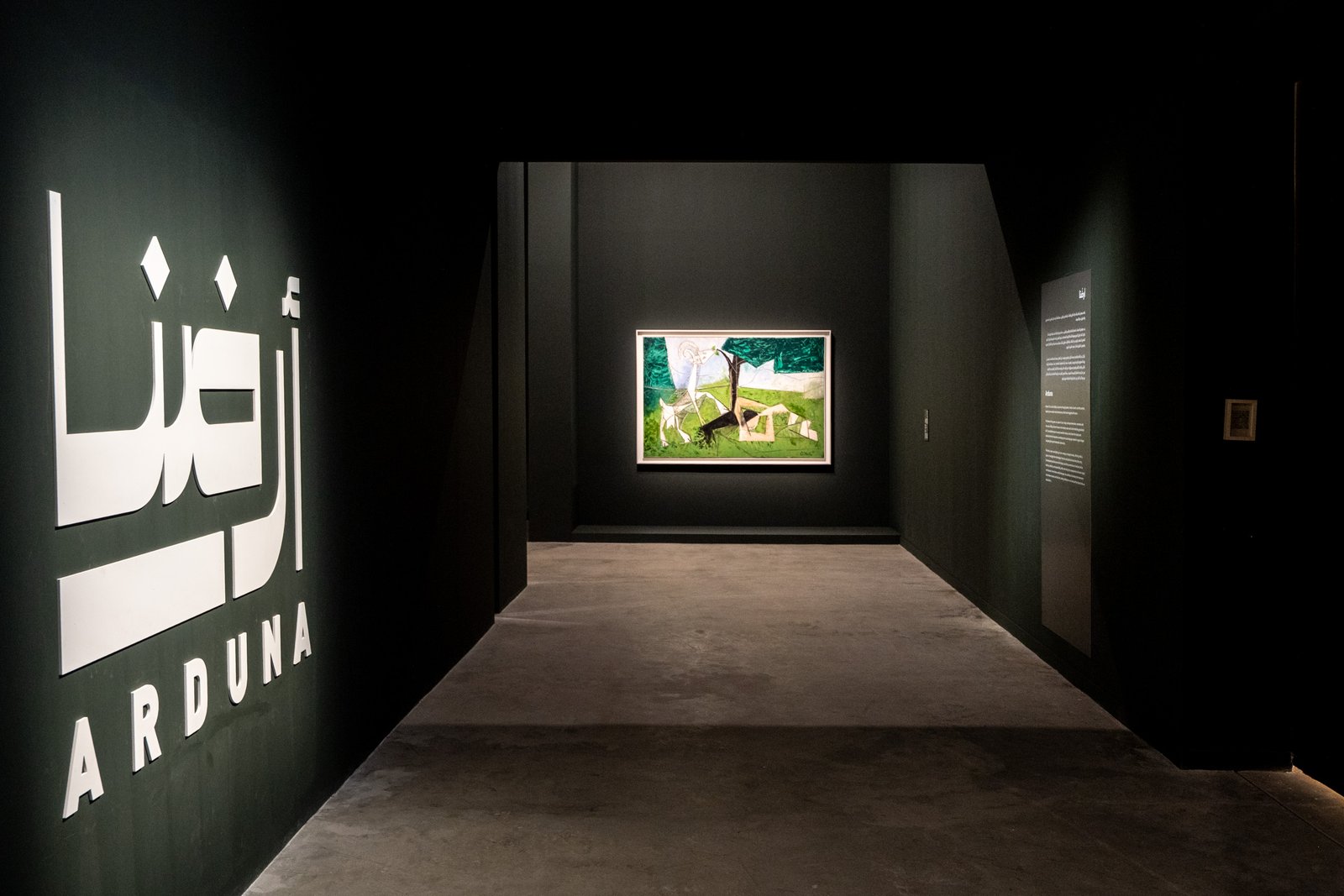
The Arduna Exhibition in AlUla marked a defining moment in Saudi Arabia’s evolving cultural landscape—a collaboration between the Royal Commission for AlUla (RCU) and the Centre Pompidou that brought world-class contemporary art to the heart of the desert. As the official photographer documenting the project from its earliest stages to the VIP opening, the experience offered a rare opportunity to witness the transformation of an ambitious vision into a landmark exhibition.

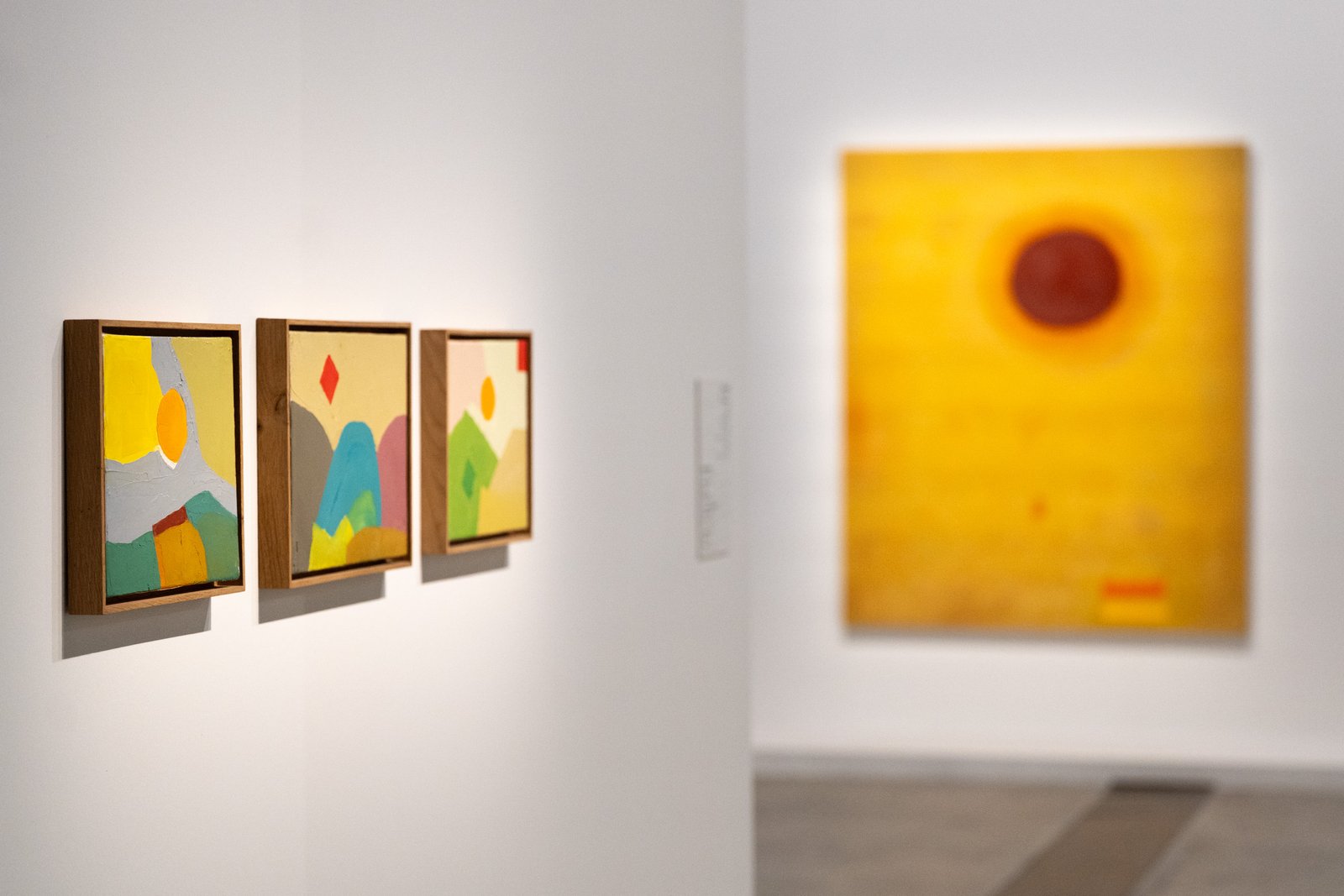
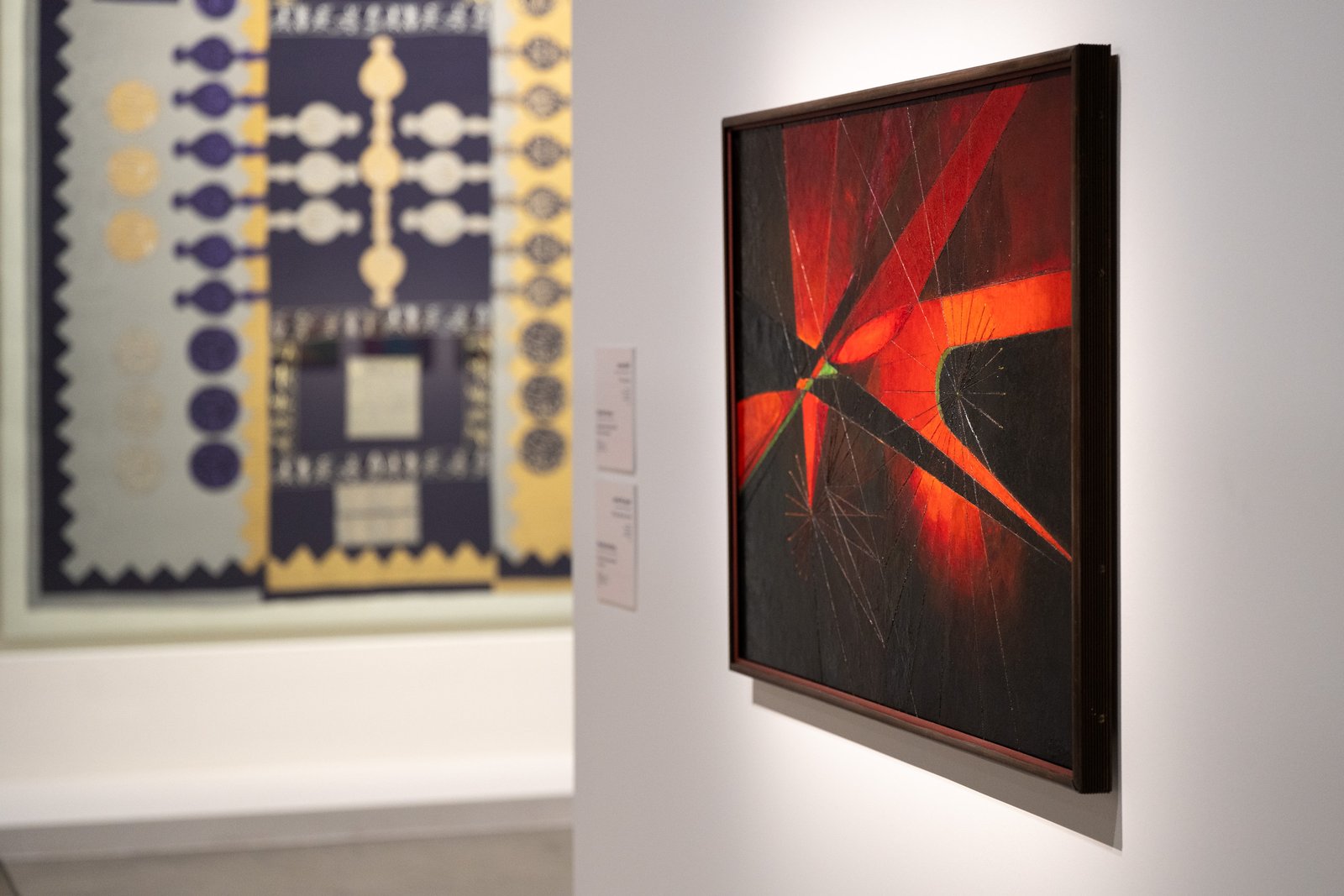
The partnership between the Royal Commission for AlUla and the Centre Pompidou represents a long-term cultural exchange aimed at developing AlUla as a global destination for art and heritage. Arduna, meaning “Our Land,” was conceived as a dialogue between Saudi and international artists, exploring themes of identity, landscape, and transformation. The exhibition served as a cornerstone of this partnership, blending contemporary artistic expression with the region’s deep historical and natural context.

Capturing the Construction Phase: The documentation began months before the opening, as the exhibition site took shape within AlUla’s striking desert environment. Photographing the construction phase required balancing technical precision with creative storytelling—capturing not only the physical progress but also the human effort behind it.

Workers, curators, and engineers collaborated under the desert sun, assembling structures that would soon house installations of global significance.The challenge lay in portraying scale and texture: the interplay between raw materials, scaffolding, and the surrounding sandstone cliffs. Early morning and late afternoon light revealed the sculptural qualities of the site and provided a sense of the exhibition’s integration into the broader AlUla landscape.

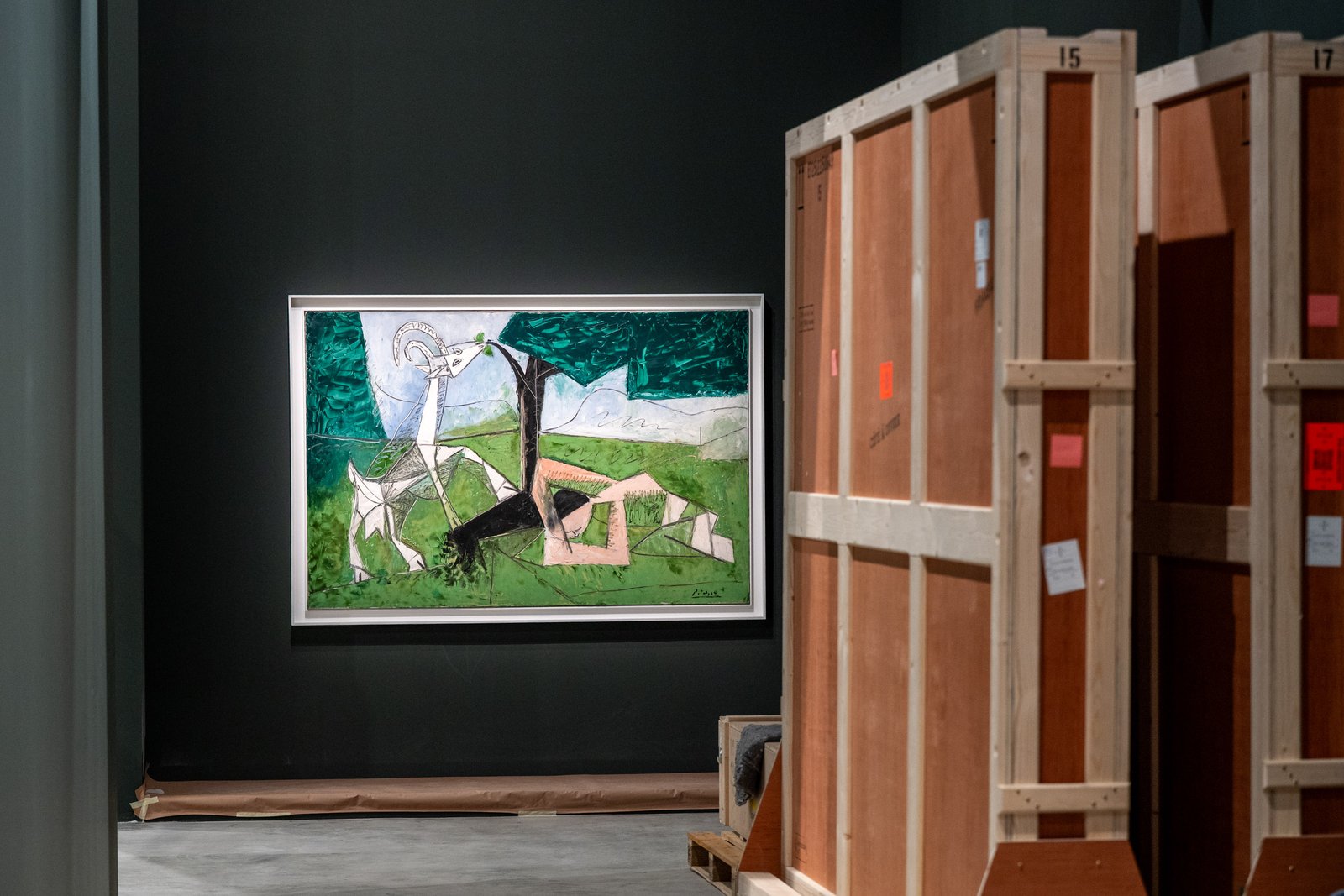
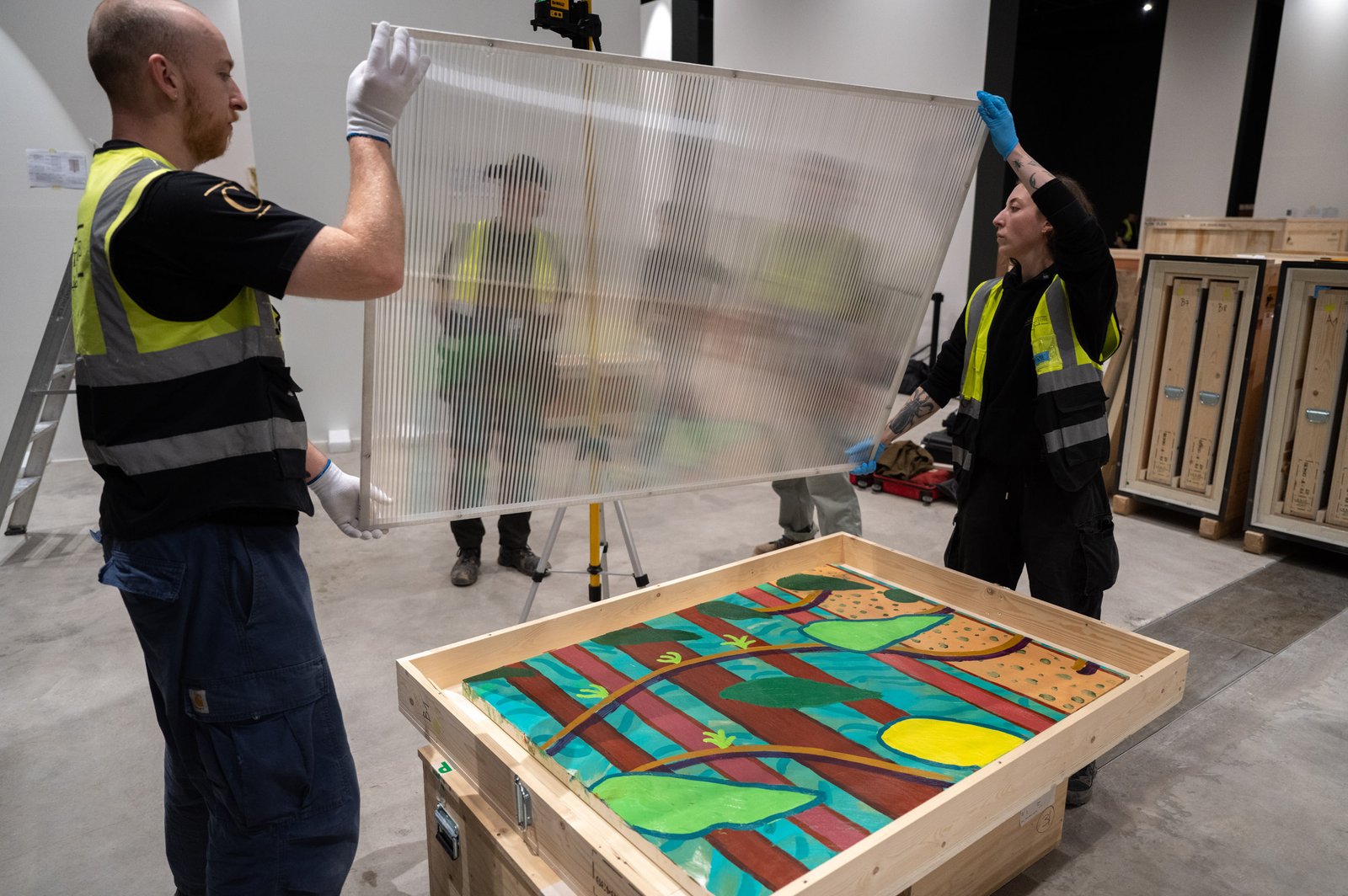
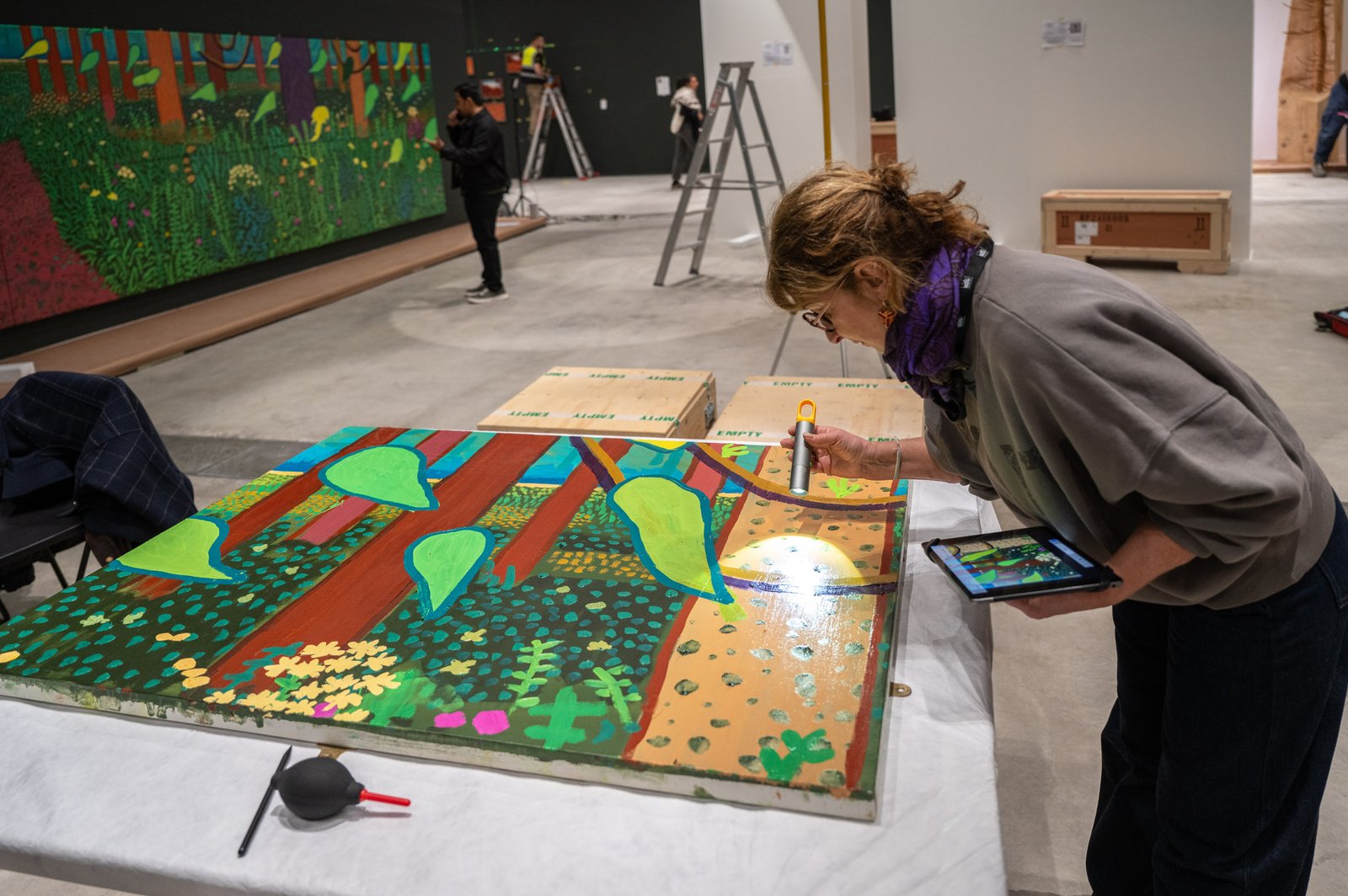
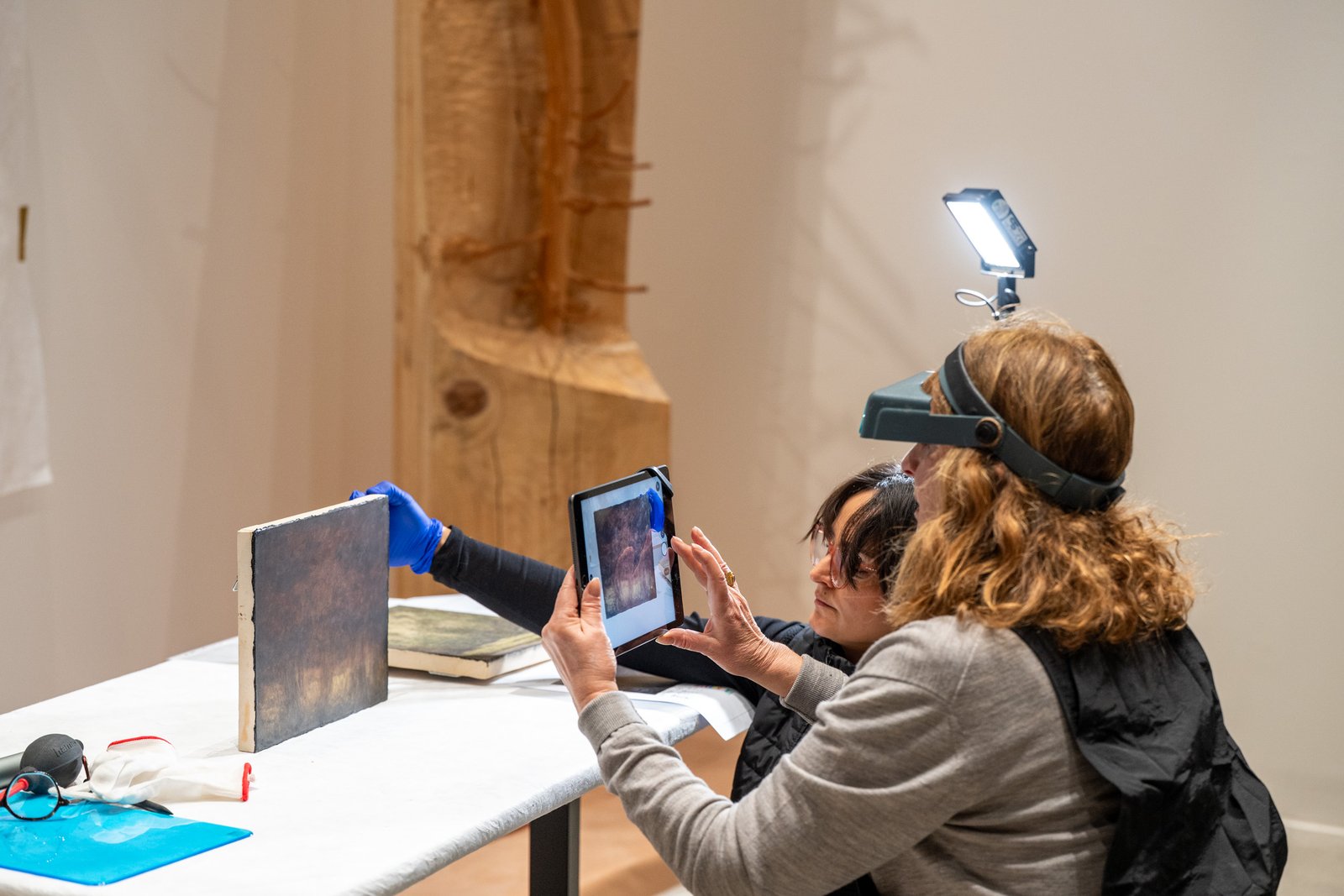
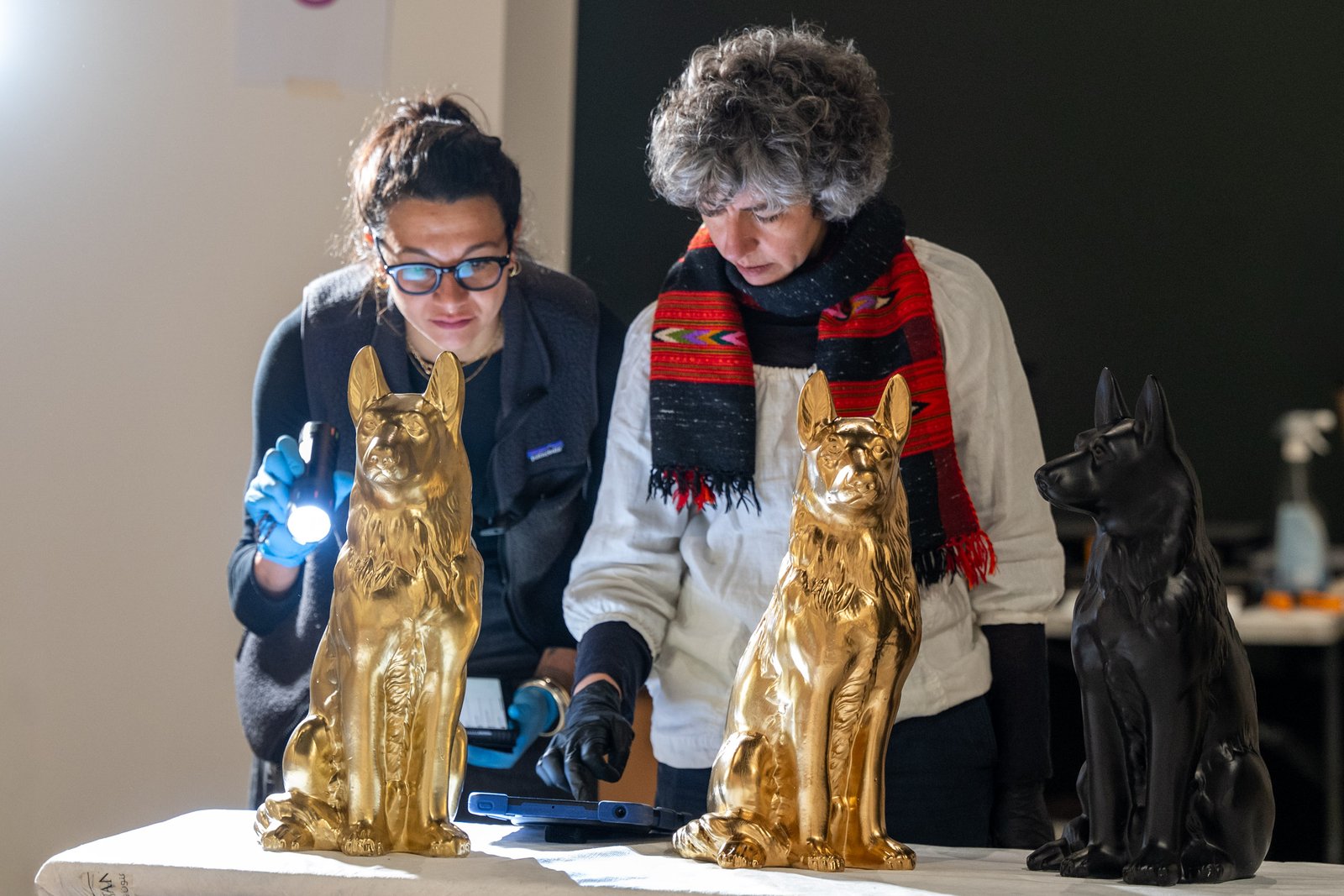
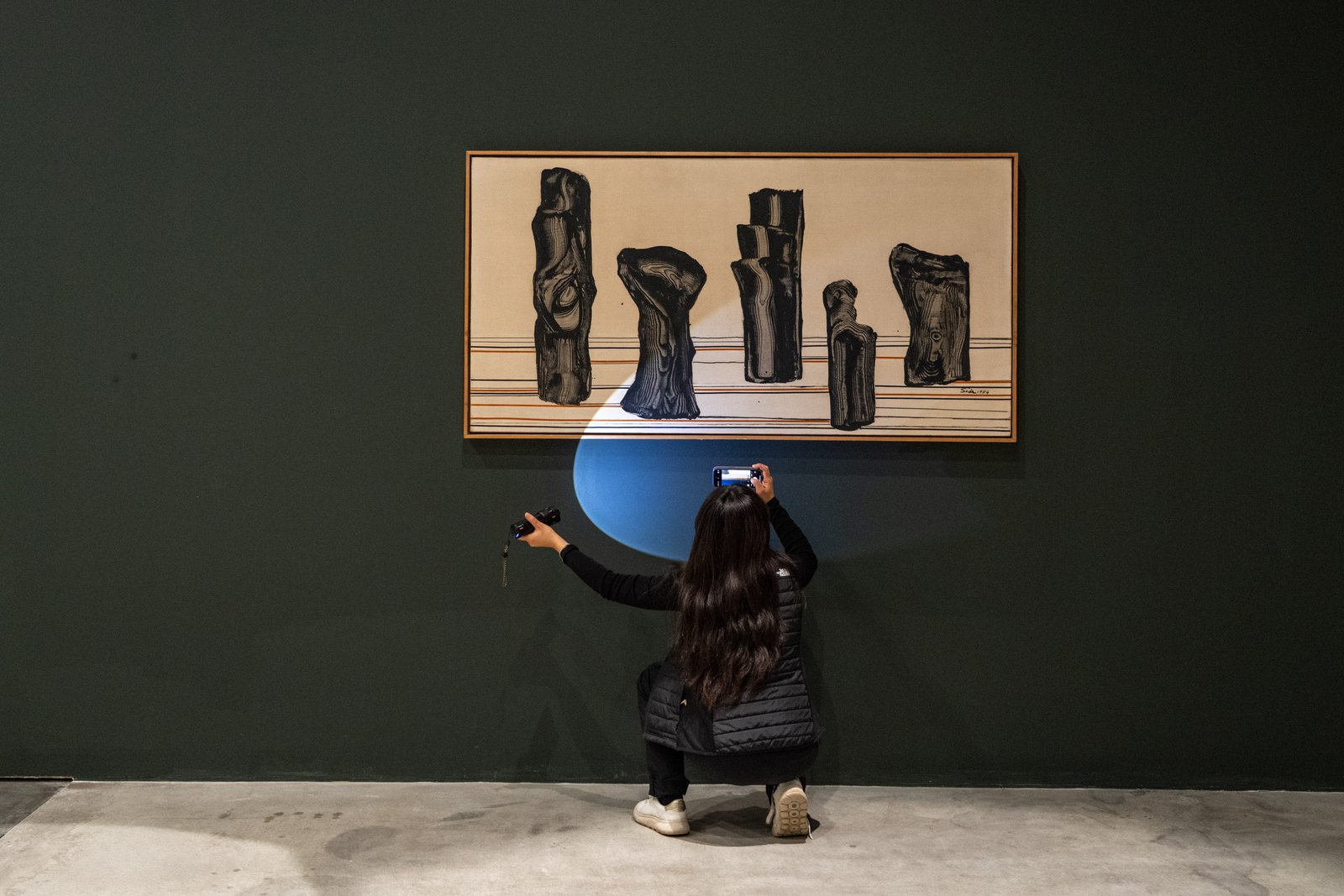
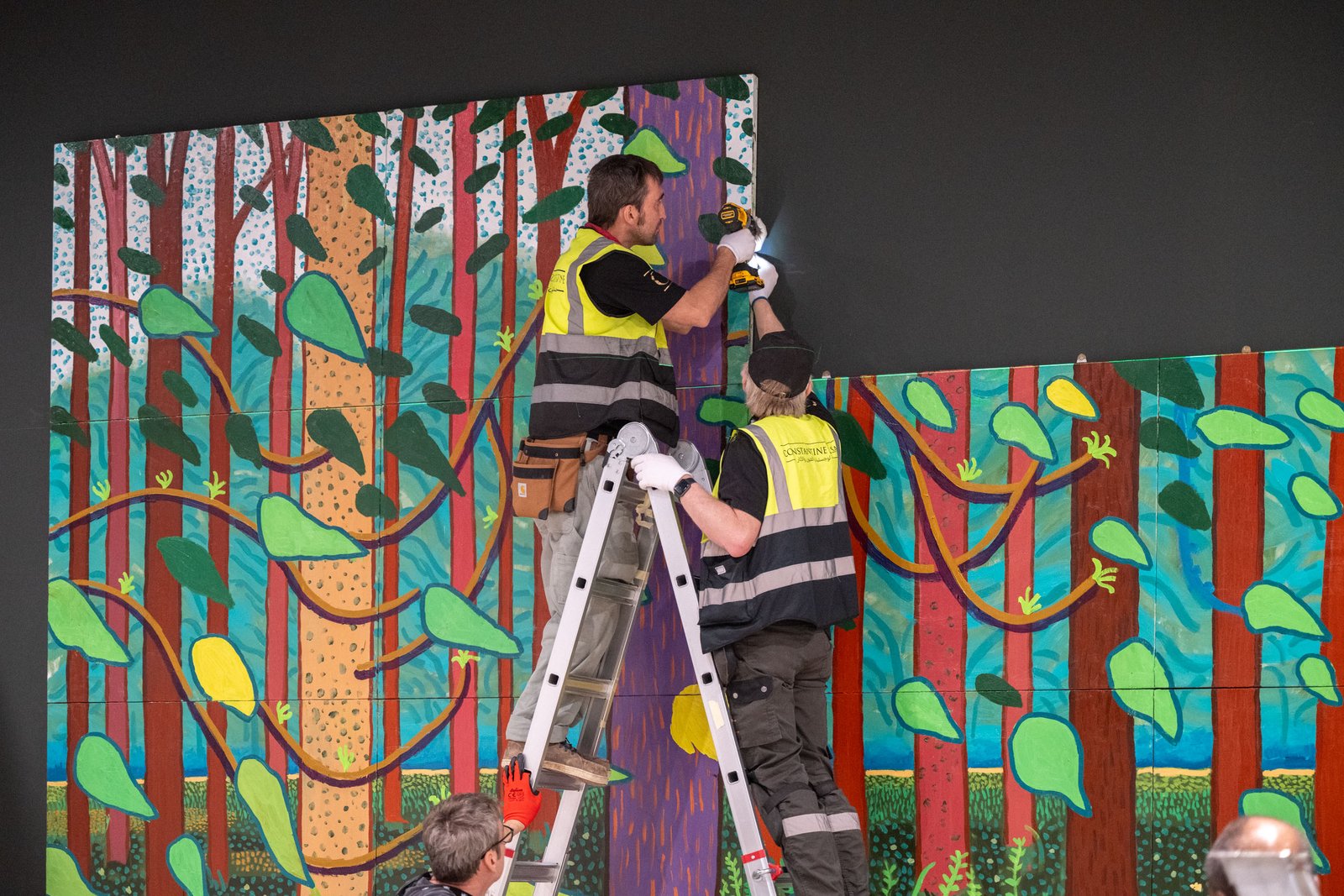
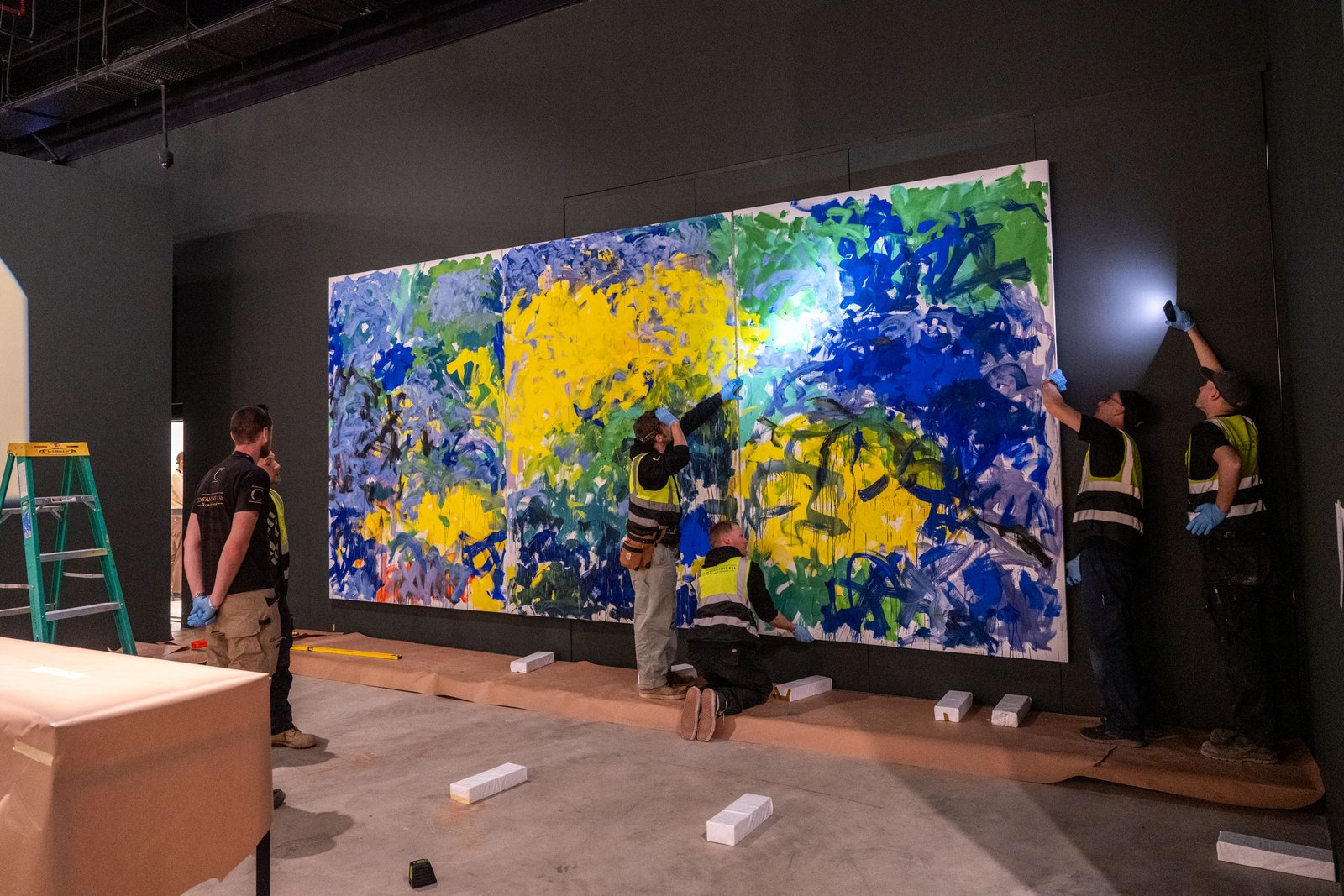
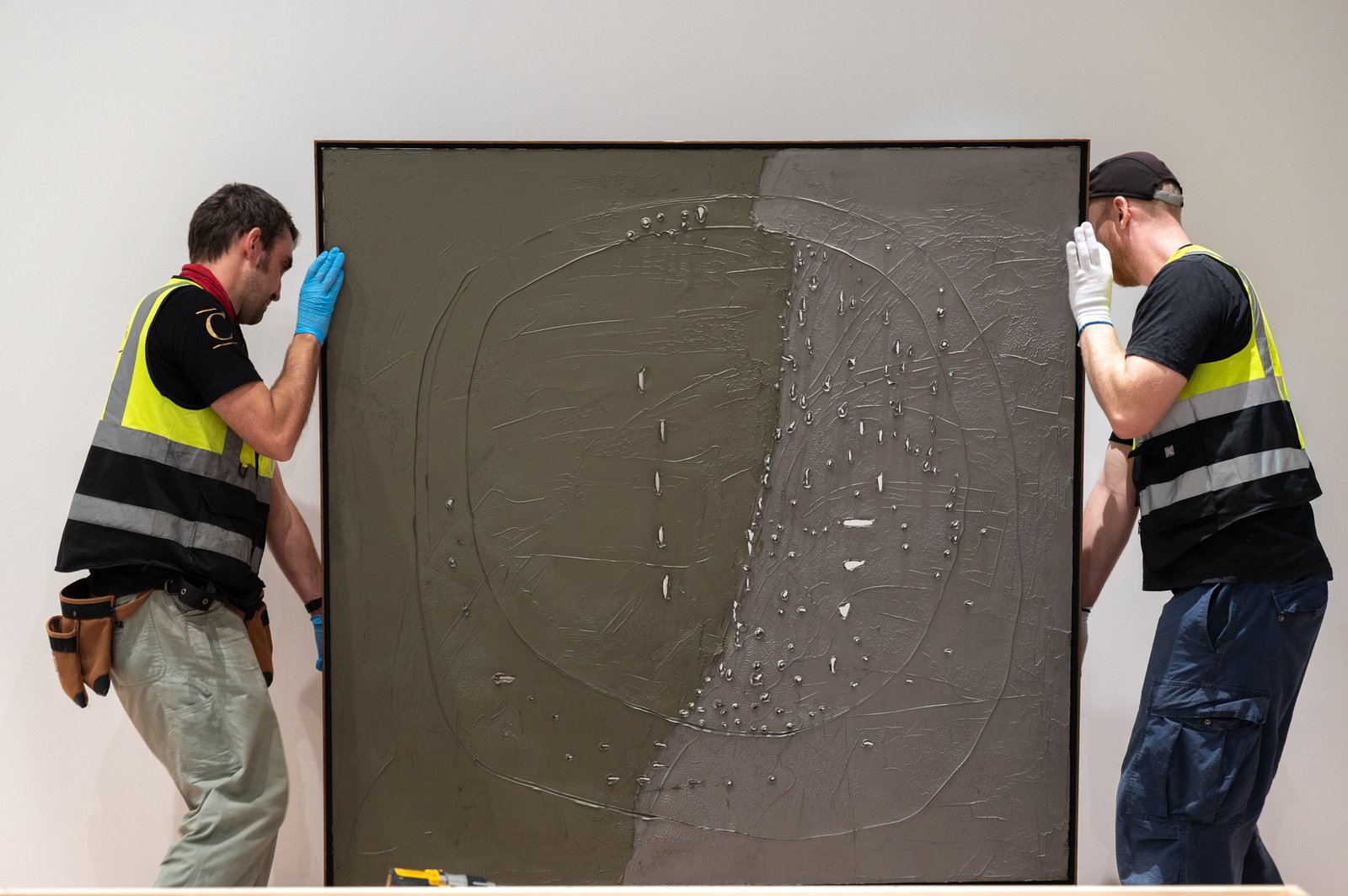
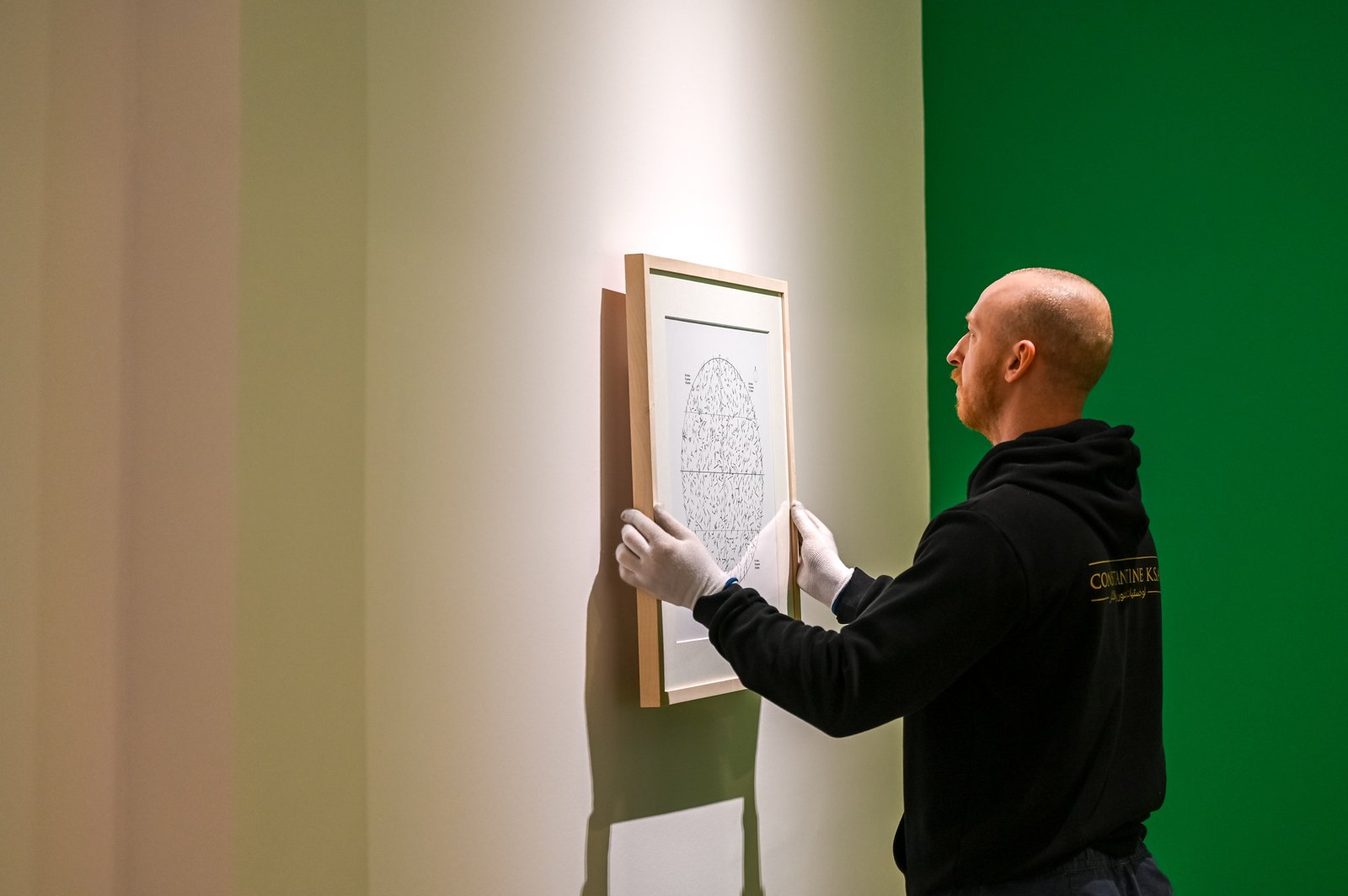
The first stage after receipt of the artworks was to unbox and assess any impacts of the transportation. It’s a slow, methodical process, surveying every inch of the masterpieces.

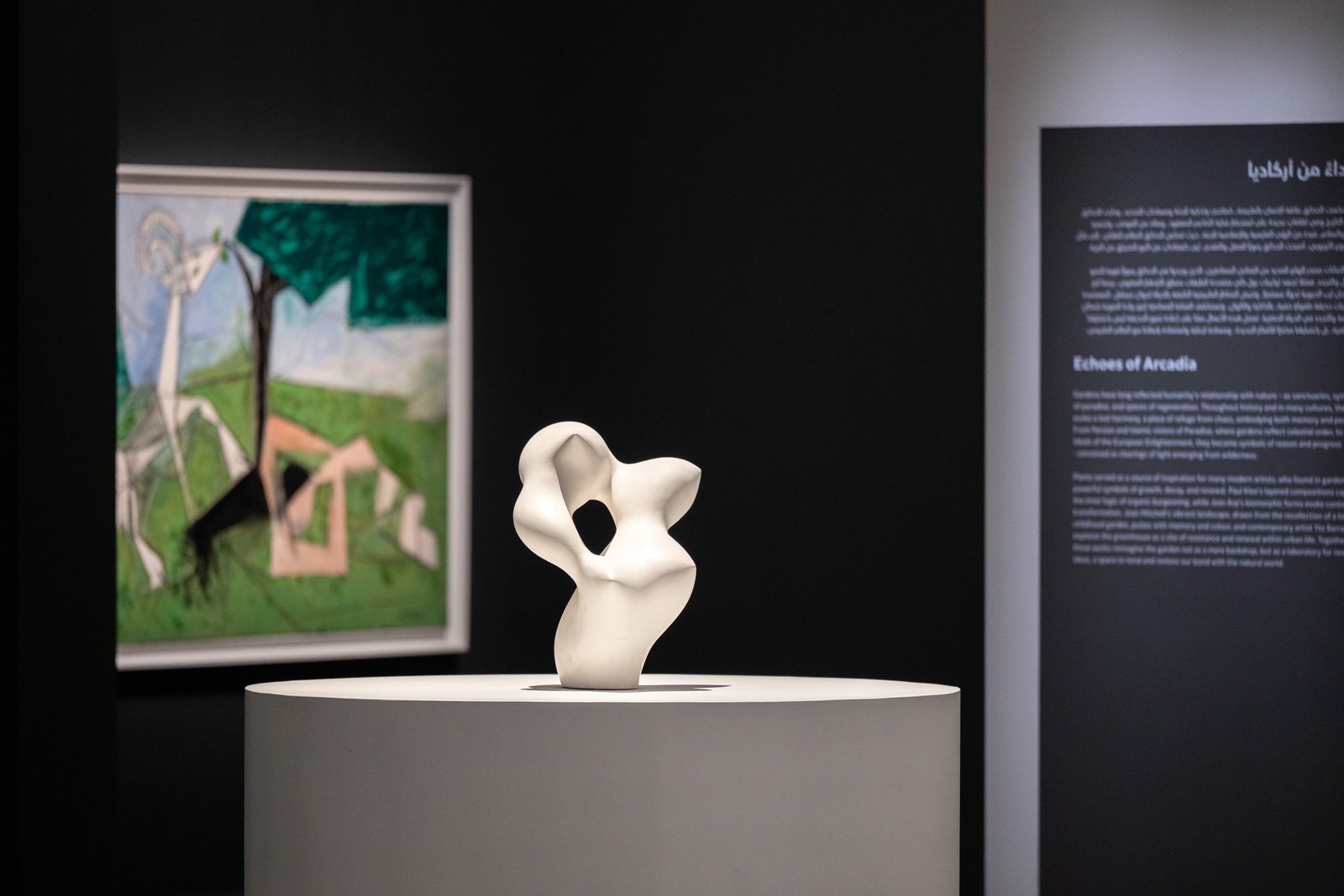
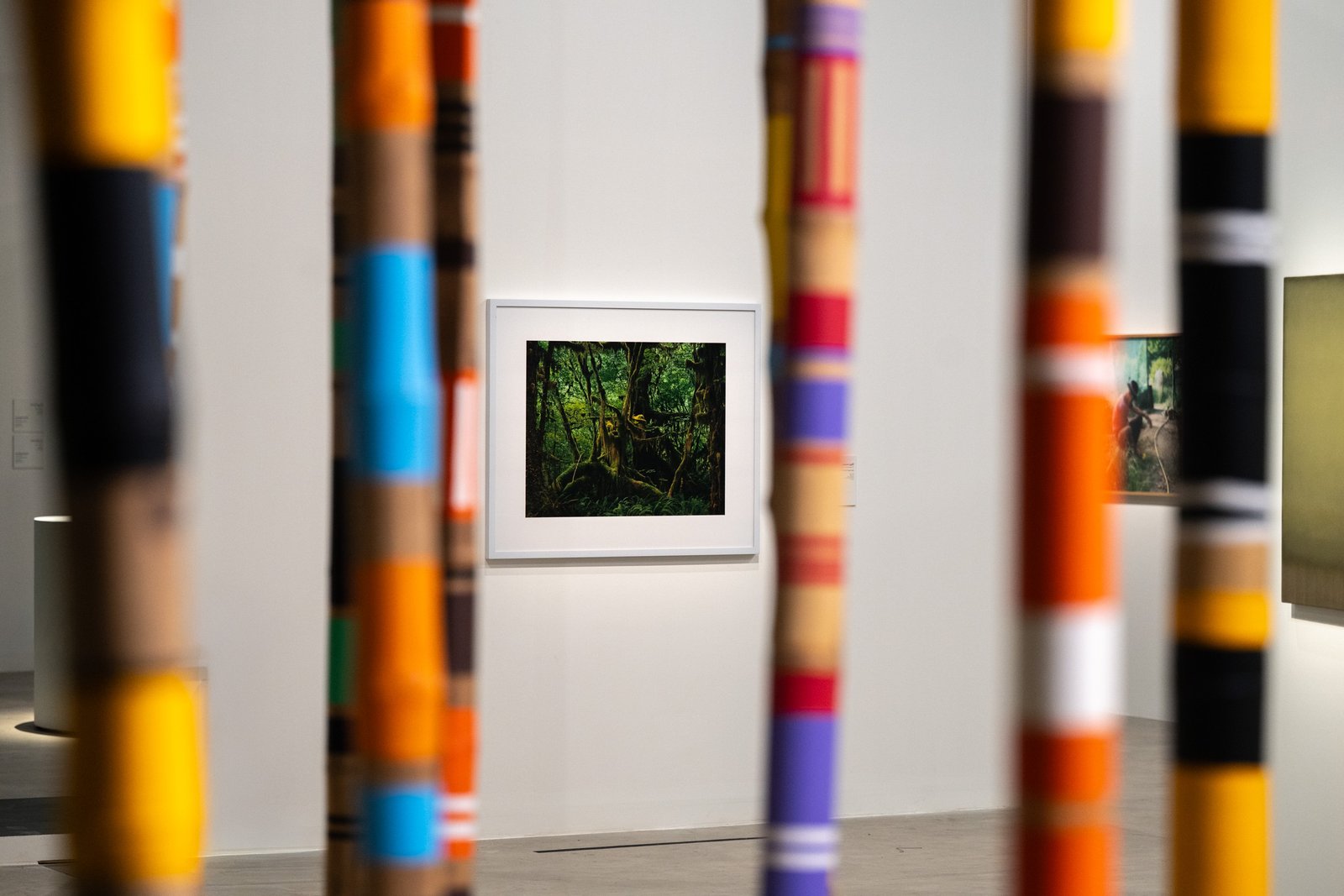
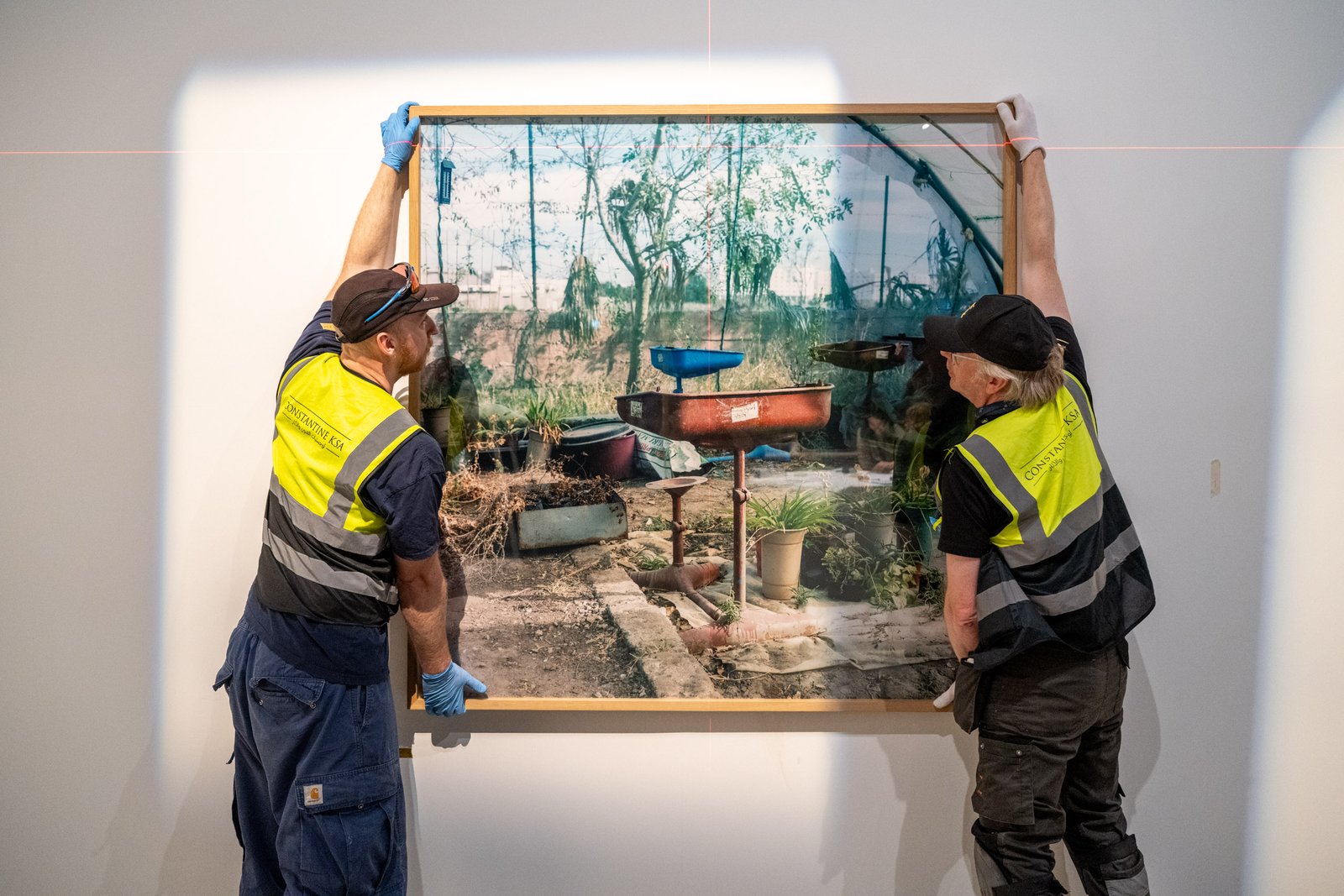
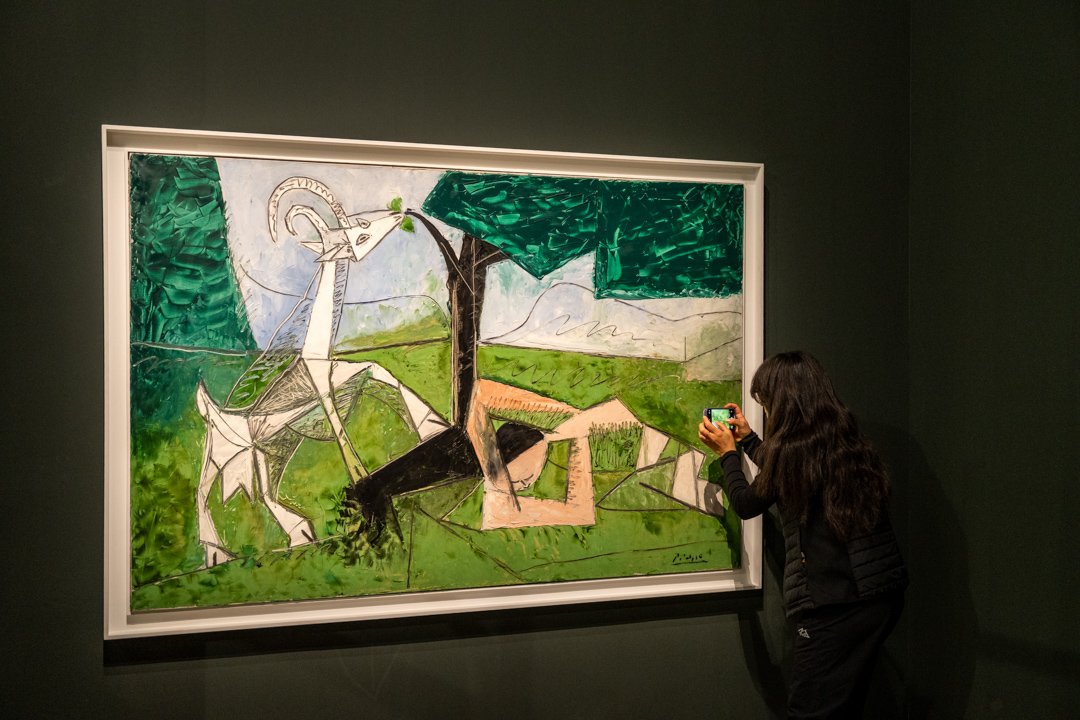
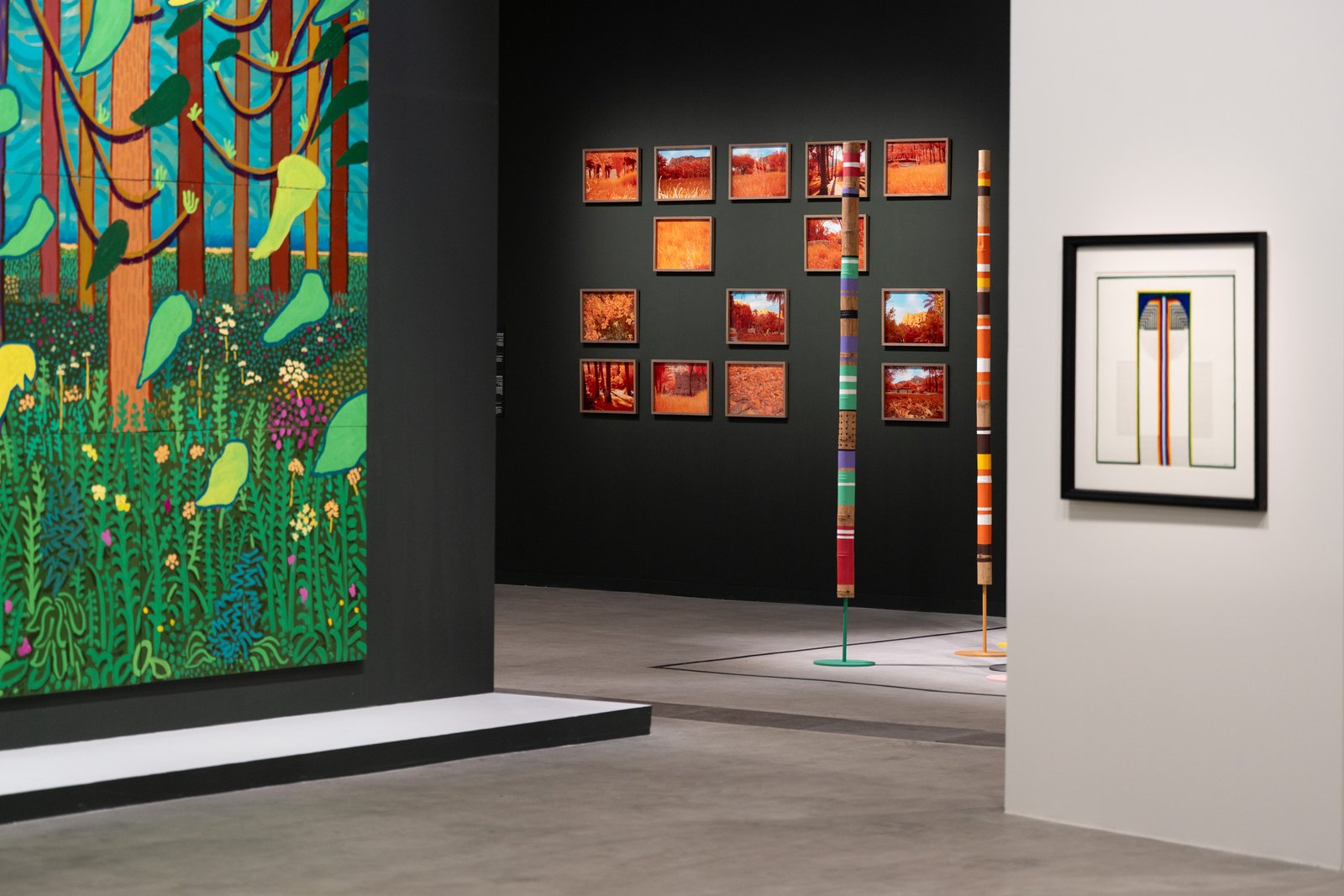
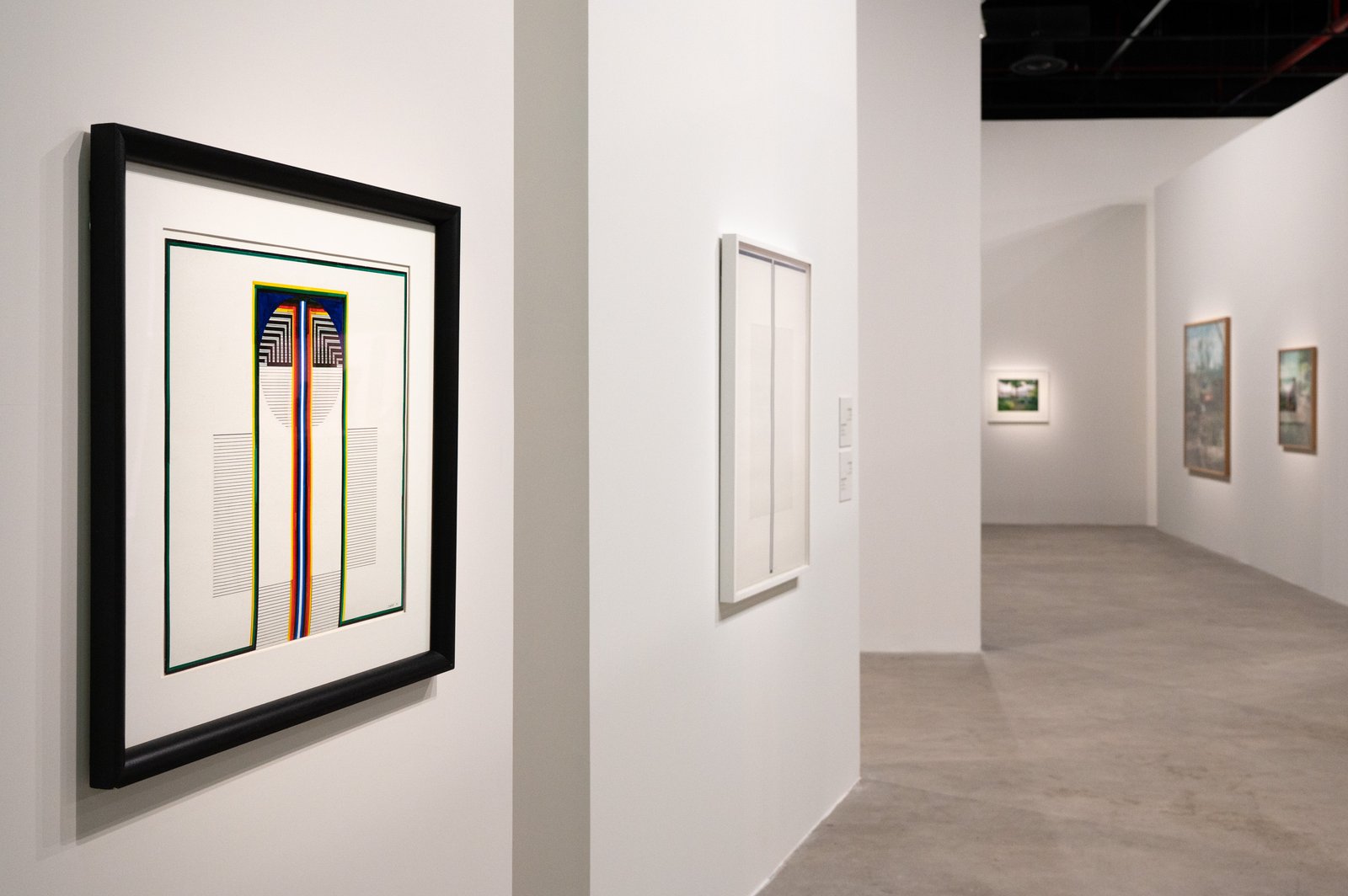
Installation and Artistic Detail - As the artworks arrived from around the world, the focus shifted to the installation process. Each piece demanded careful handling and precise placement, often under the supervision of curators from the Centre Pompidou and RCU’s cultural team. Photographing these moments required sensitivity—respecting the  creative process while documenting the craftsmanship and coordination behind the scenes. Close-up compositions highlighted the textures, materials, and conceptual depth of the artworks, while wider frames captured the dialogue between art and architecture.

Reflections on a Cultural Milestone - Documenting the Arduna Exhibition was more than an assignment—it was an immersion into a moment of cultural transformation. The collaboration between the Royal Commission for AlUla and the Centre Pompidou demonstrated how art can bridge geographies and generations, creating new narratives rooted in place and shared creativity.From the first foundations to the final applause, the project revealed the power of visual storytelling to preserve the spirit of an event that will shape AlUla’s artistic legacy for years to come.

Read More
Nick Jackson
July 3, 2026
Planning a day in AlUla, Saudi Arabia, as a photographer

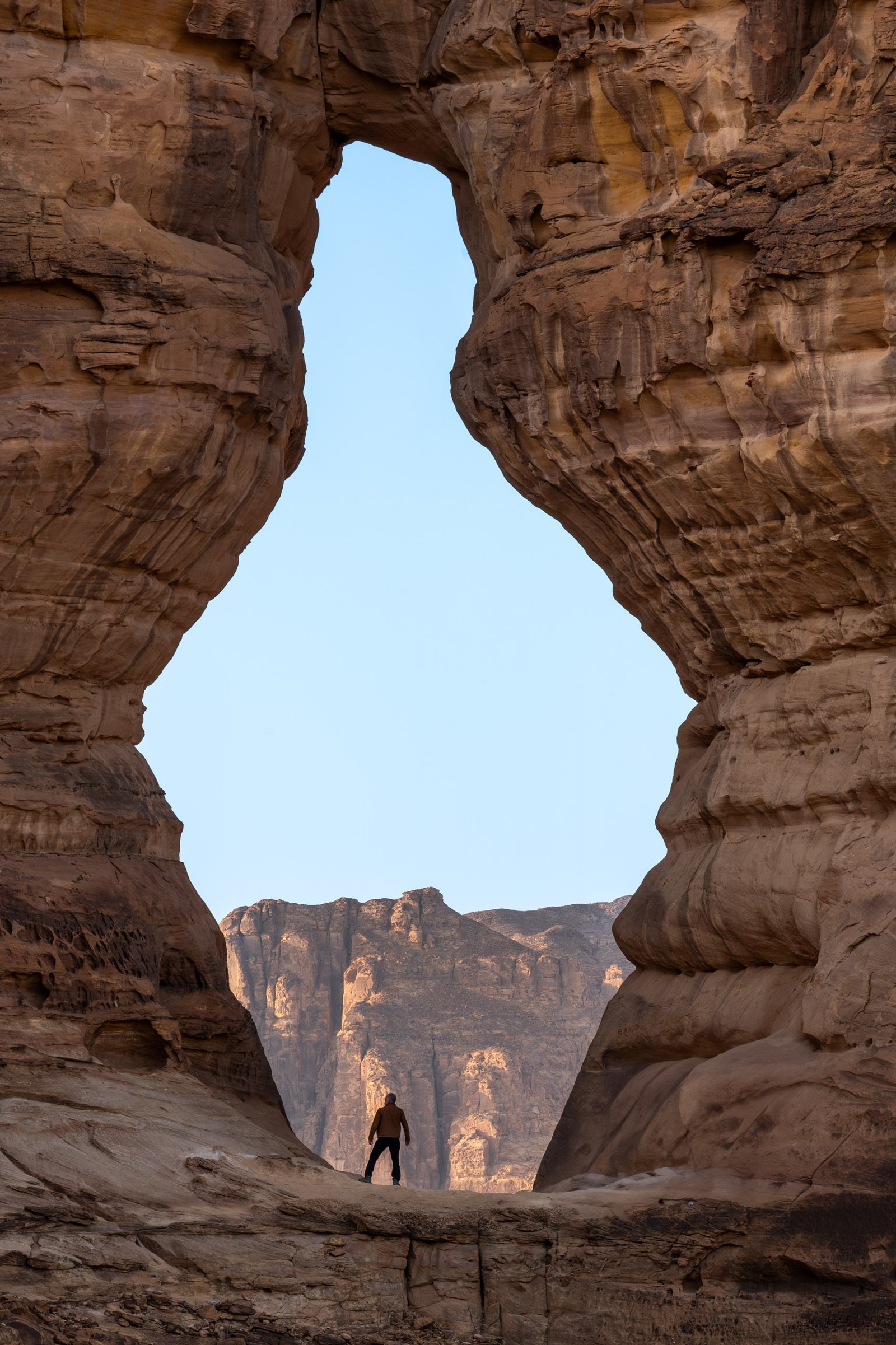
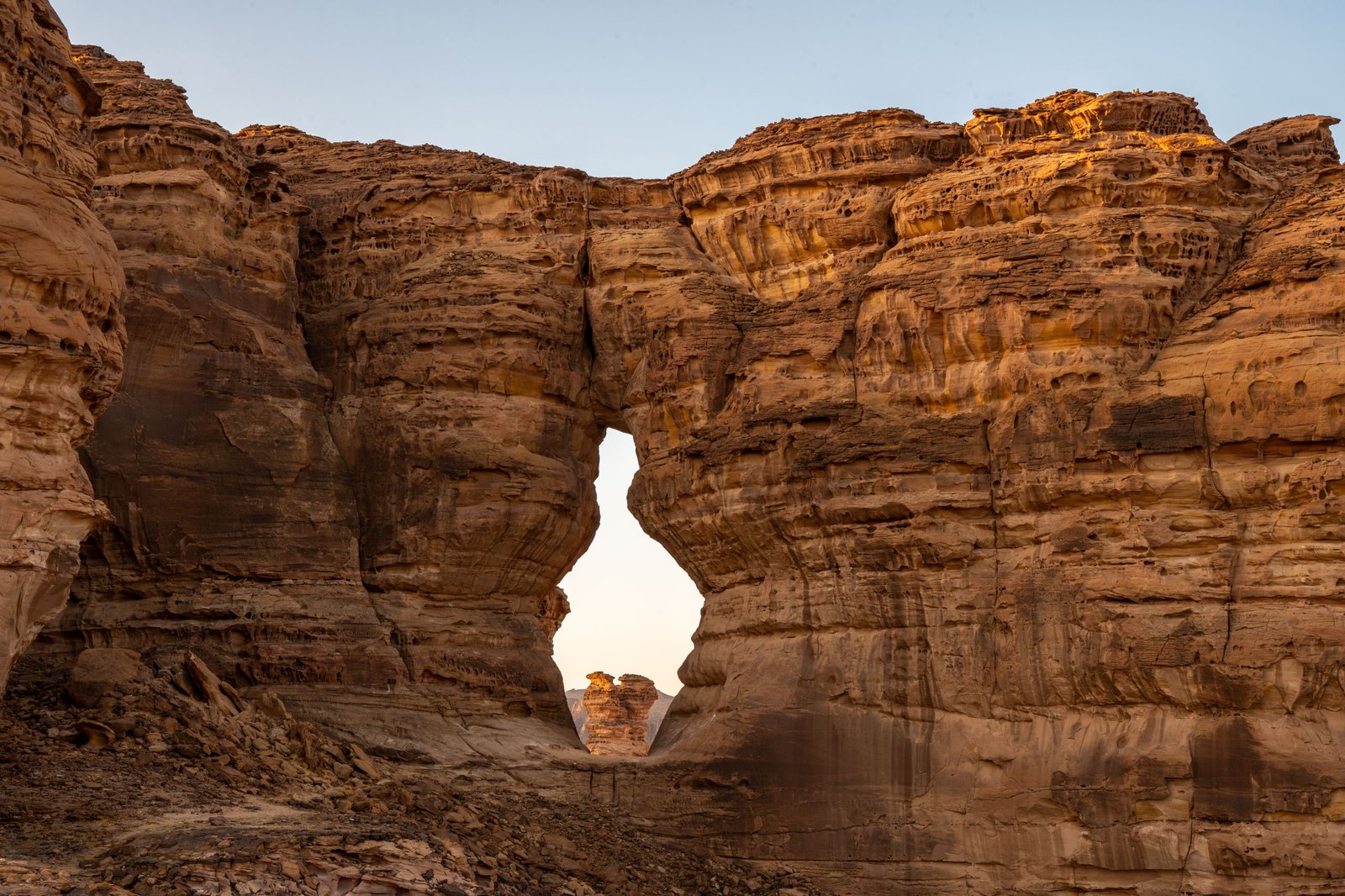
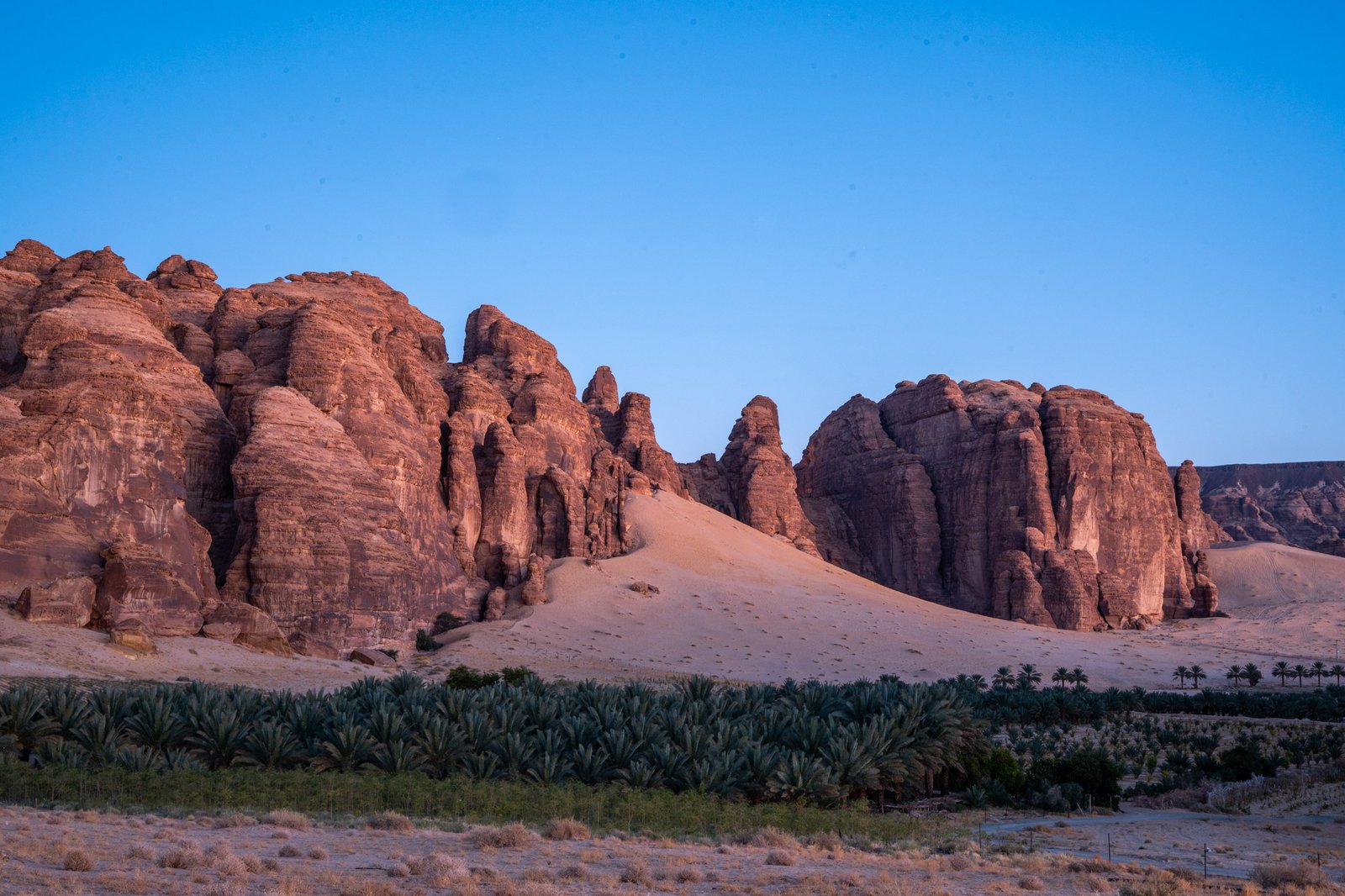
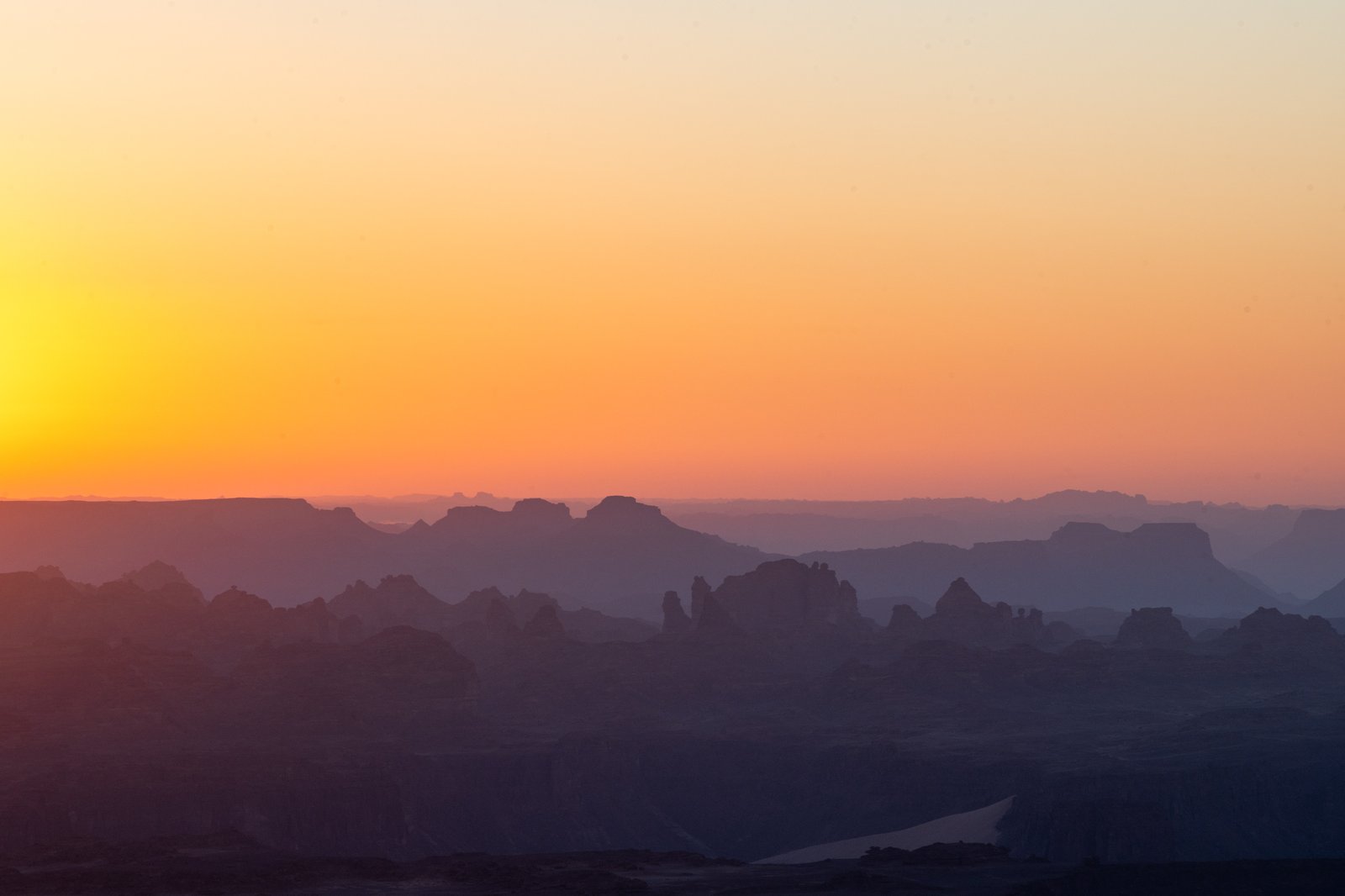
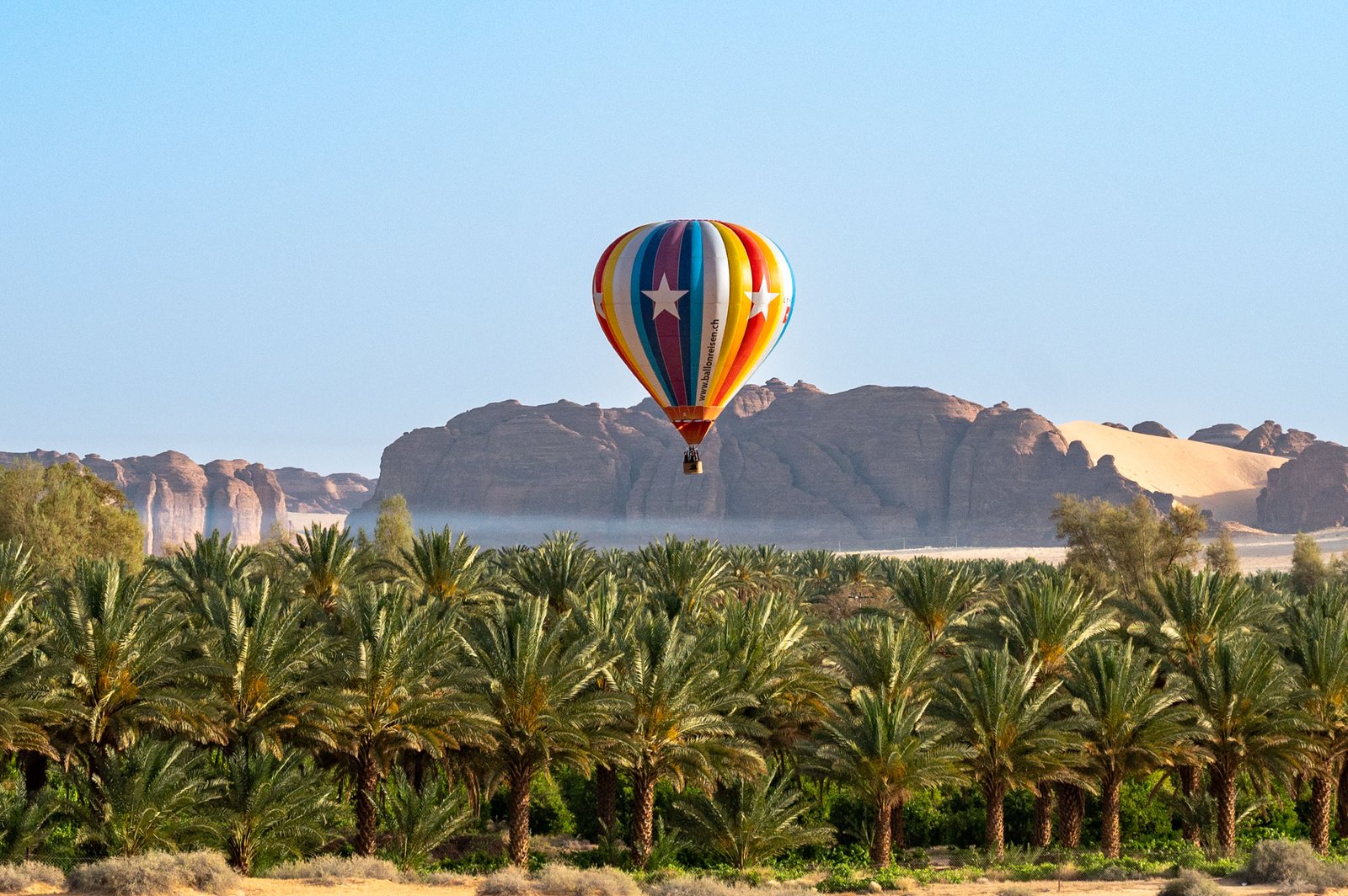
Sunrise: The Desert Awakens - The first light of day in AlUla transforms the desert into a painter’s palette of gold and rose. Sunrise sessions are best spent among the sandstone canyons and dunes that surround the valley.

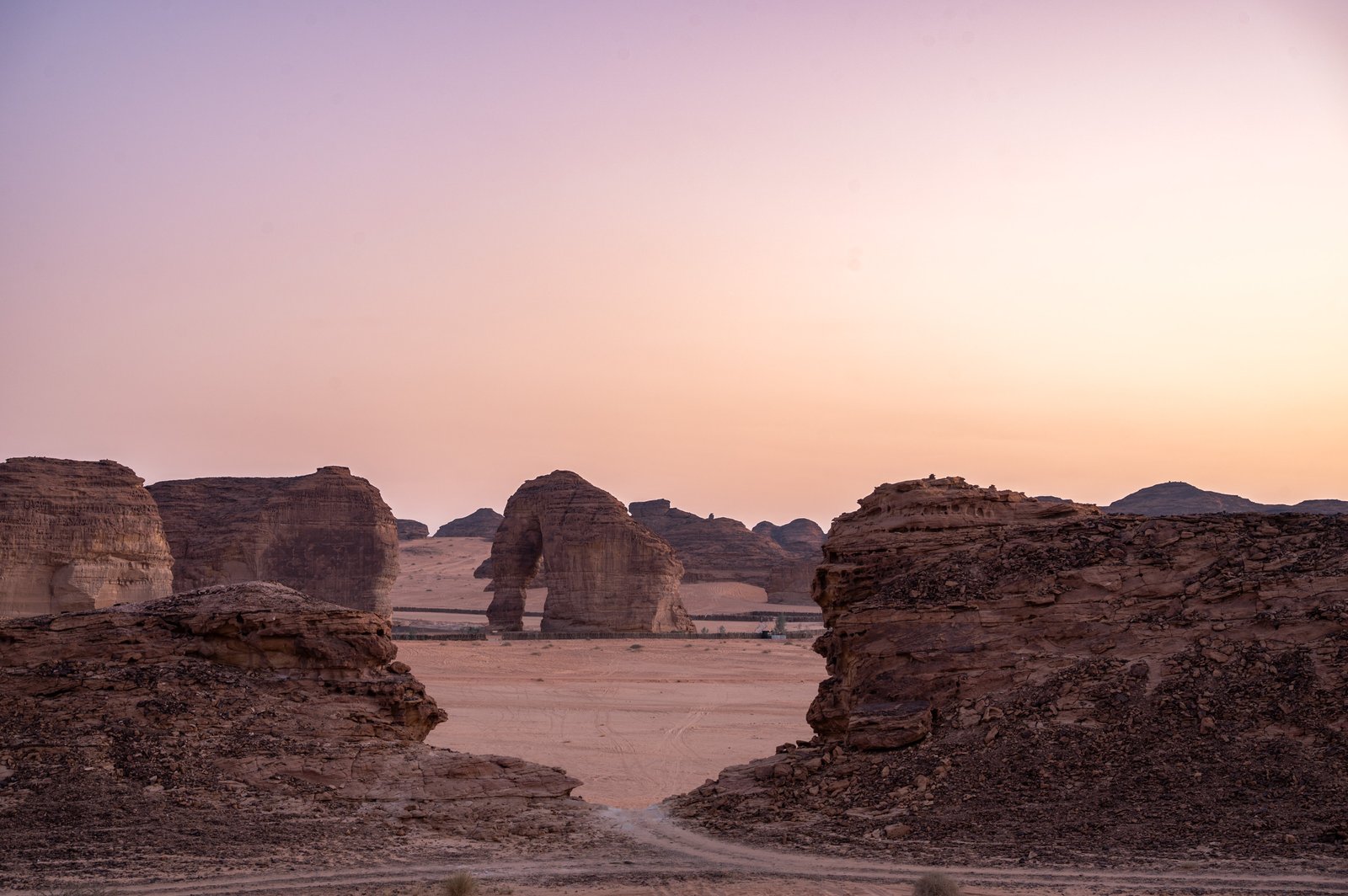
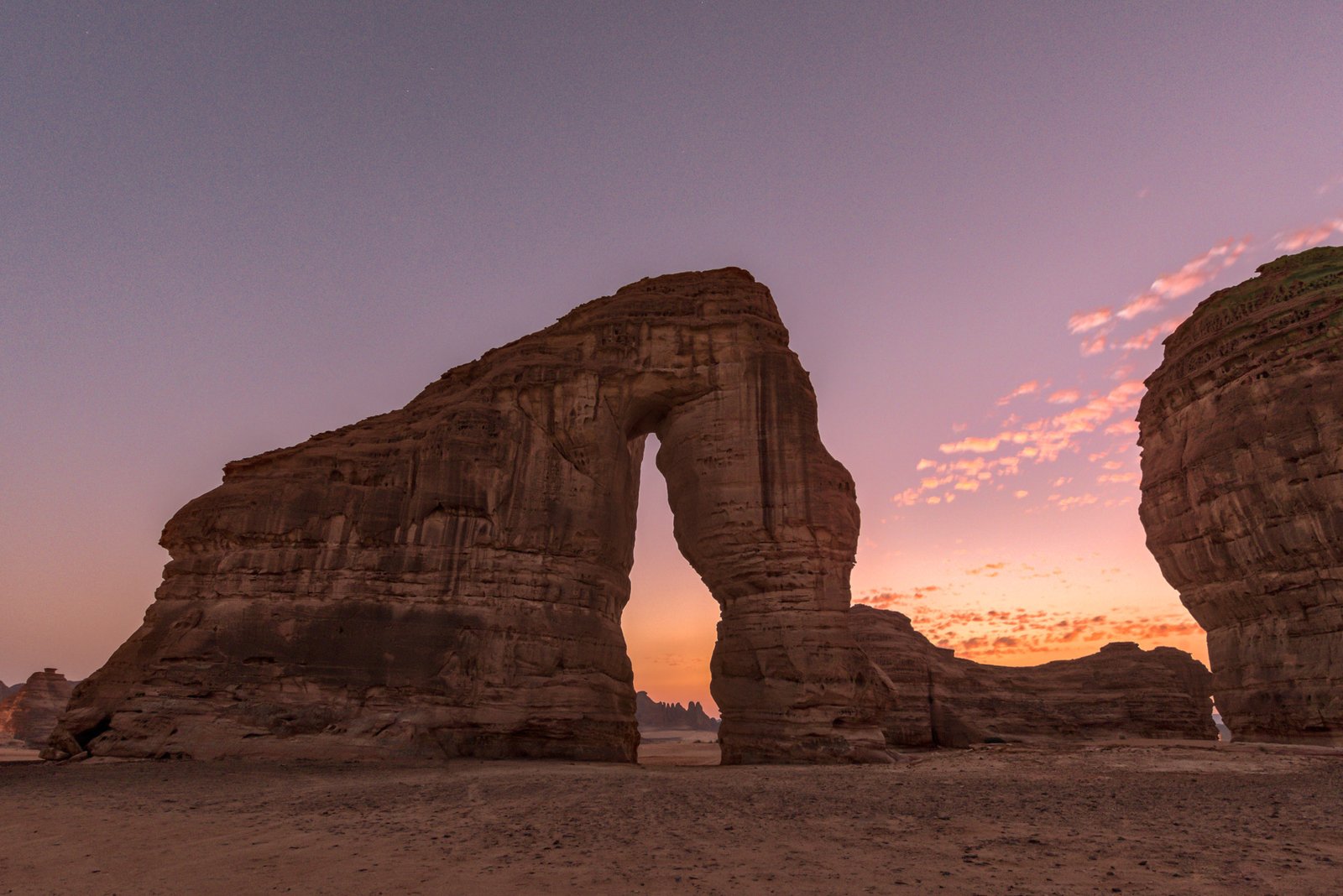
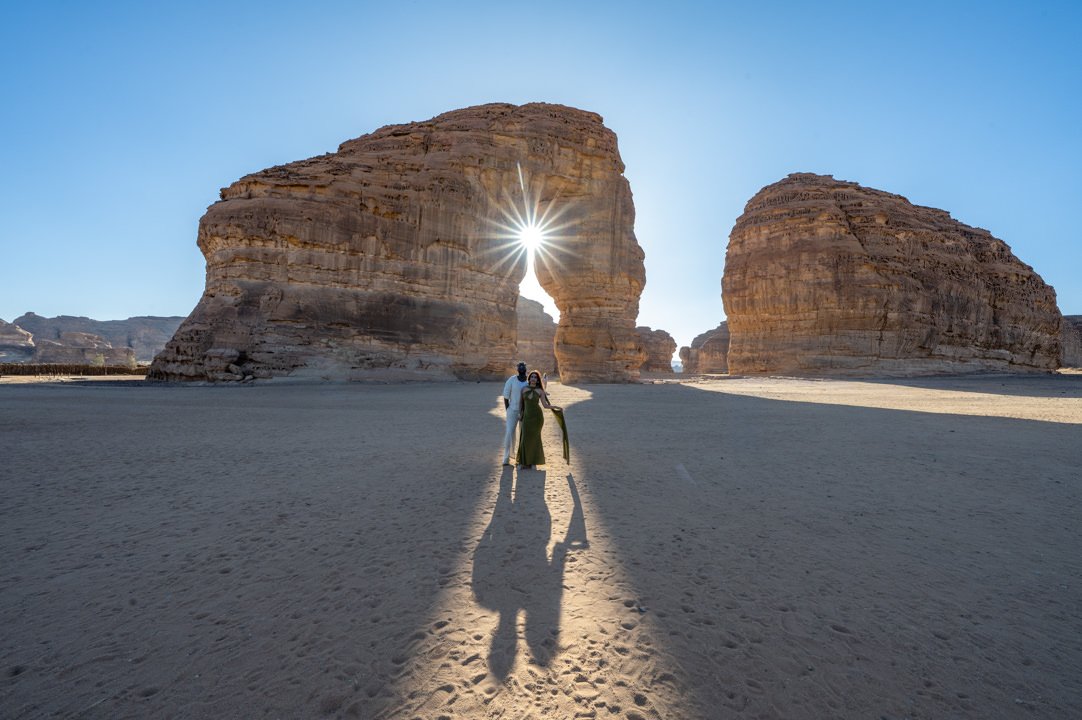
Elephant Rock (Jabal AlFil) & Jar Rock: One of AlUla’s most iconic landmarks, this natural rock formation resembles a giant elephant standing guard over the desert. Arriving before dawn allows for soft, diffused light that highlights the rock’s texture and the surrounding sand’s subtle gradients.

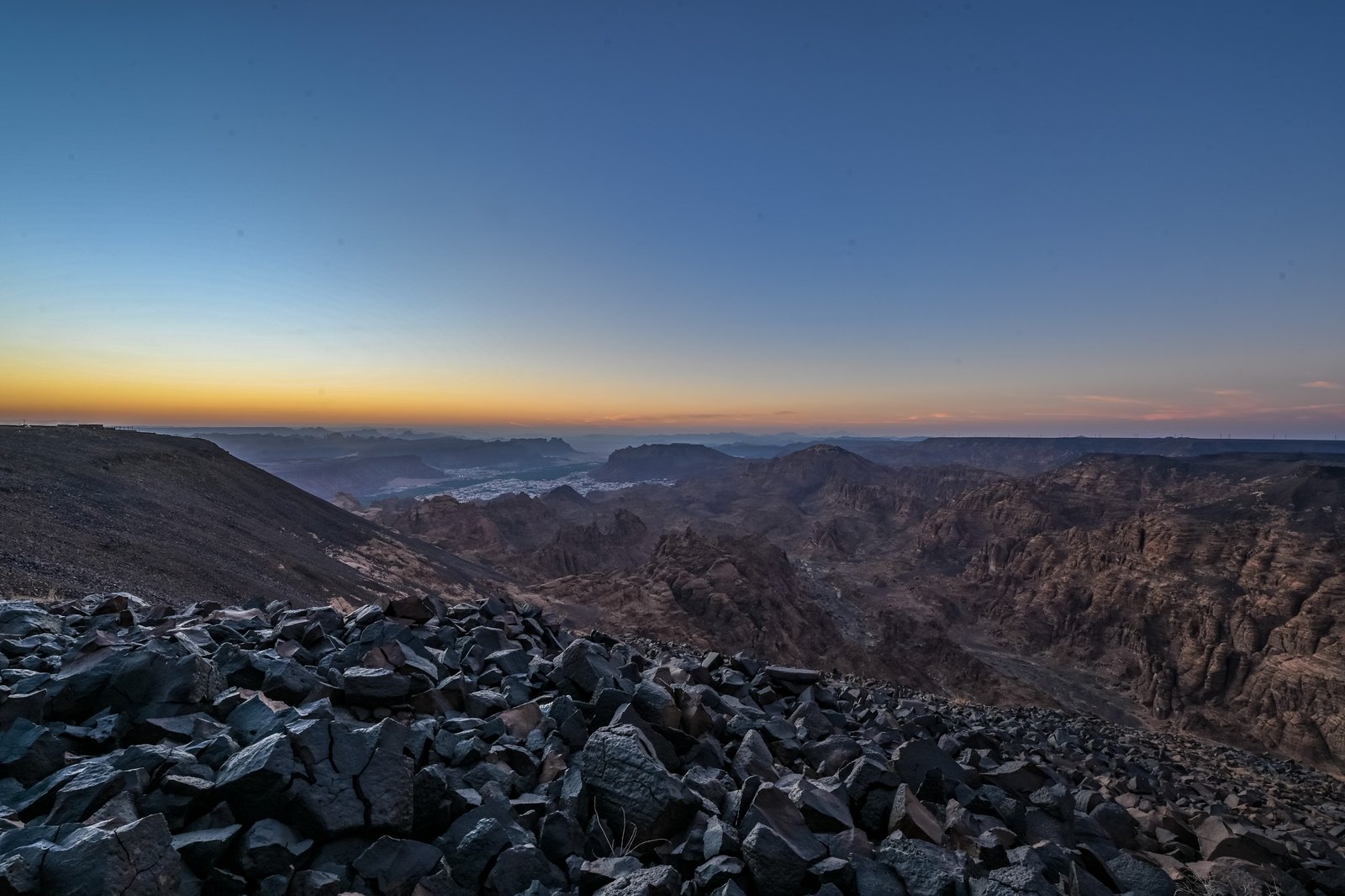
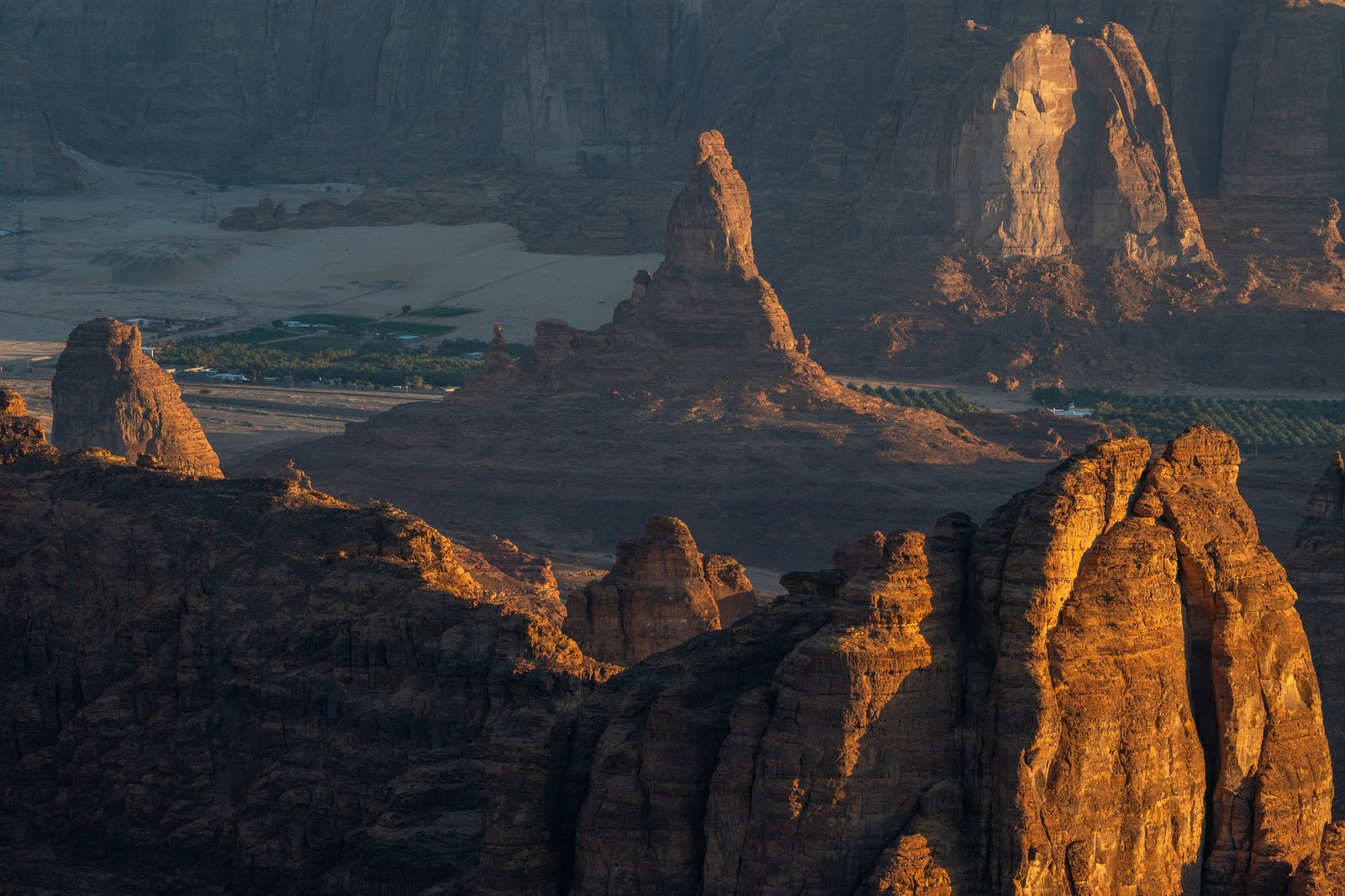
Harrat Viewpoint: A volcanic sea of black basalt overlooking the city of AlUla, it is often photographed at sunset. However, the early morning light is perfect for illuminating huge monoliths in the foreground with bright orange colours, while the background of desert and mountains slowly warms up behind.

Midday: Exploring Culture and Heritage - As the sun climbs higher, the focus shifts from landscapes to the cultural heart of AlUla. The midday light, though harsh for landscapes, works beautifully for architectural and documentary photography.

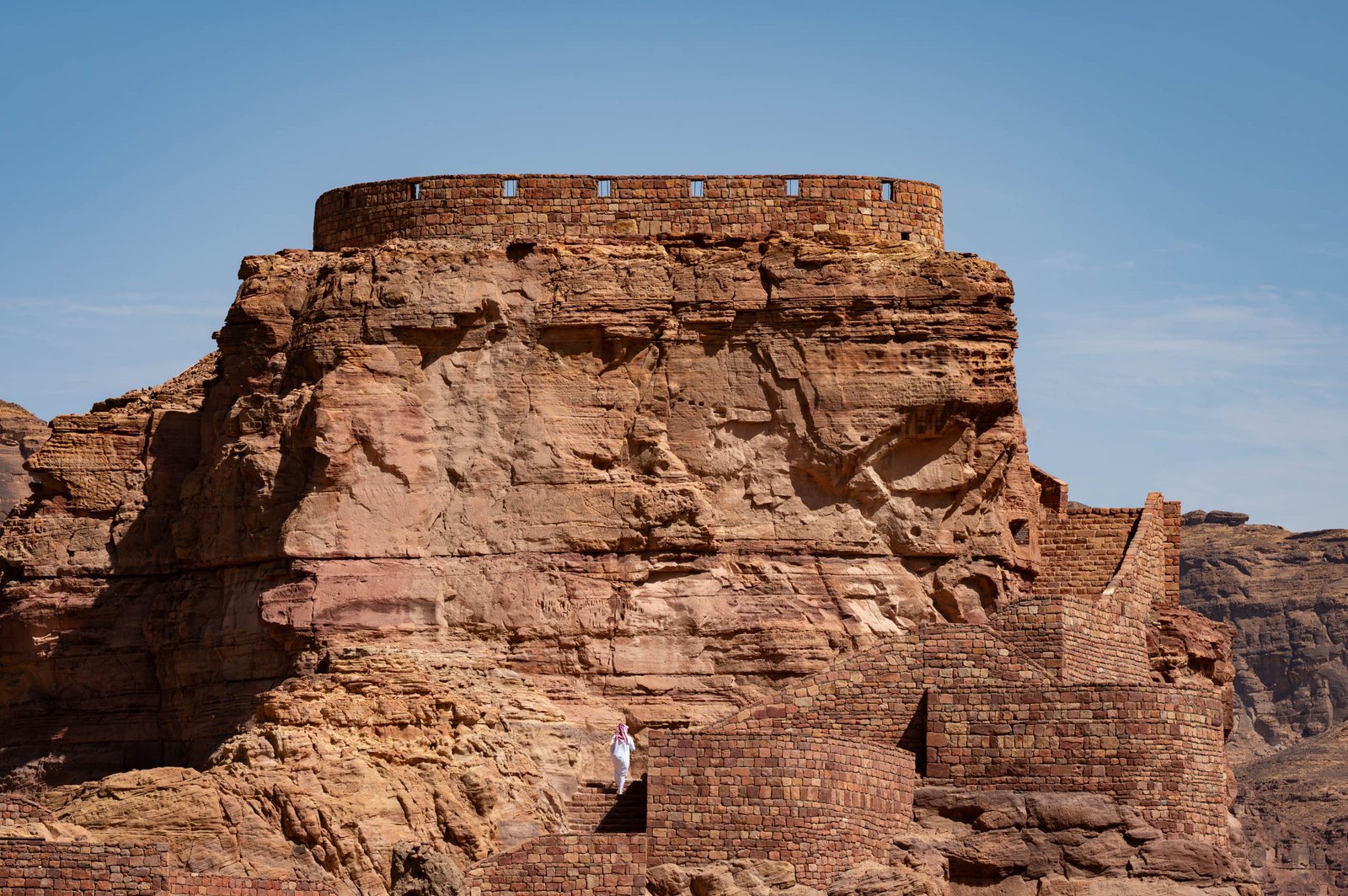
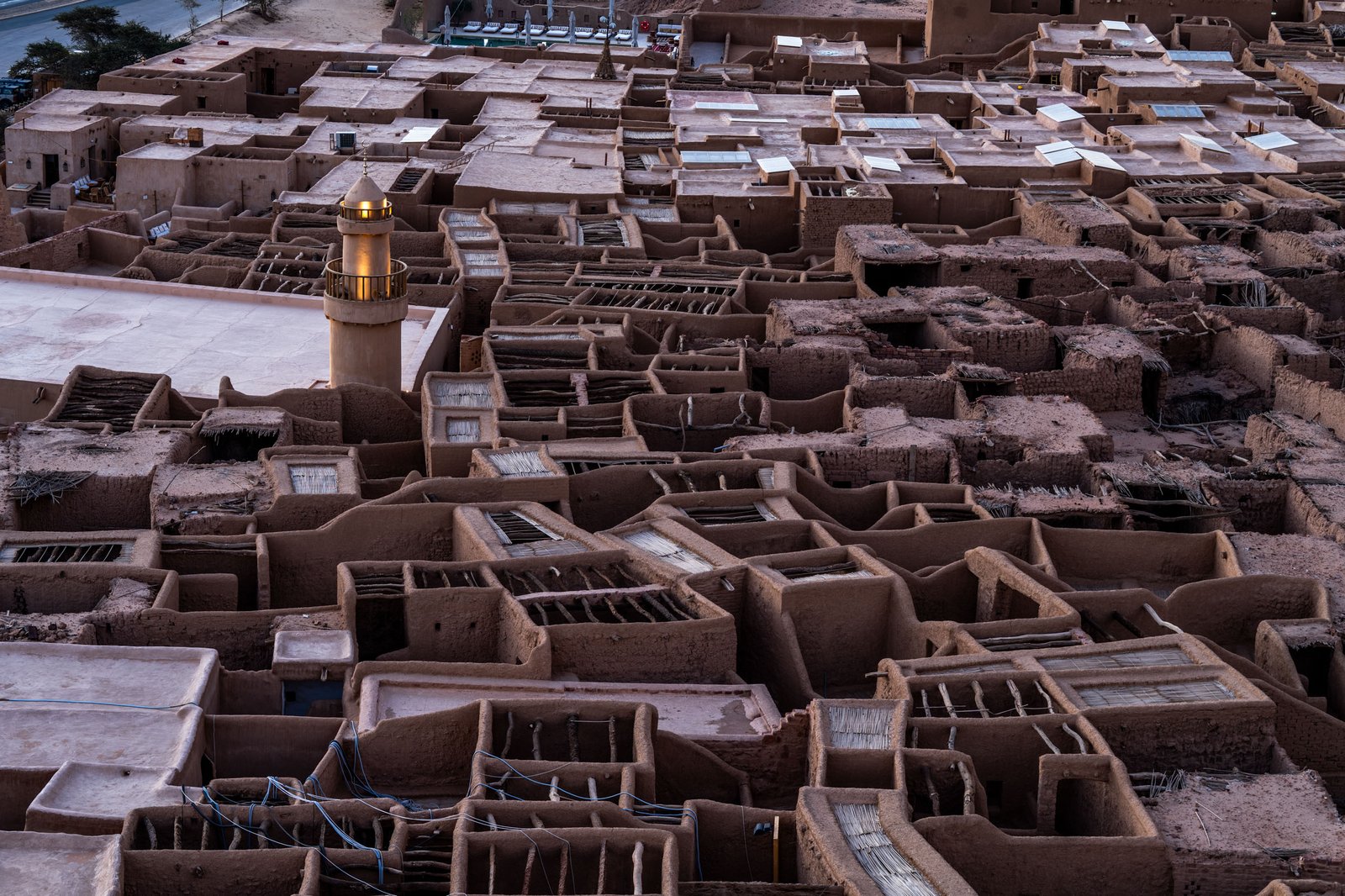
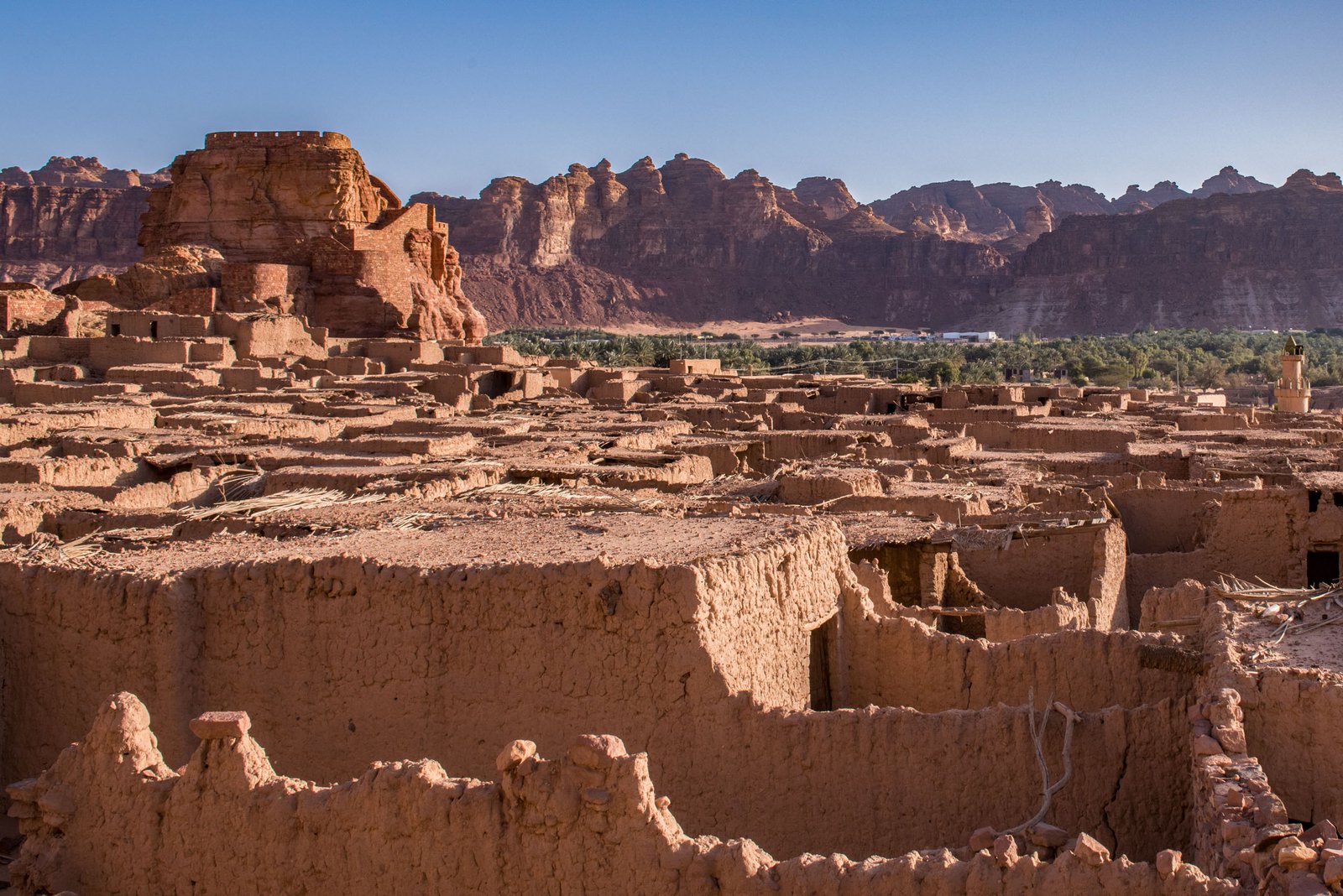
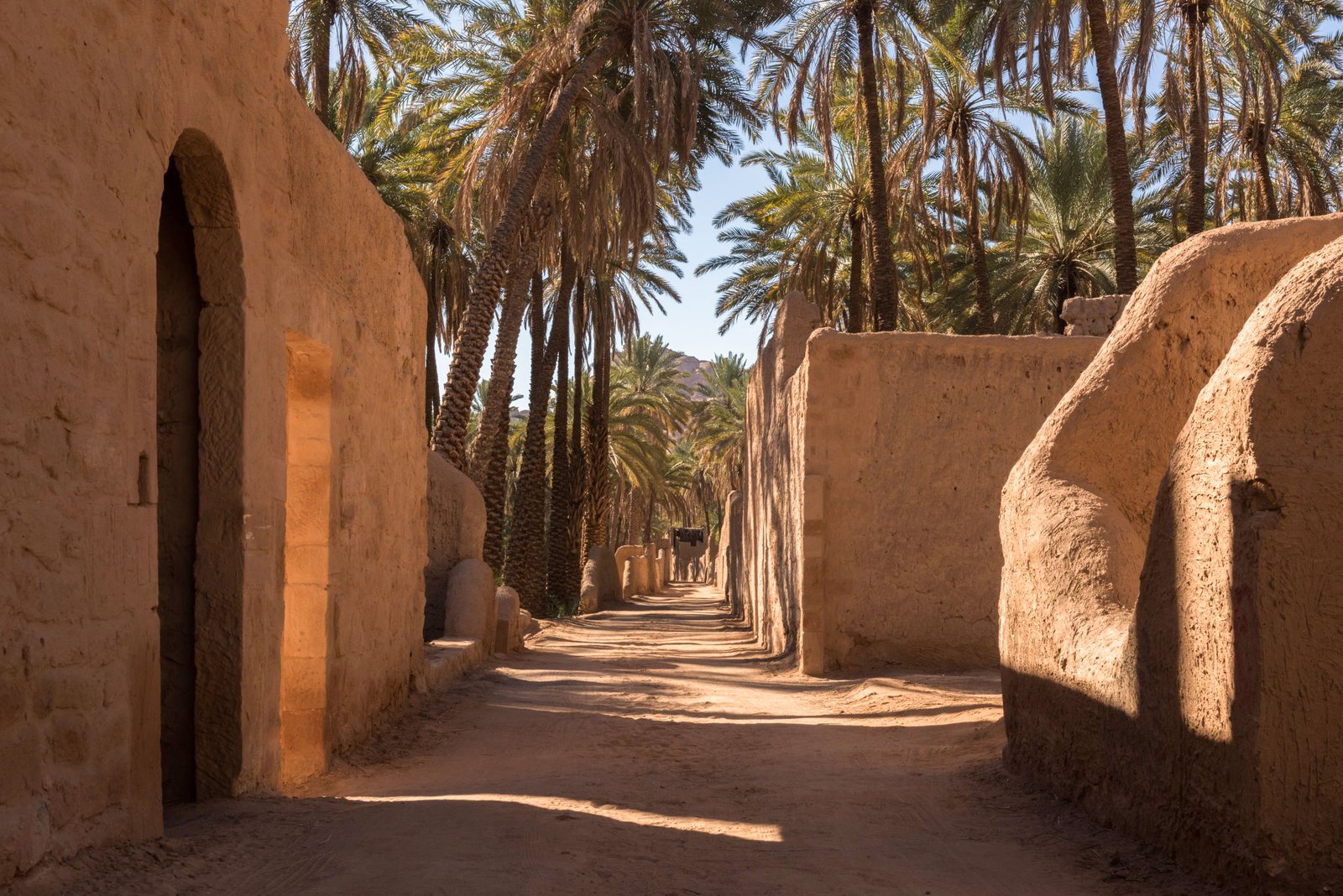
Old Town AlUla: A labyrinth of mudbrick houses and narrow alleys that once formed the bustling centre of the oasis. The interplay of light and shadow in the old streets offers endless opportunities for storytelling and texture-rich imagery.

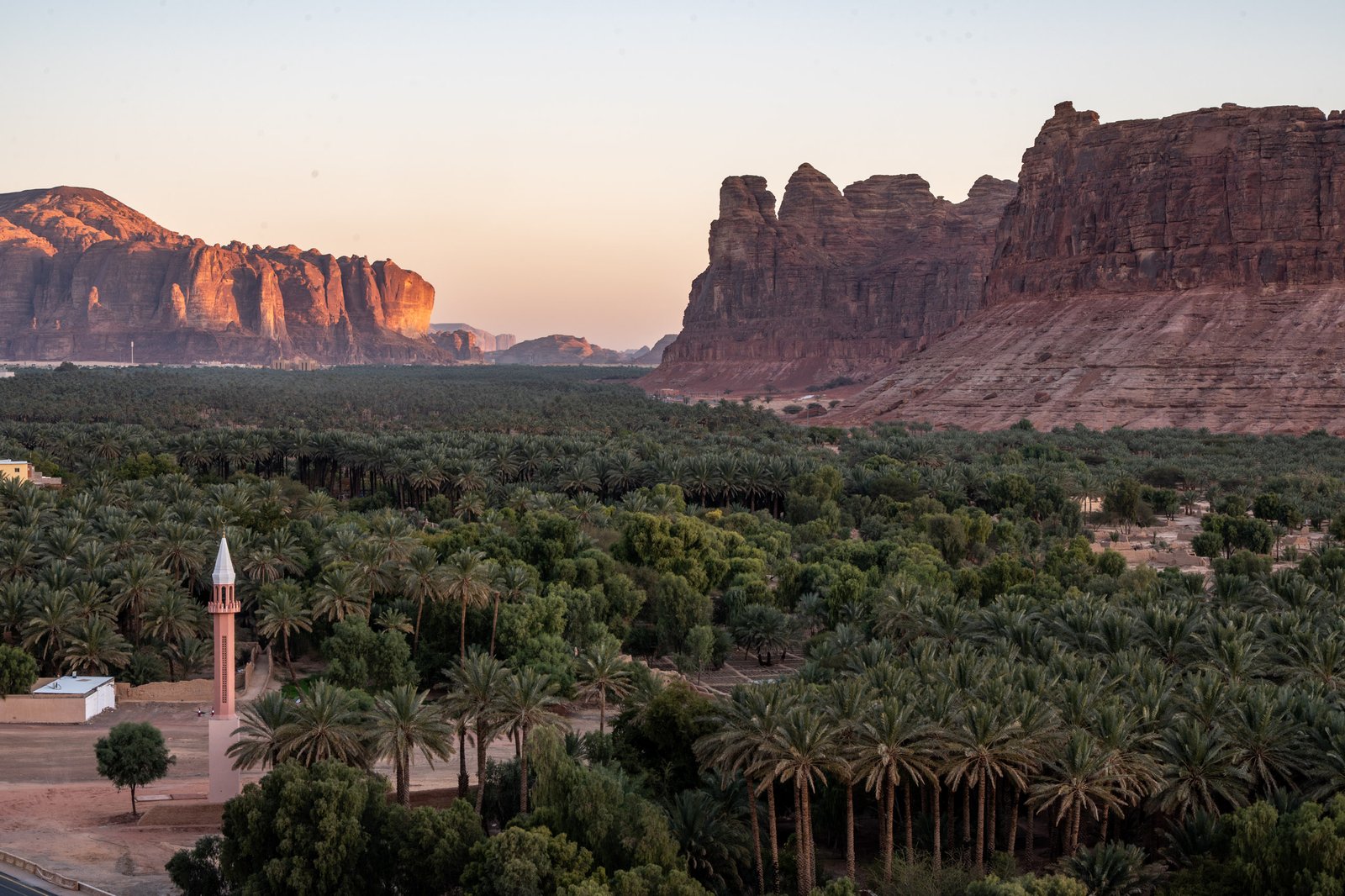
AlUla Oasis: A lush corridor of palm groves and farms that contrasts vividly with the surrounding desert. The green canopy, irrigation channels, and traditional farming scenes provide a glimpse into the region’s living heritage.

Sunset: Golden Light and Reflections - As the day cools, AlUla’s landscapes come alive again under the warm glow of sunset. The golden hour here is long and luminous, perfect for capturing the grandeur of the desert and its architectural marvels.

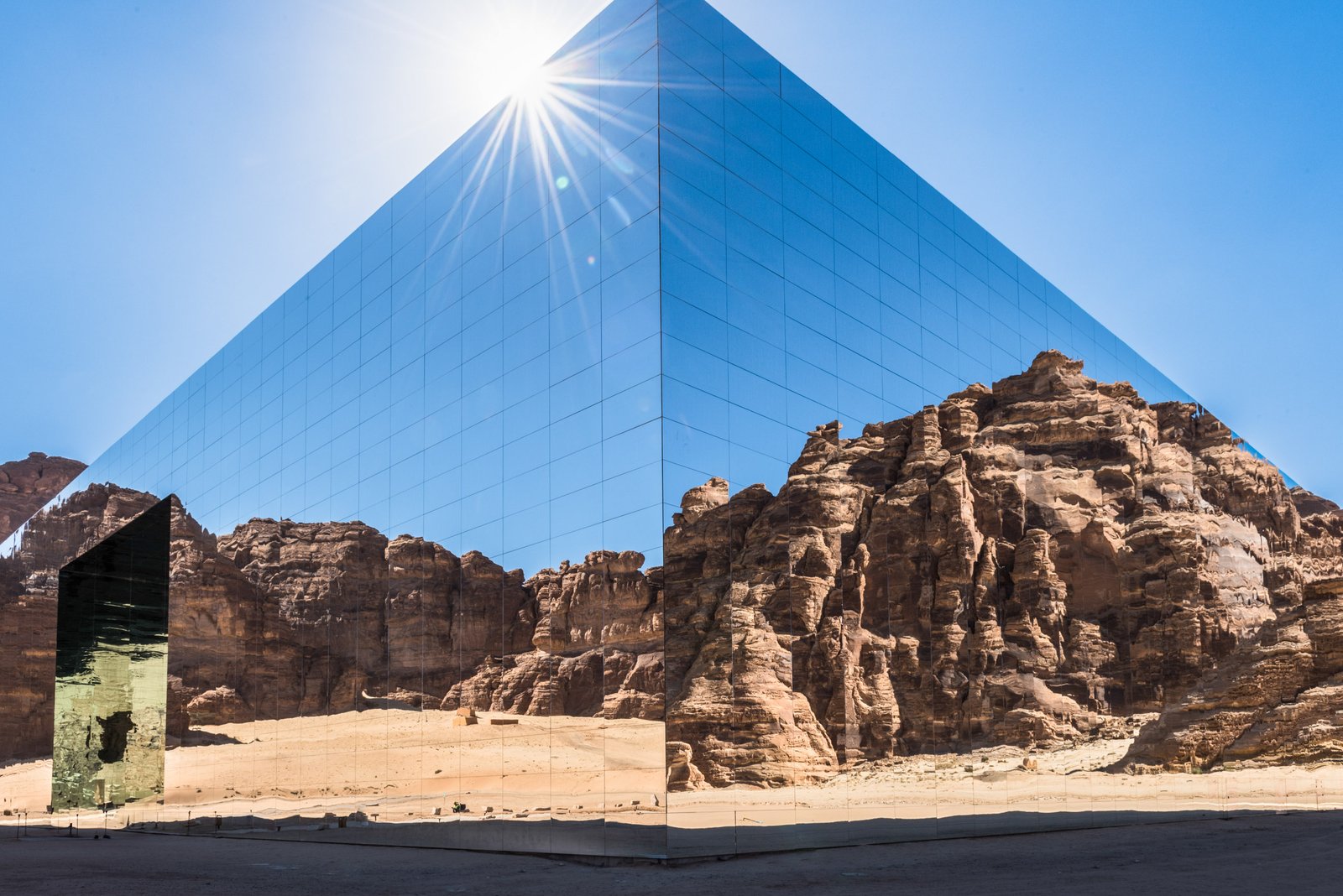
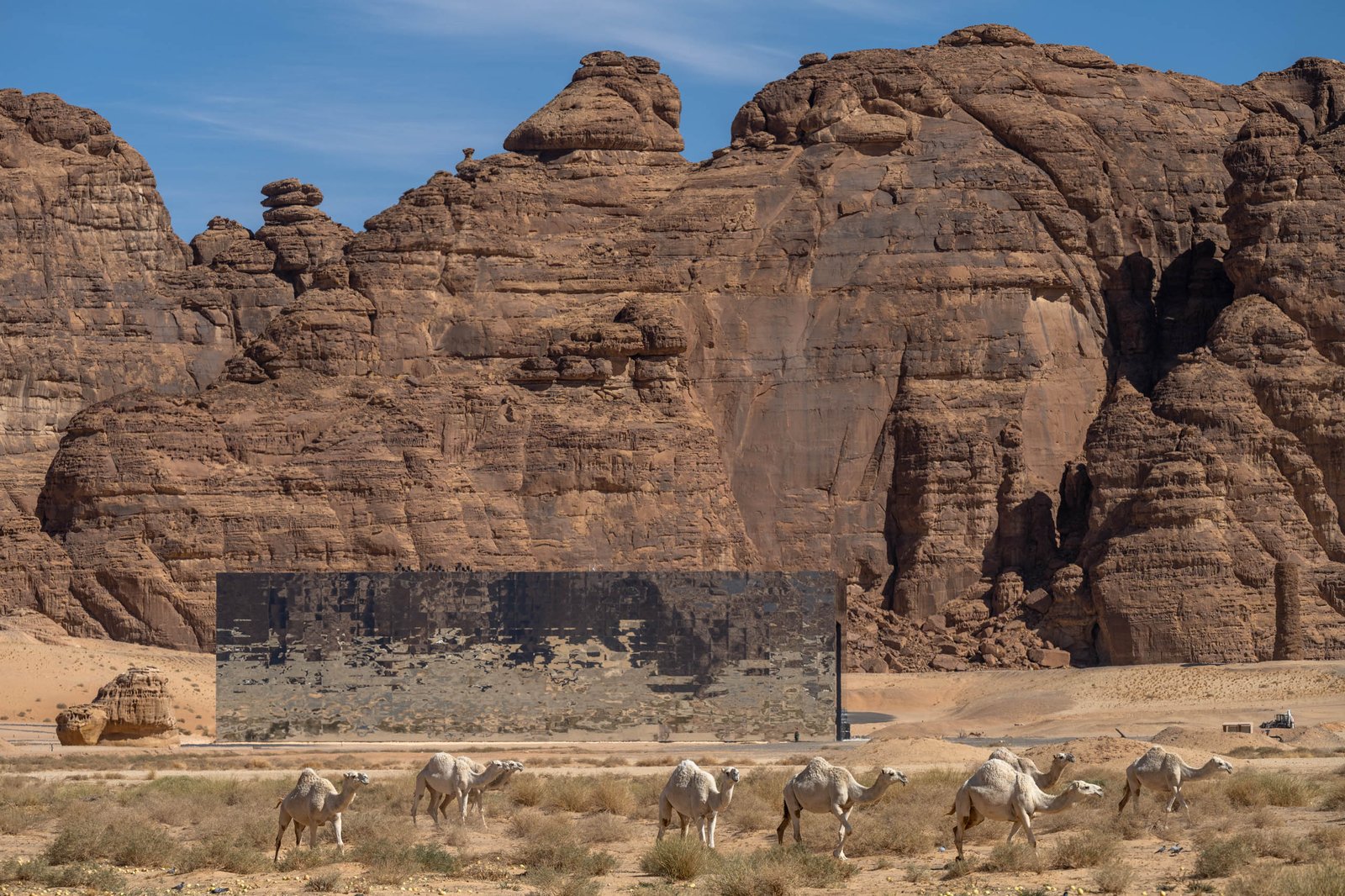
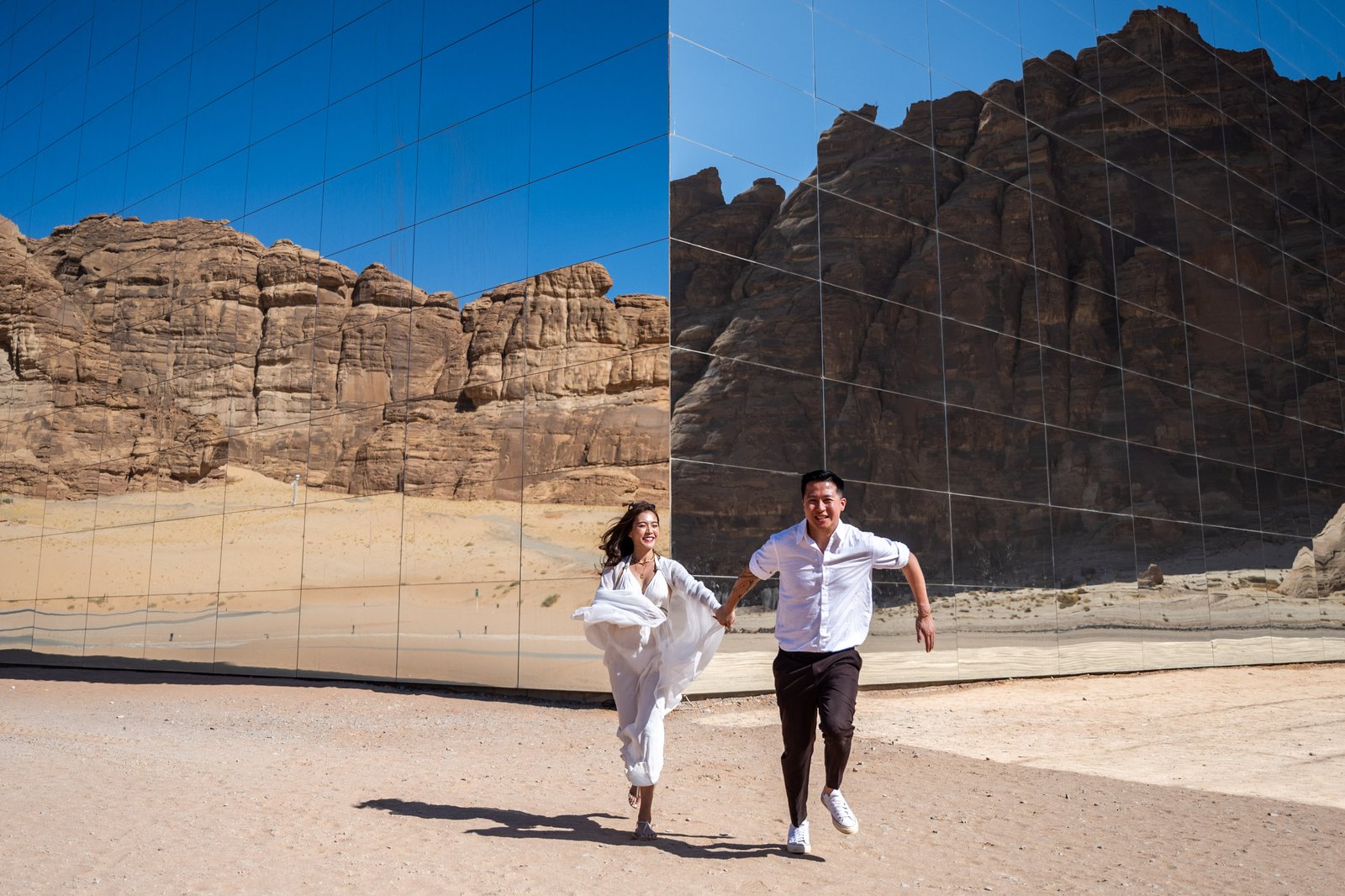
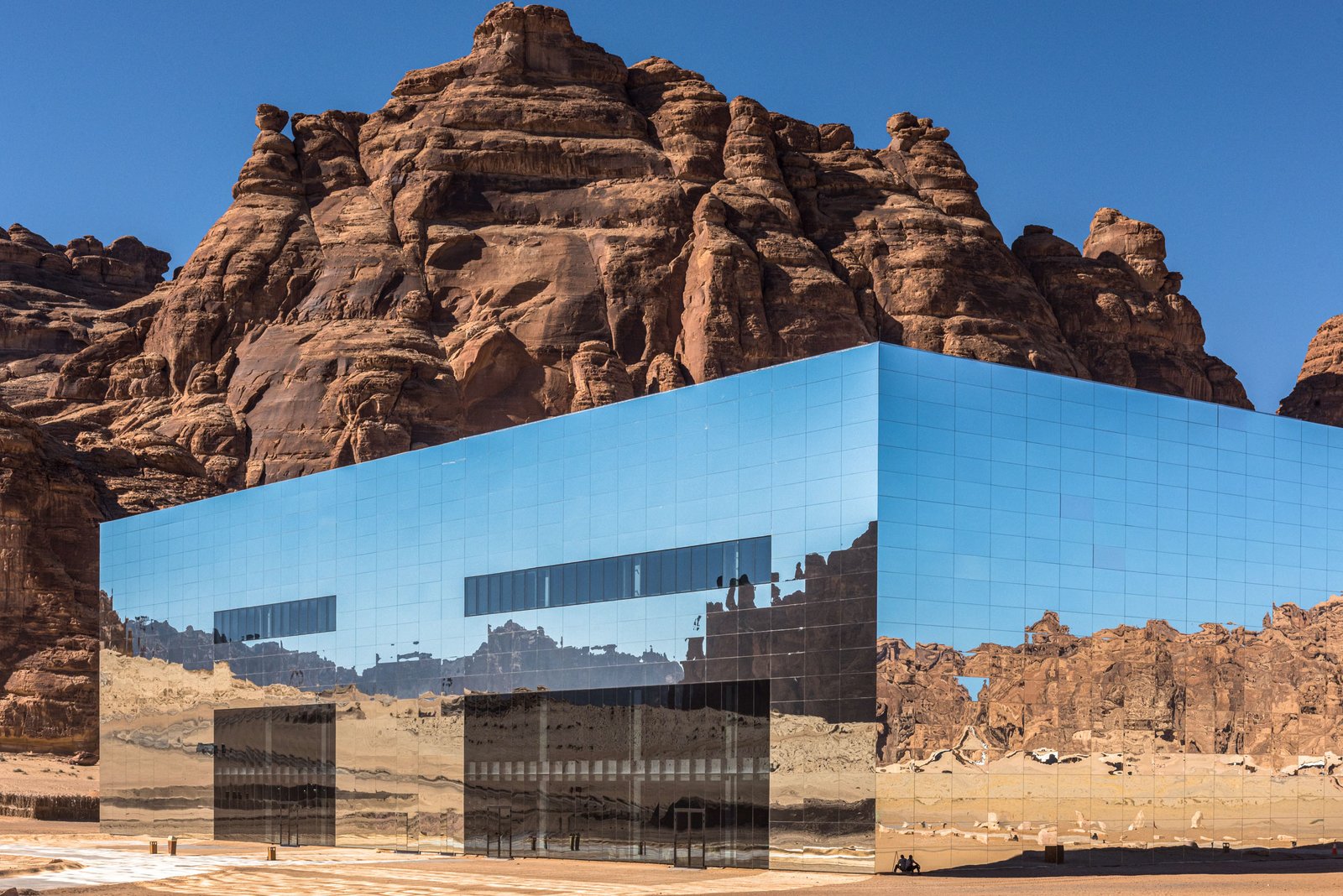
Maraya: The world’s largest mirrored building, Maraya reflects the surrounding sandstone cliffs in breathtaking symmetry. Sunset is the ideal time to photograph its mirrored façade as it catches the shifting colors of the sky and desert.

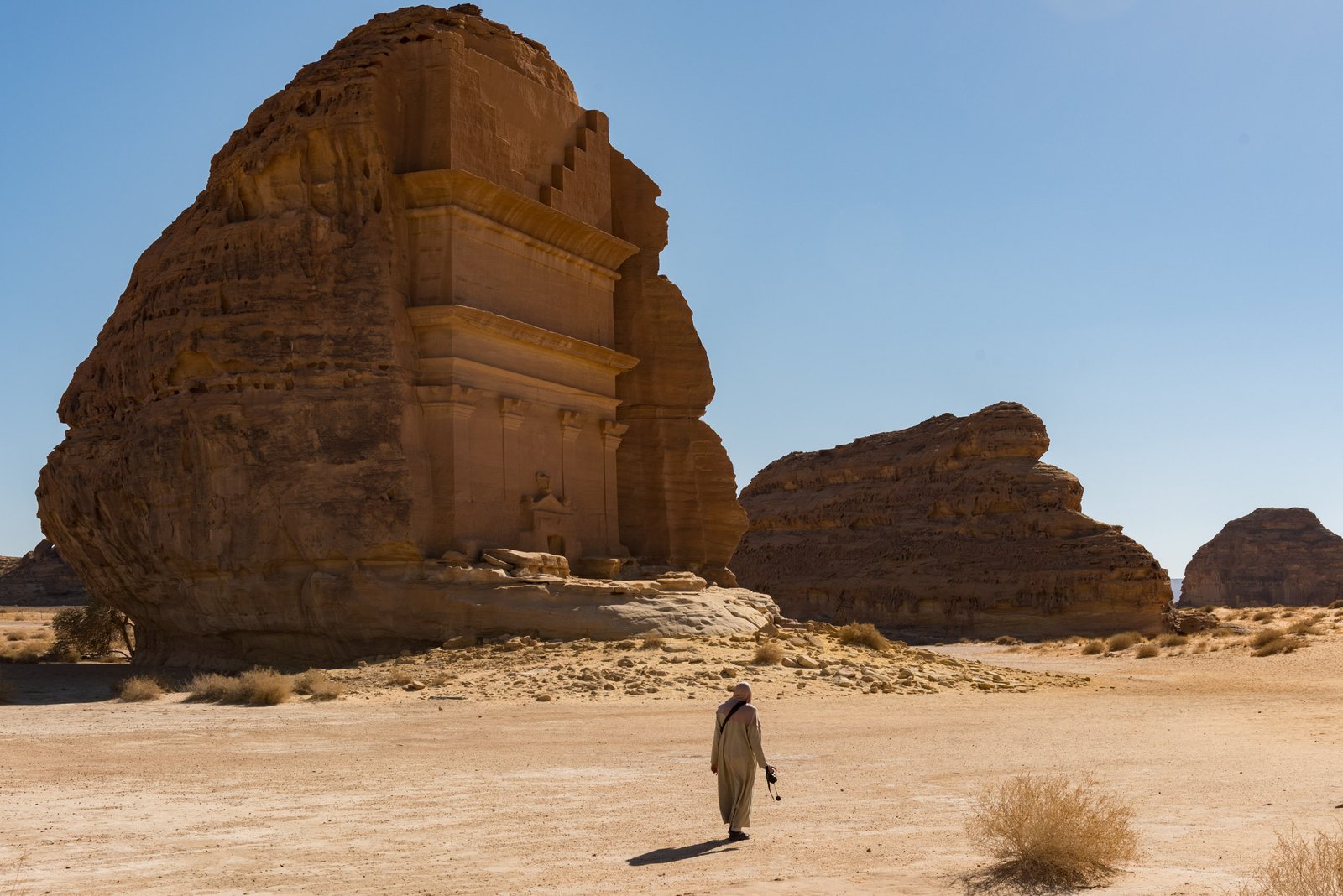
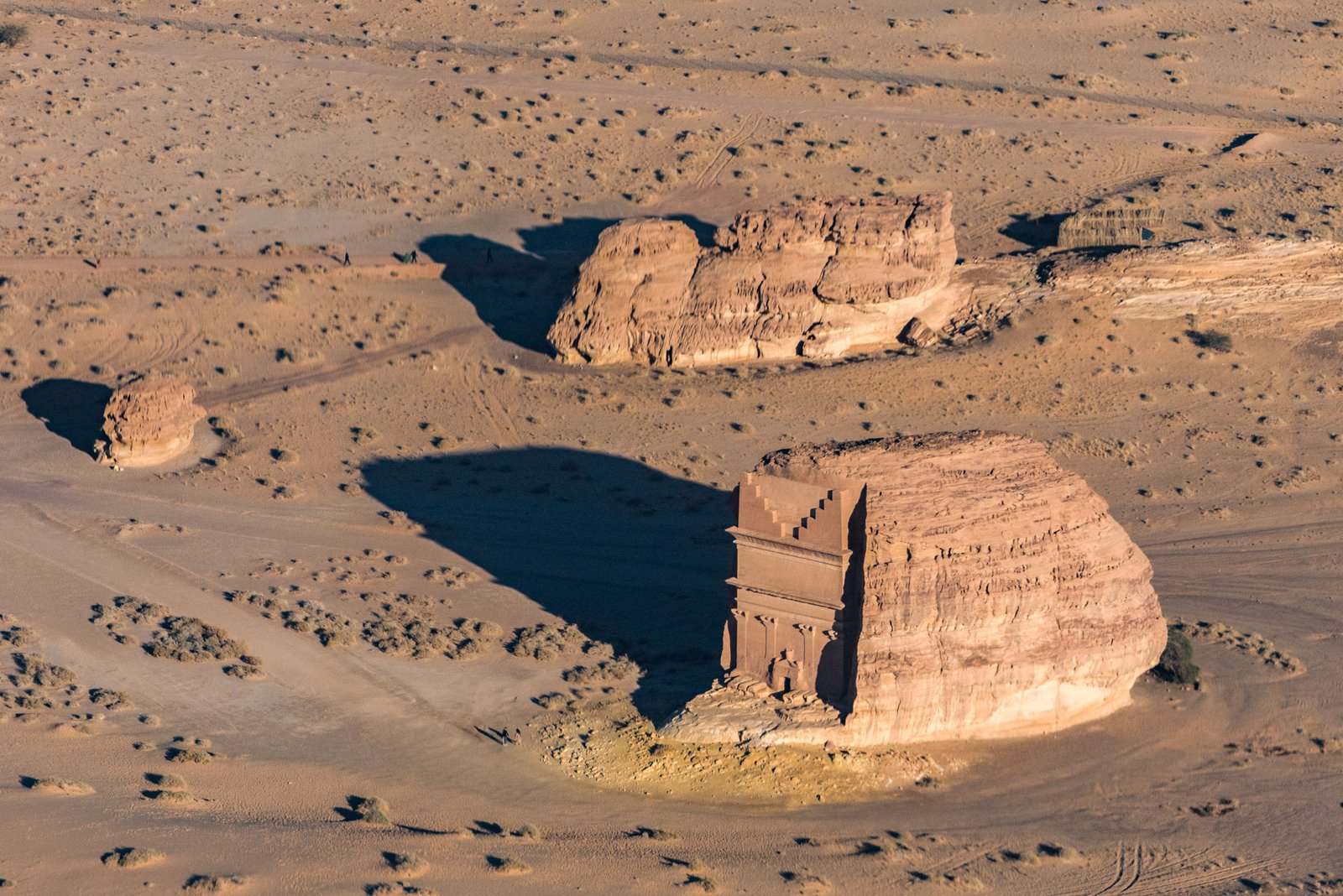
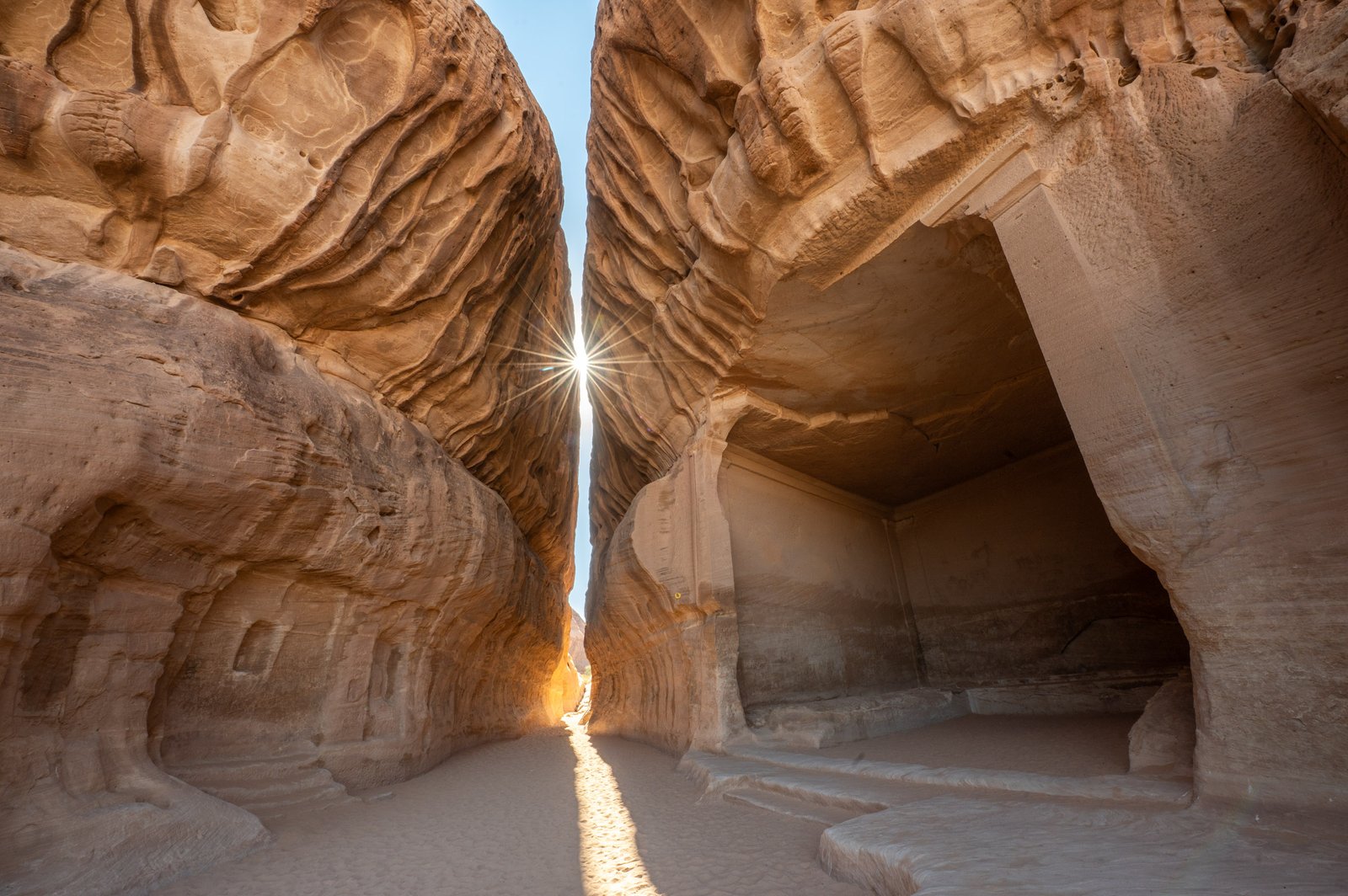
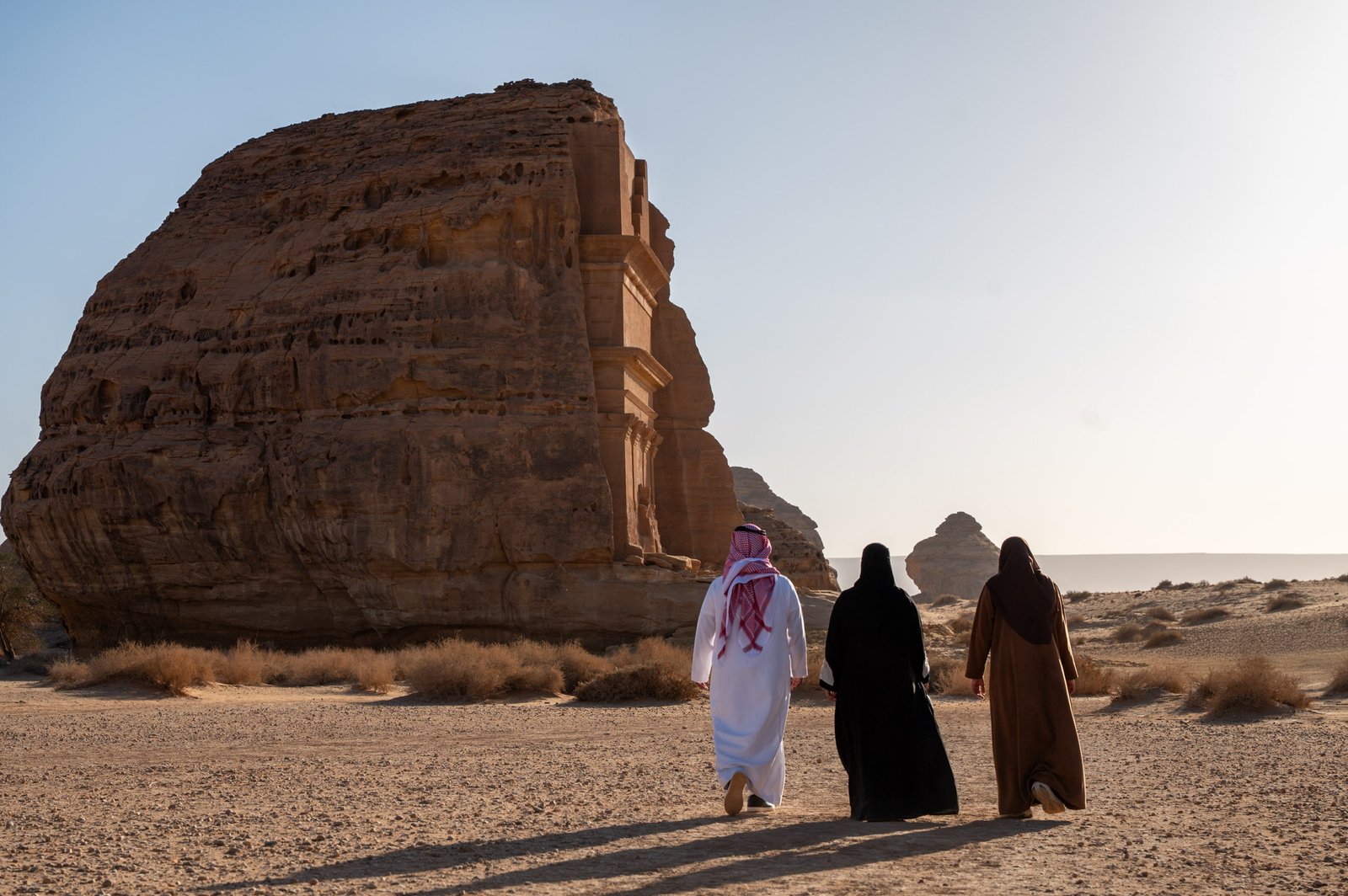
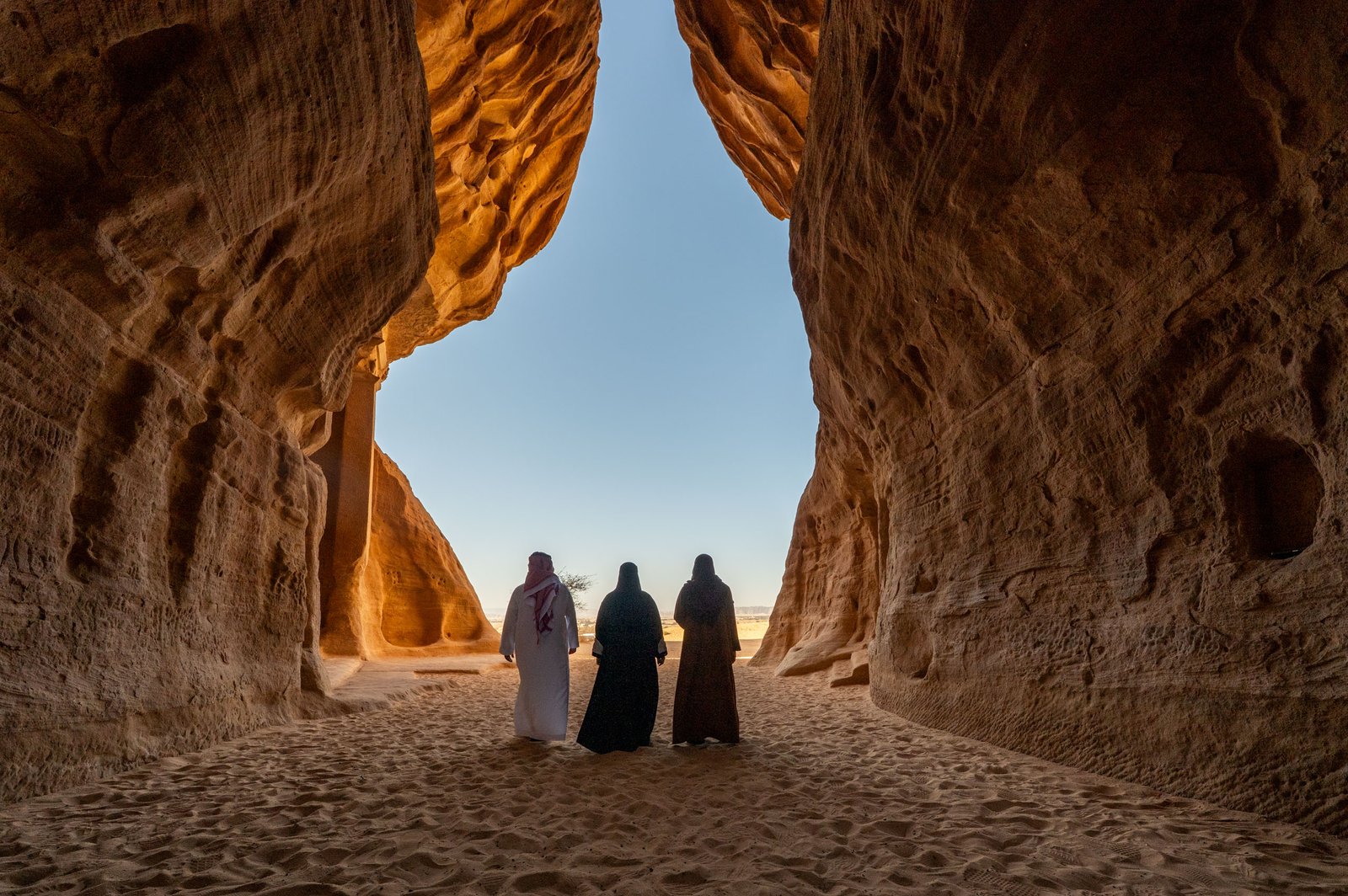
Hegra (Madain Salih): Saudi Arabia’s first UNESCO World Heritage Site, home to Nabataean tombs carved into sandstone outcrops. The late afternoon light enhances the carvings’ depth and detail, while the surrounding cliffs glow in amber tones.

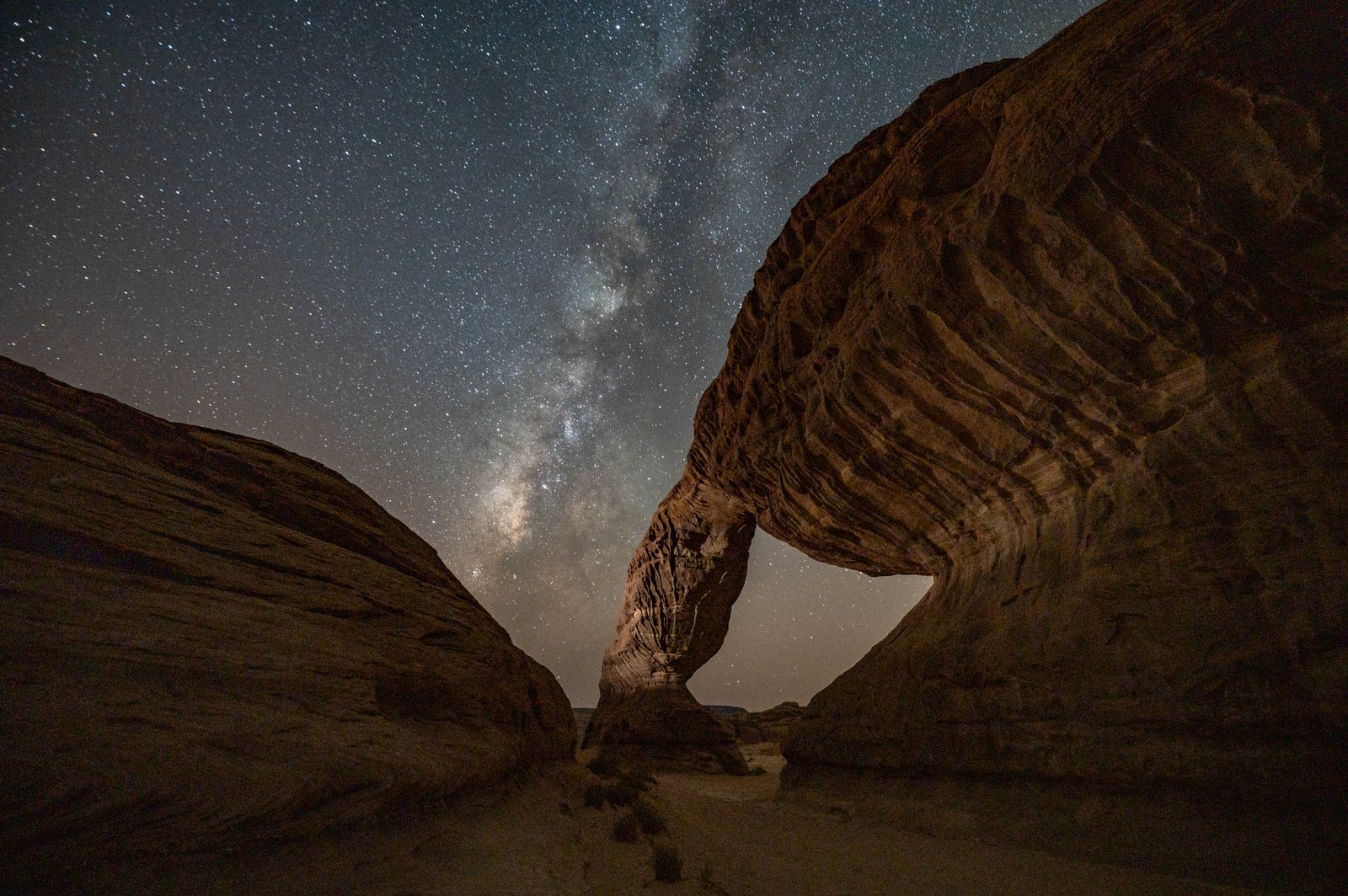
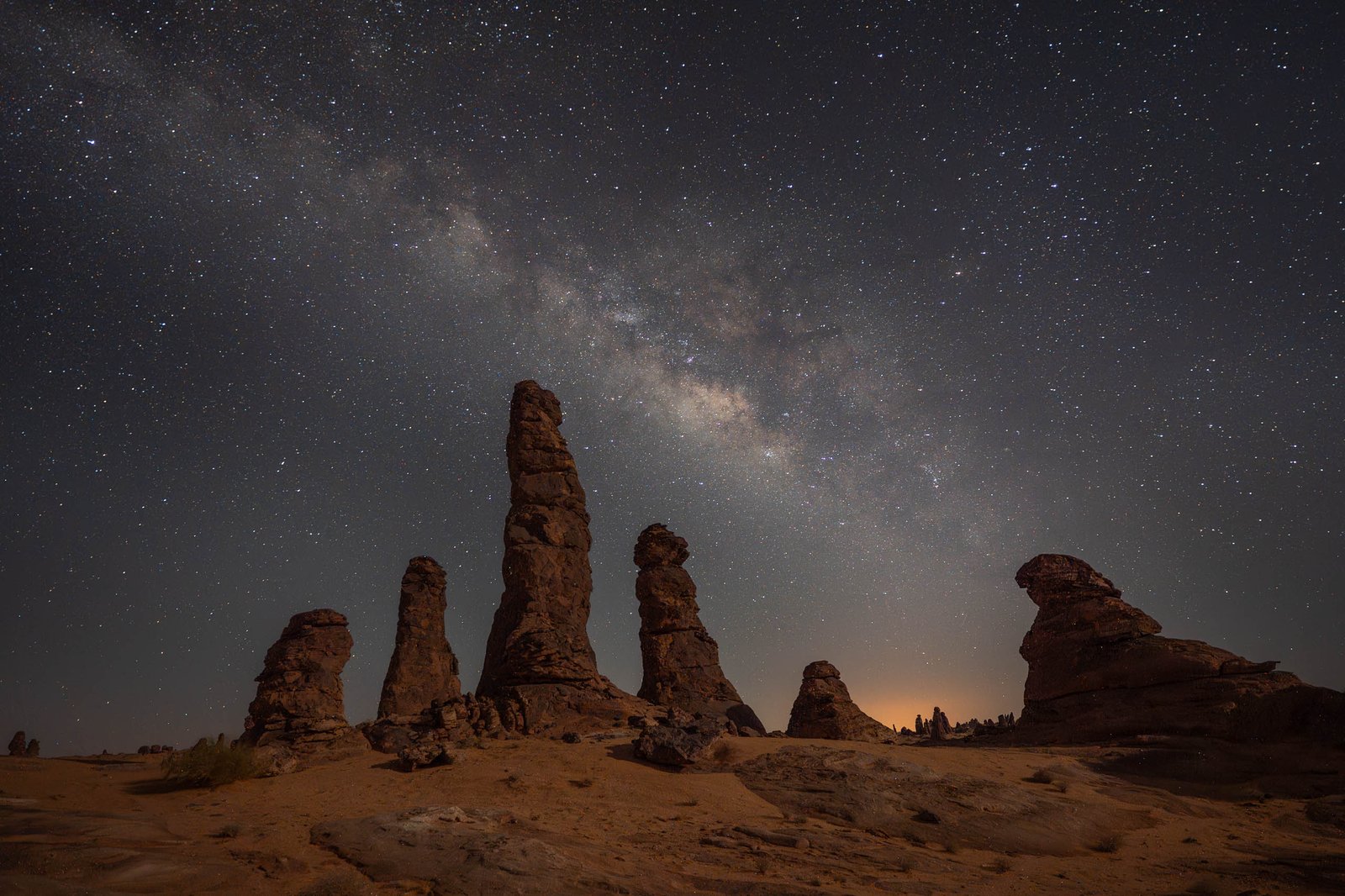
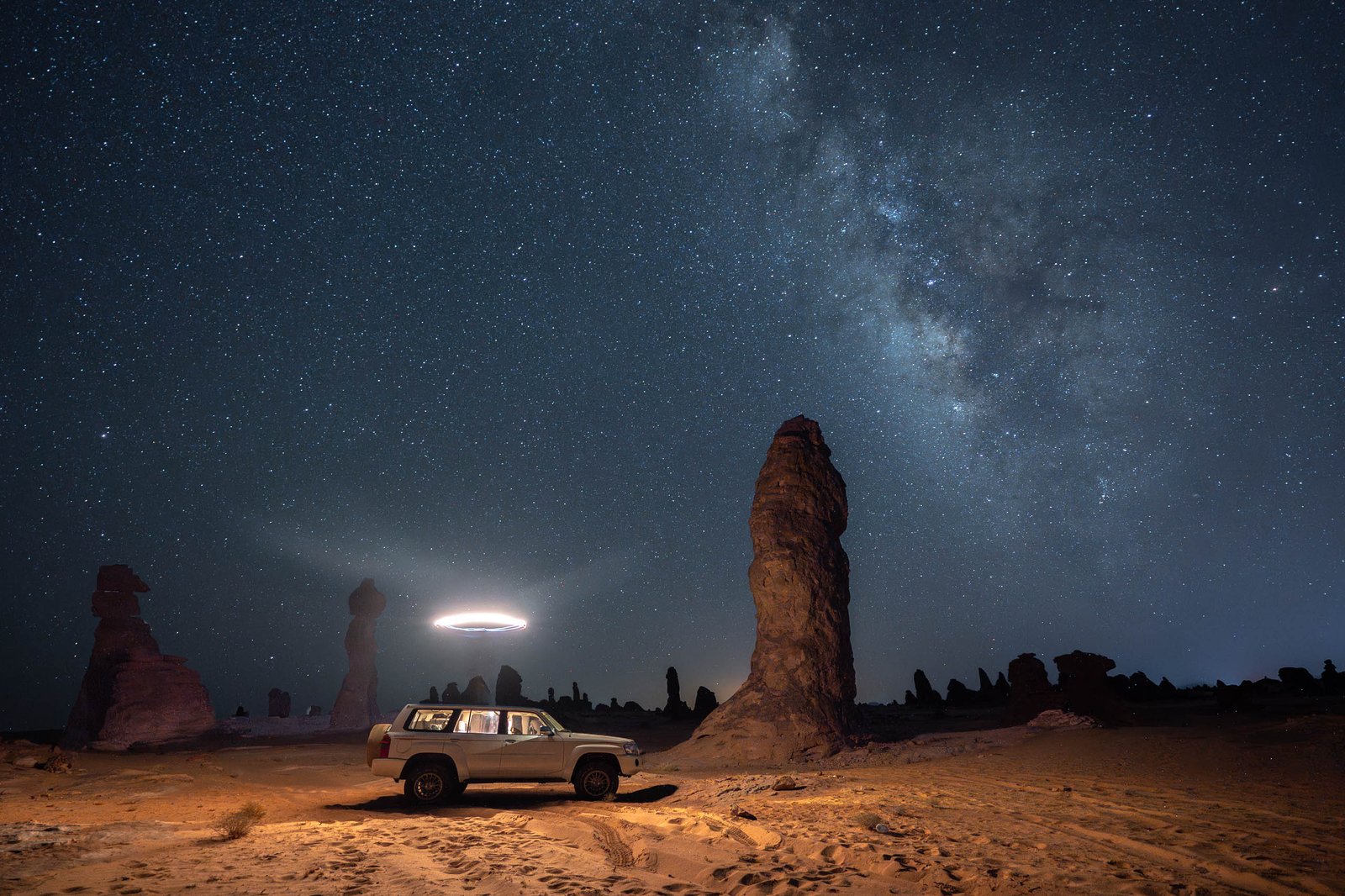
Night: Stars Over the Desert - When the sun sets behind the cliffs, AlUla’s night sky reveals a canopy of stars. The low light pollution makes it one of the best places in the region for astrophotography. Elephant Rock and Gharameel both serve as striking foregrounds for capturing the Milky Way.

A Journey Through Time and Light - A photo tour in AlUla is more than a visual experience—it’s an immersion into a landscape shaped by nature and civilization over millennia. From the reflective surfaces of Maraya to the timeless stillness of the desert, every frame tells a story of endurance, beauty, and connection.For photographers seeking to capture the essence of Saudi Arabia’s heritage and natural wonder, AlUla offers an unparalleled canvas—where every sunrise and sunset paints a new masterpiece.

Read More
Nick Jackson
July 3, 2026
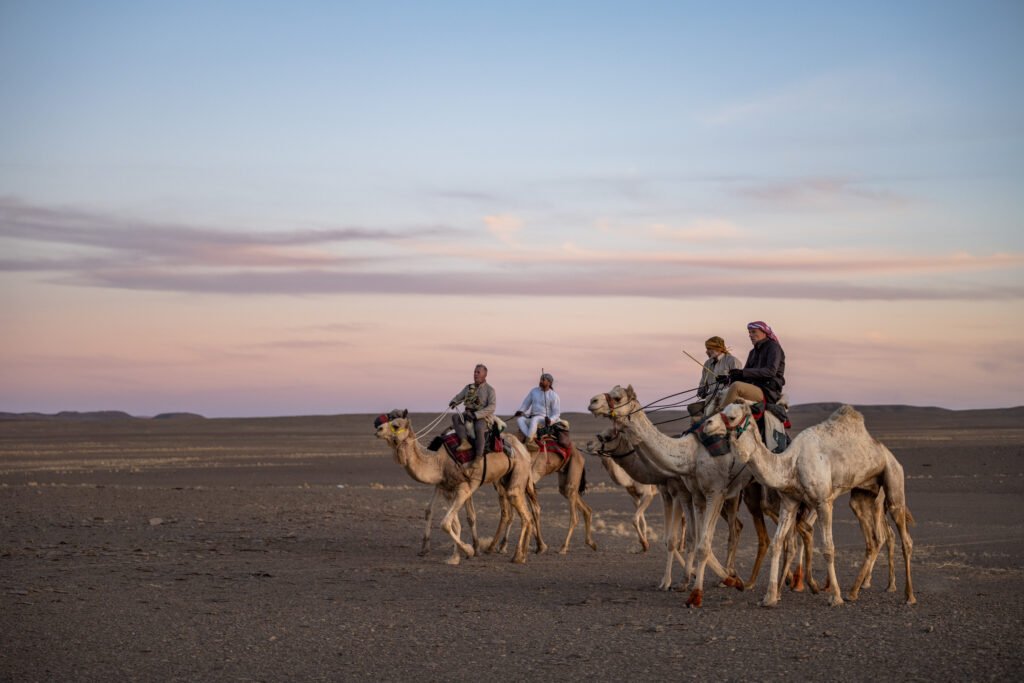
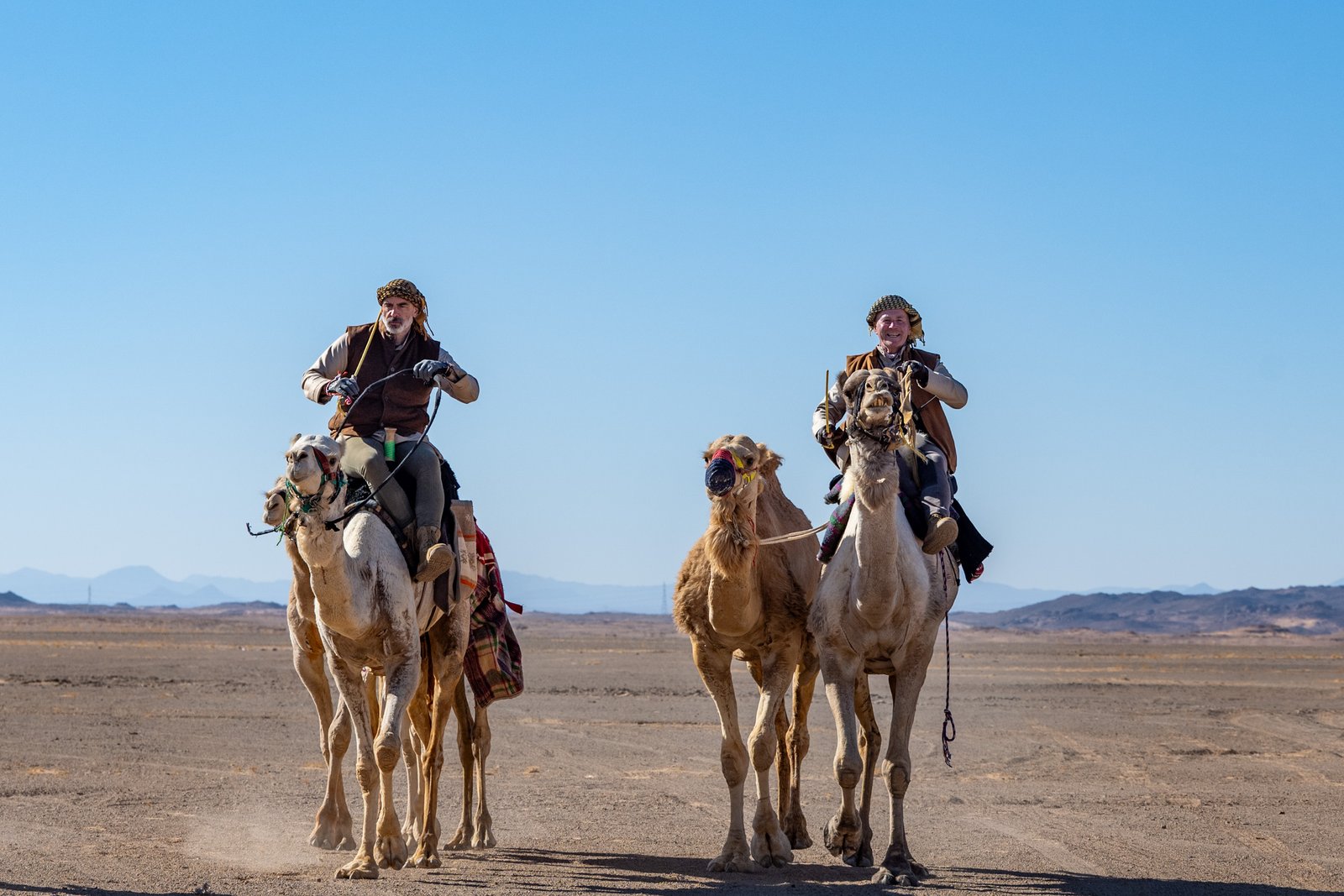
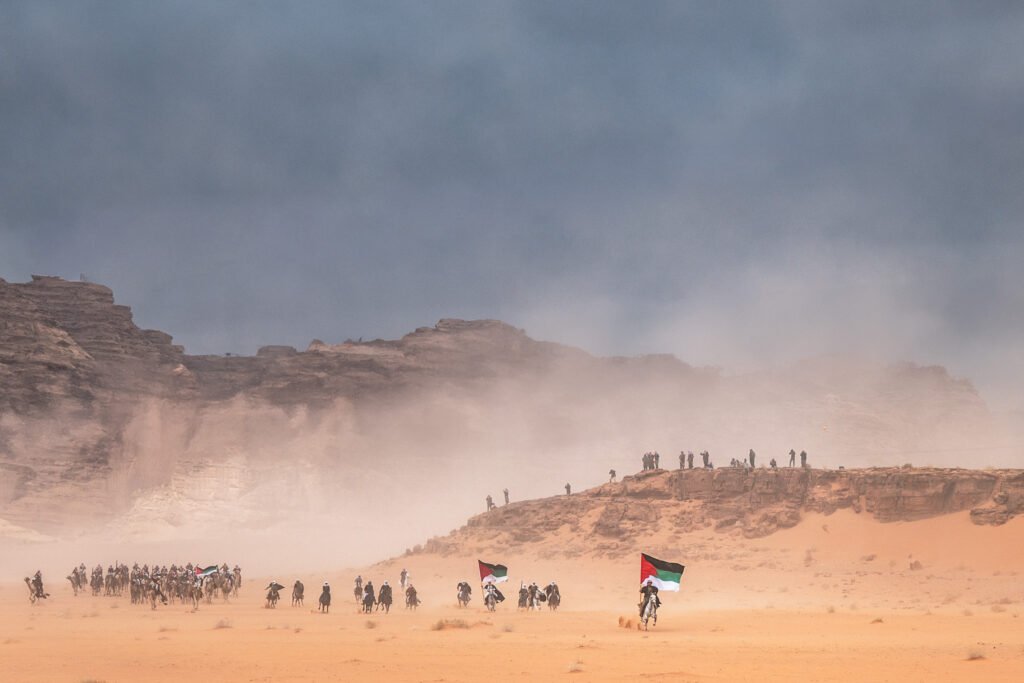
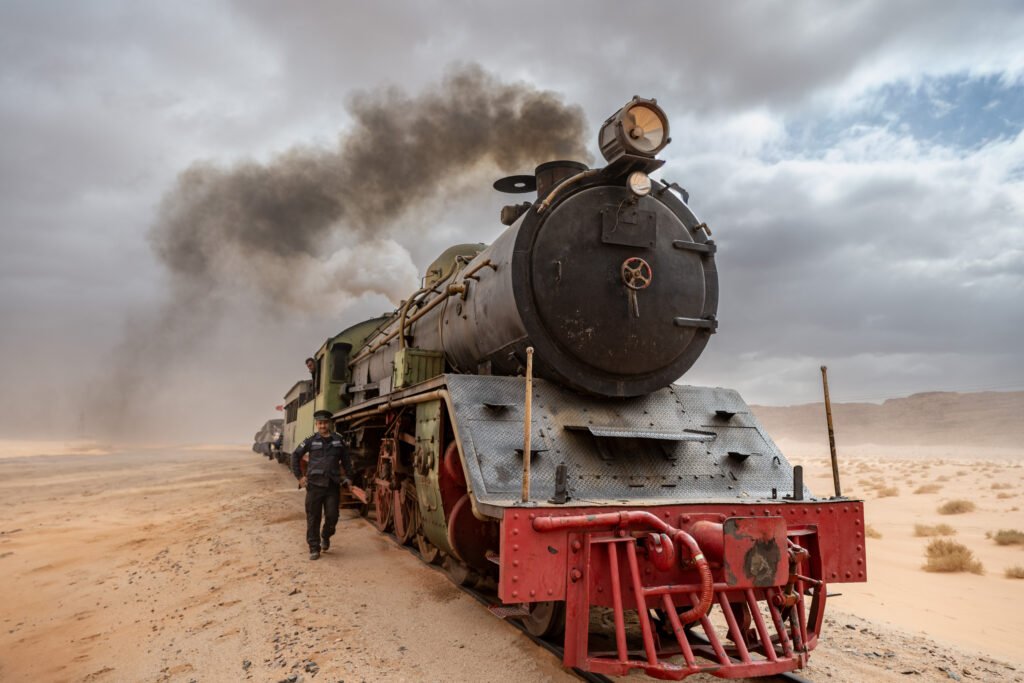
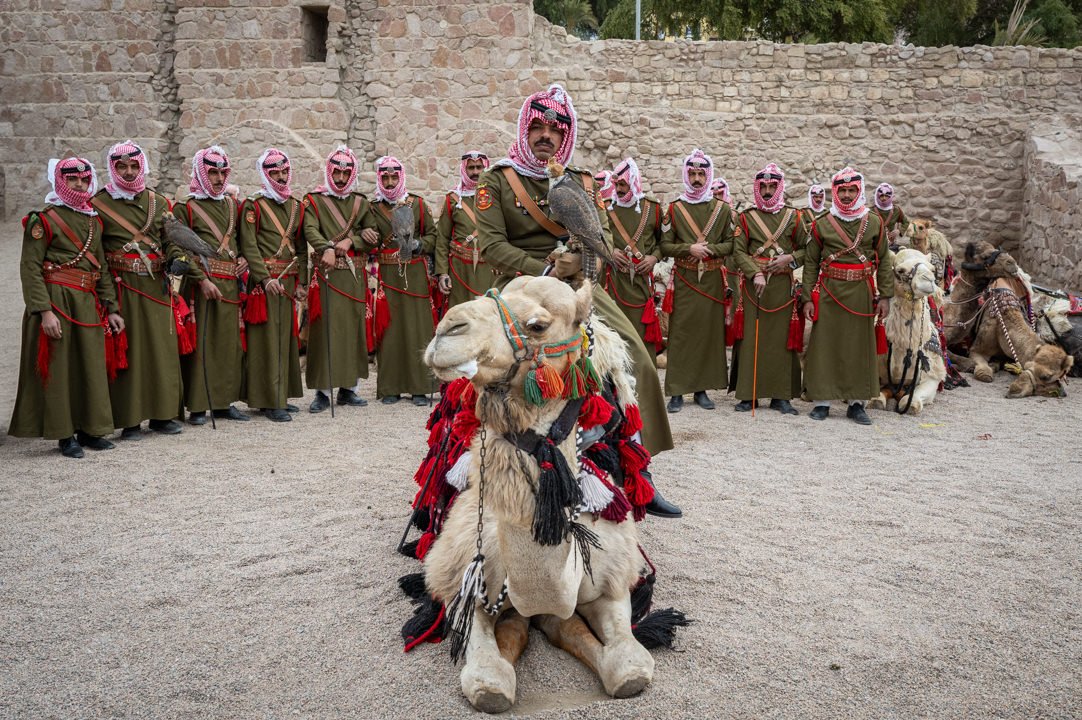
Army veterans retrace Lawrence of Arabia’s epic 700-mile trek across Middle East

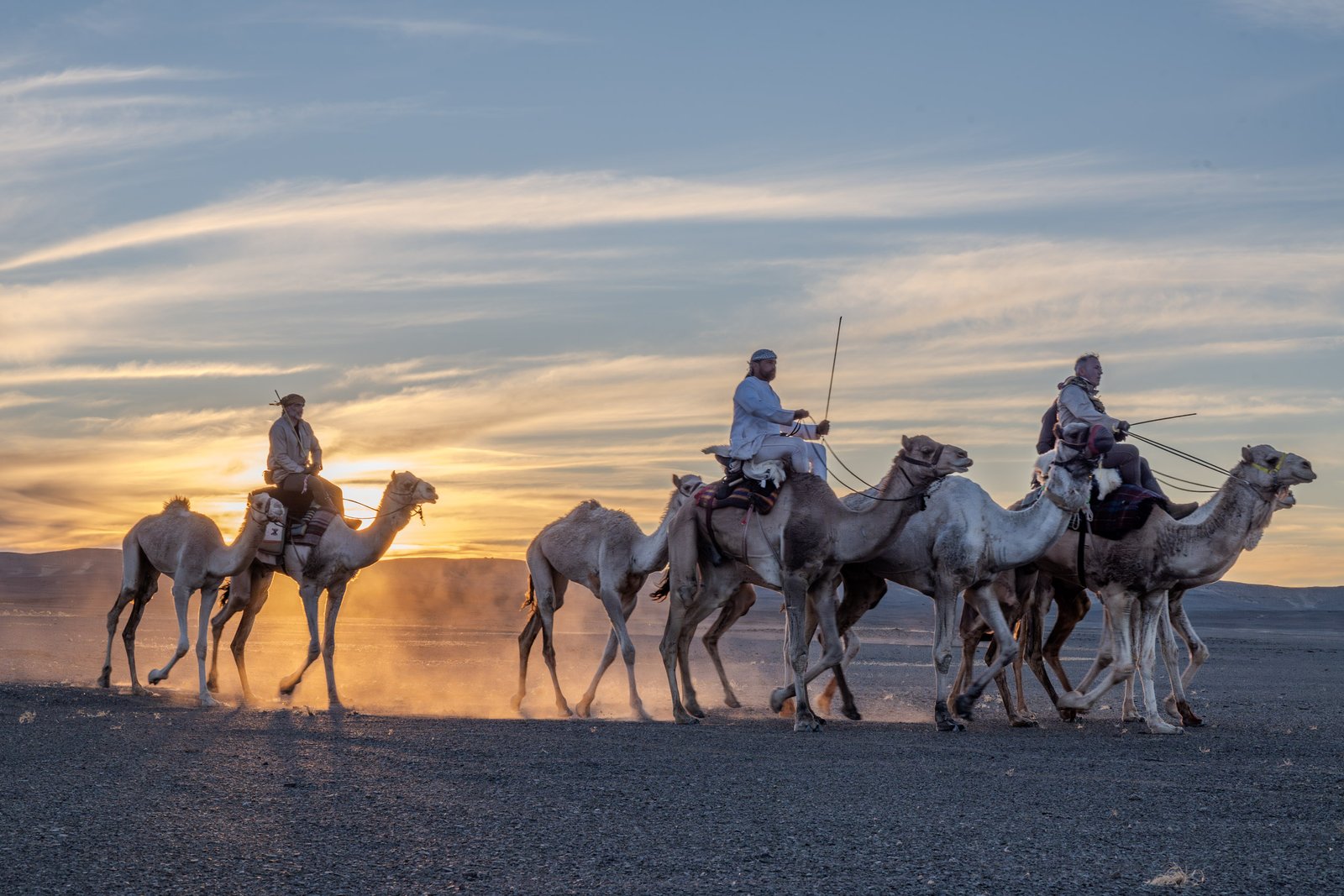
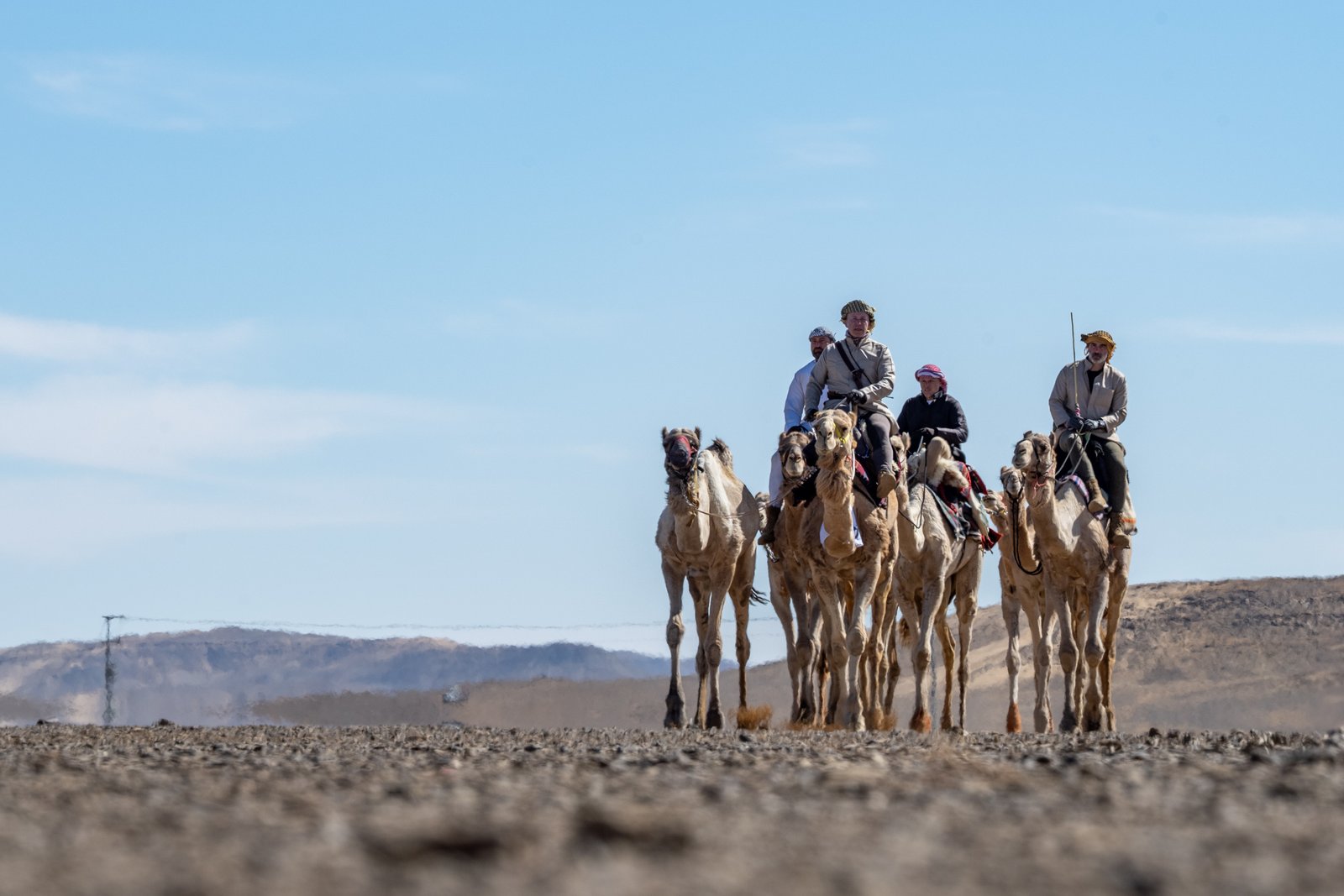
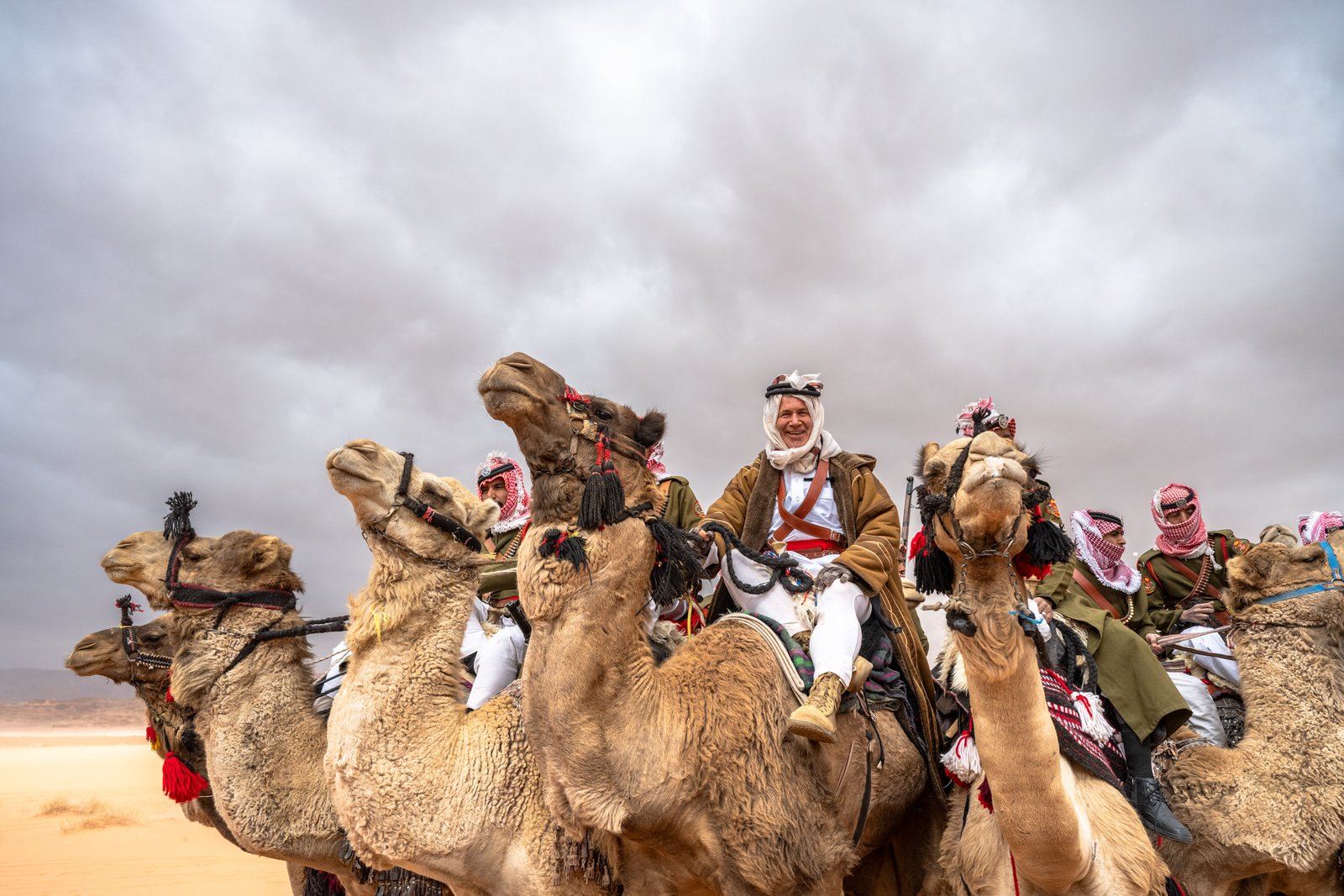
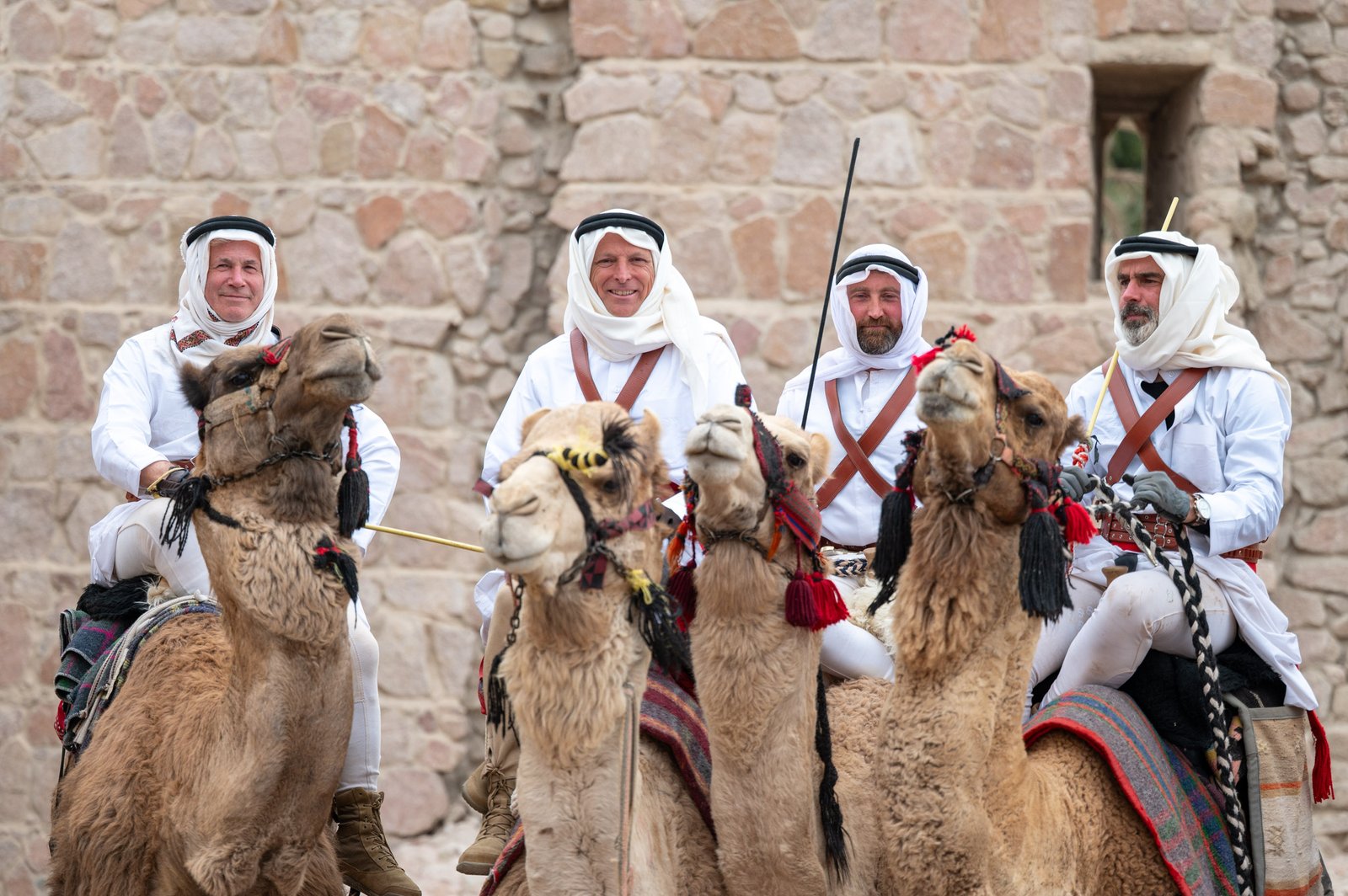
Four military veterans became the first people to recreate T E Lawrence’s 700-mile camel trek from Al Wajh in Saudi Arabia to Aqaba in Jordan – immortalised in the 1962 epic Lawrence of Arabia. The trek raised over £800,000 for the Special Forces Benevolent Club.

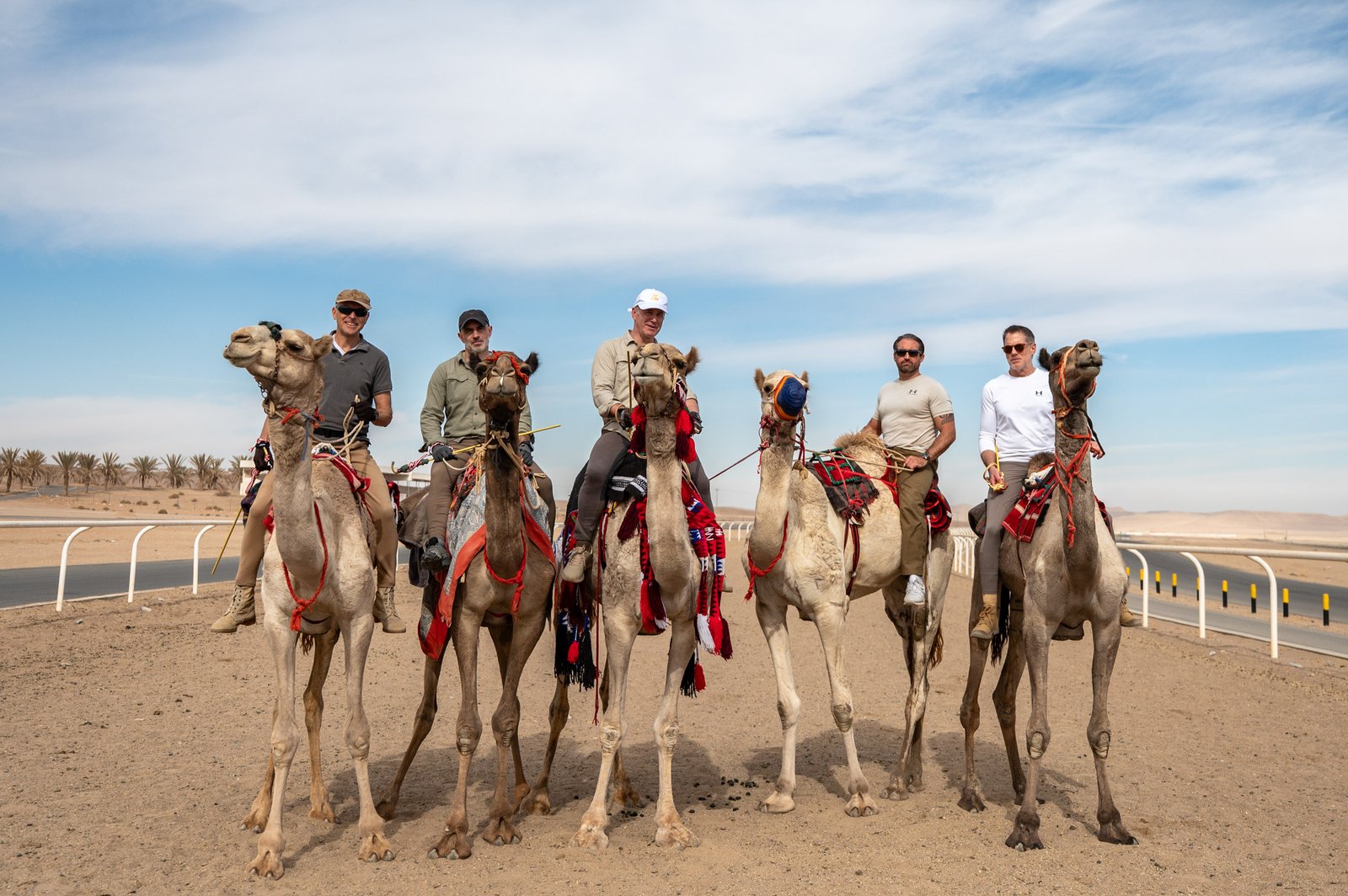
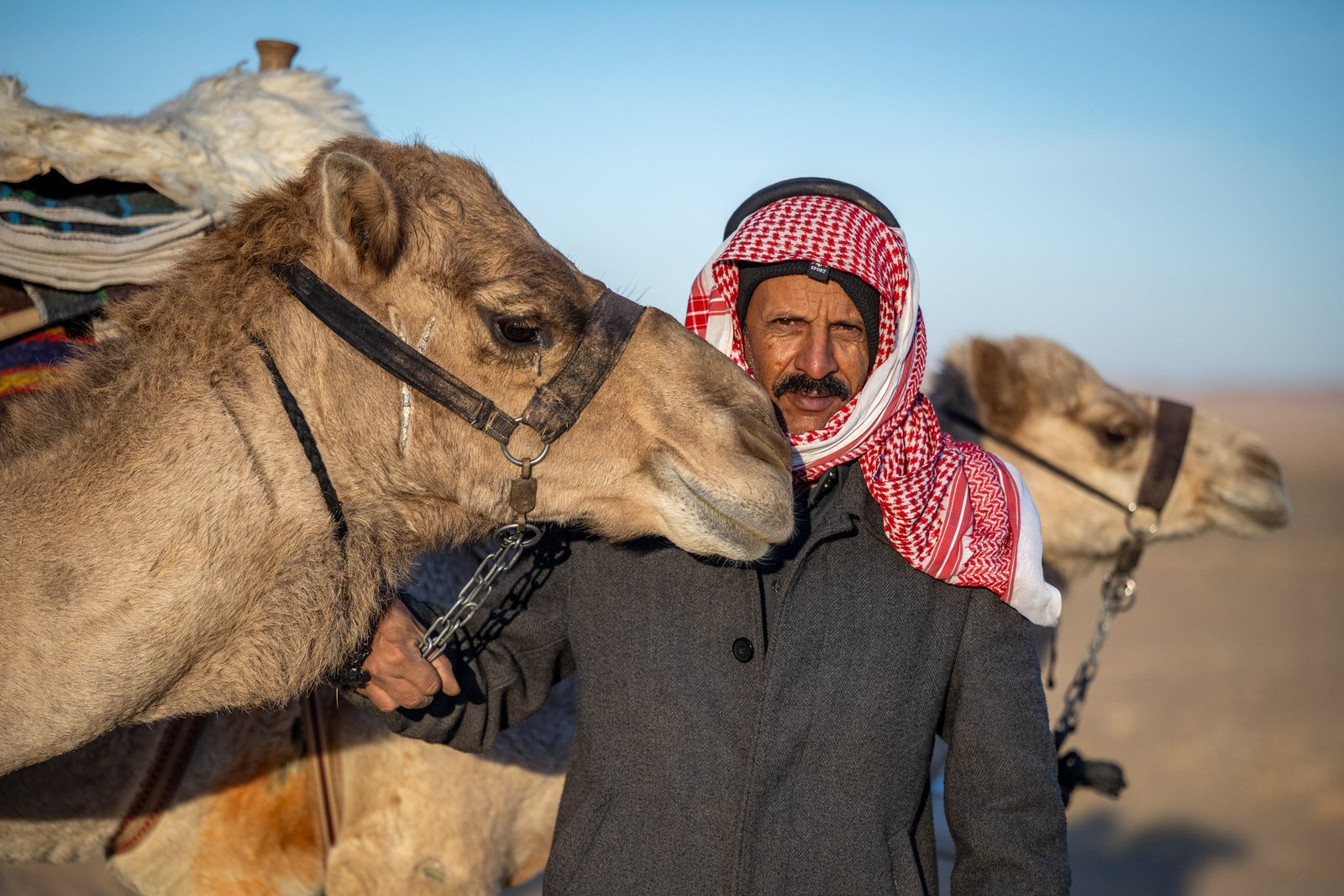
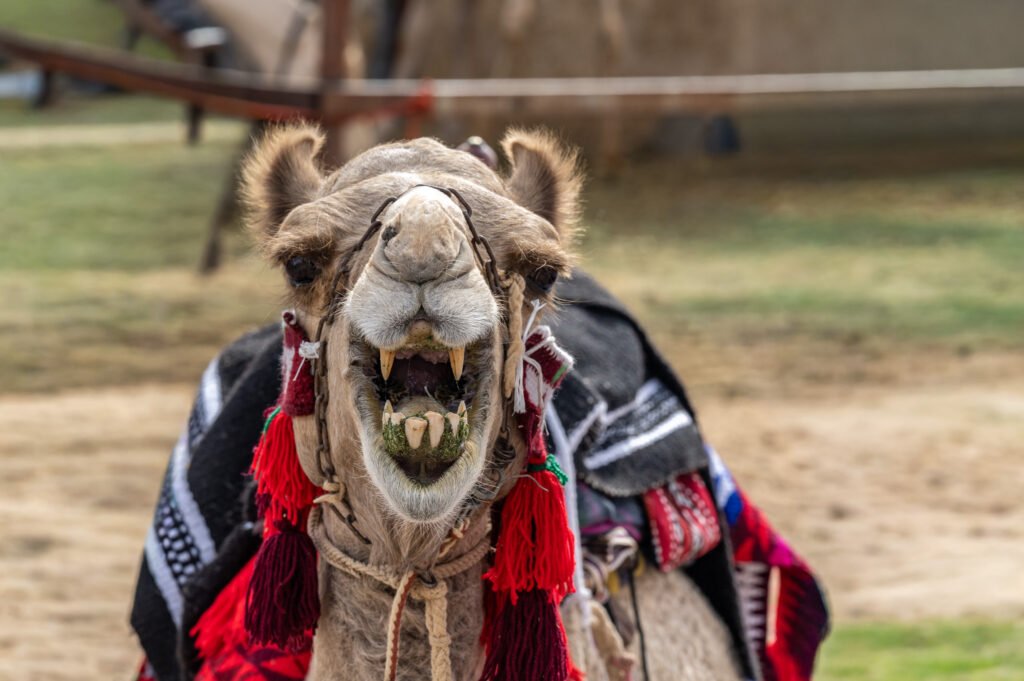
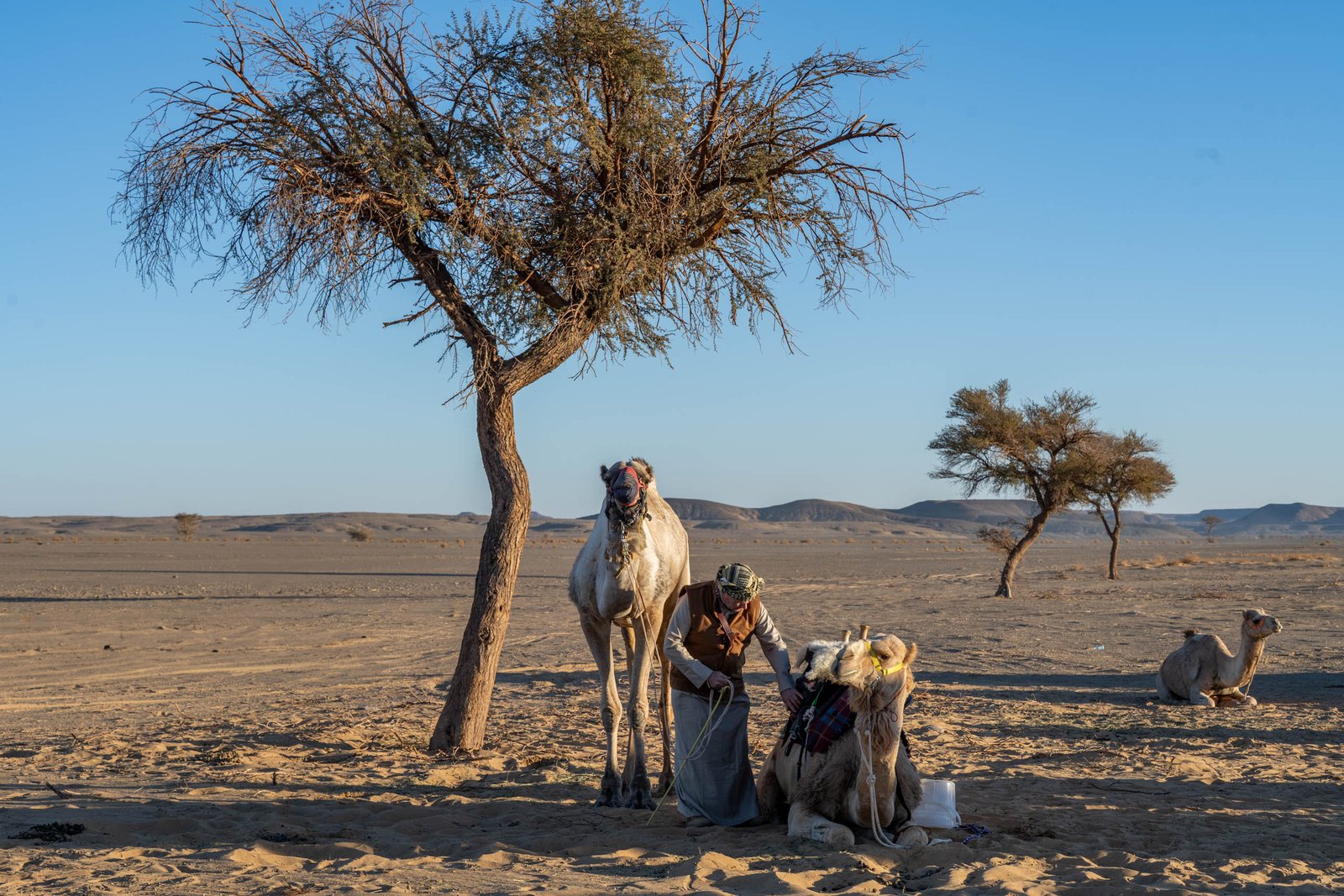
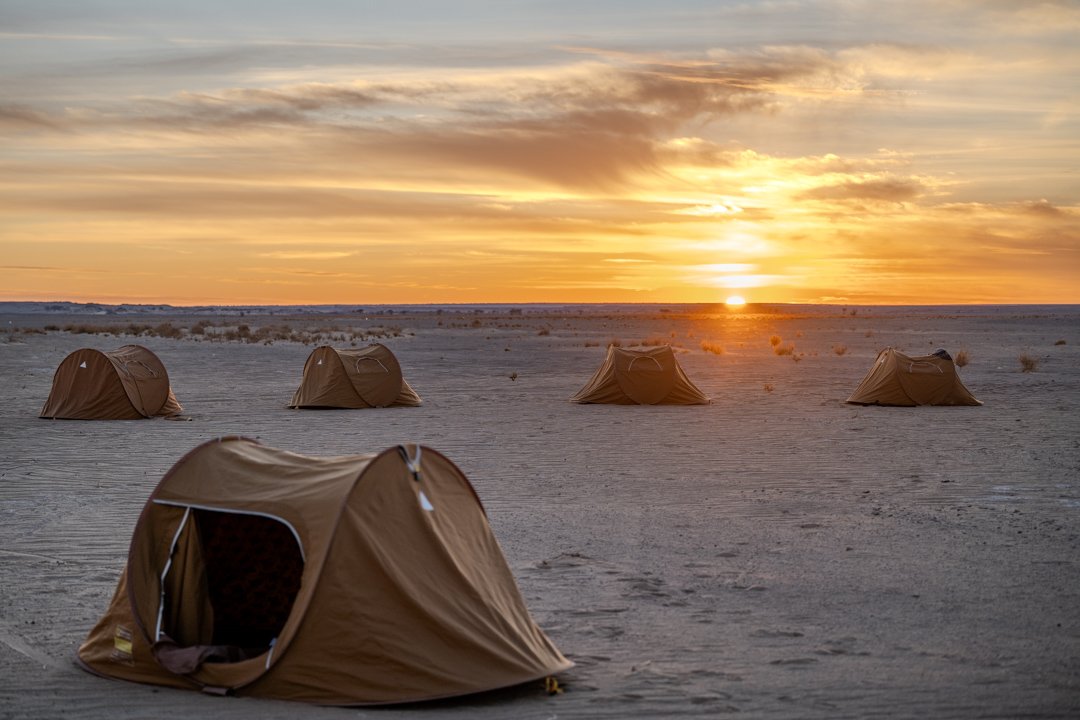
I joined the team in Tabuk, Saudi Arabia for an intensive training period where they learned how to mount, ride and care for the camels they would come to depend upon for 5 gruelling weeks.

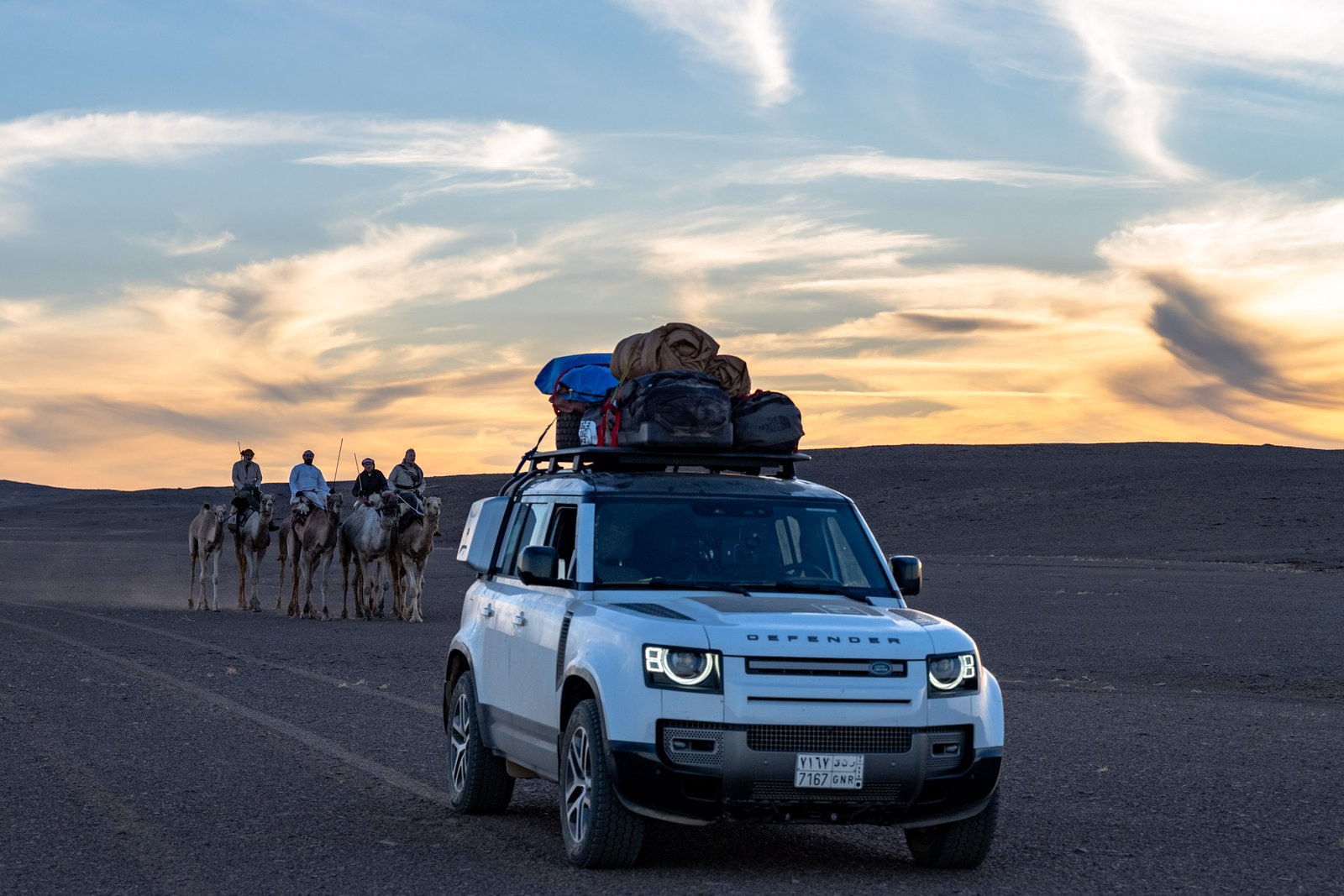
The five ex-Special Forces men spent 25 days in the saddle, traveling more than 50km daily with a caravan of 10 camels. This expedition proved to be a profound challenge of stamina, willpower and mental fortitude, echoing the difficulties Lawrence encountered over a hundred years ago.

The route commenced in Al Wajh, Saudi Arabia, faithfully following the original 1917 path through the Well of Dathna, Bada, the Hejaz Mountains and the Nefud Desert. Subsequently, the expedition crossed into Jordan, traversing Wadi Sirhan, Bayir Fort and Ma'an before reaching the stunning desert terrain of Wadi Rum.The Hejaz Mountains presented one of the expedition's greatest obstacles, with their jagged peaks and blistering desert conditions pushing both riders and camels to their limits.

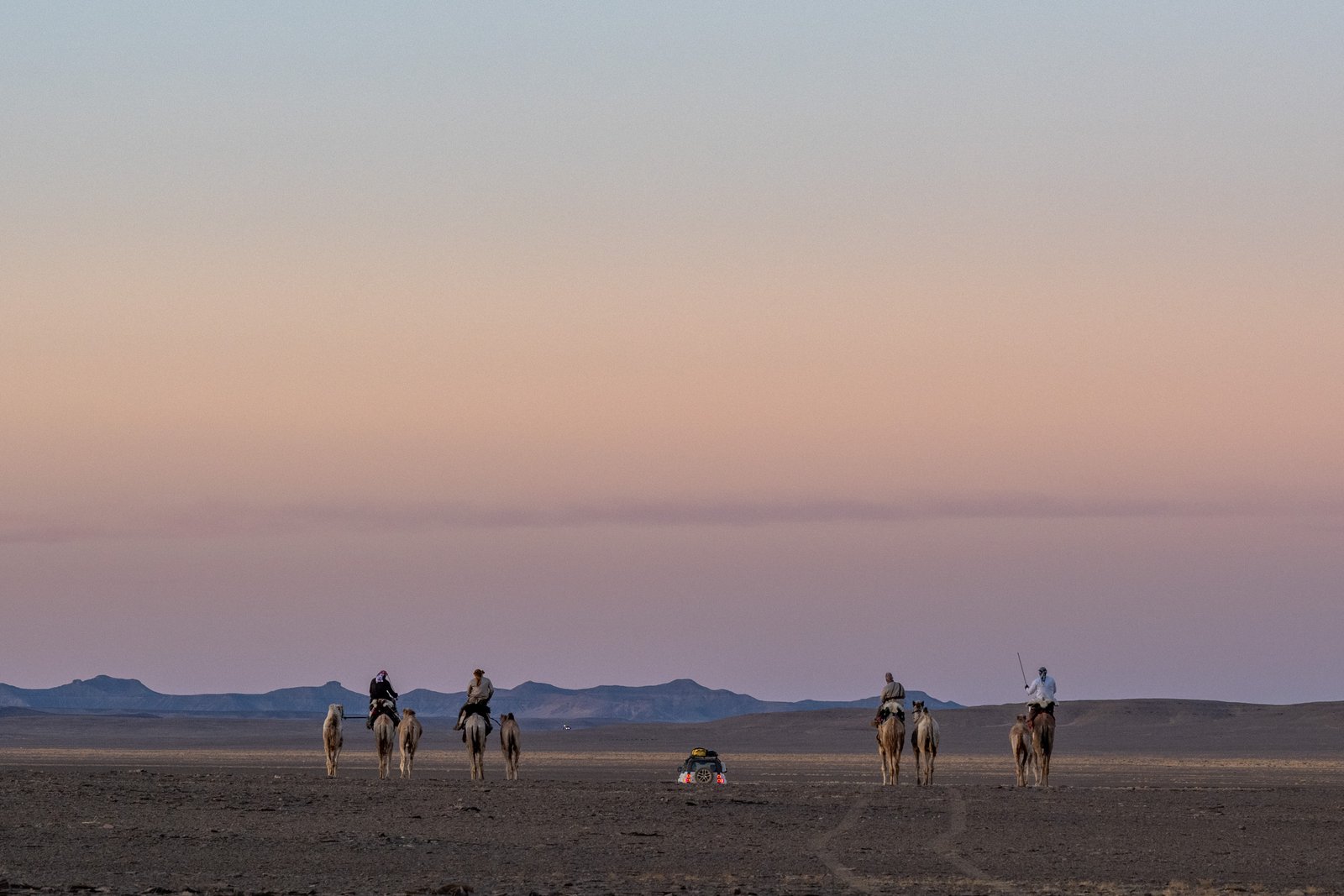
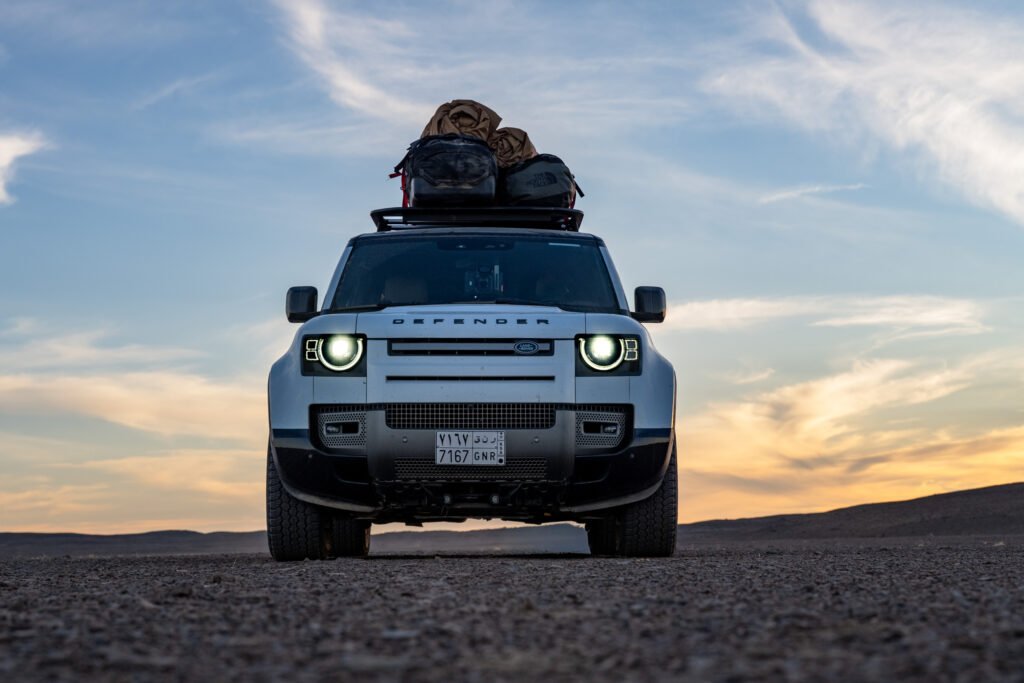
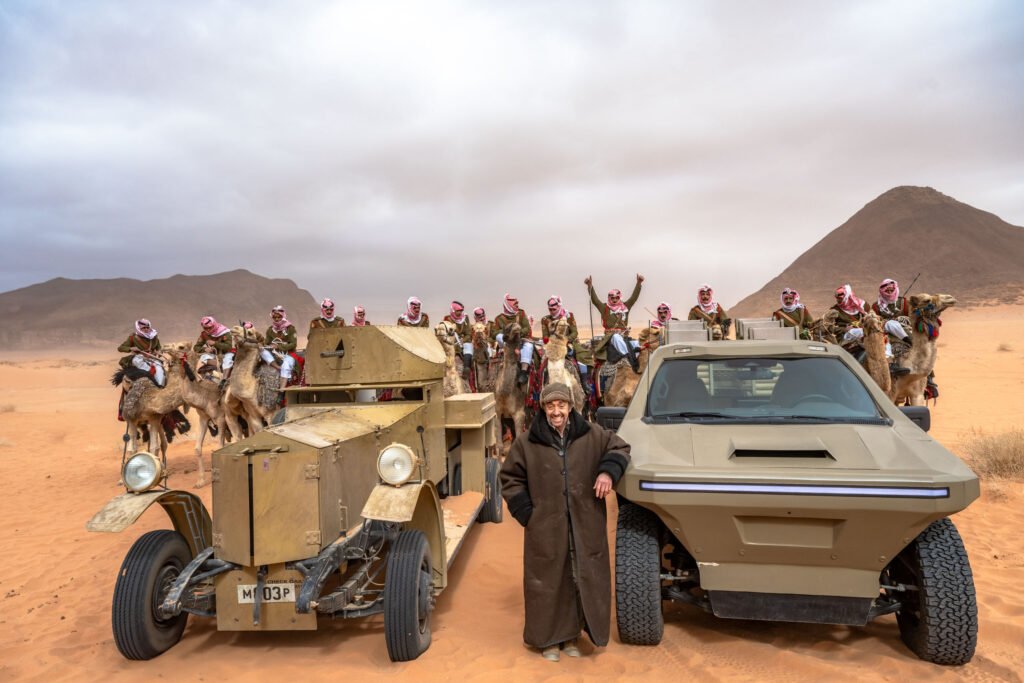
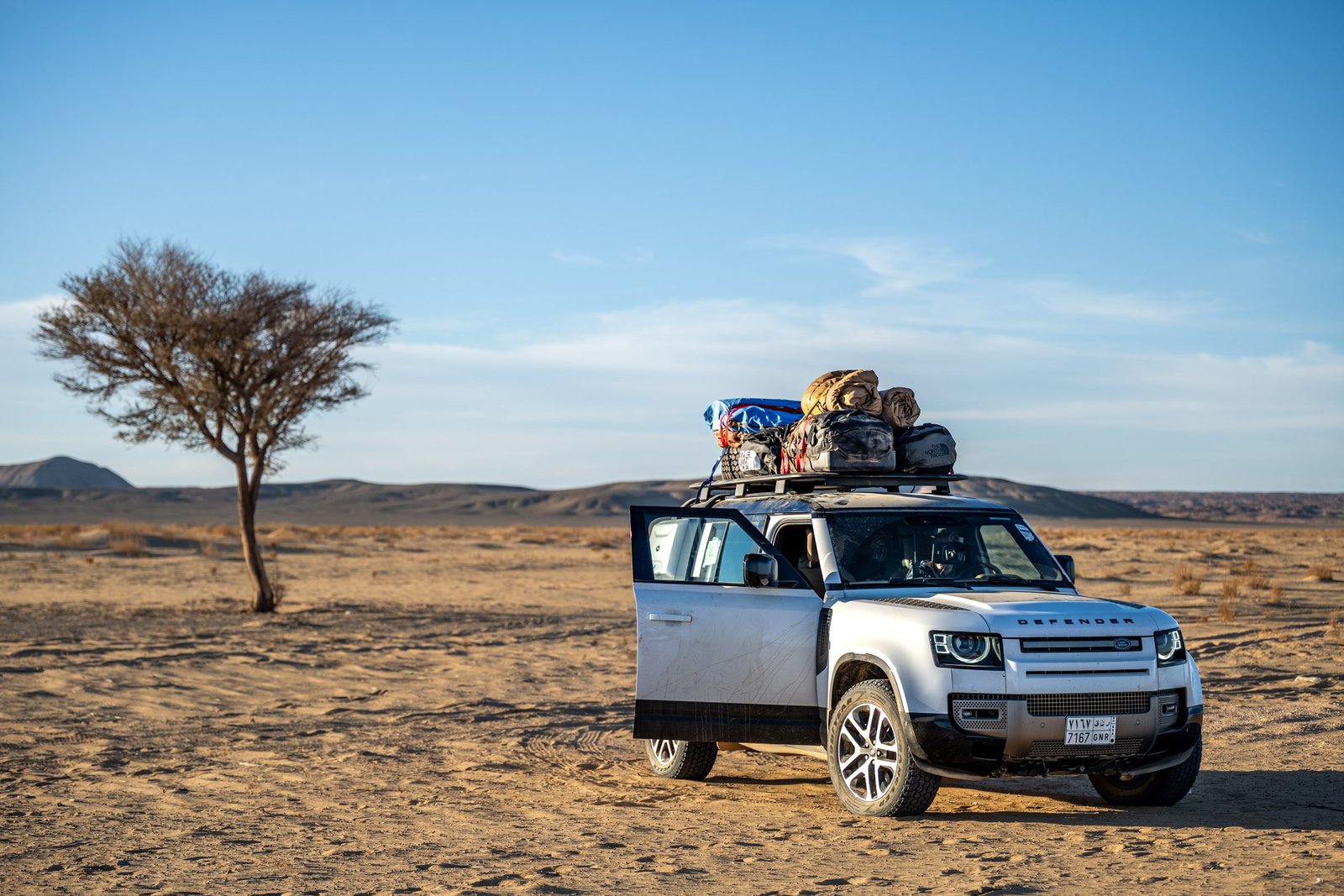
Throughout the journey, the team were supported by medics, scouts and assistants who drove ahead in donated Jaguar Land Rover cars to plan the route, and from the rear to motivate and hydrate the team

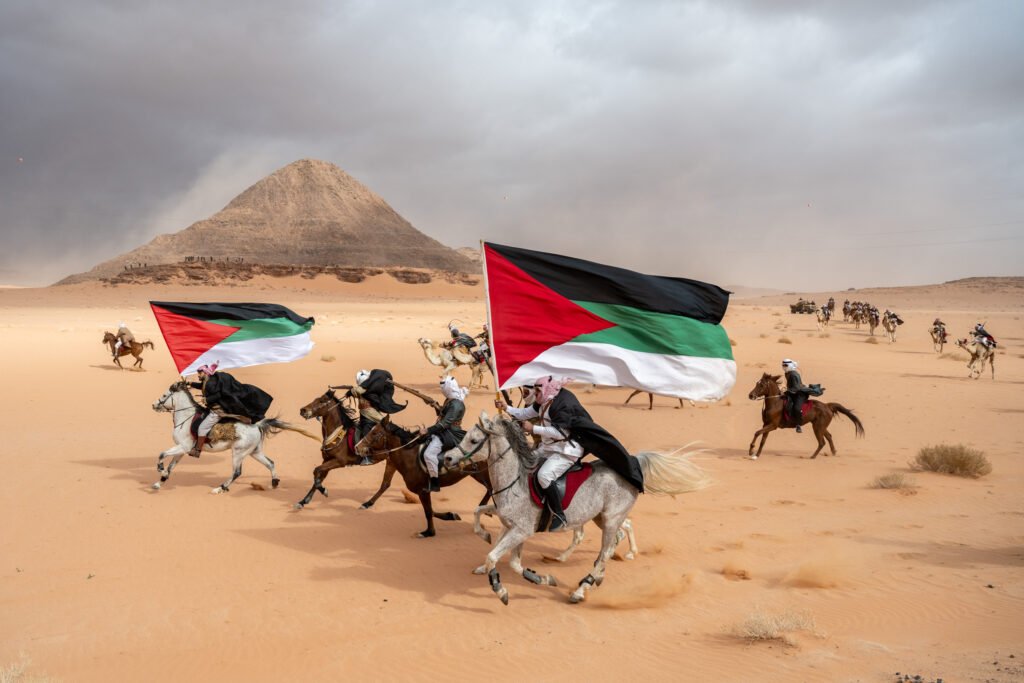
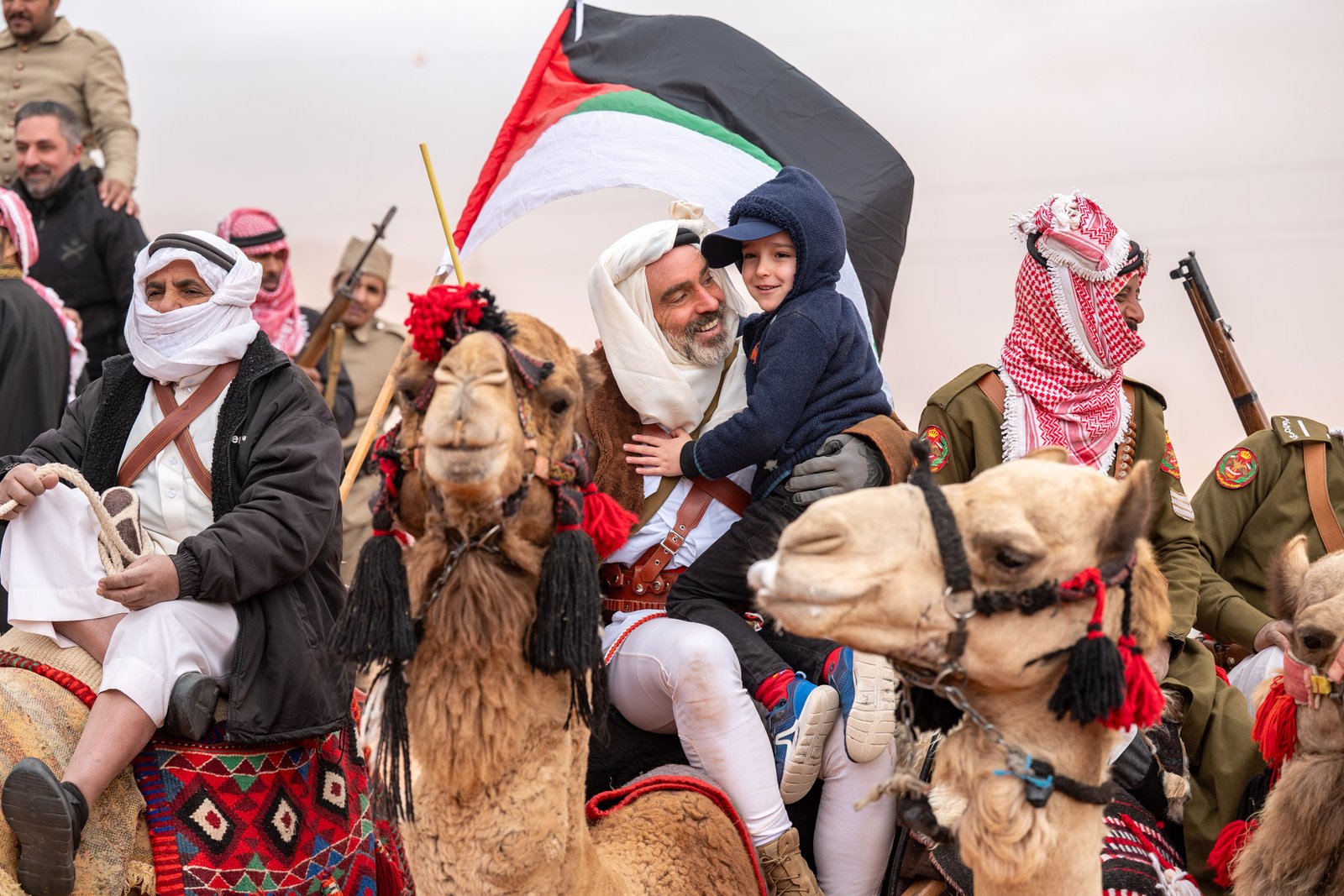
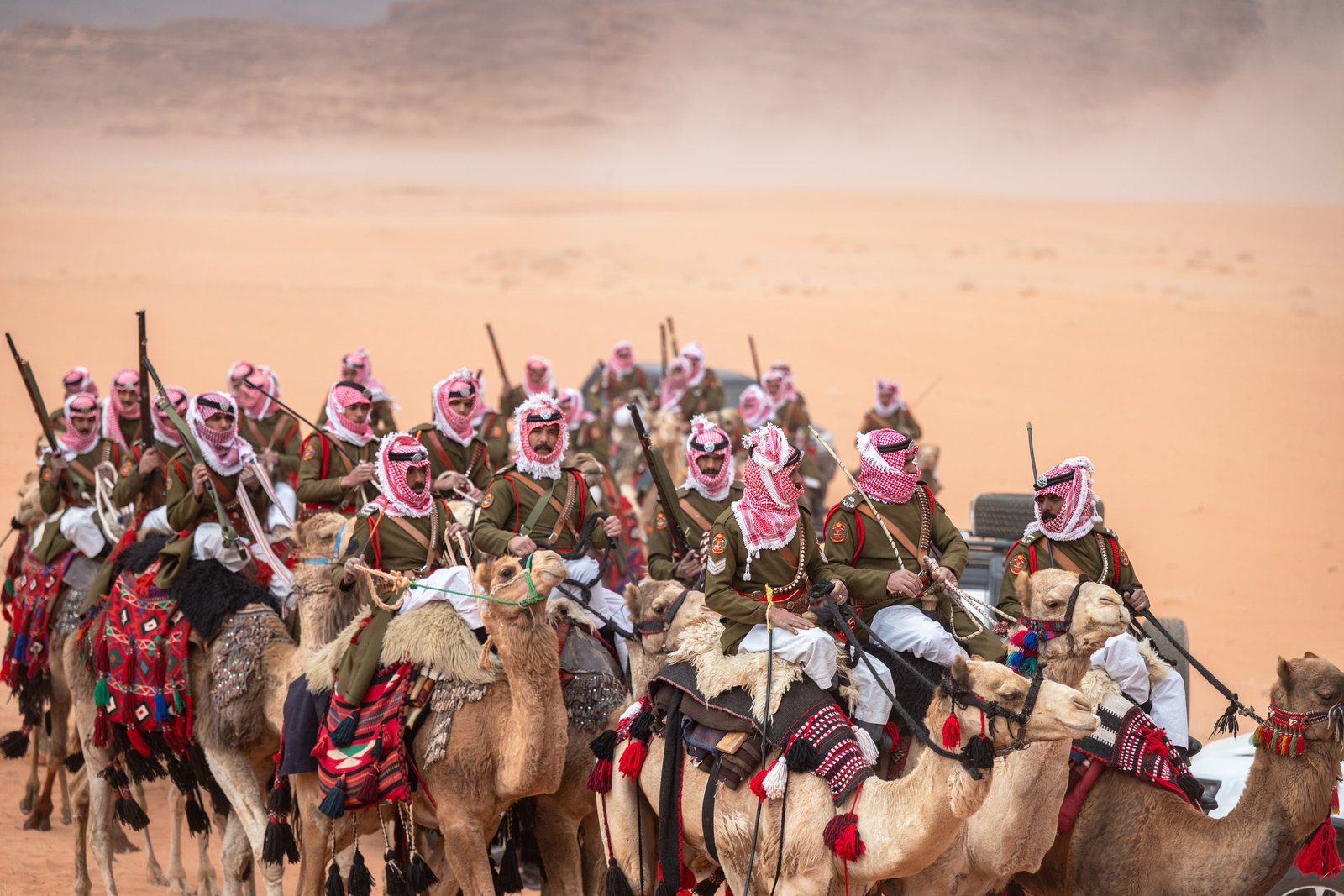
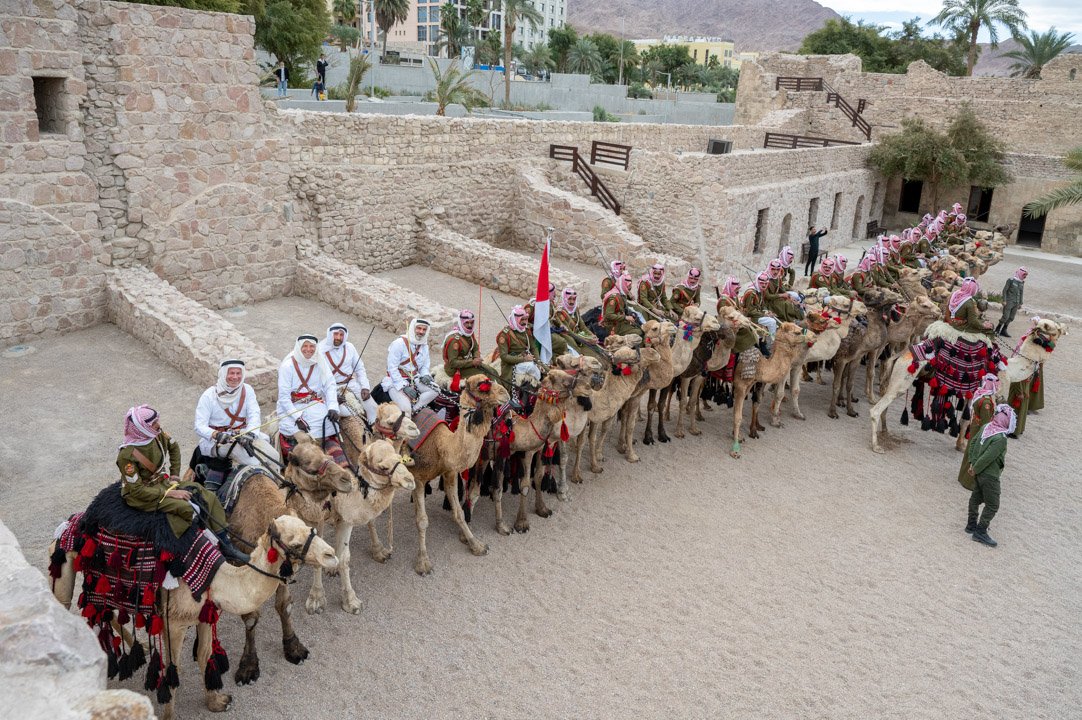
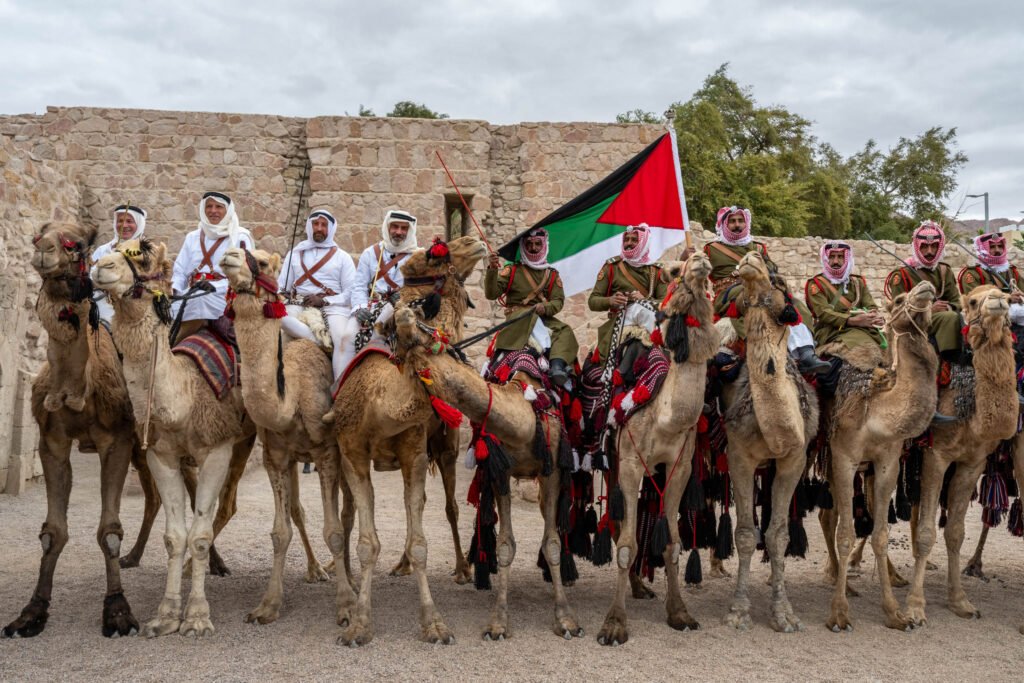
Arriving in Jordan, the men were invited to participate in a battle reenactment by the Jordan Heritage Revival Company (JHRC). Their goal is to provide quality employment opportunities for the country’s veterans through “living history” in the form of historical re-enactments

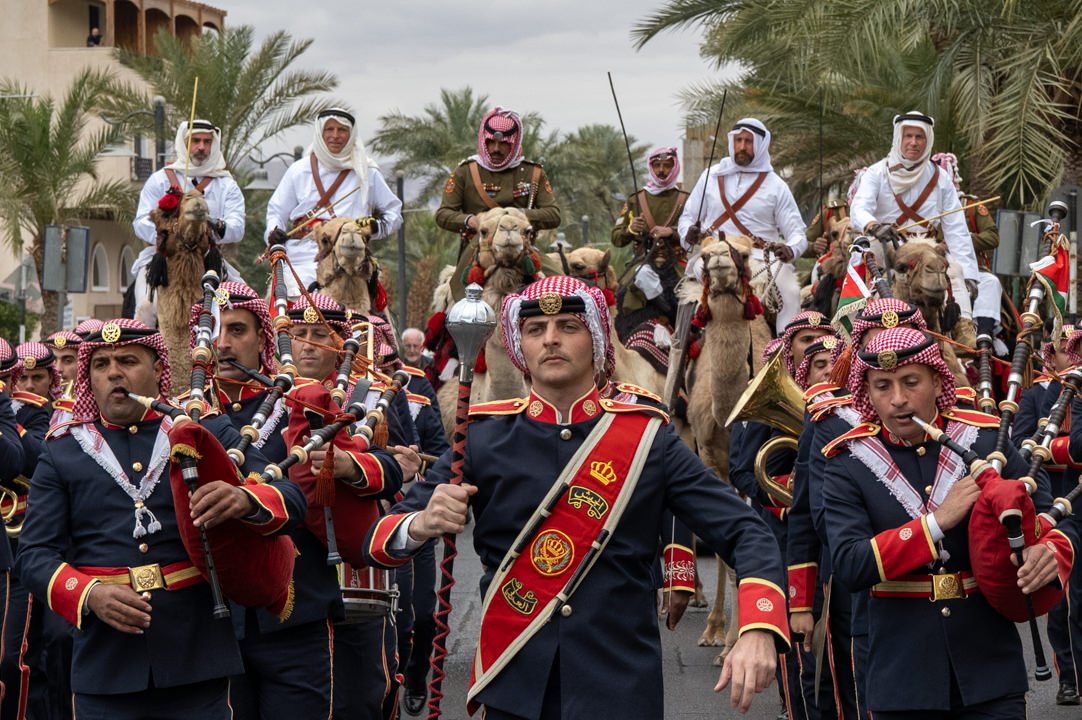
They entered Aqaba to be greeted by thousands of well-wishers and a city-wide parade. The tough mission had come to a close and had been completed successfully so the celebrations went on long into the night.

Read More
Nick Jackson
July 3, 2026
UNESCO Project: I am a Rawi

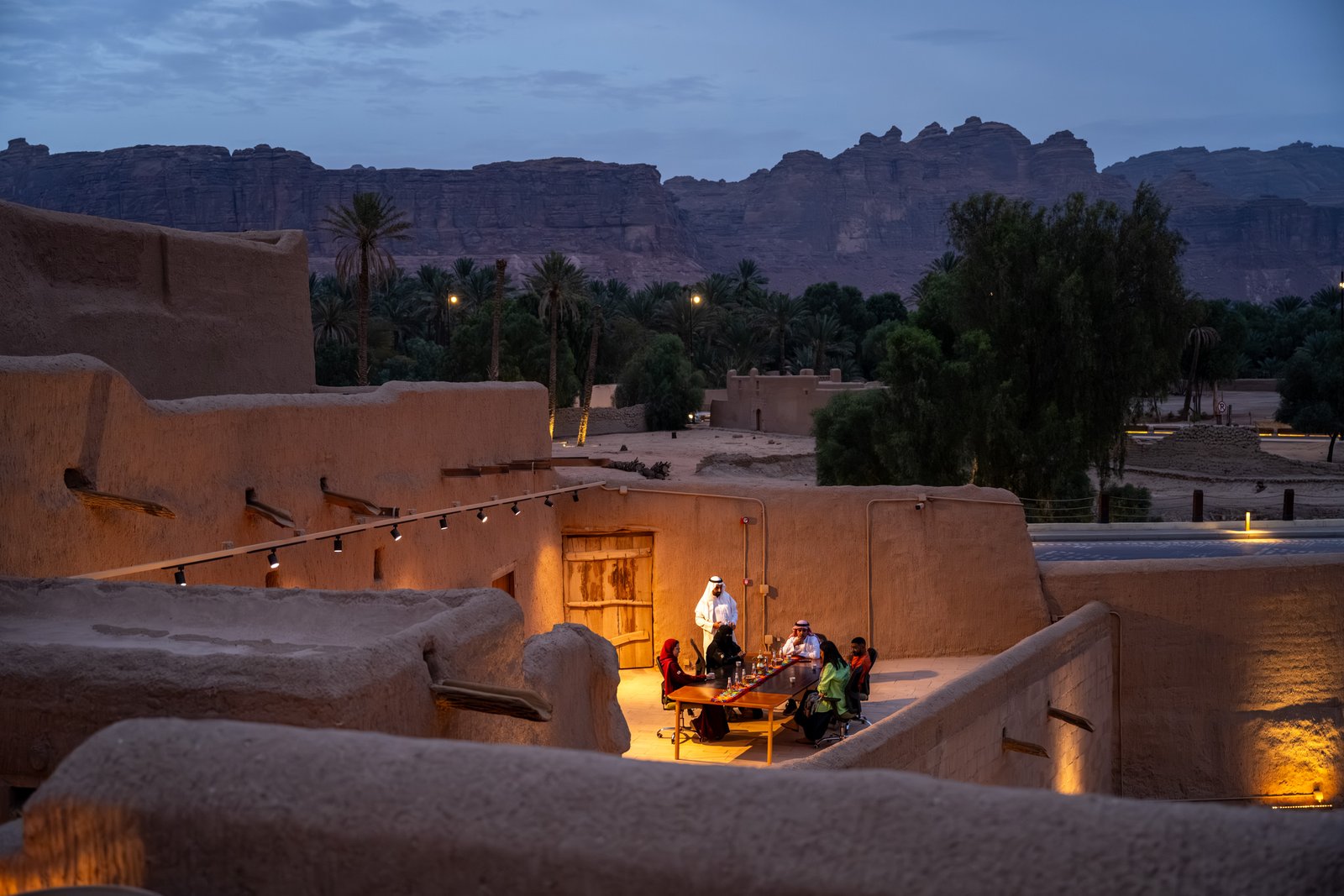
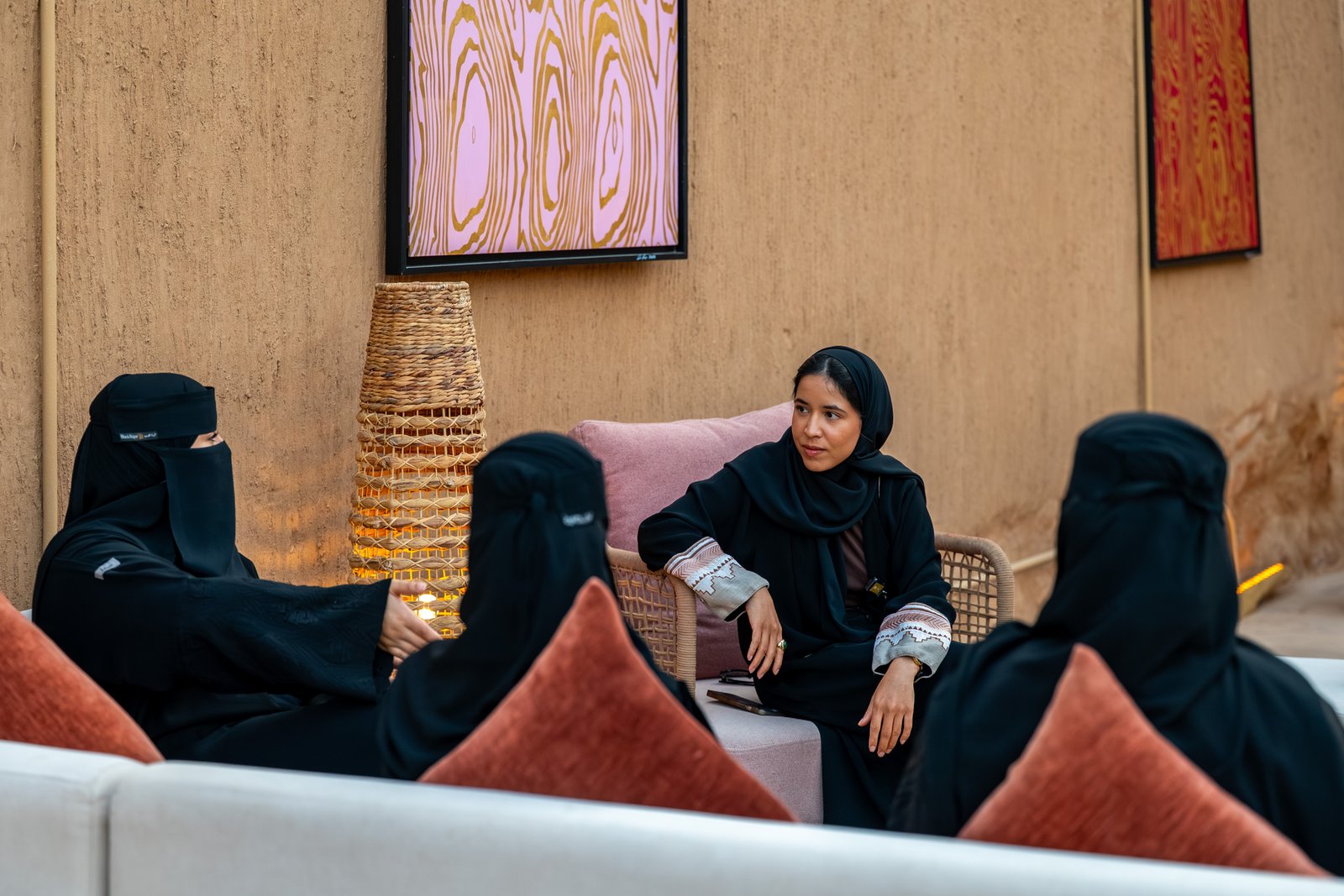
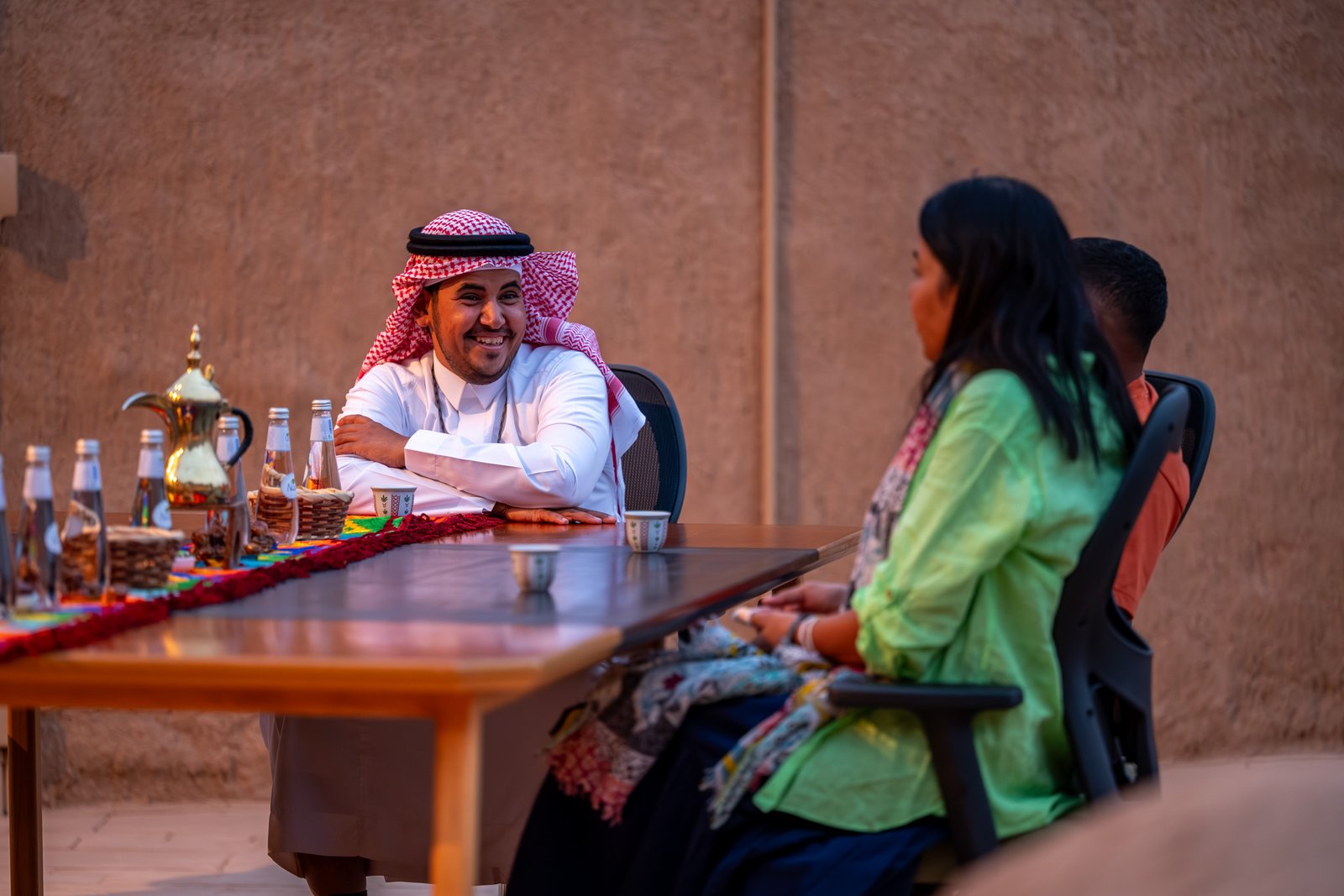
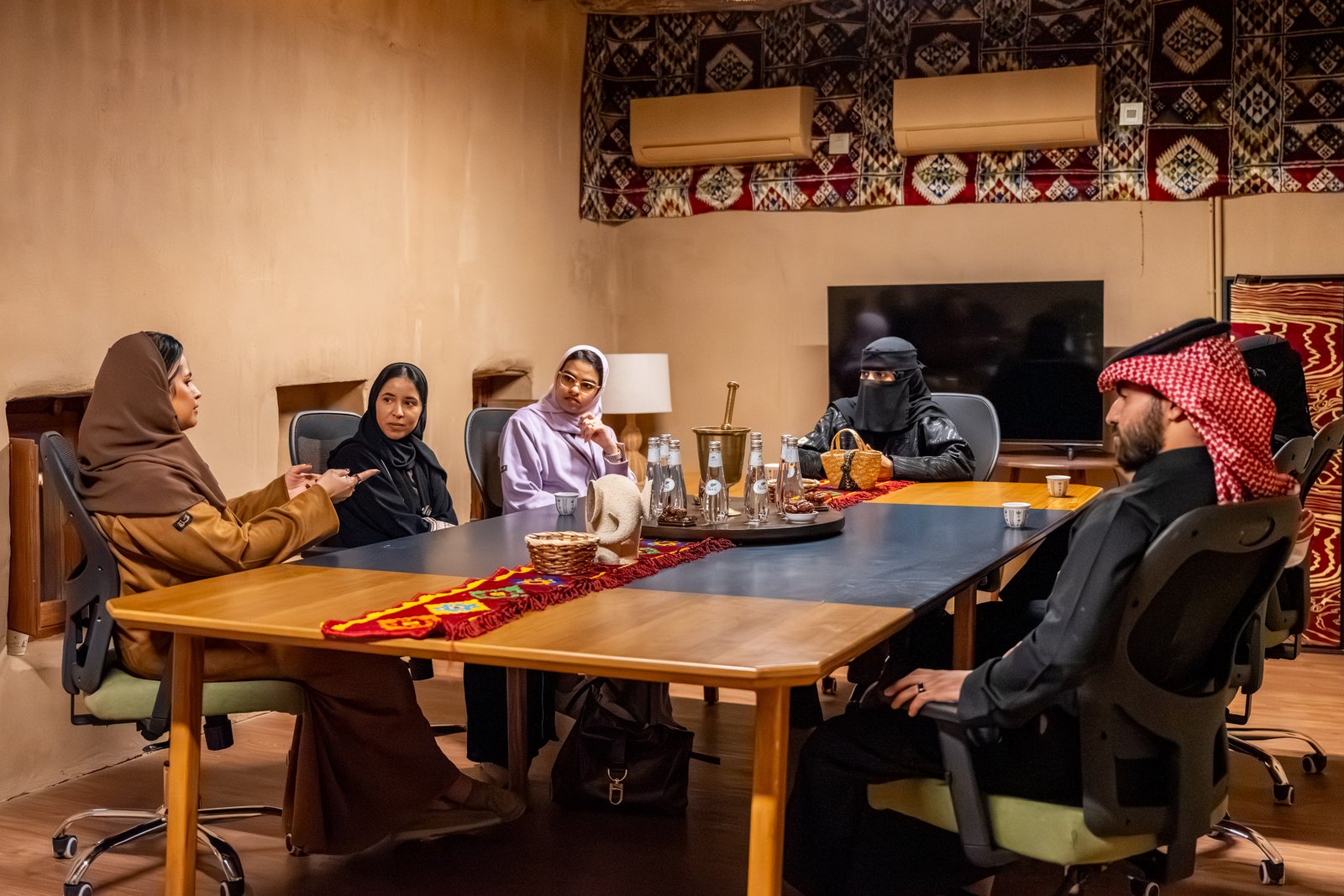
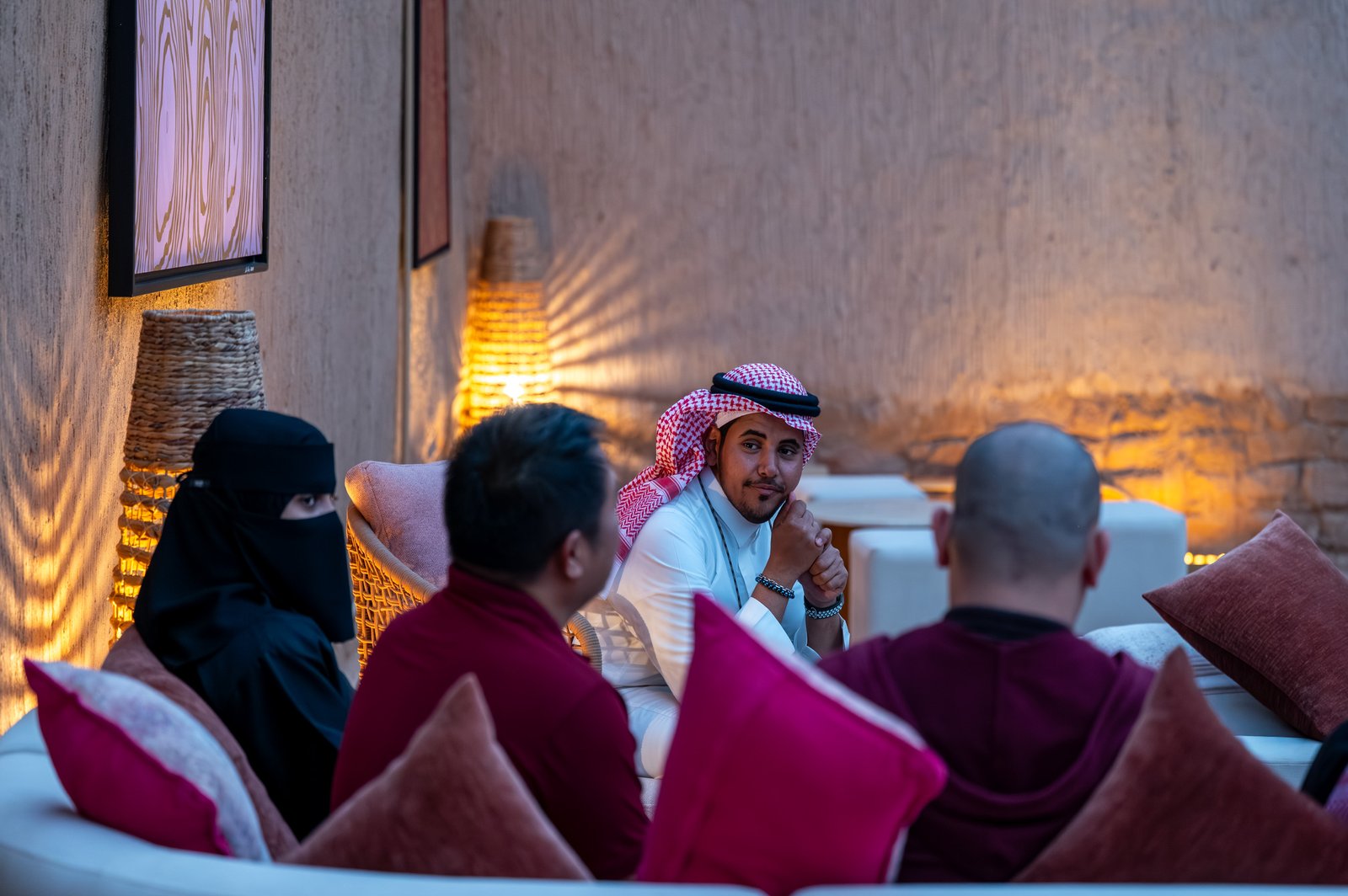
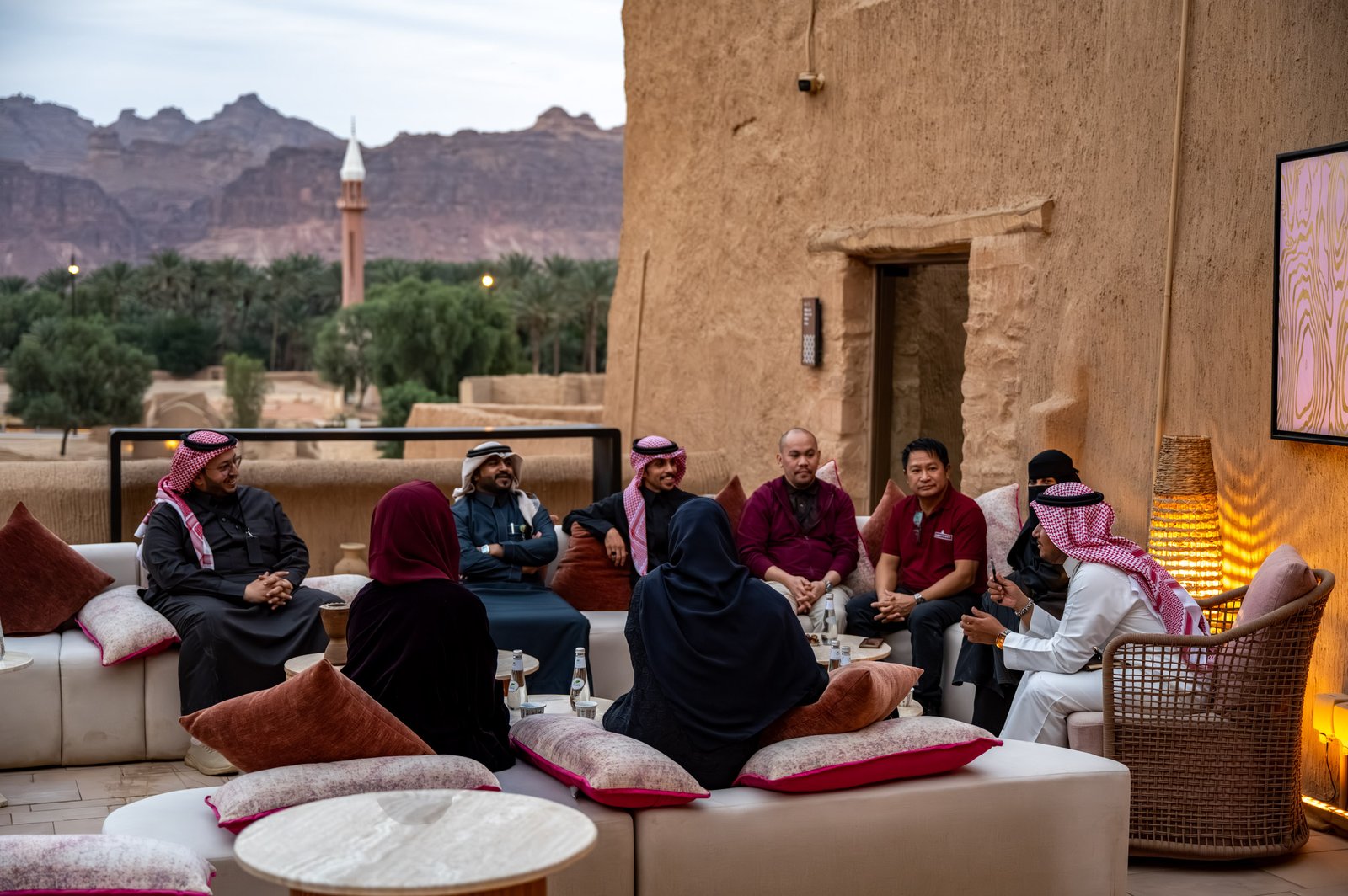
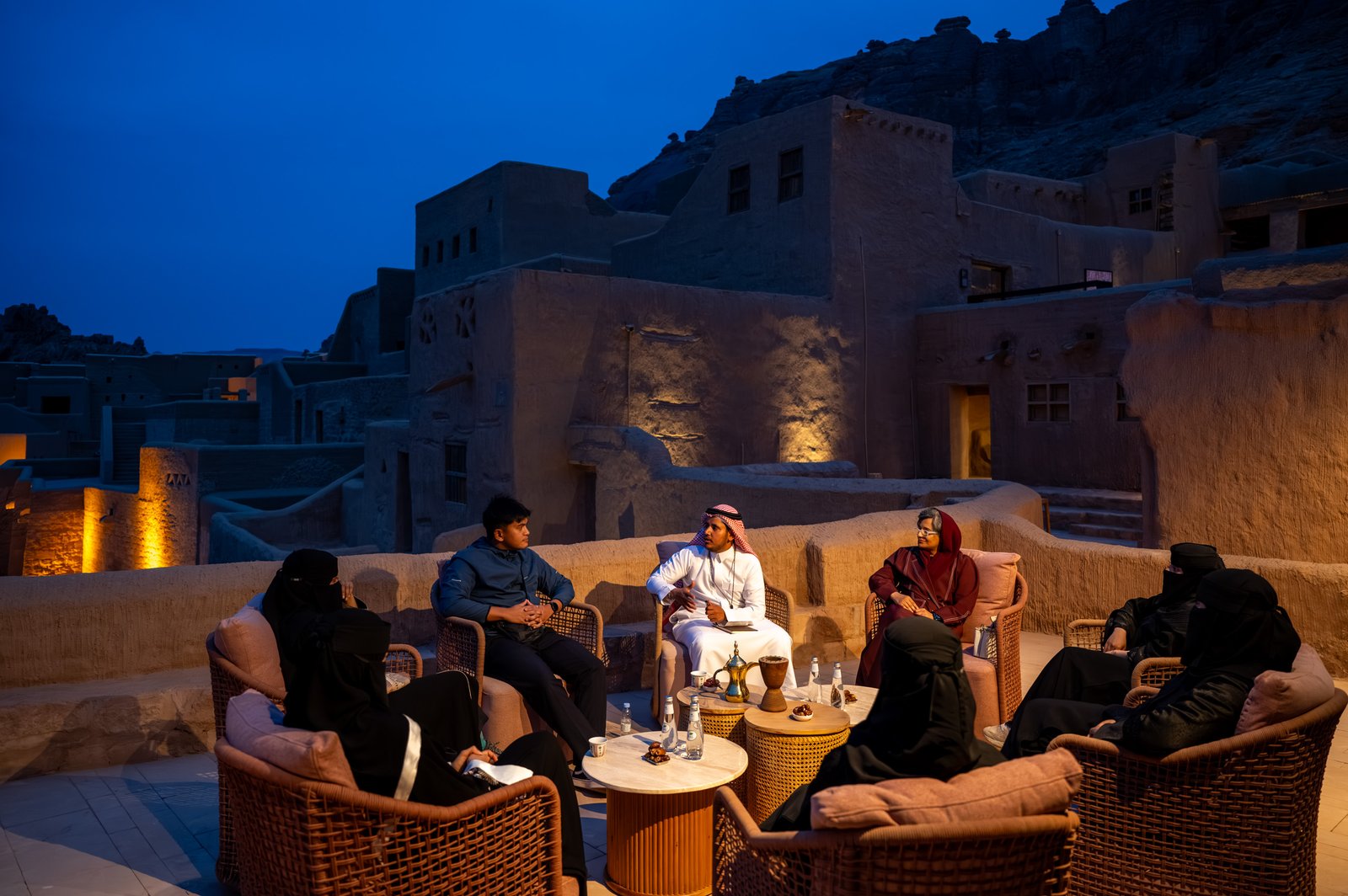
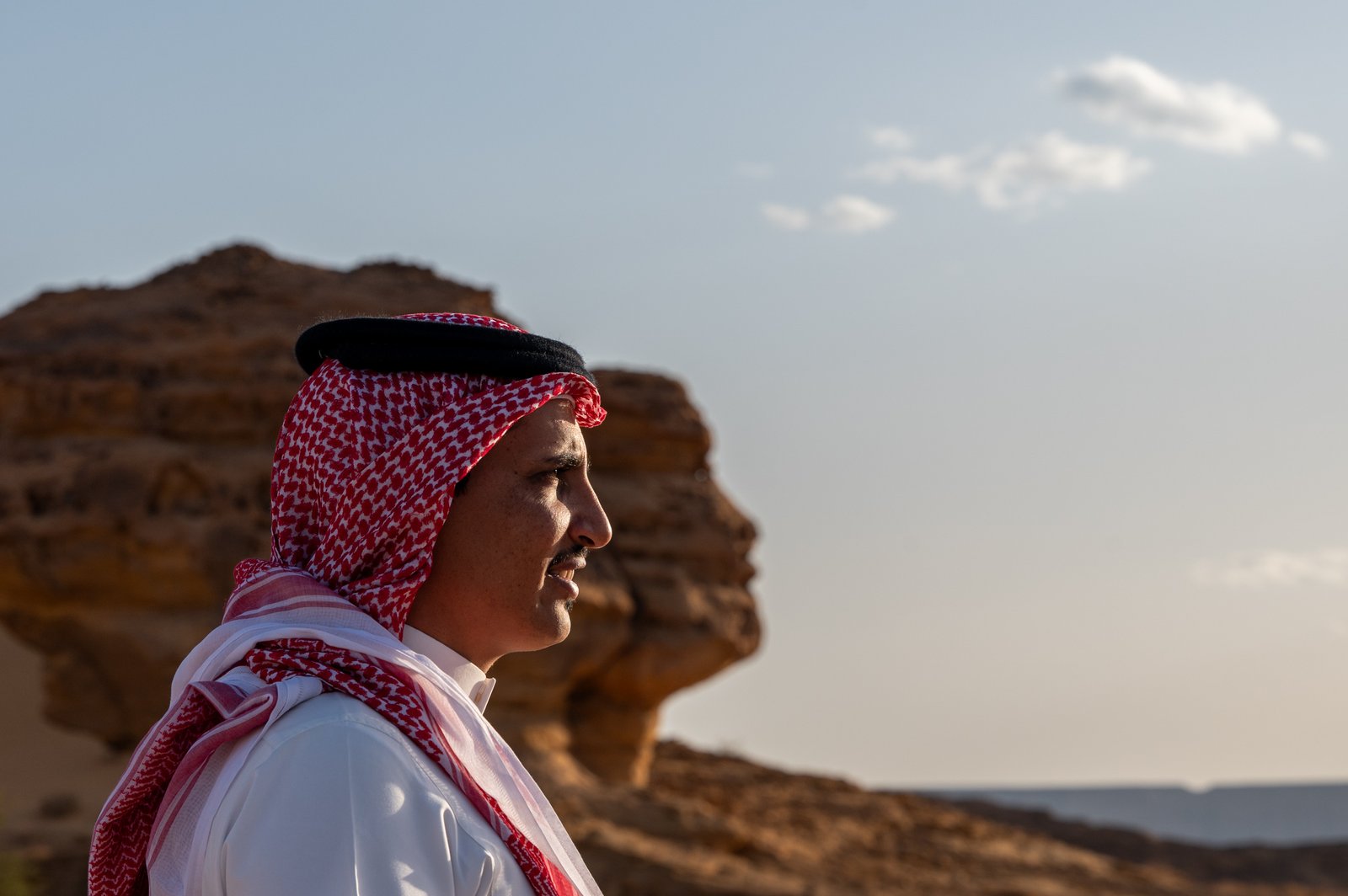
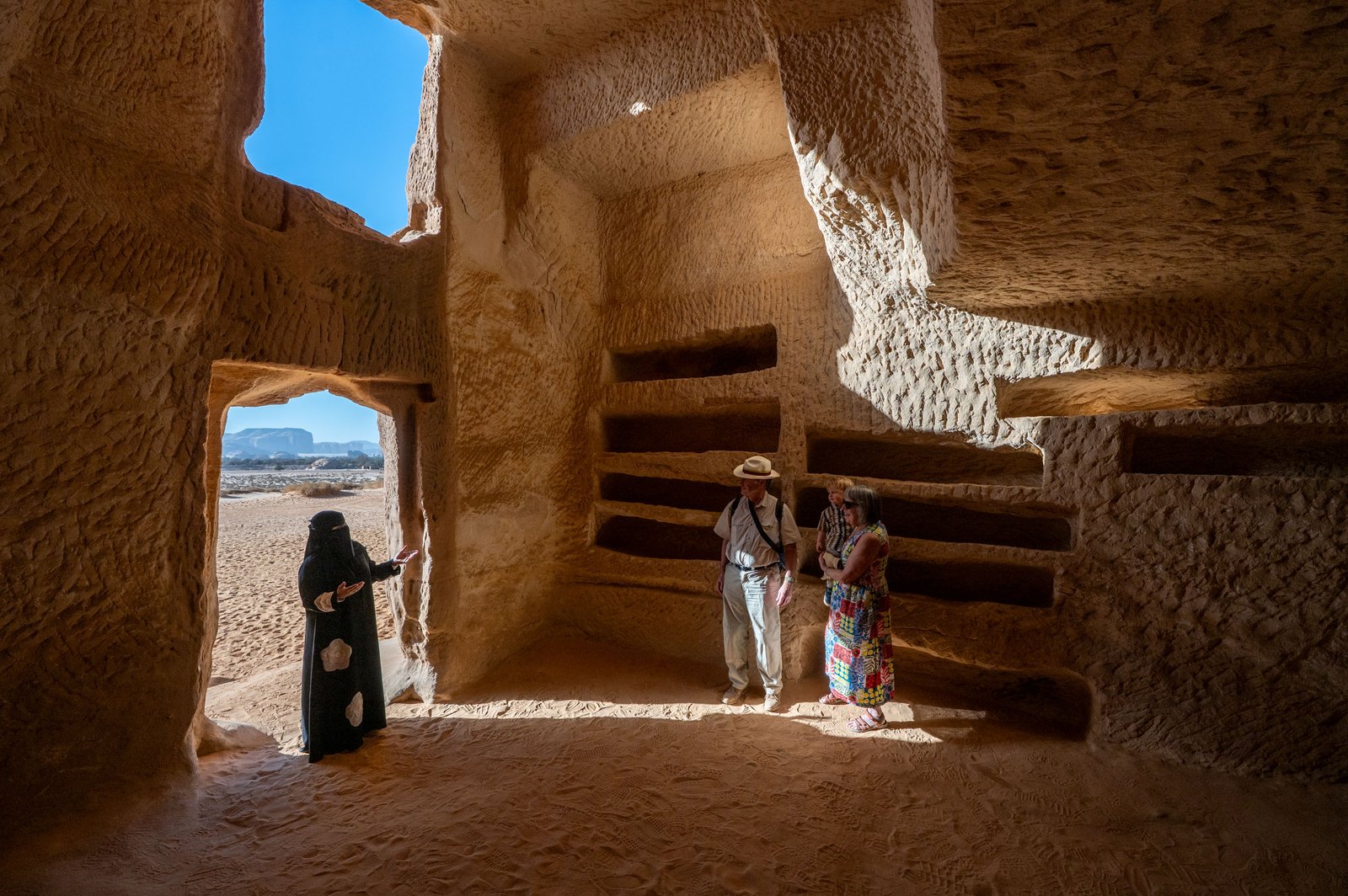
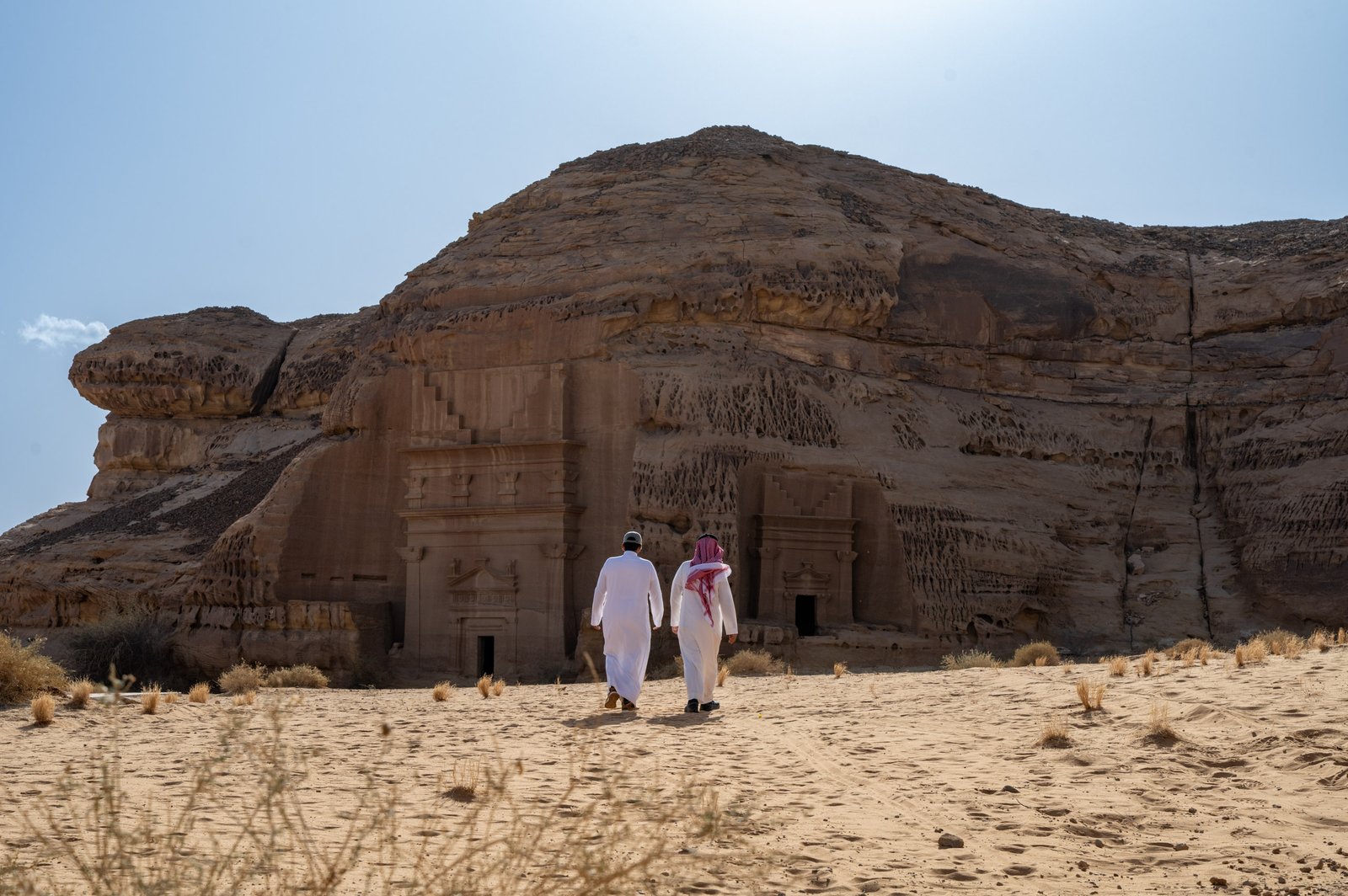
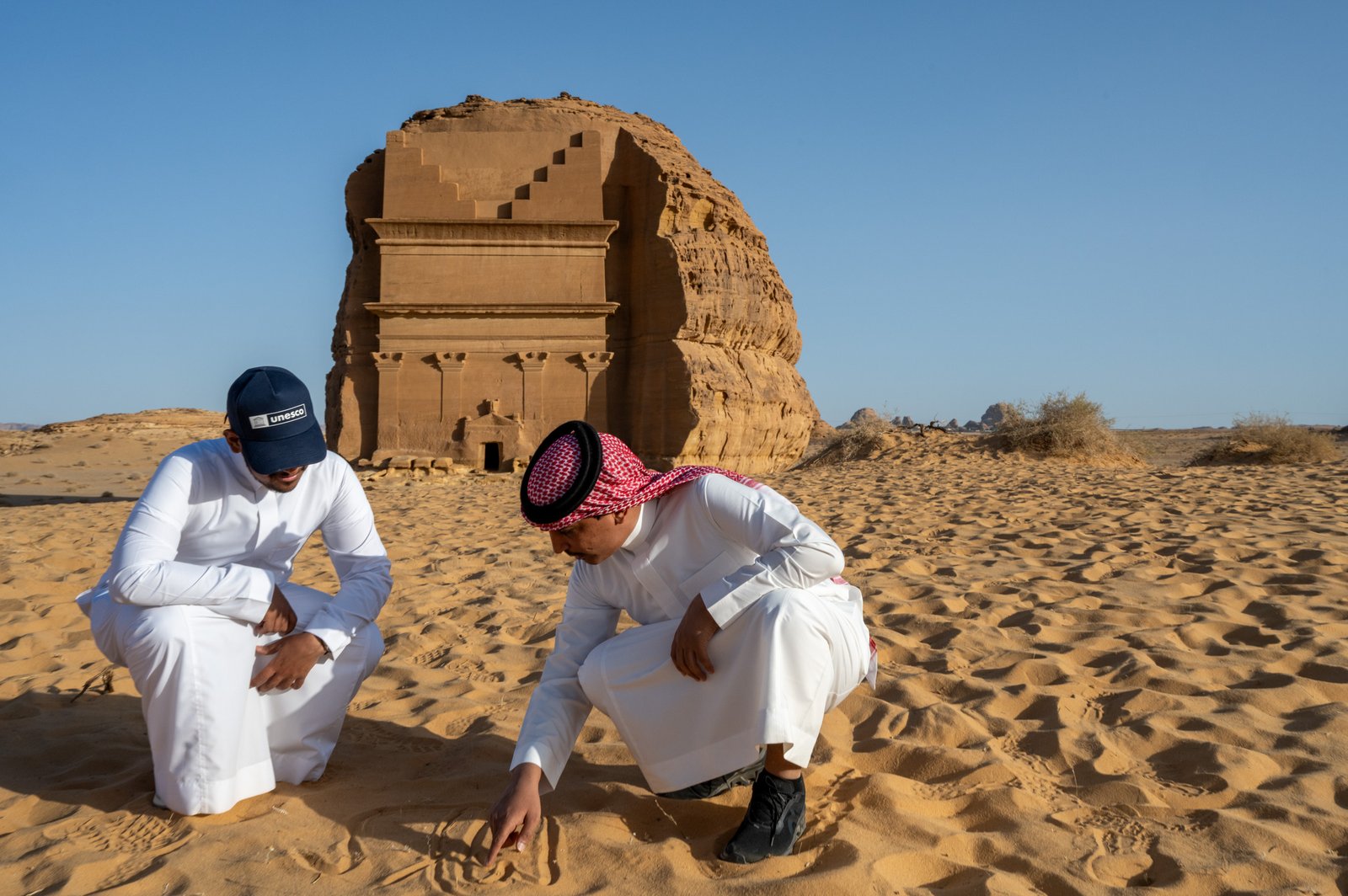
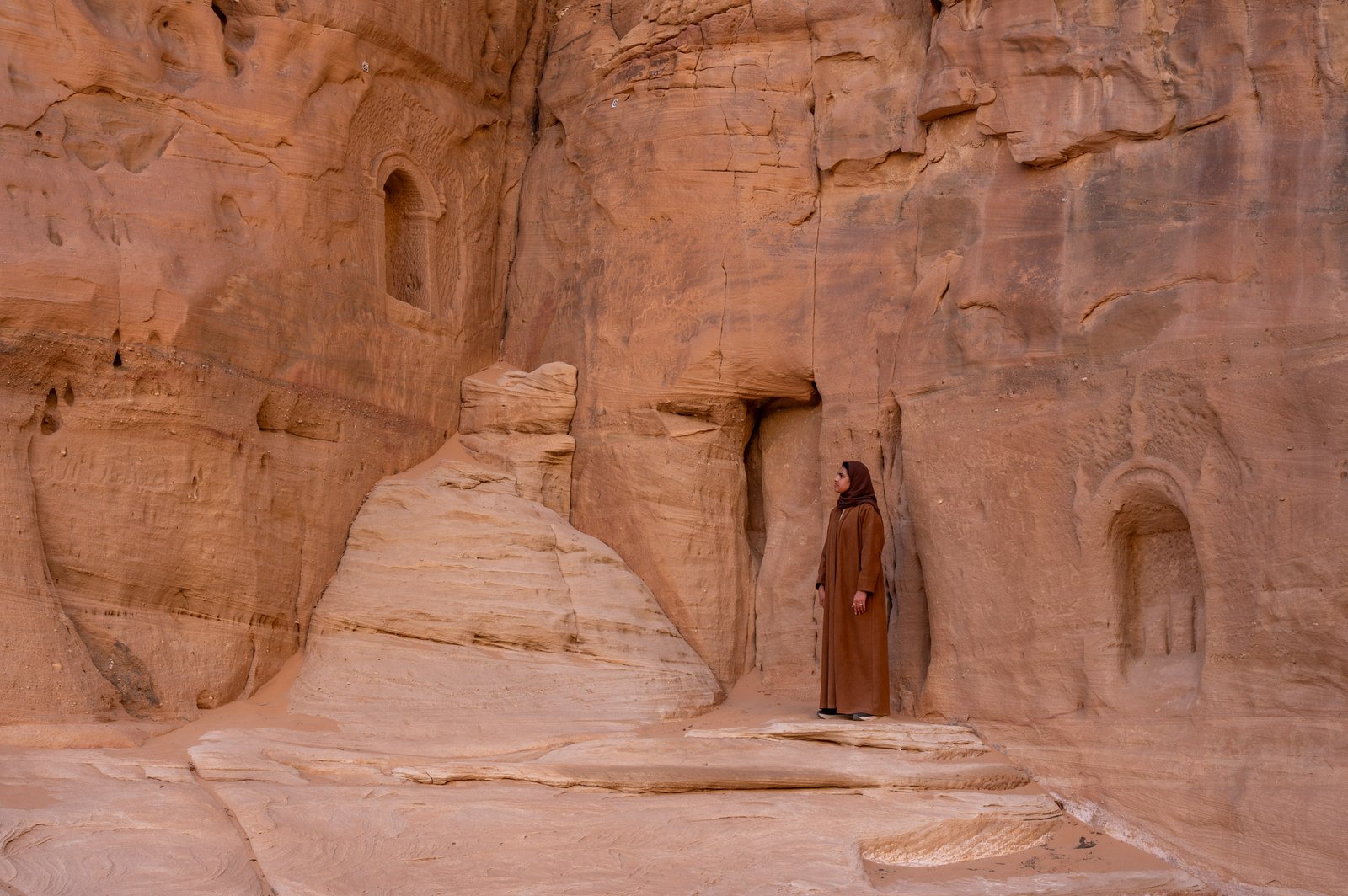
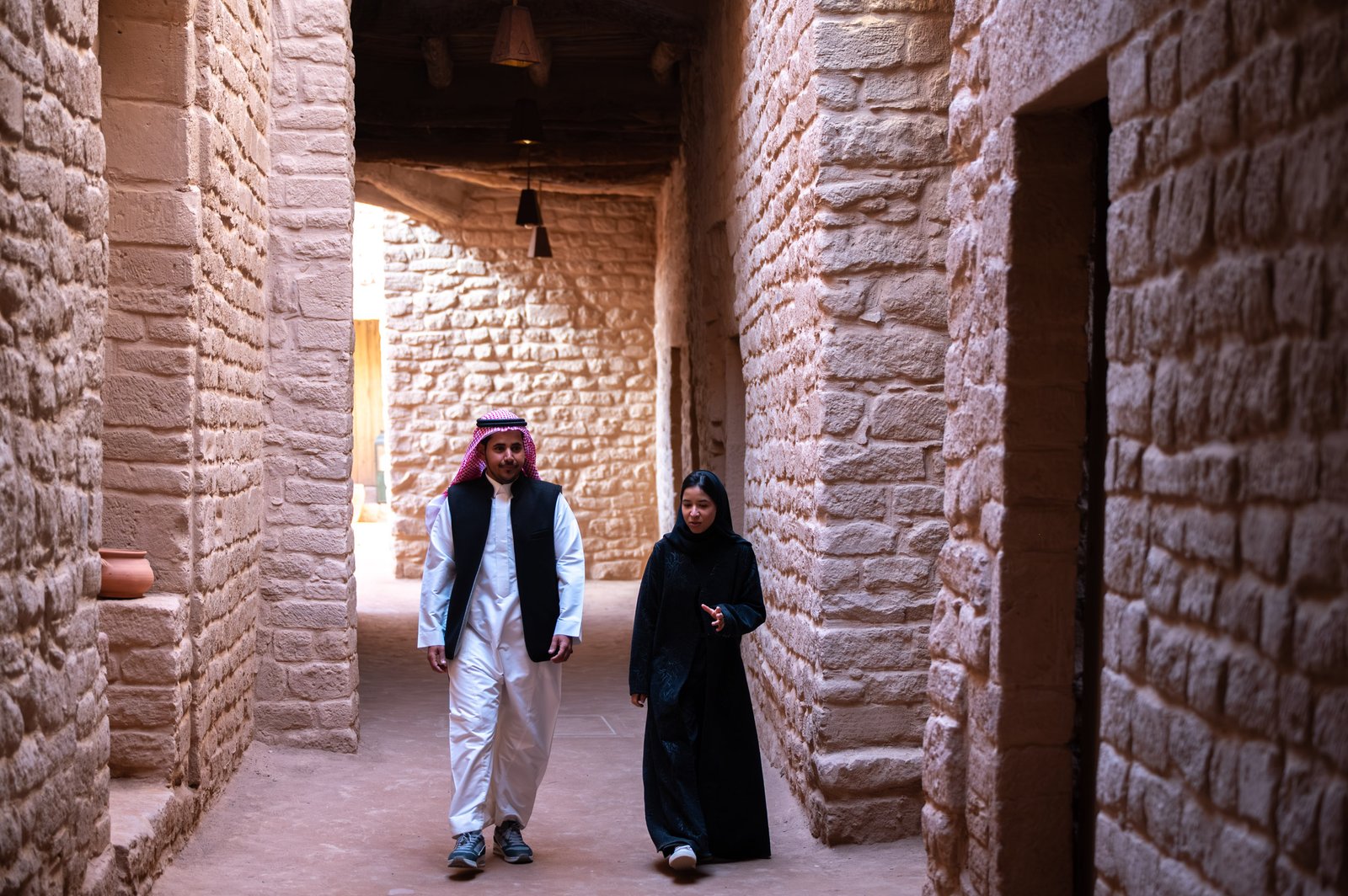
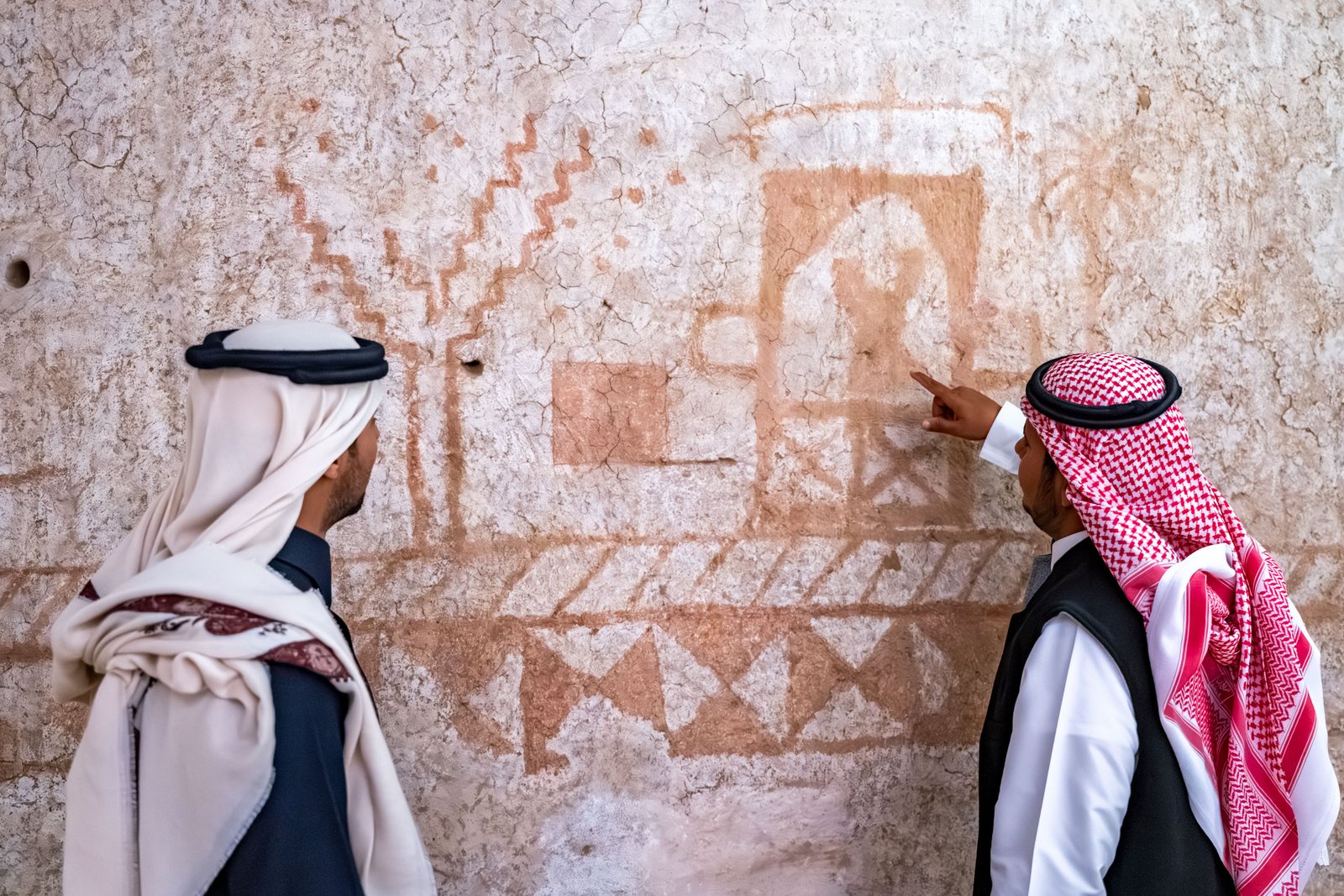
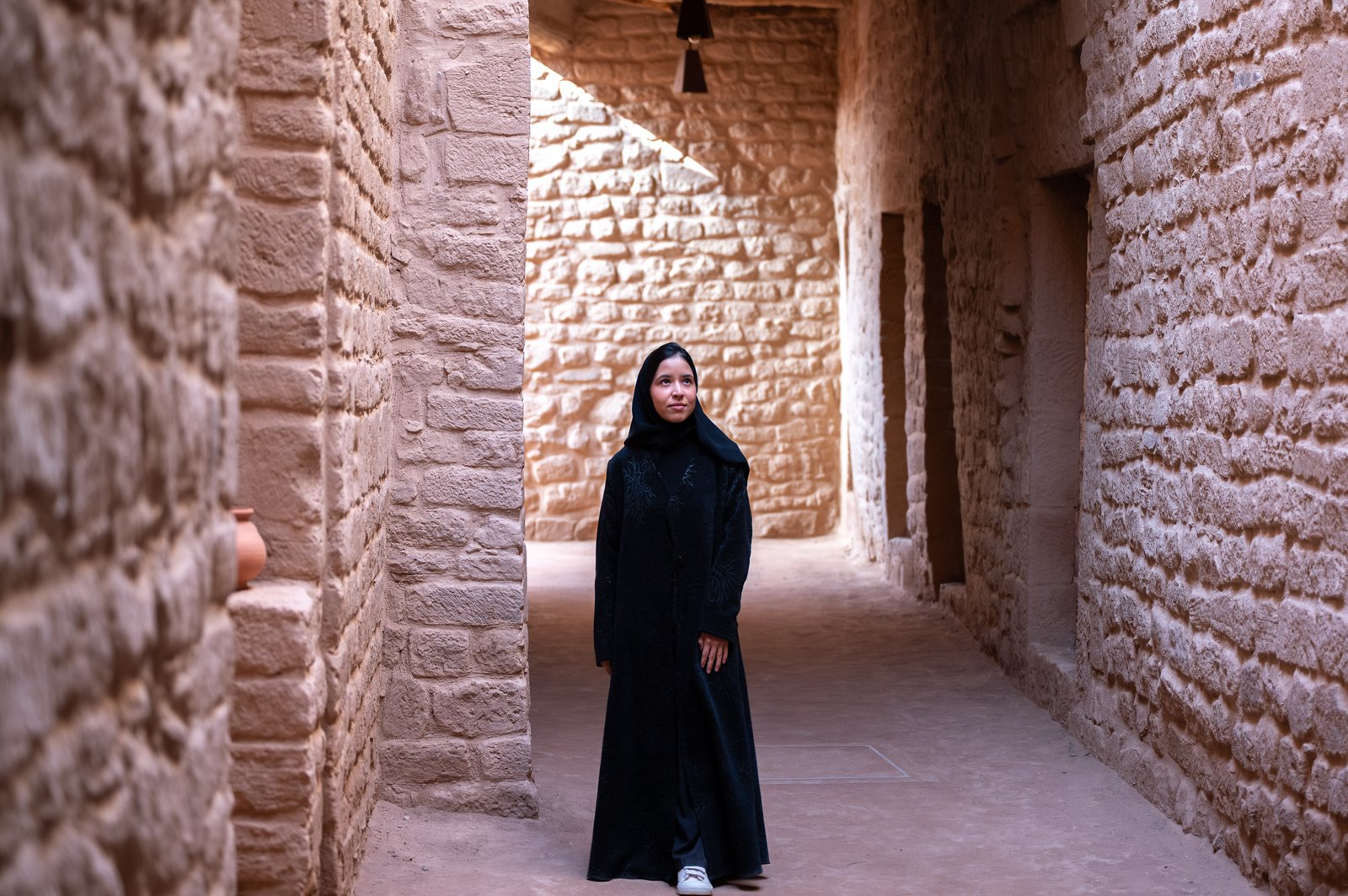
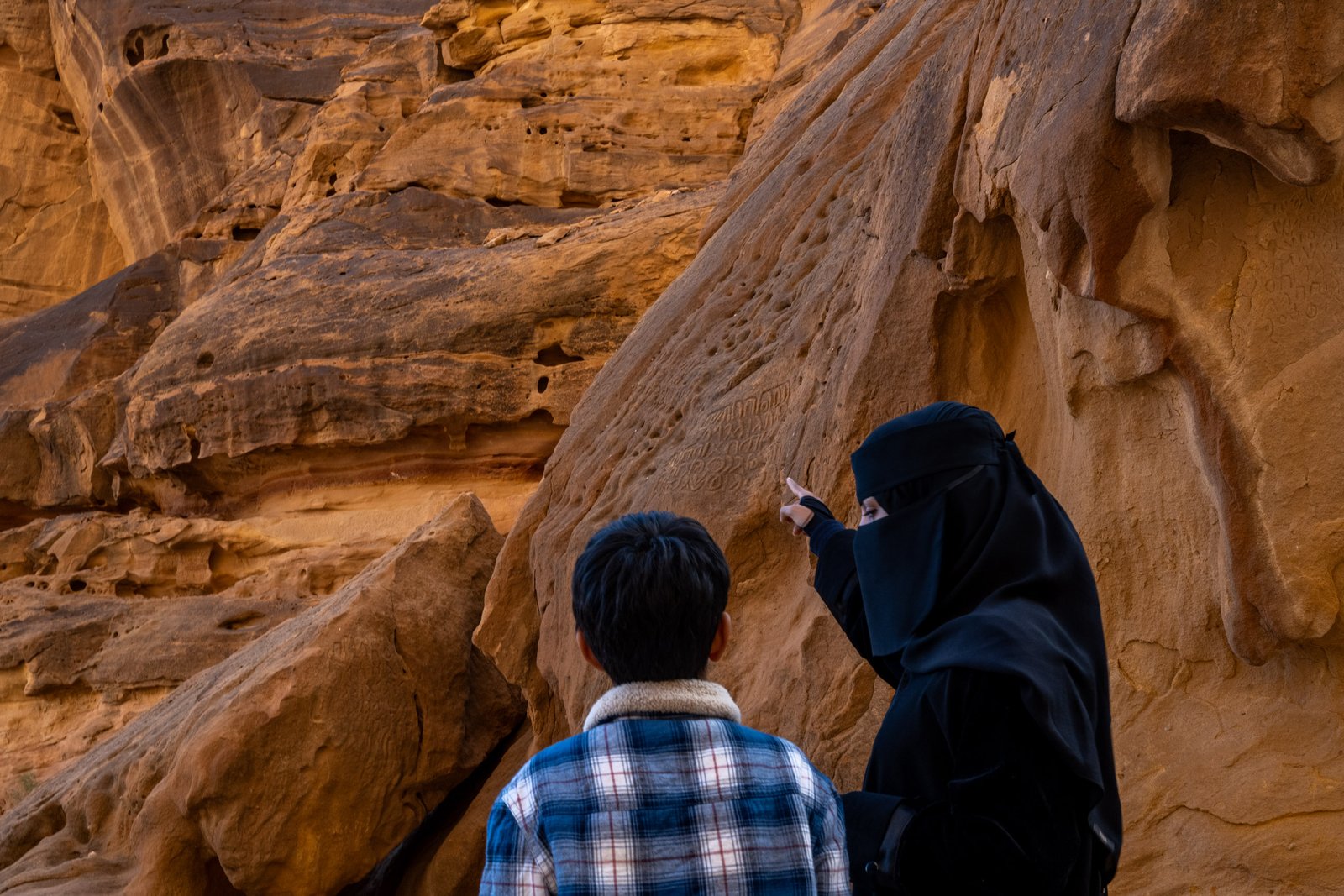
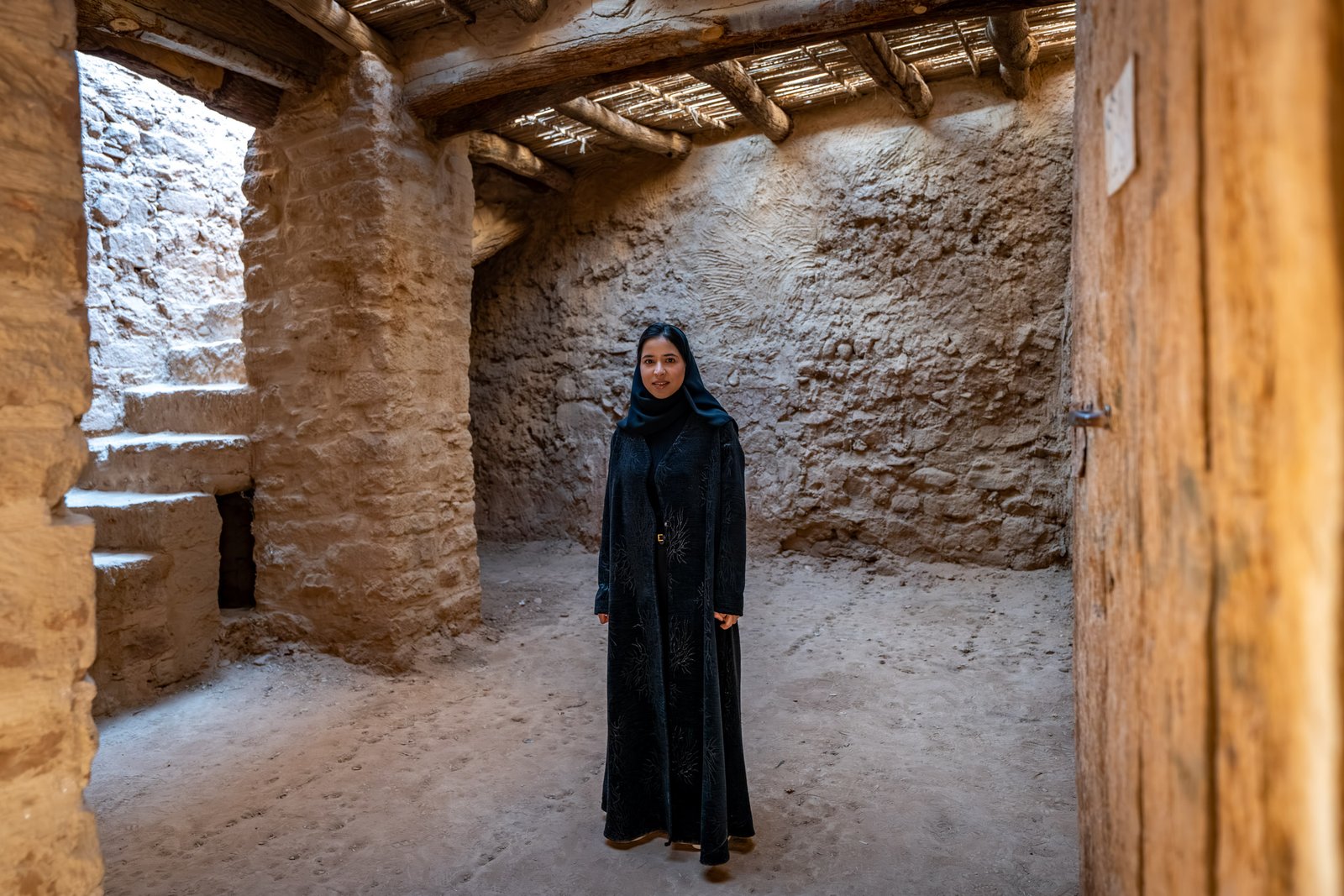
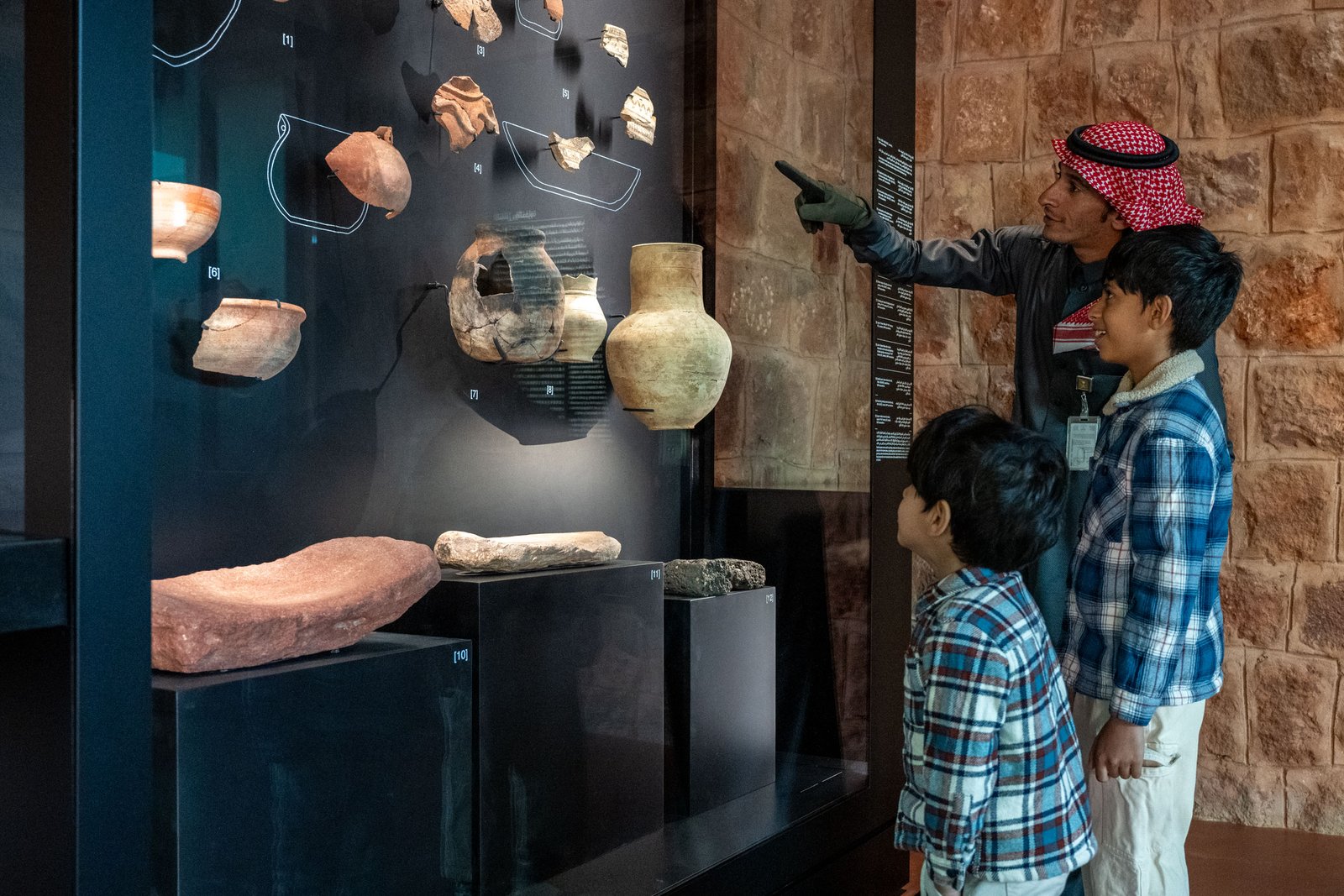
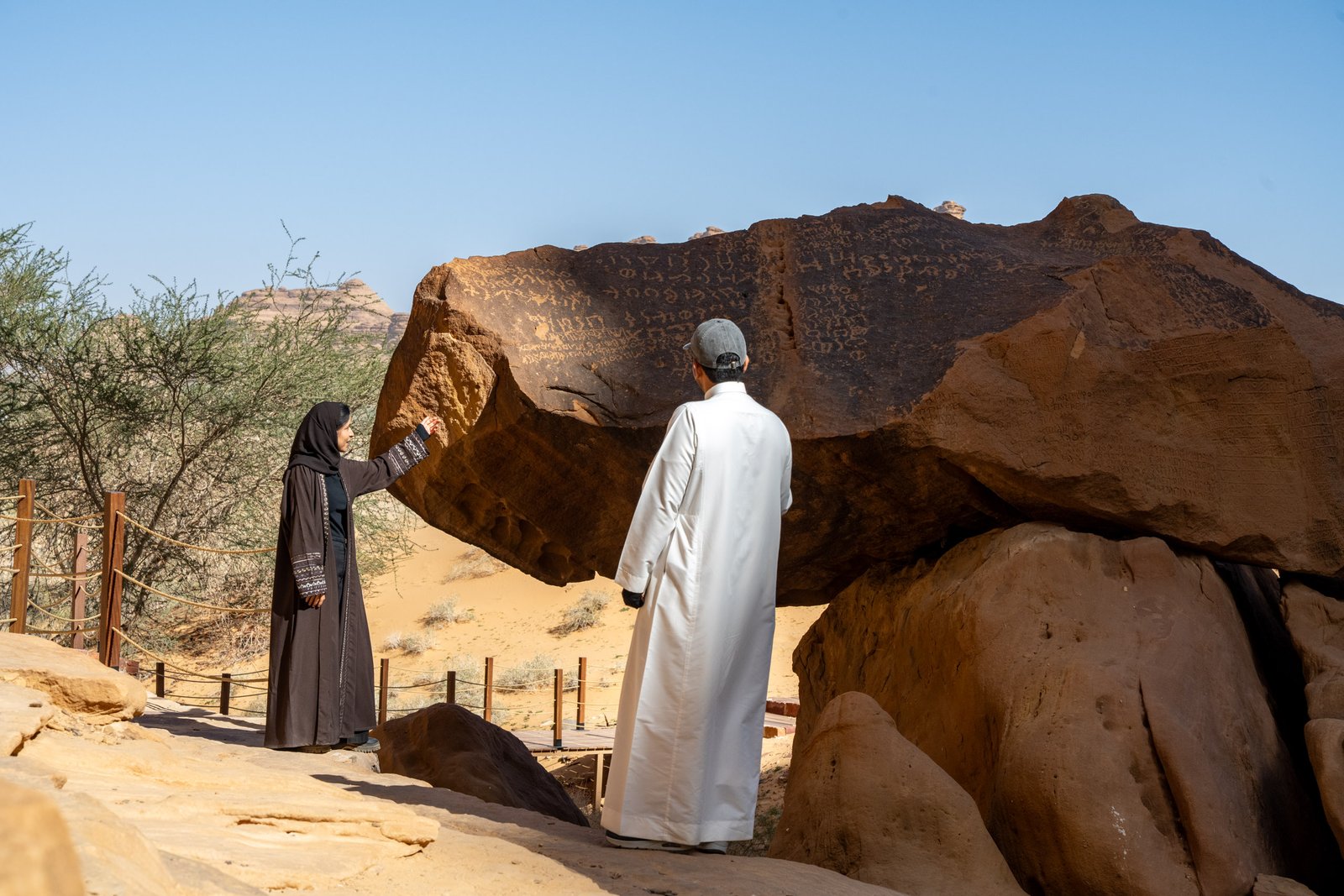
Photographing UNESCO’s “I Am a Rawi” project in AlUla was an inspiring and deeply rewarding experience. The project celebrates the Rawis—storytellers who serve as guardians of oral tradition and keepers of AlUla’s collective memory. Through their voices, gestures, and narratives, the Rawis embody the living heritage of the region, passing down stories that connect generations and cultures.

At the heart of the initiative lies the concept of the Live Museum, a model that transforms AlUla into an open-air cultural landscape where history, art, and community intertwine. Within this framework, the Qissa bi Qissa (“Story by Story”) program brings the Rawis’ storytelling to life, allowing visitors to experience AlUla’s heritage through personal encounters and shared narratives. Each story becomes a bridge between past and present, between local identity and global understanding.
The Rawis play a vital role in facilitating intercultural dialogue. Their storytelling invites visitors to engage with AlUla’s traditions not as distant observers but as participants in a living exchange. Through their words, visitors gain insight into the values, customs, and experiences that have shaped this ancient oasis, fostering empathy and mutual respect between cultures.
Capturing the Rawis through photography was more than documenting a project—it was witnessing the living pulse of AlUla’s heritage. Each portrait, each moment of storytelling, reflected the profound beauty of cultural continuity and the universal language of stories that bind people together across time and place.

For anyone near Paris, my photography is featured in an outdoor exhibition bringing AlUla’s living heritage to UNESCO Headquarters from 15 June to 31 August 2026

Read More
This website uses cookies to improve your experience. Cookie Policy