Planning a day in AlUla, Saudi Arabia, as a photographer
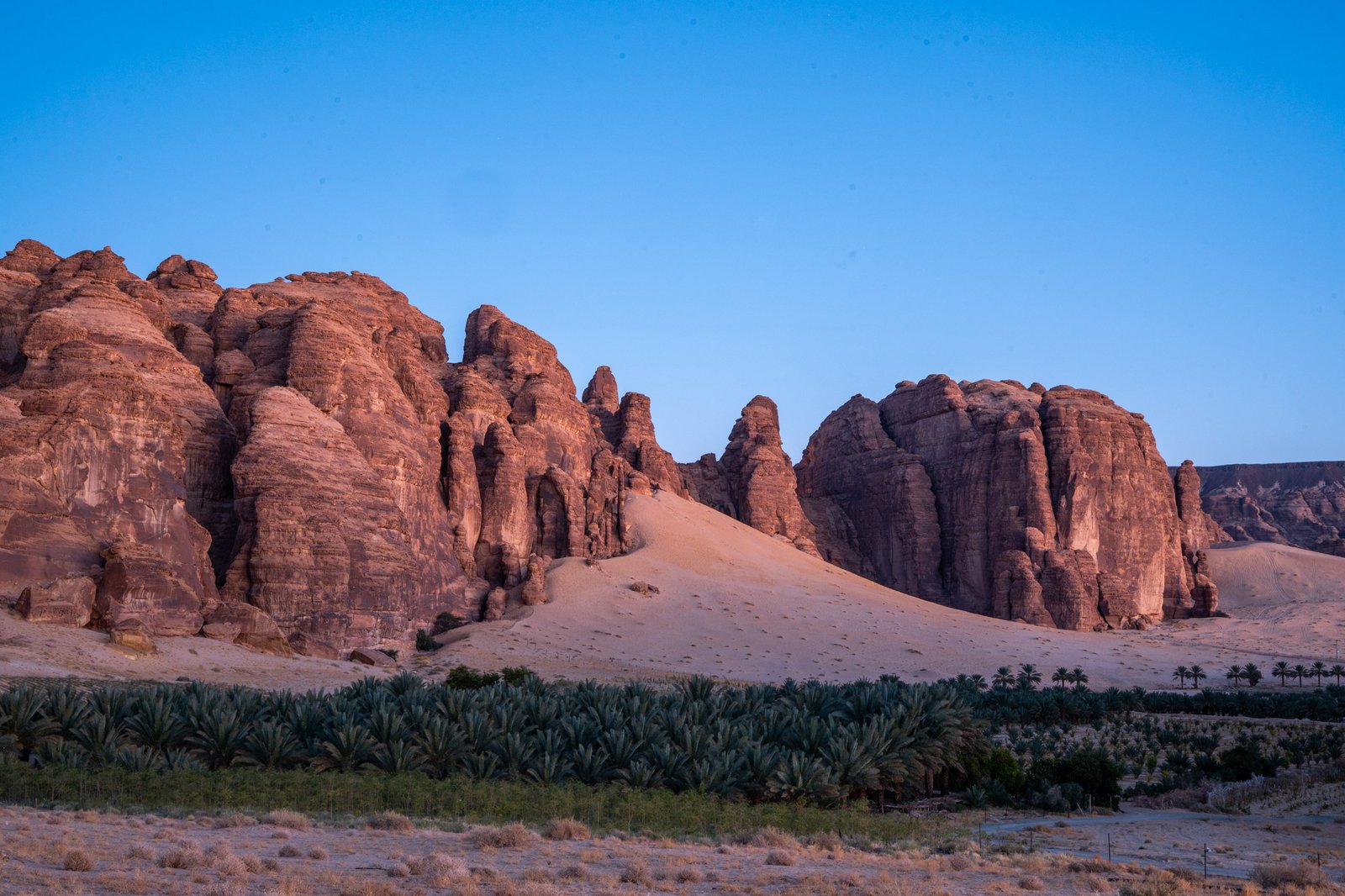
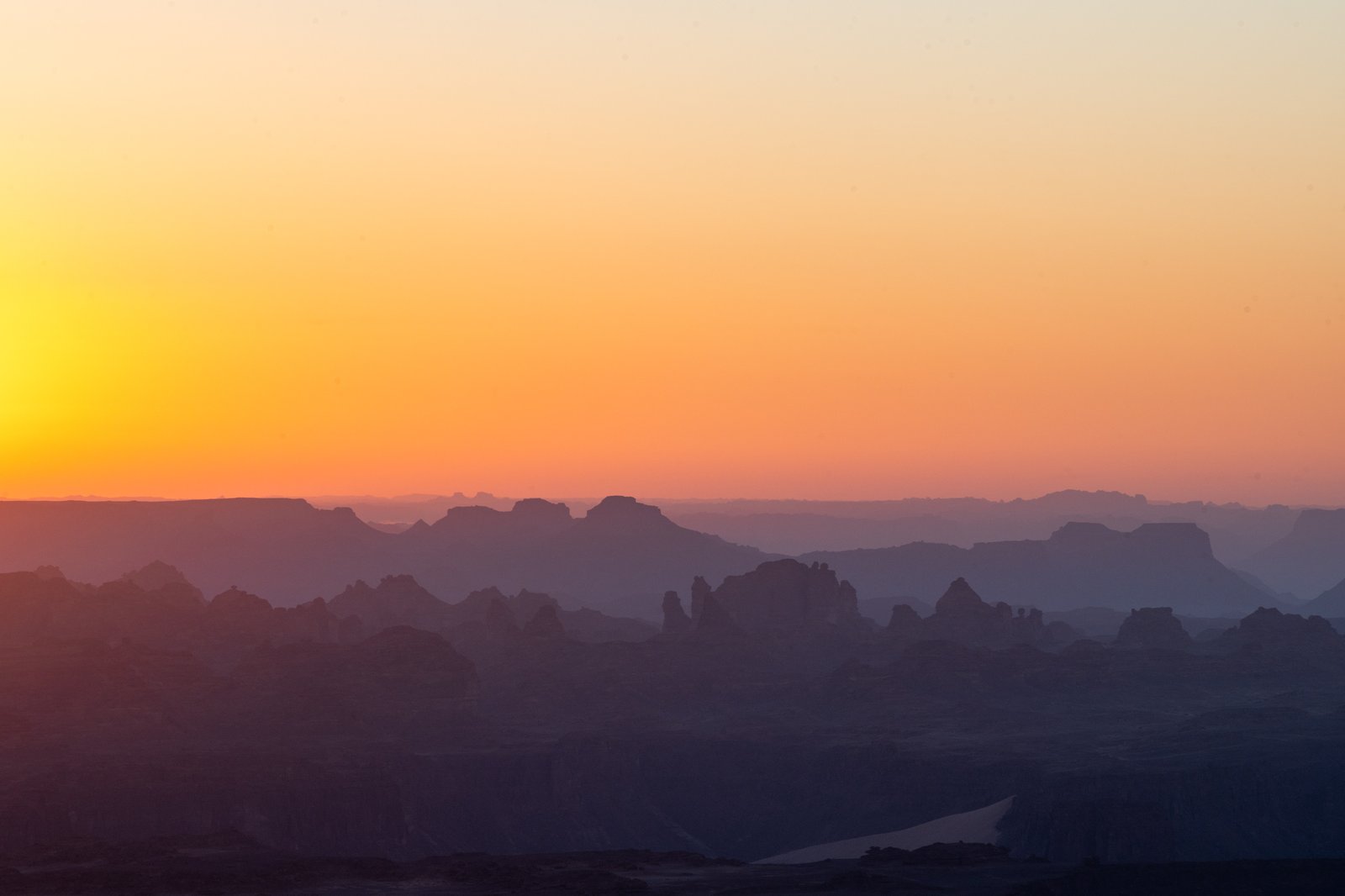
Sunrise: The Desert Awakens - The first light of day in AlUla transforms the desert into a painter’s palette of gold and rose. Sunrise sessions are best spent among the sandstone canyons and dunes that surround the valley.
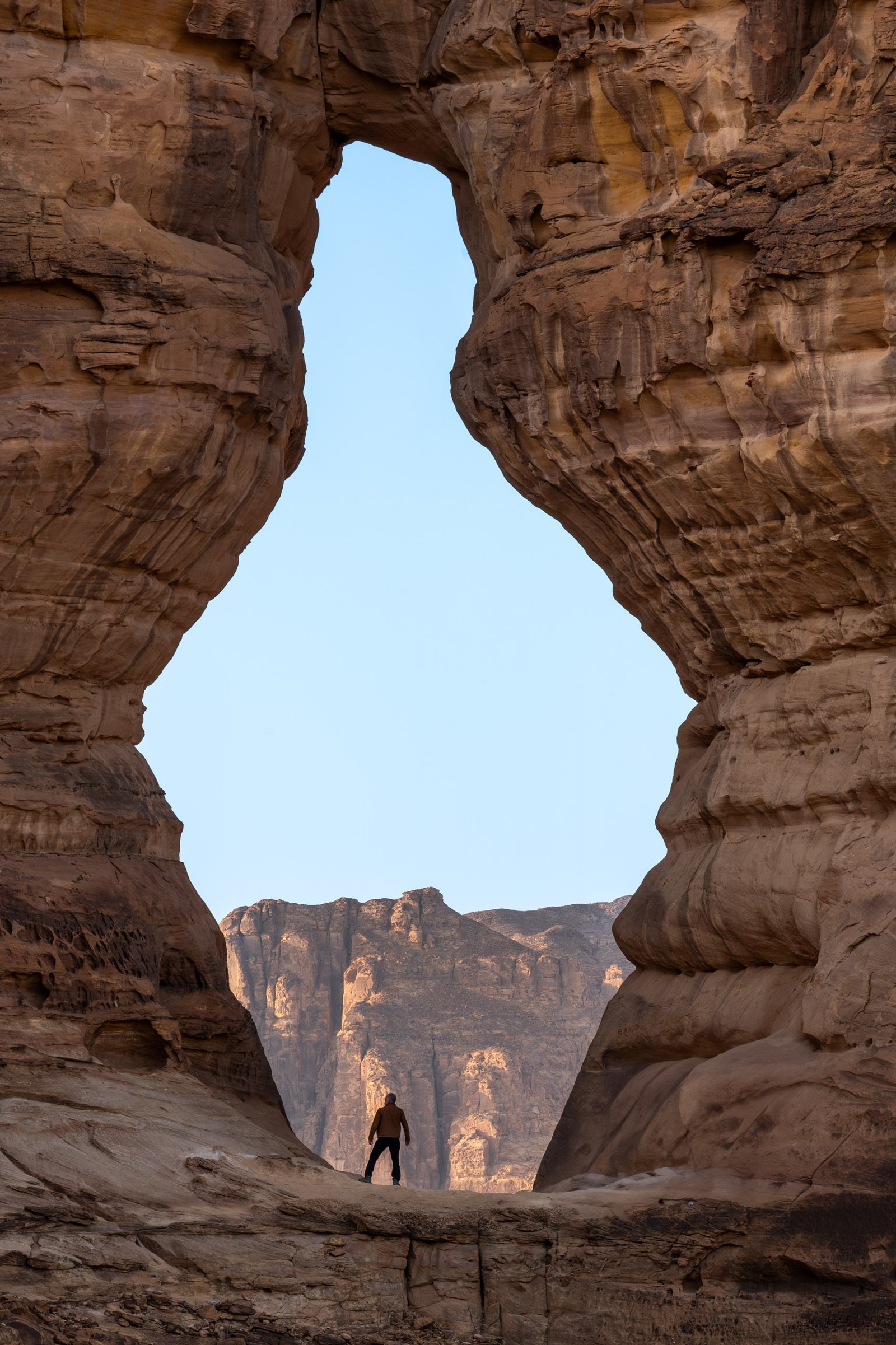
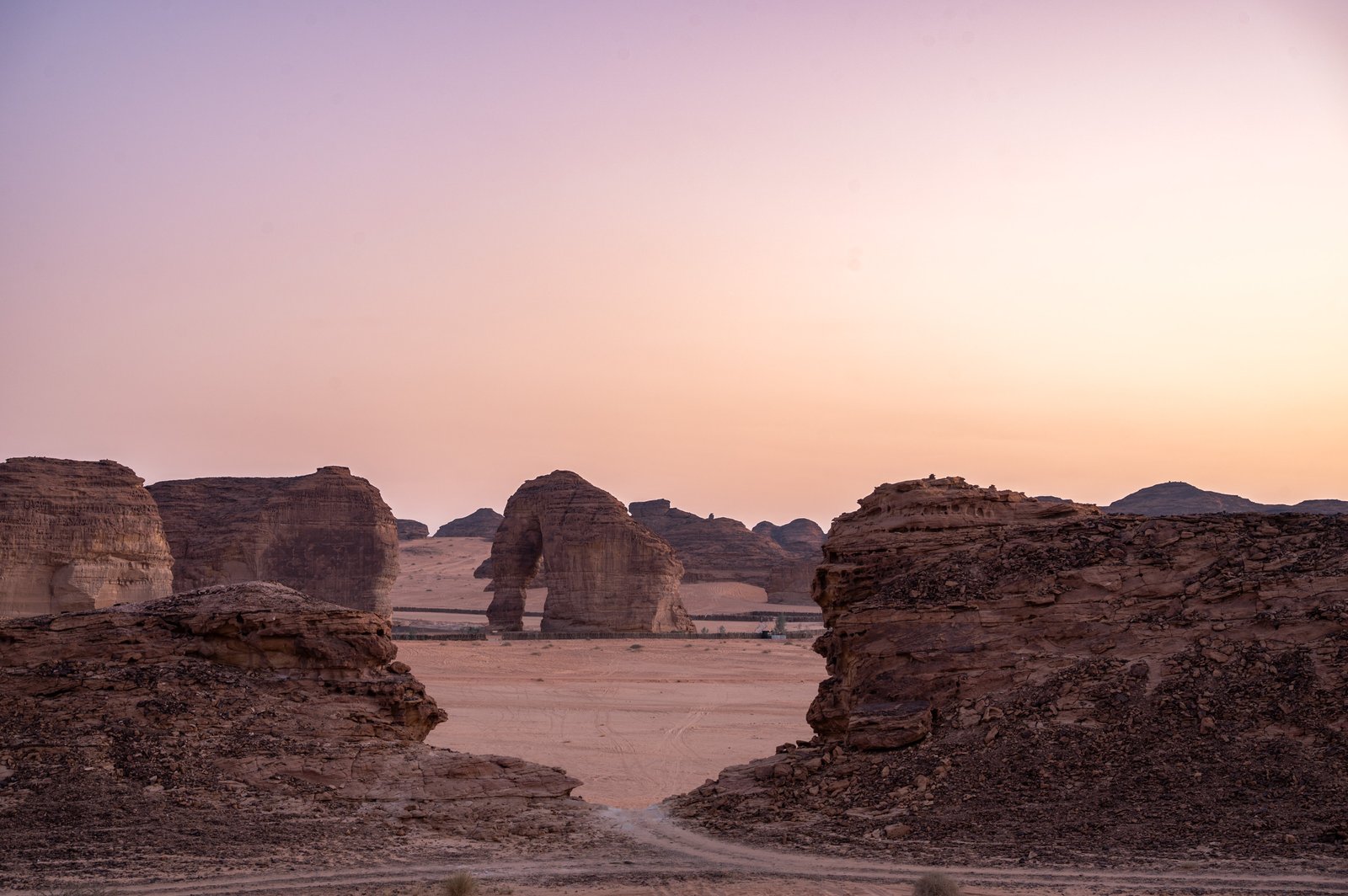
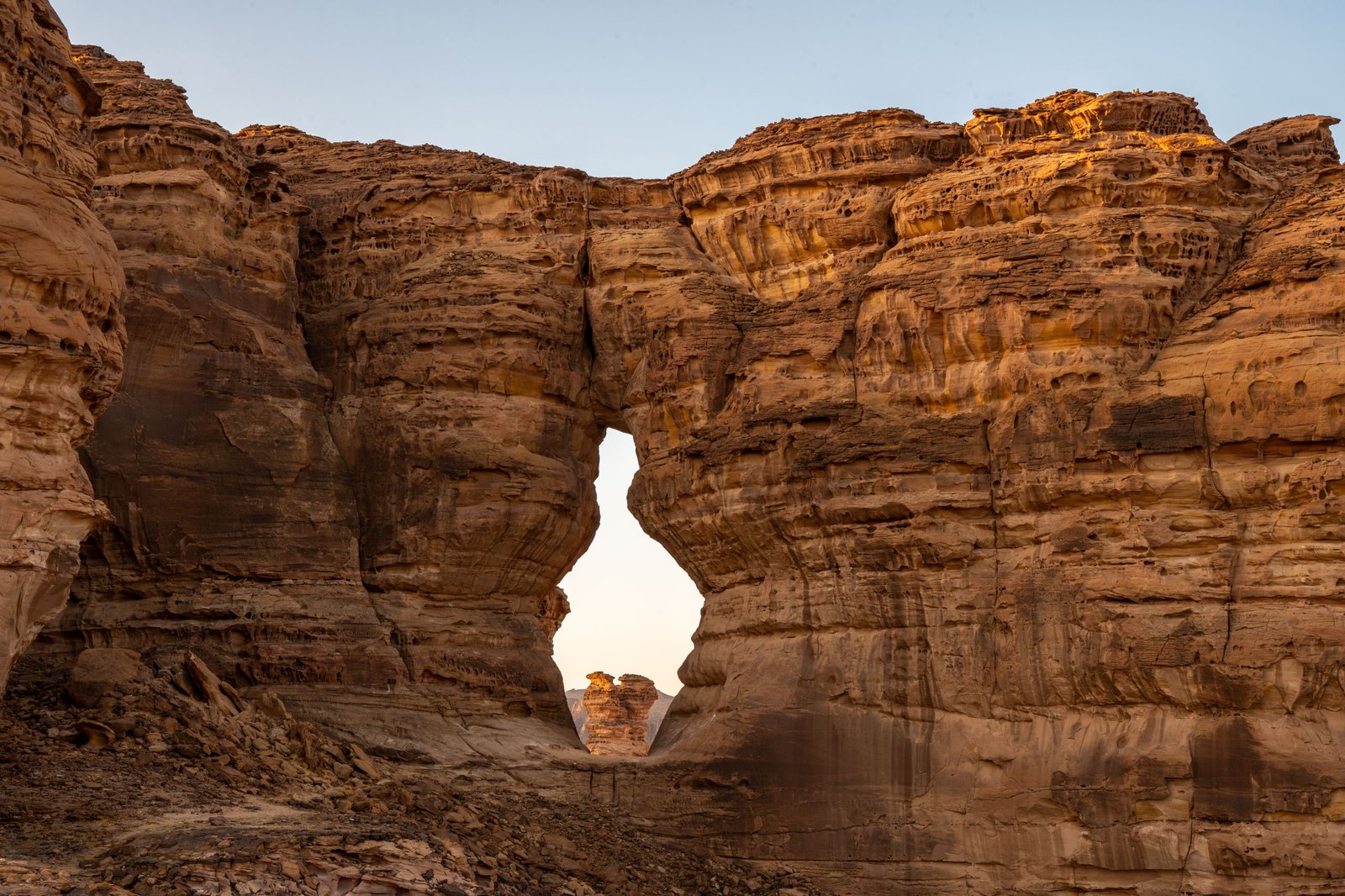
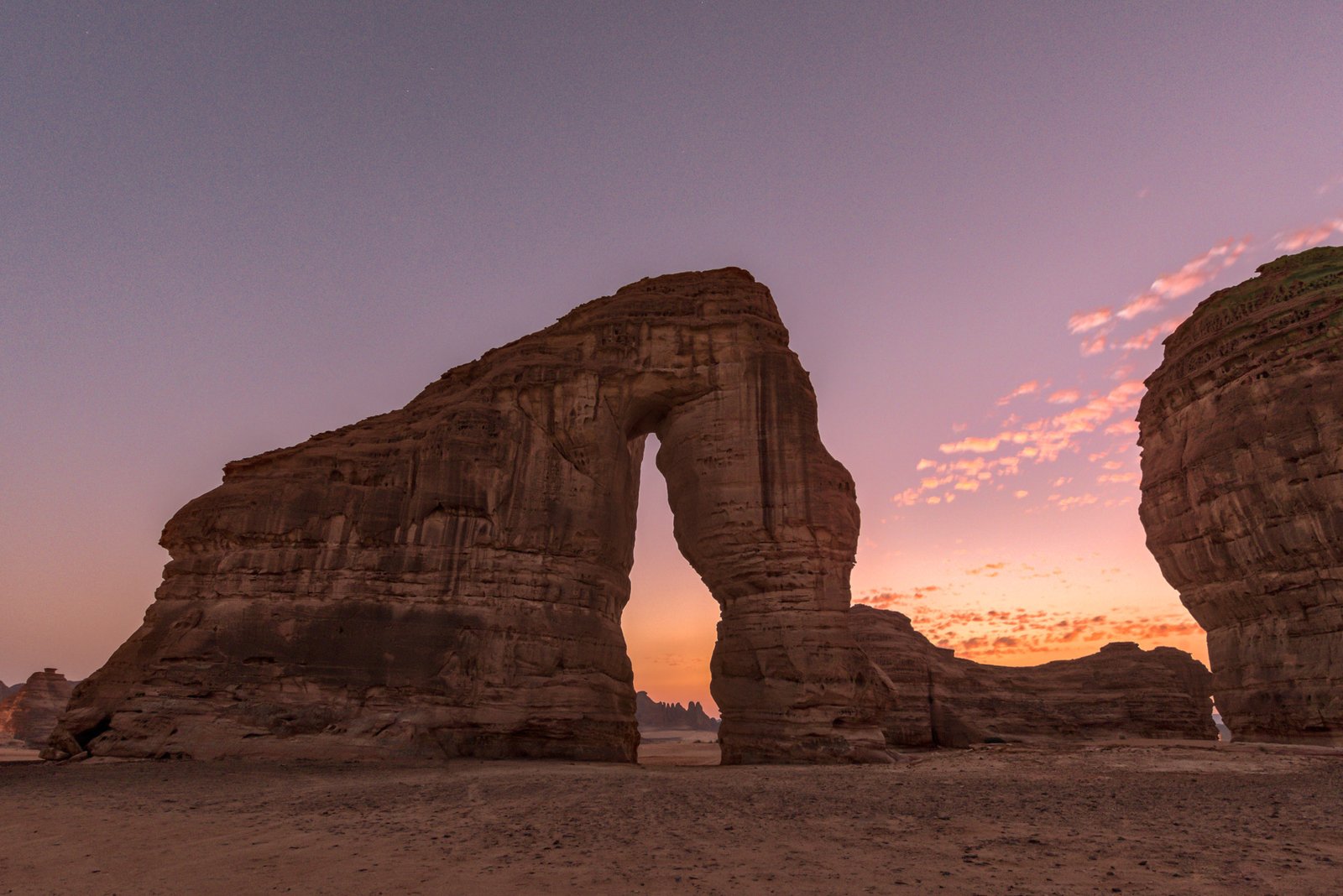
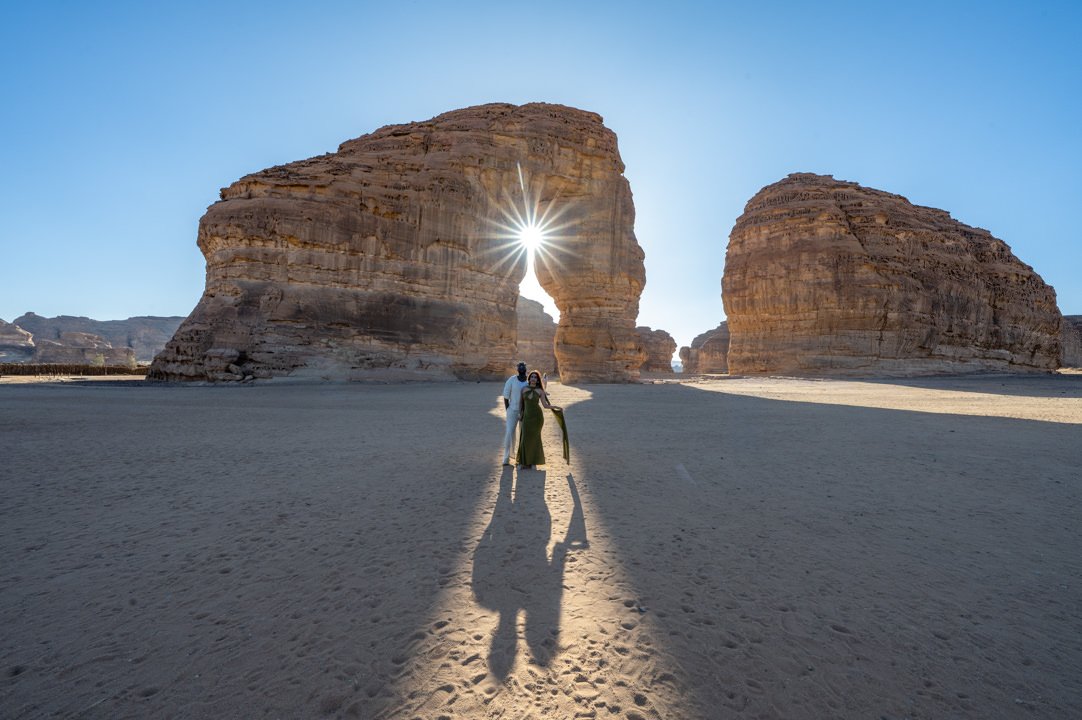
Elephant Rock (Jabal AlFil) & Jar Rock: One of AlUla’s most iconic landmarks, this natural rock formation resembles a giant elephant standing guard over the desert. Arriving before dawn allows for soft, diffused light that highlights the rock’s texture and the surrounding sand’s subtle gradients.
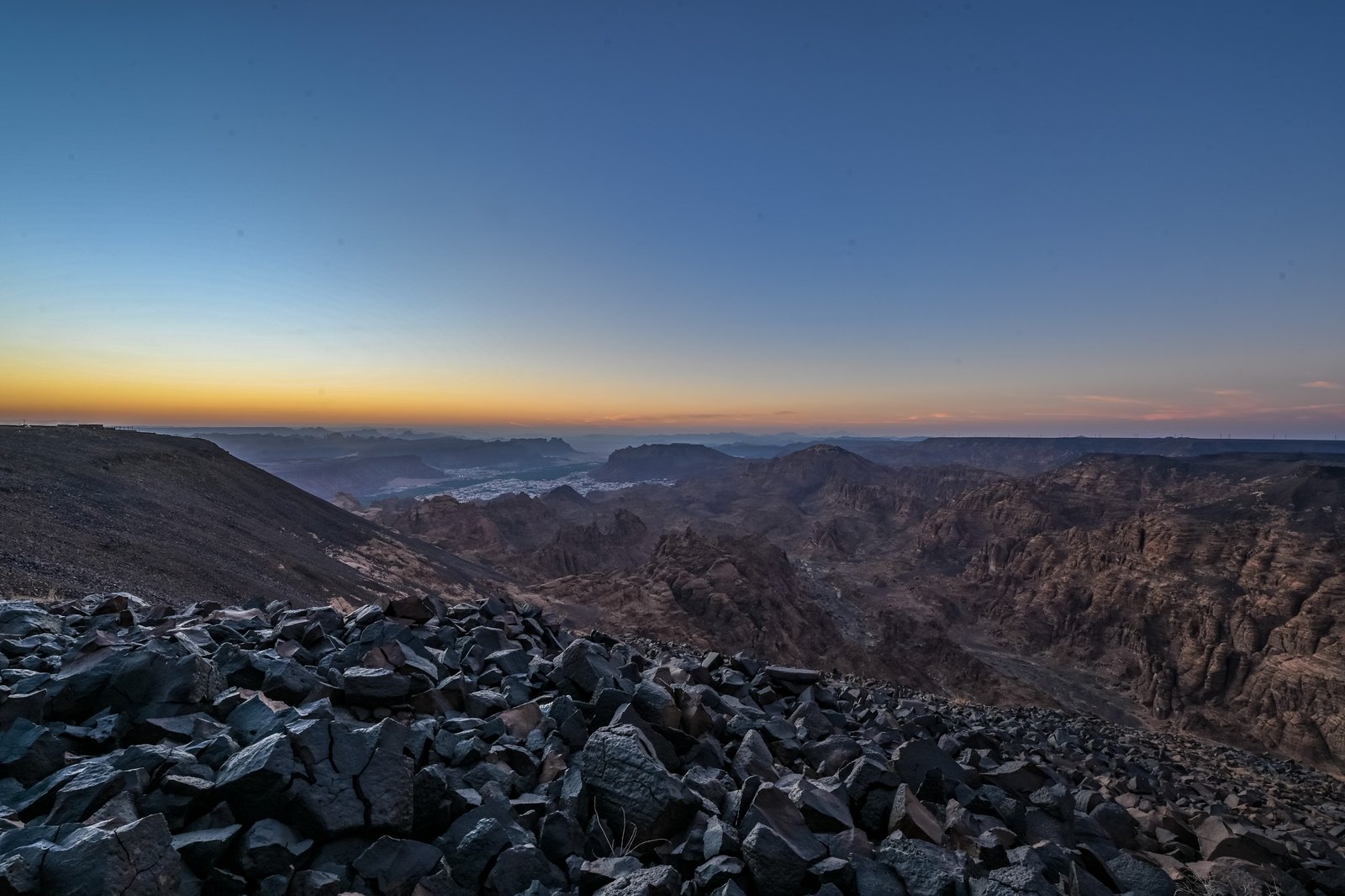
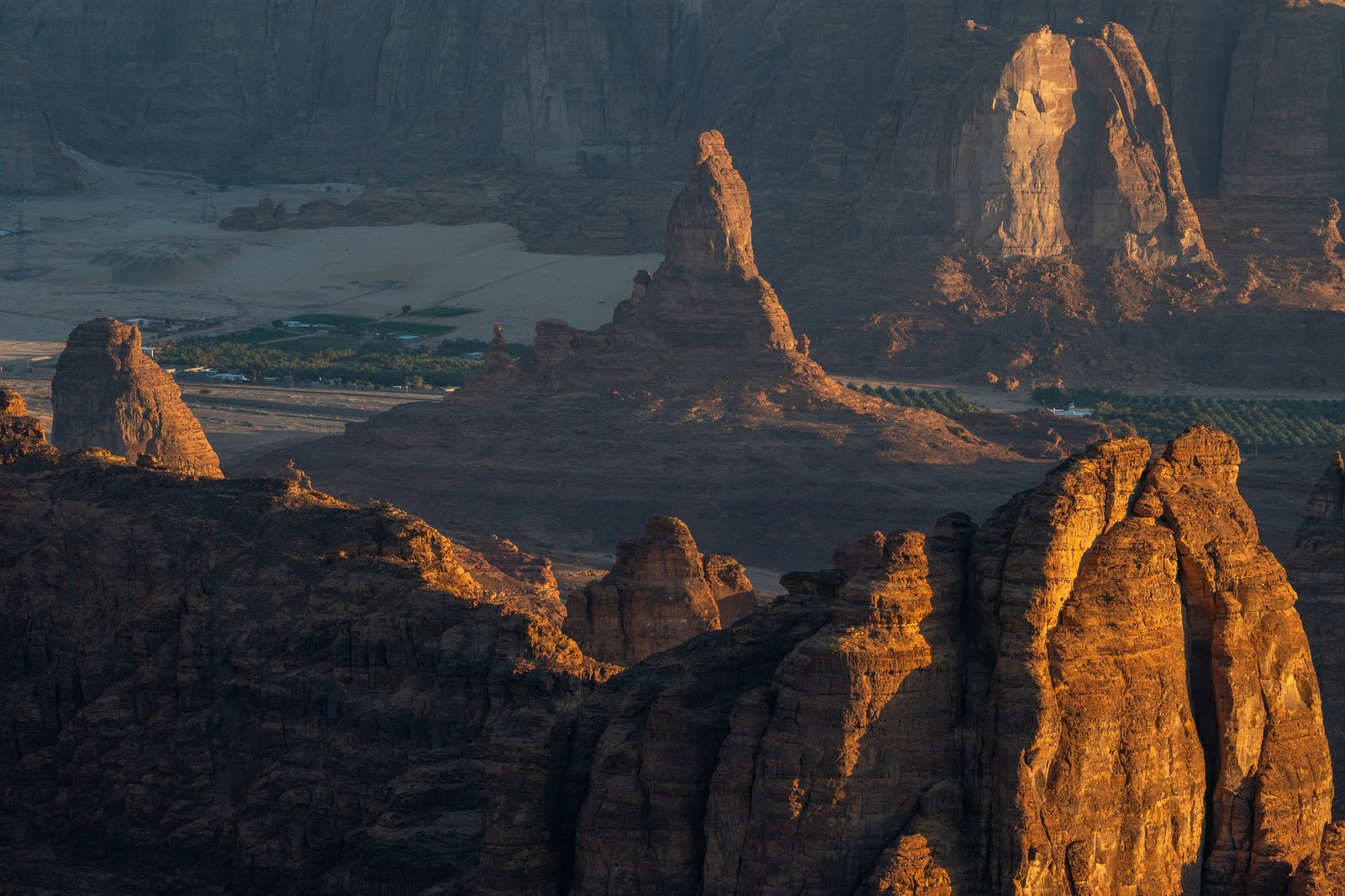
Harrat Viewpoint: A volcanic sea of black basalt overlooking the city of AlUla, it is often photographed at sunset. However, the early morning light is perfect for illuminating huge monoliths in the foreground with bright orange colours, while the background of desert and mountains slowly warms up behind.
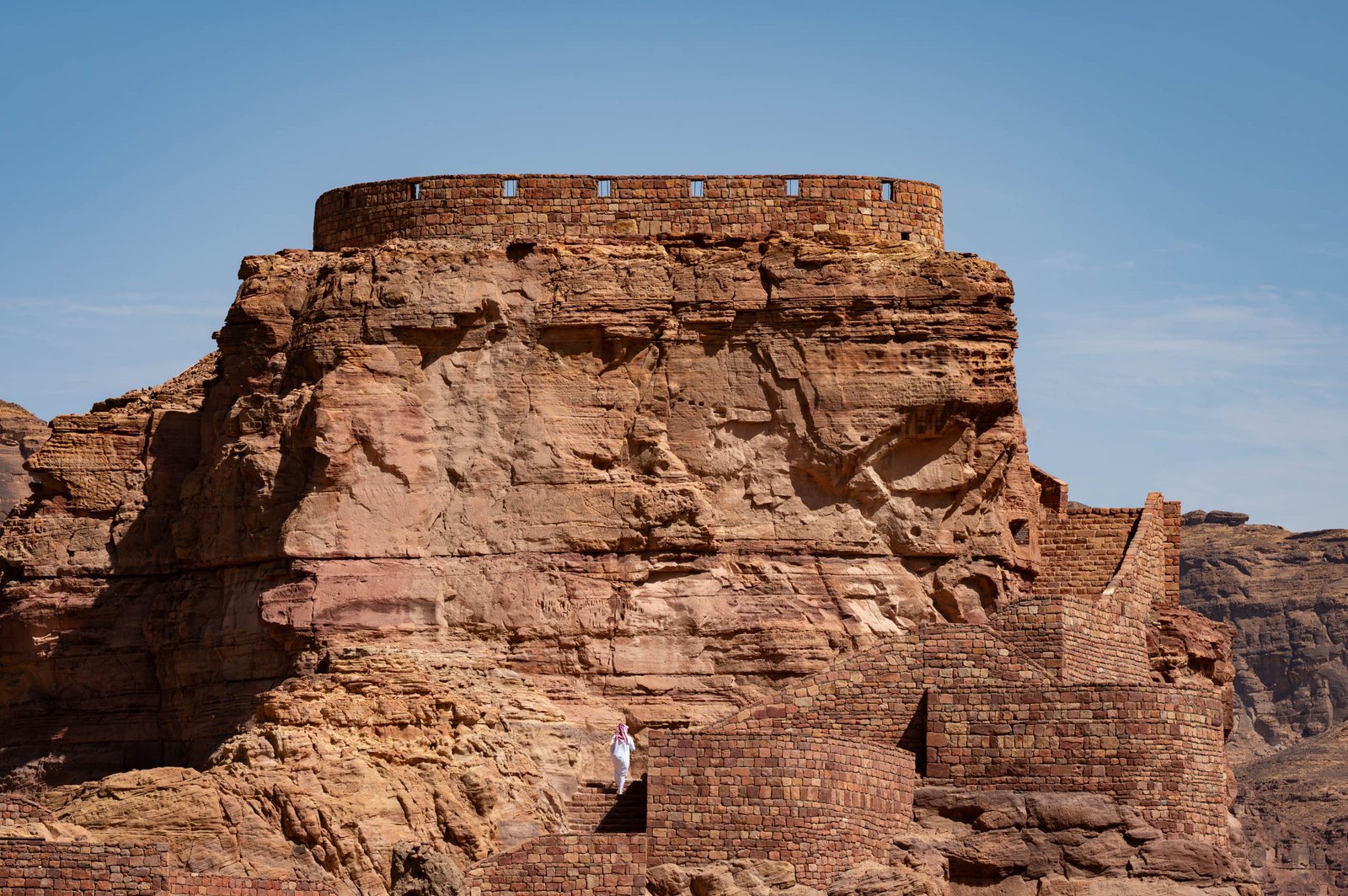
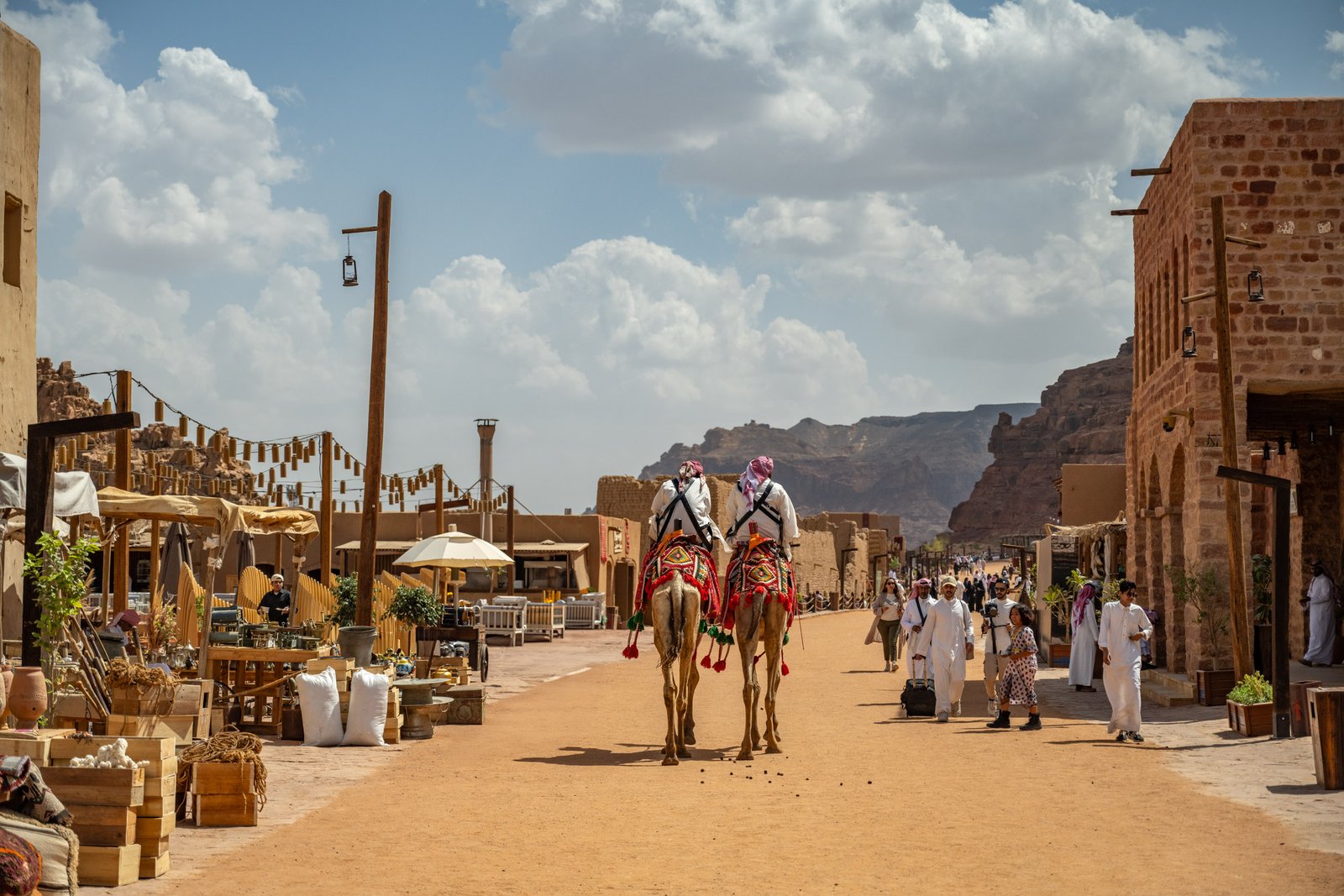
Midday: Exploring Culture and Heritage - As the sun climbs higher, the focus shifts from landscapes to the cultural heart of AlUla. The midday light, though harsh for landscapes, works beautifully for architectural and documentary photography.
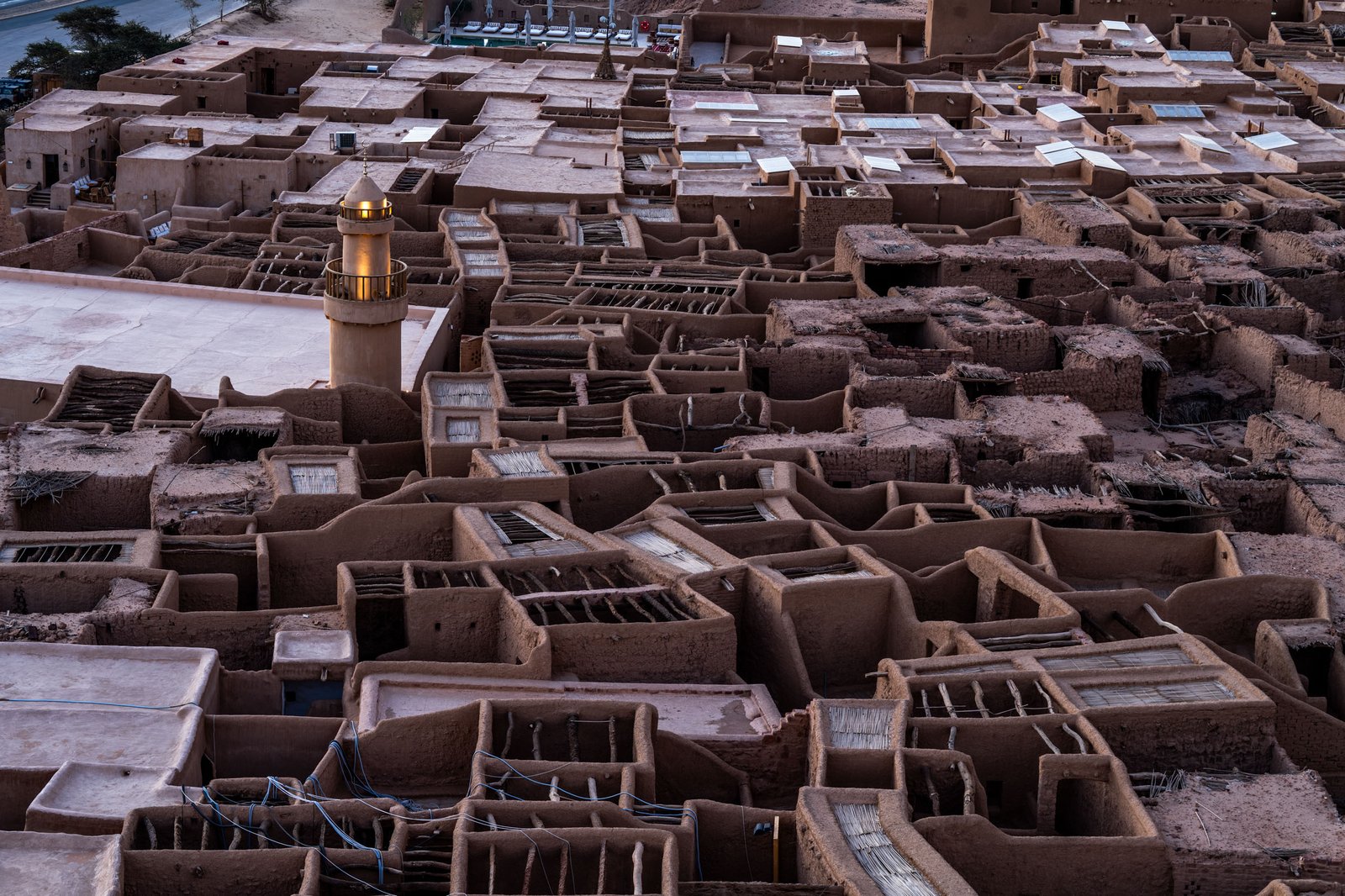
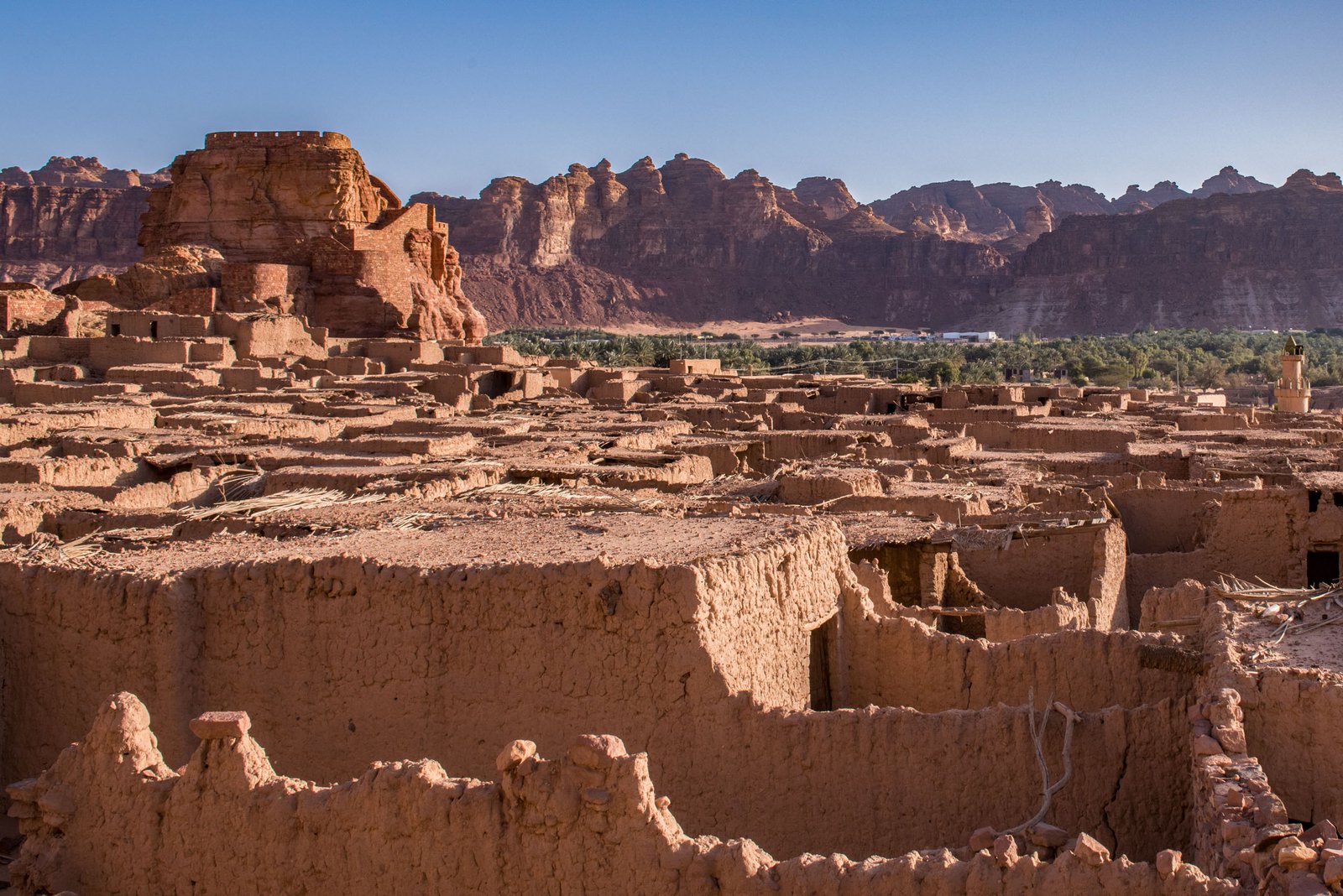
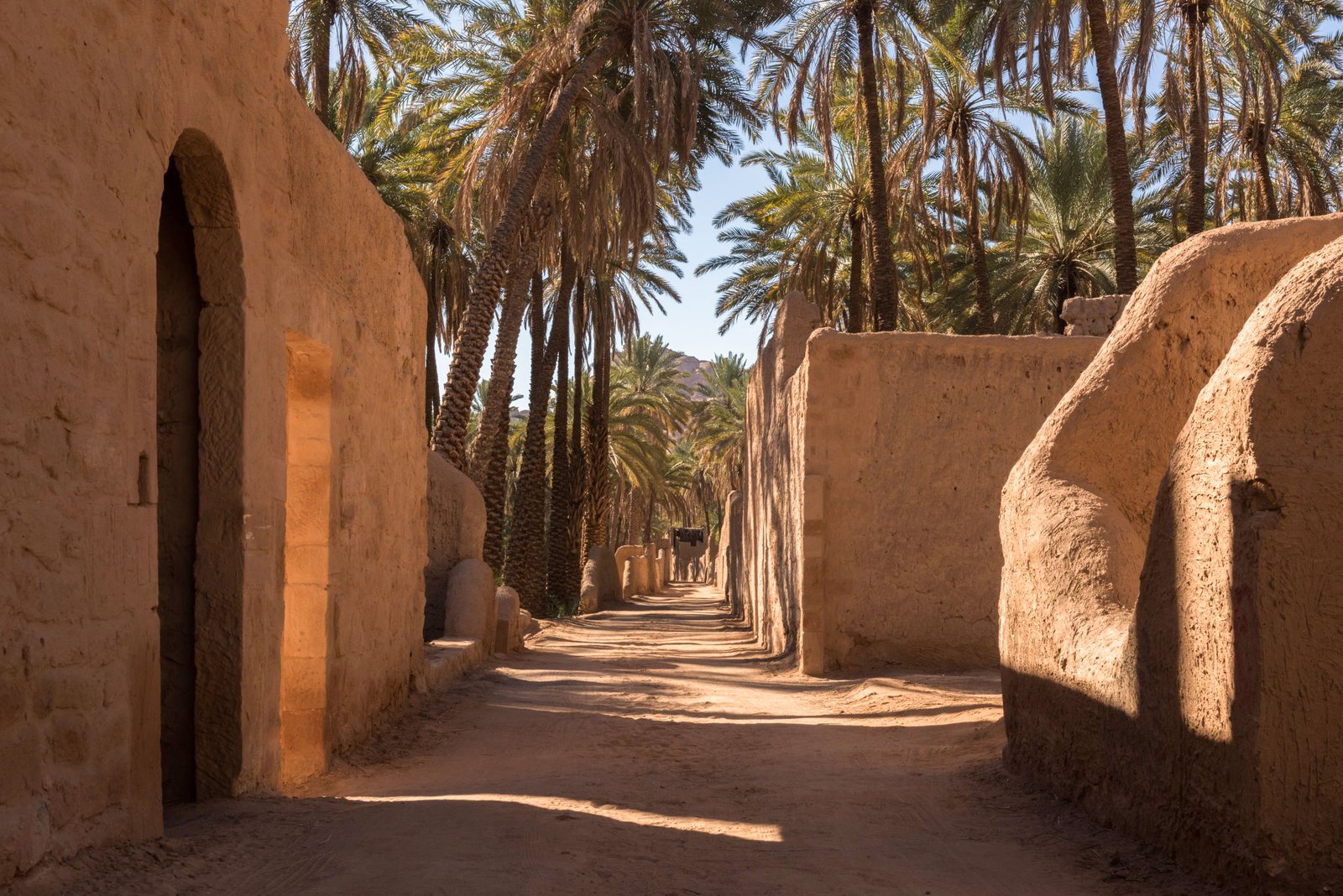
Old Town AlUla: A labyrinth of mudbrick houses and narrow alleys that once formed the bustling centre of the oasis. The interplay of light and shadow in the old streets offers endless opportunities for storytelling and texture-rich imagery.
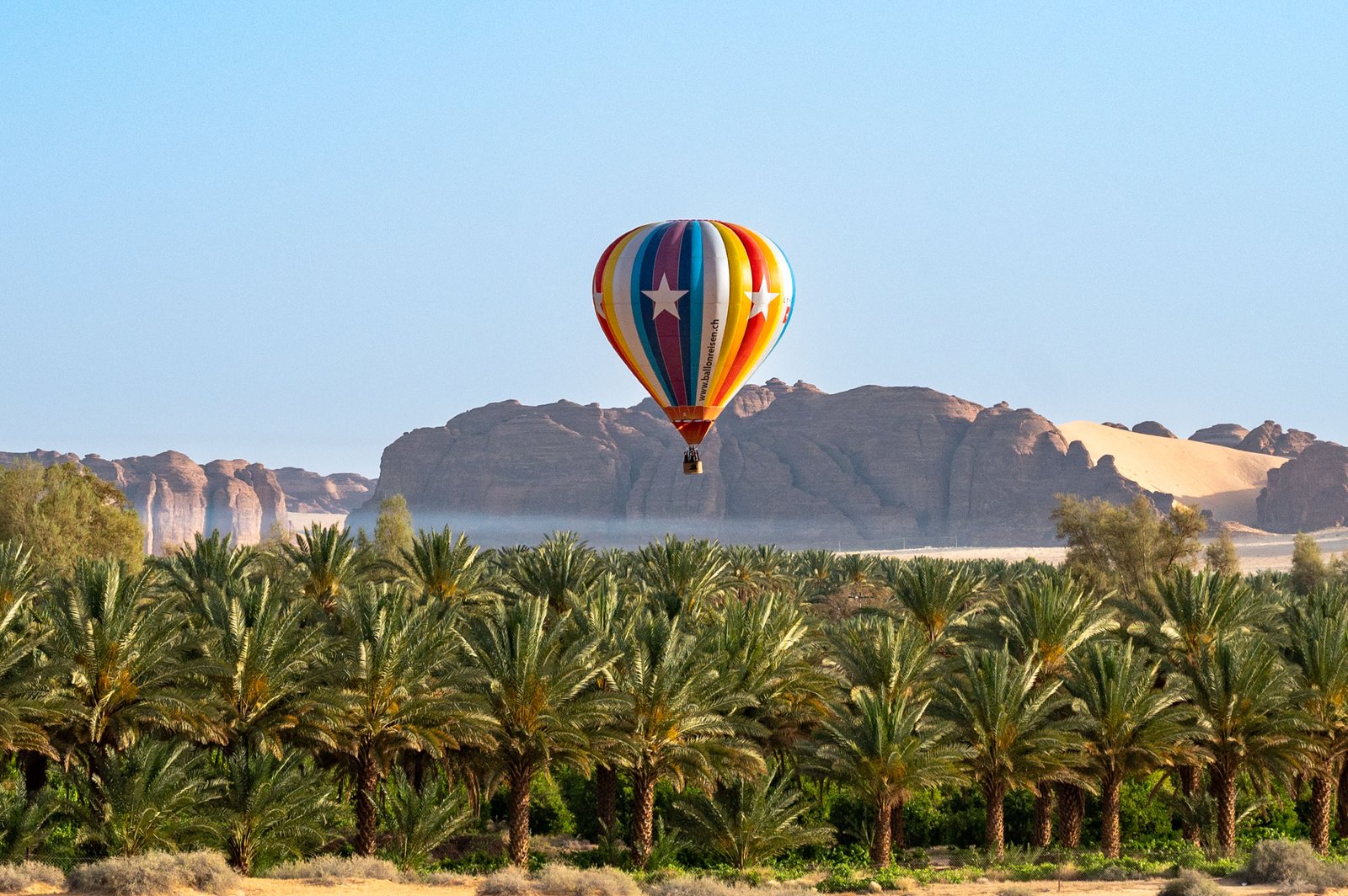
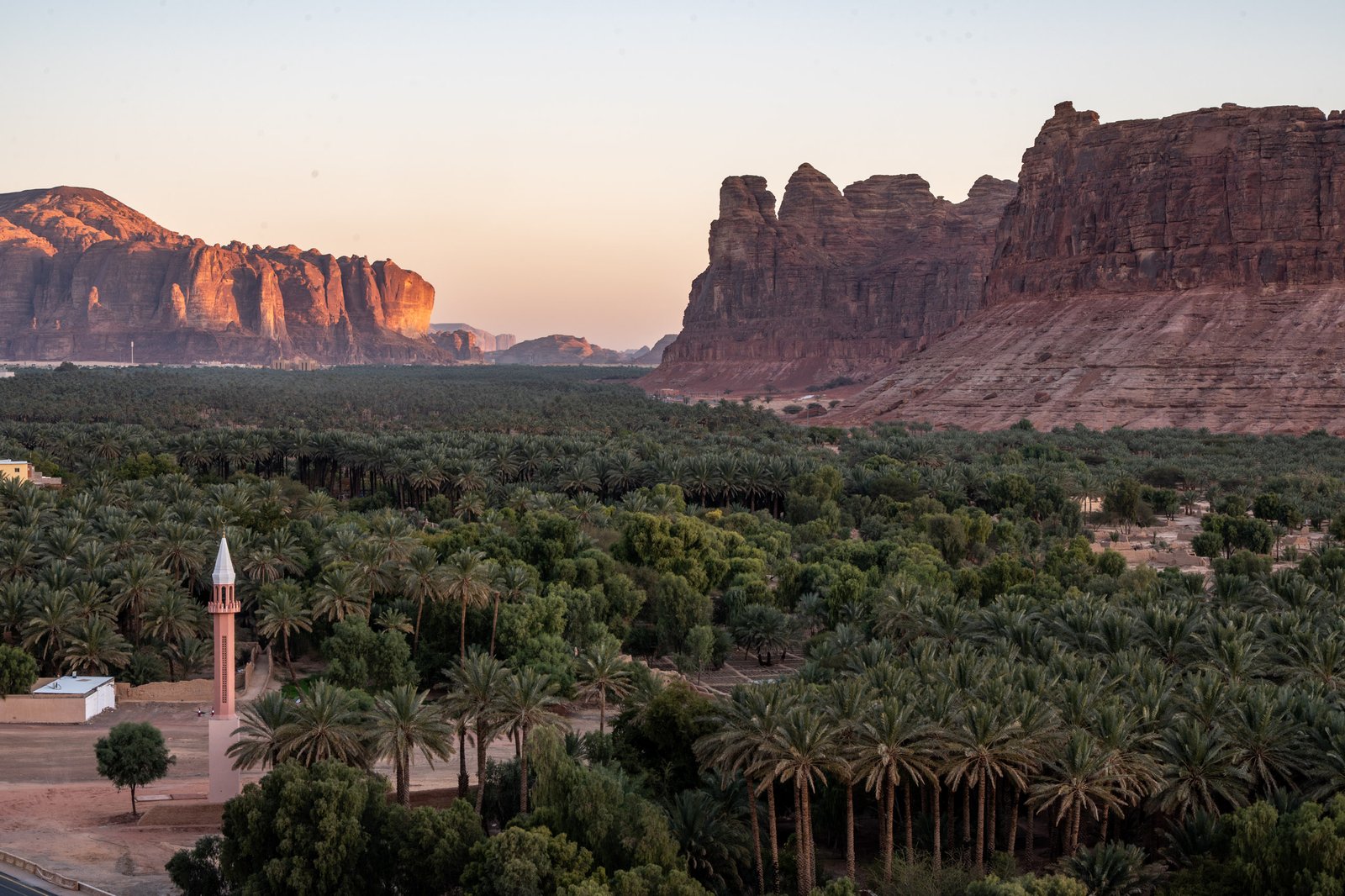
AlUla Oasis: A lush corridor of palm groves and farms that contrasts vividly with the surrounding desert. The green canopy, irrigation channels, and traditional farming scenes provide a glimpse into the region’s living heritage.
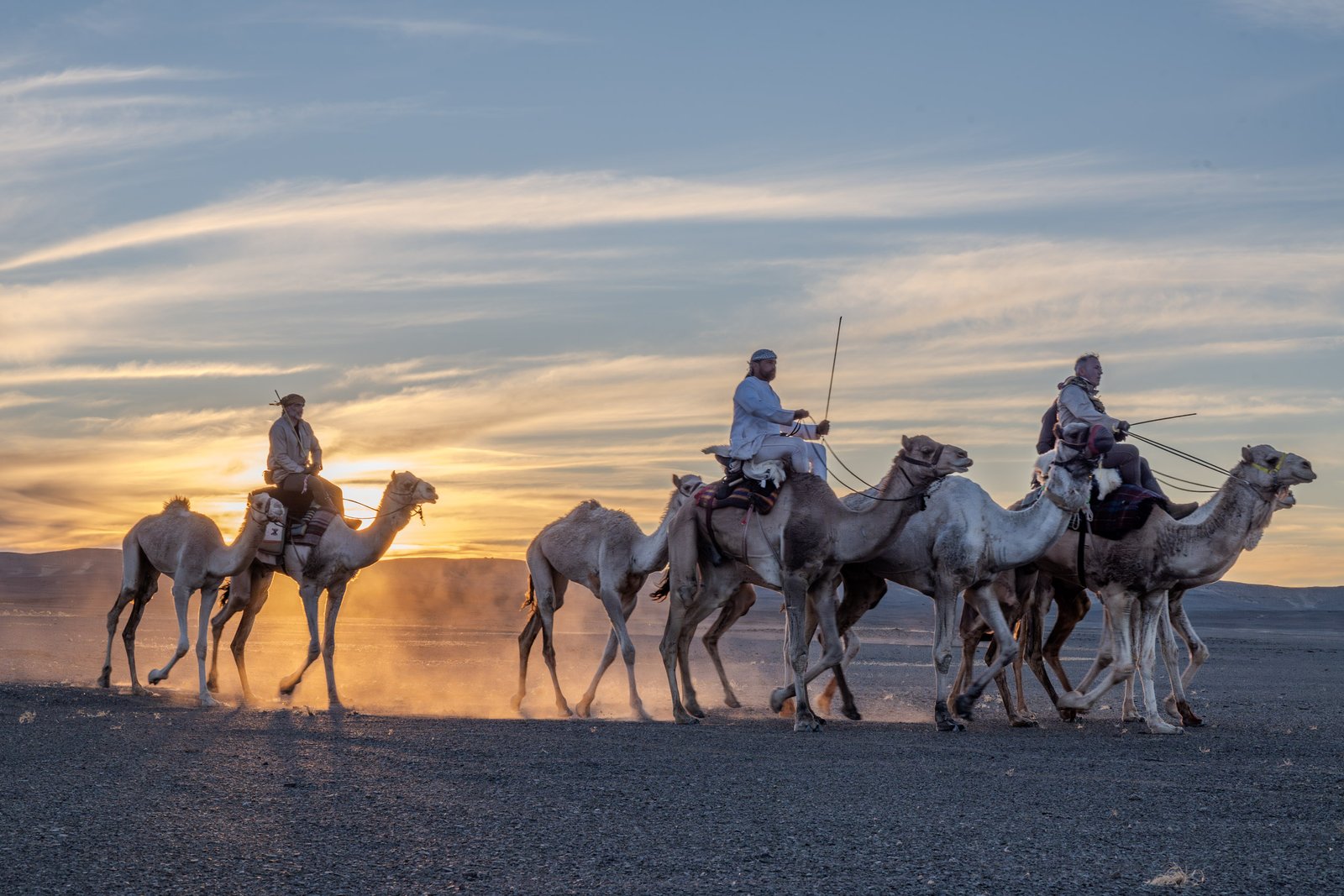
Sunset: Golden Light and Reflections - As the day cools, AlUla’s landscapes come alive again under the warm glow of sunset. The golden hour here is long and luminous, perfect for capturing the grandeur of the desert and its architectural marvels.
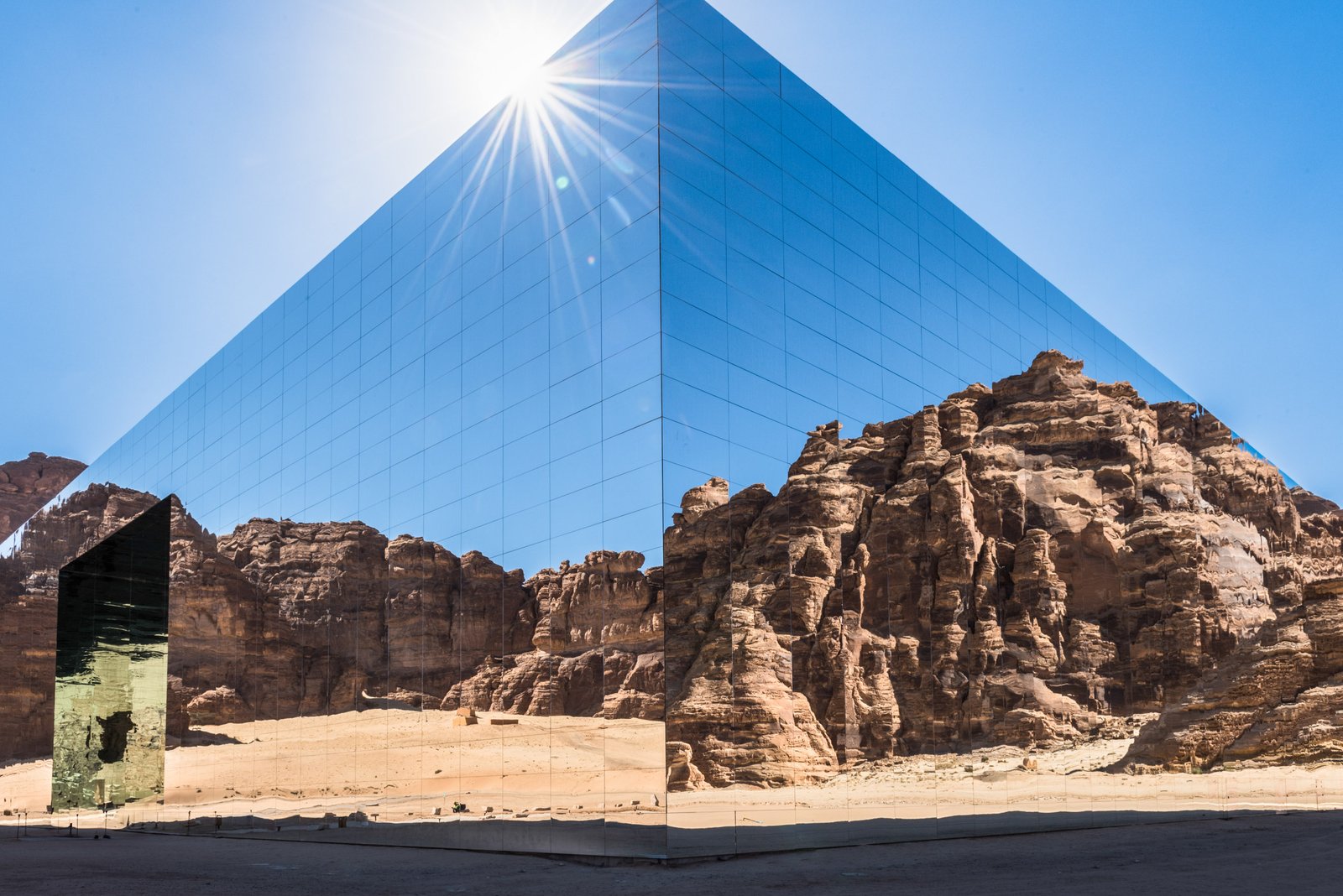
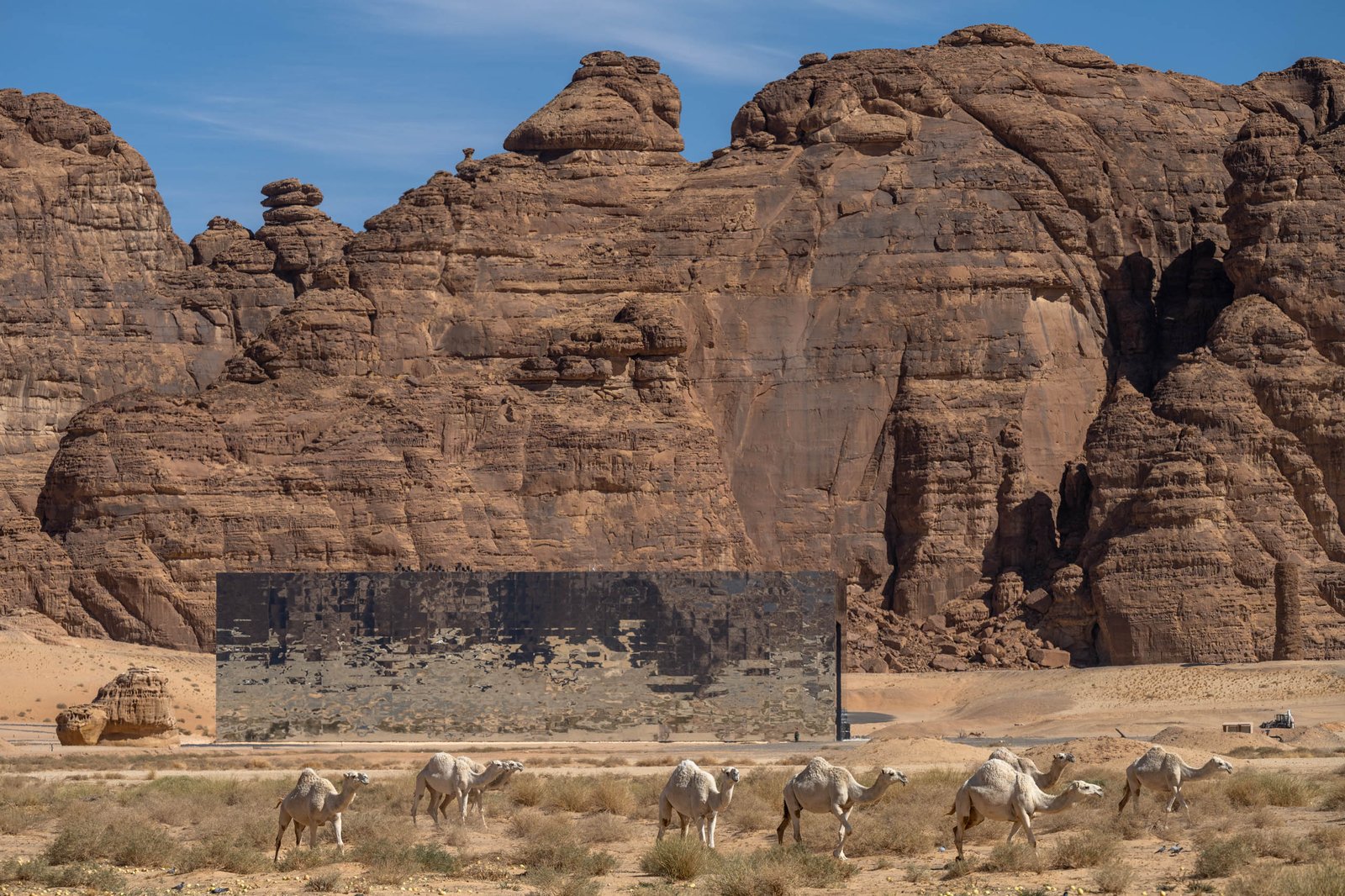
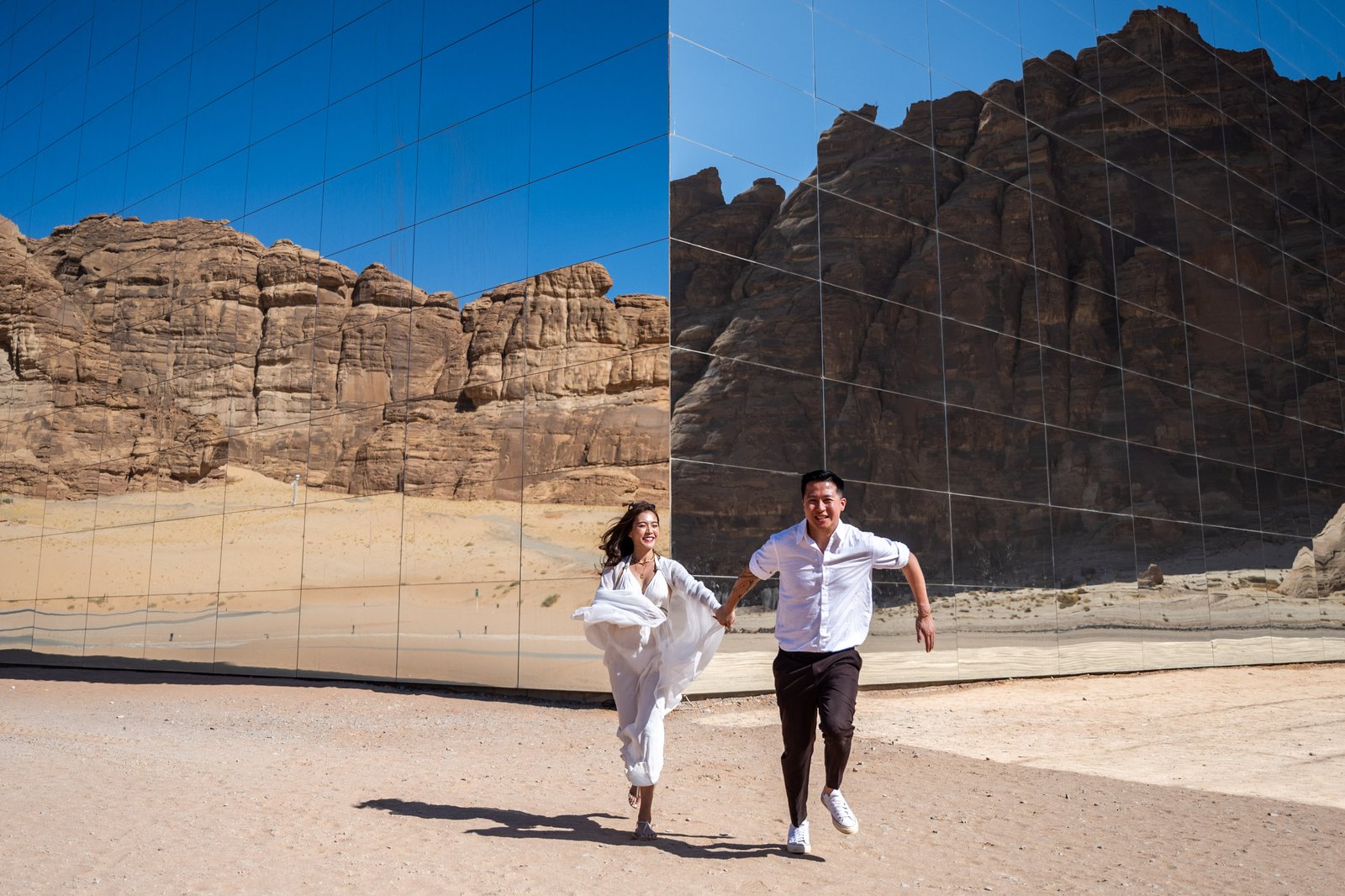
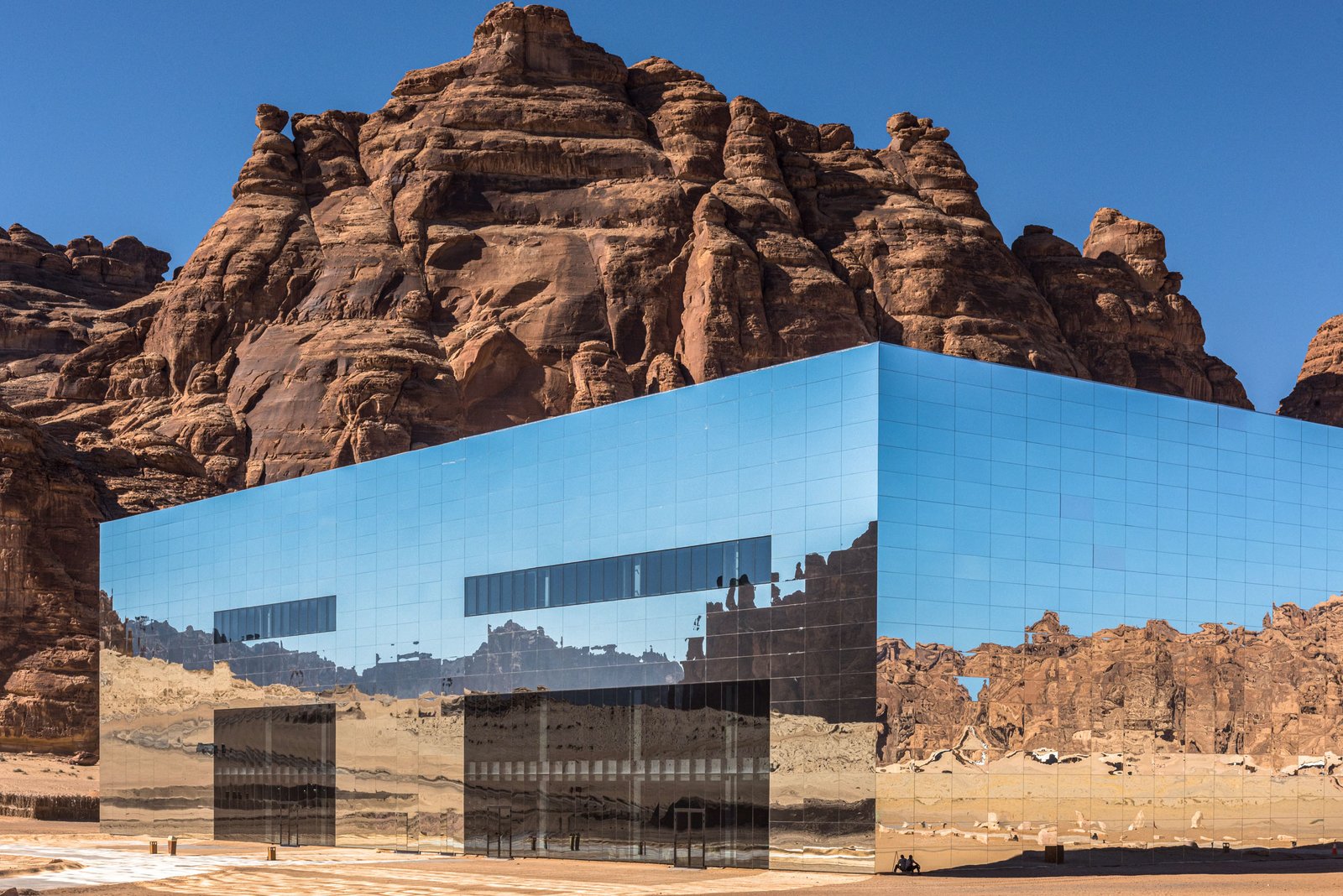
Maraya: The world’s largest mirrored building, Maraya reflects the surrounding sandstone cliffs in breathtaking symmetry. Sunset is the ideal time to photograph its mirrored façade as it catches the shifting colors of the sky and desert.
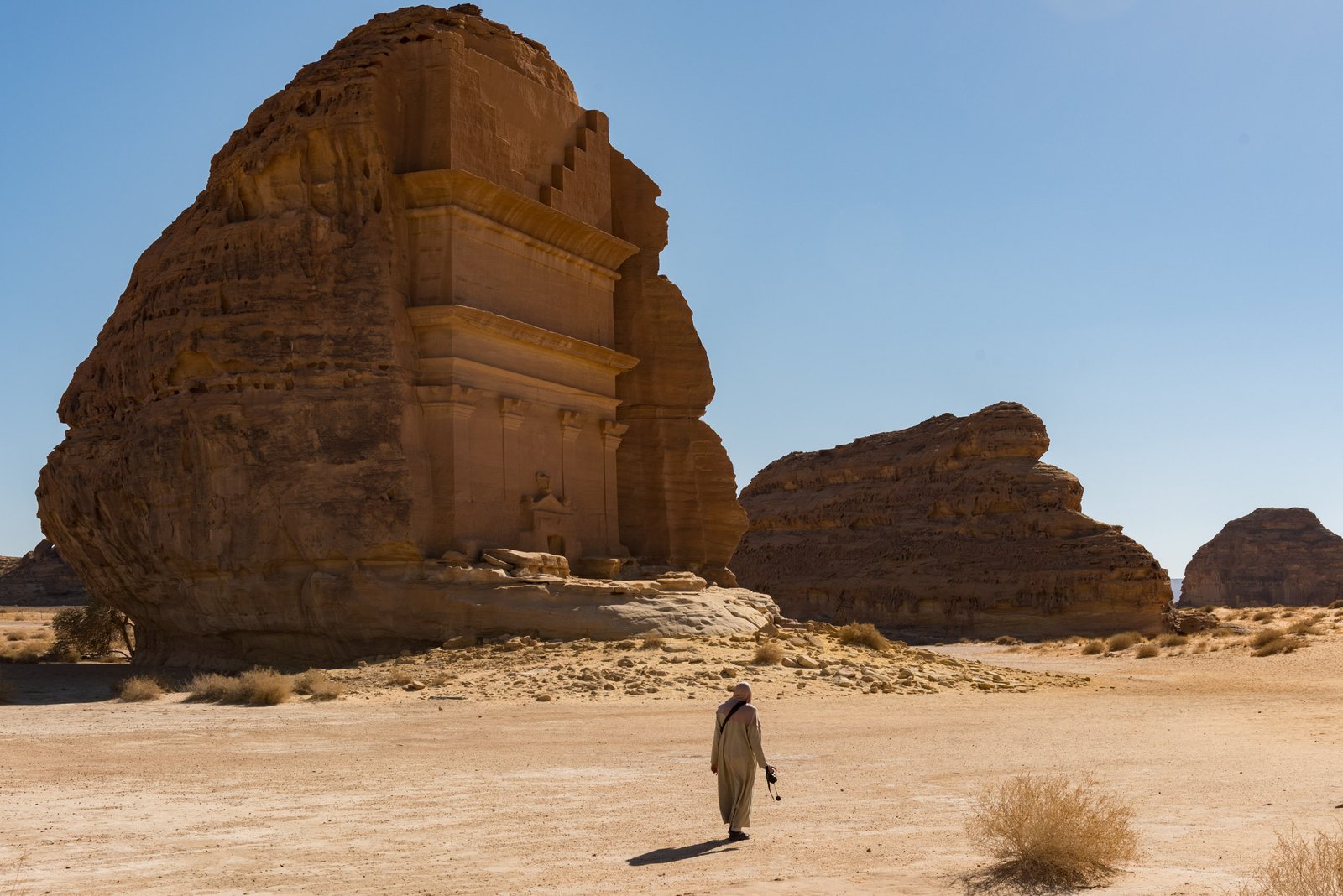
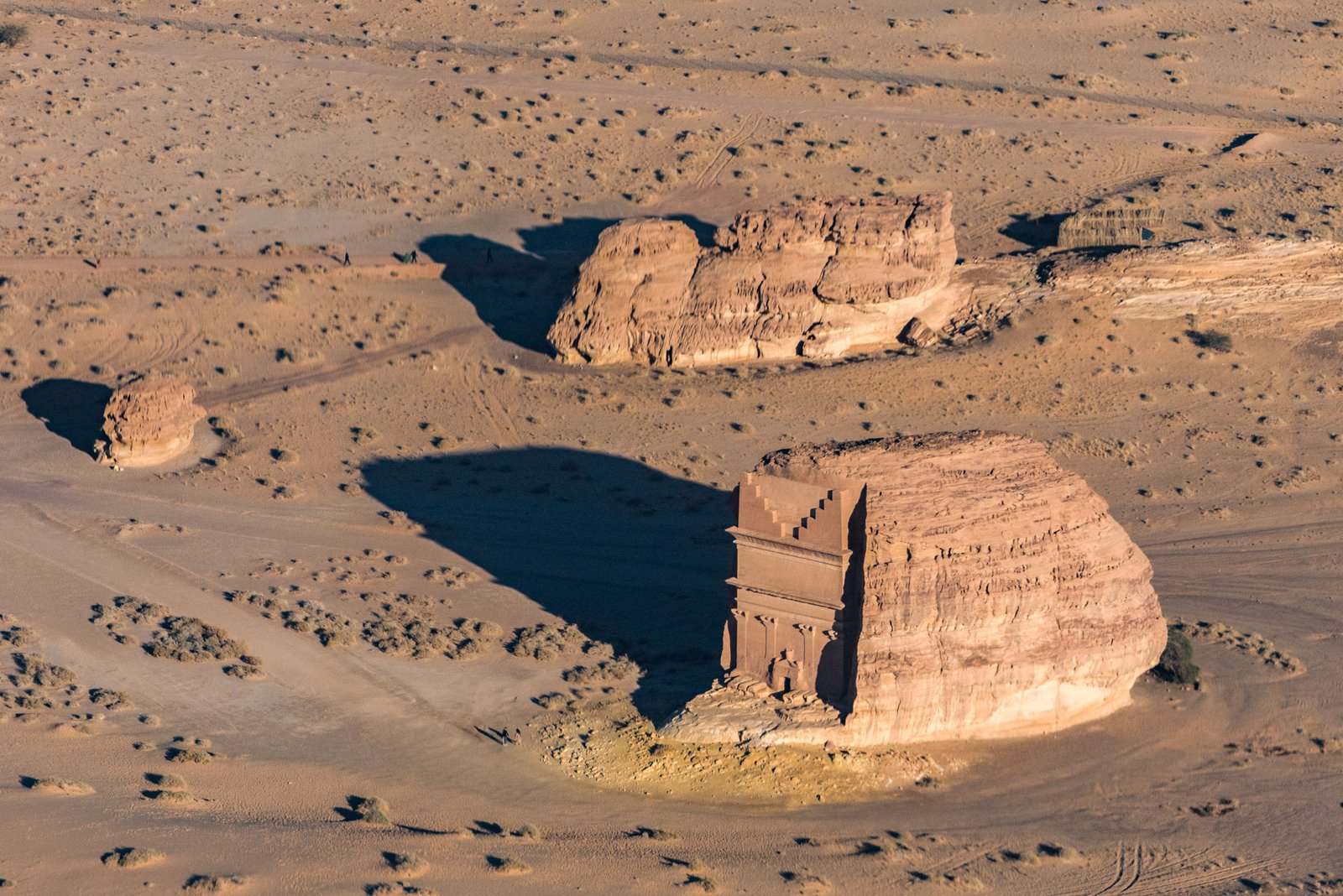
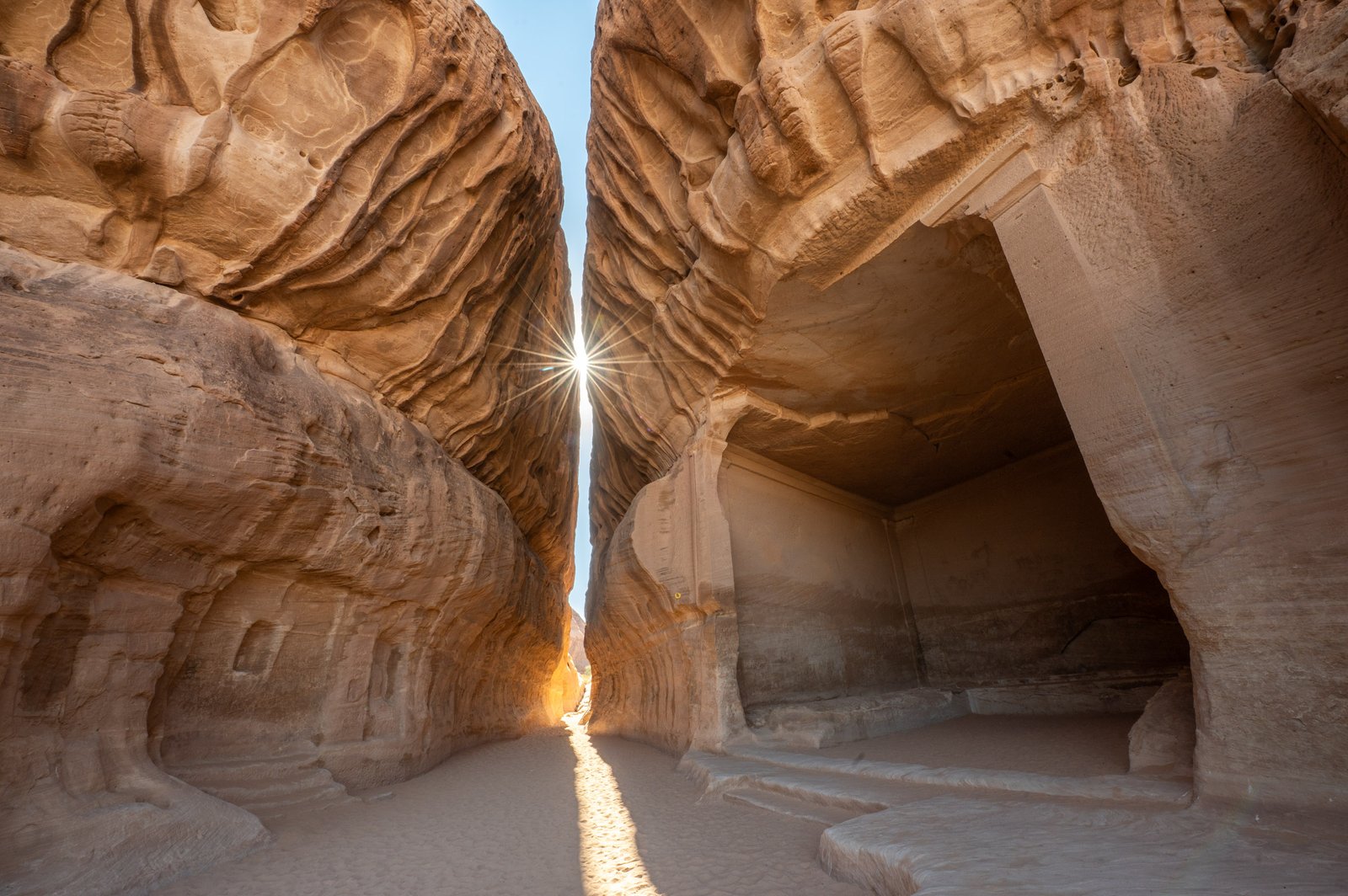
Hegra (Madain Salih): Saudi Arabia’s first UNESCO World Heritage Site, home to Nabataean tombs carved into sandstone outcrops. The late afternoon light enhances the carvings’ depth and detail, while the surrounding cliffs glow in amber tones.
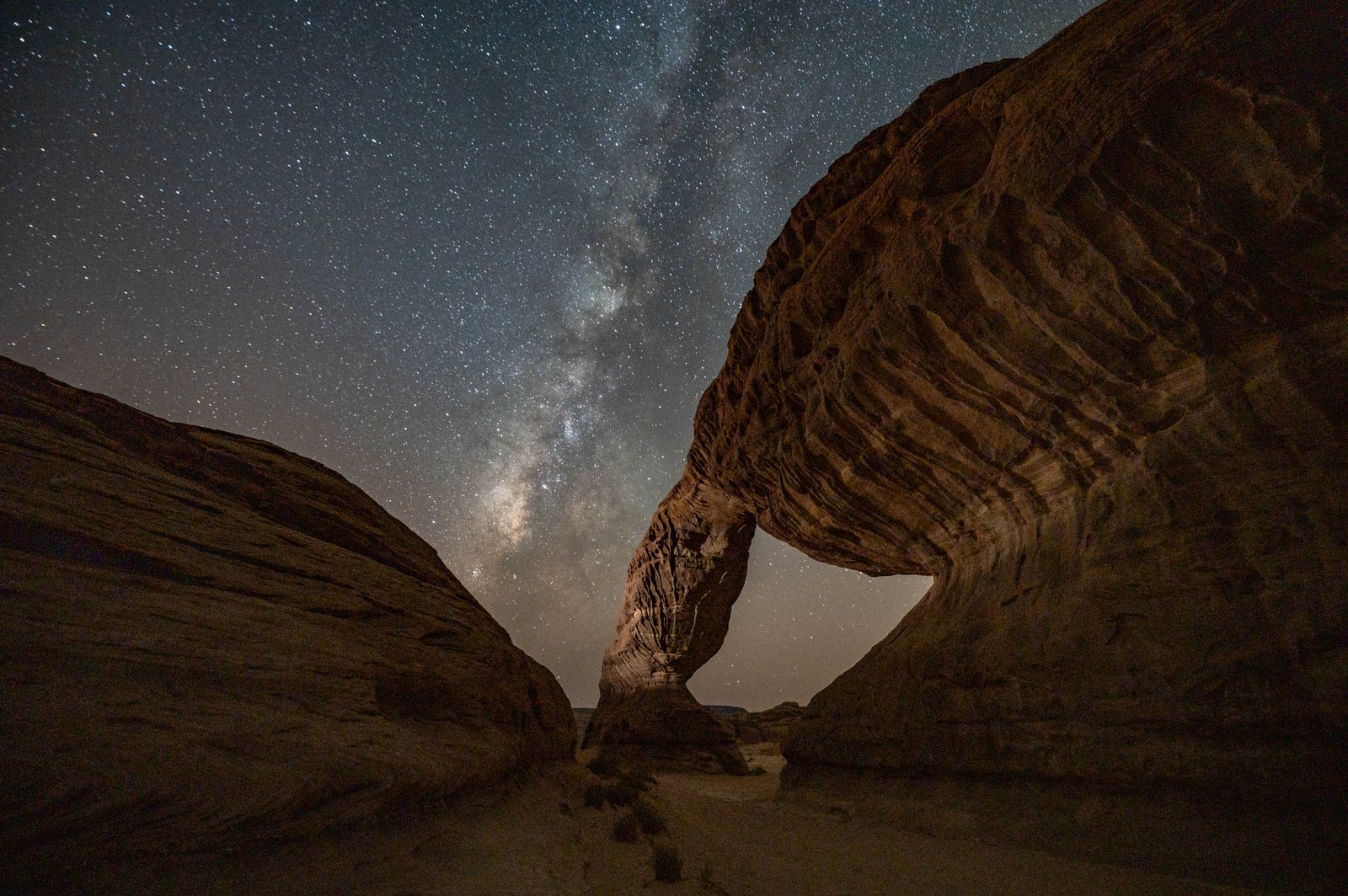
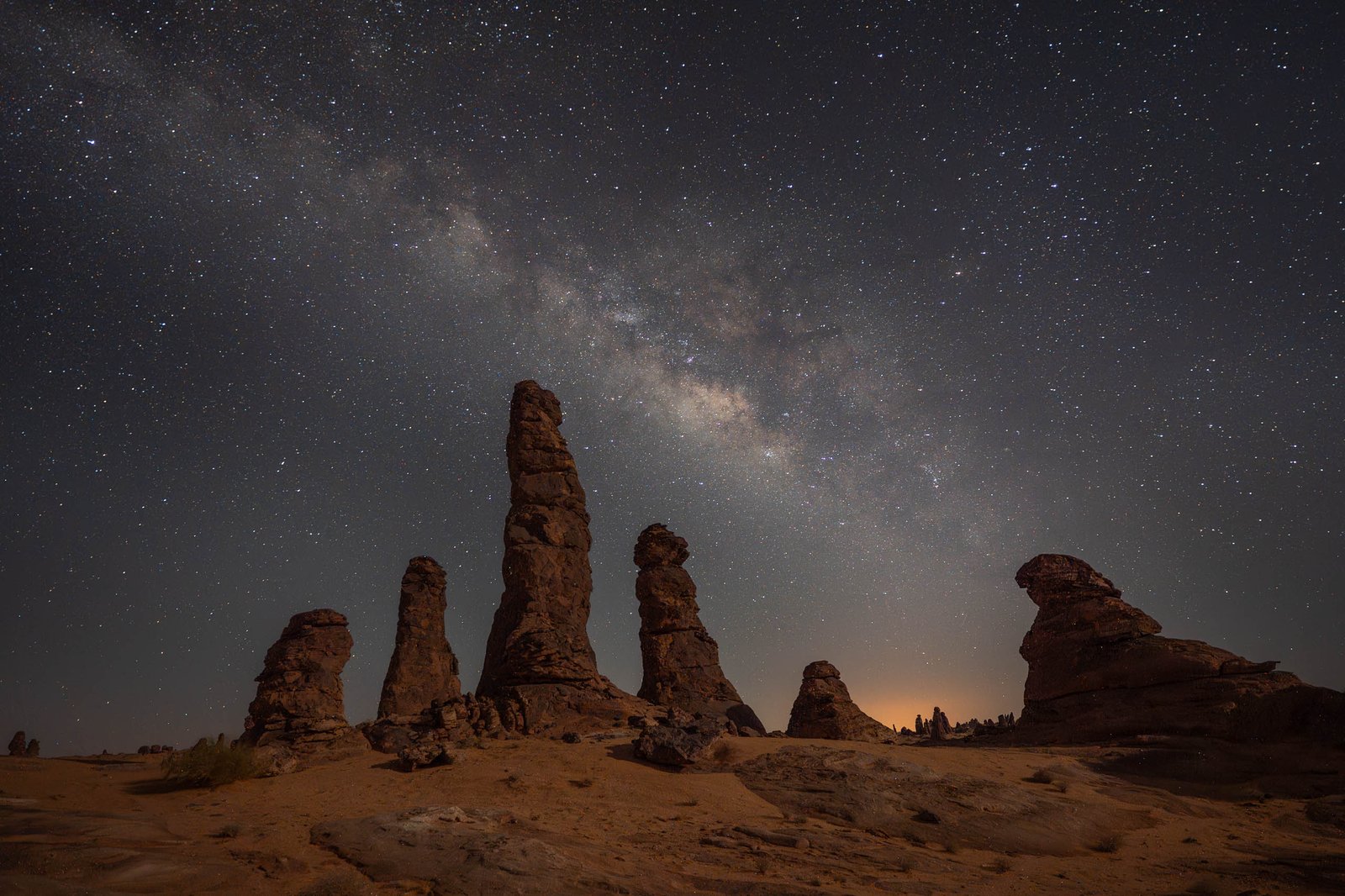
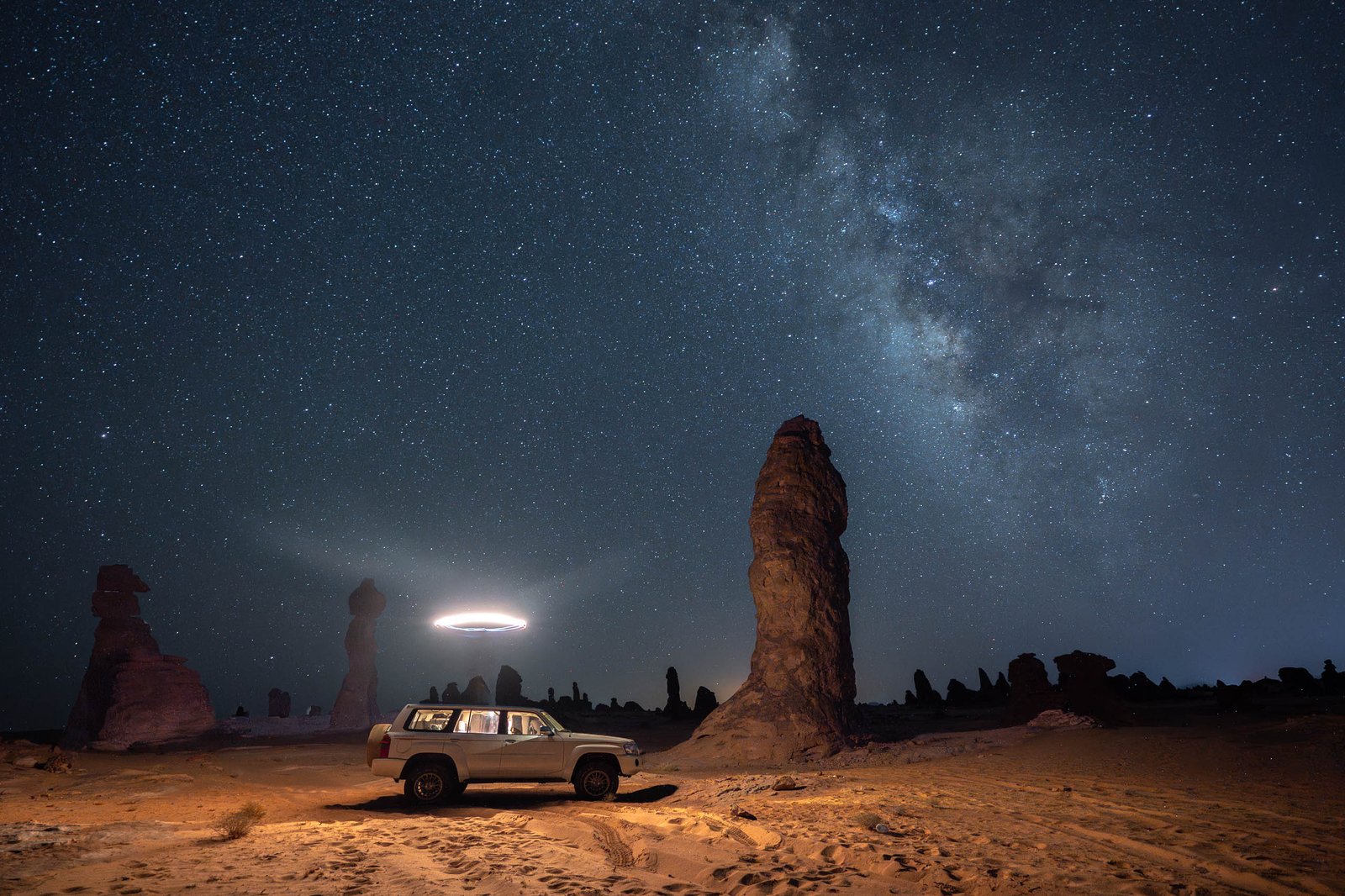
Night: Stars Over the Desert - When the sun sets behind the cliffs, AlUla’s night sky reveals a canopy of stars. The low light pollution makes it one of the best places in the region for astrophotography. Elephant Rock and Gharameel both serve as striking foregrounds for capturing the Milky Way.
A Journey Through Time and Light - A photo tour in AlUla is more than a visual experience—it’s an immersion into a landscape shaped by nature and civilization over millennia. From the reflective surfaces of Maraya to the timeless stillness of the desert, every frame tells a story of endurance, beauty, and connection.For photographers seeking to capture the essence of Saudi Arabia’s heritage and natural wonder, AlUla offers an unparalleled canvas—where every sunrise and sunset paints a new masterpiece.