Nick Jackson Photography

Tag: alula

Nick Jackson
July 4, 2026
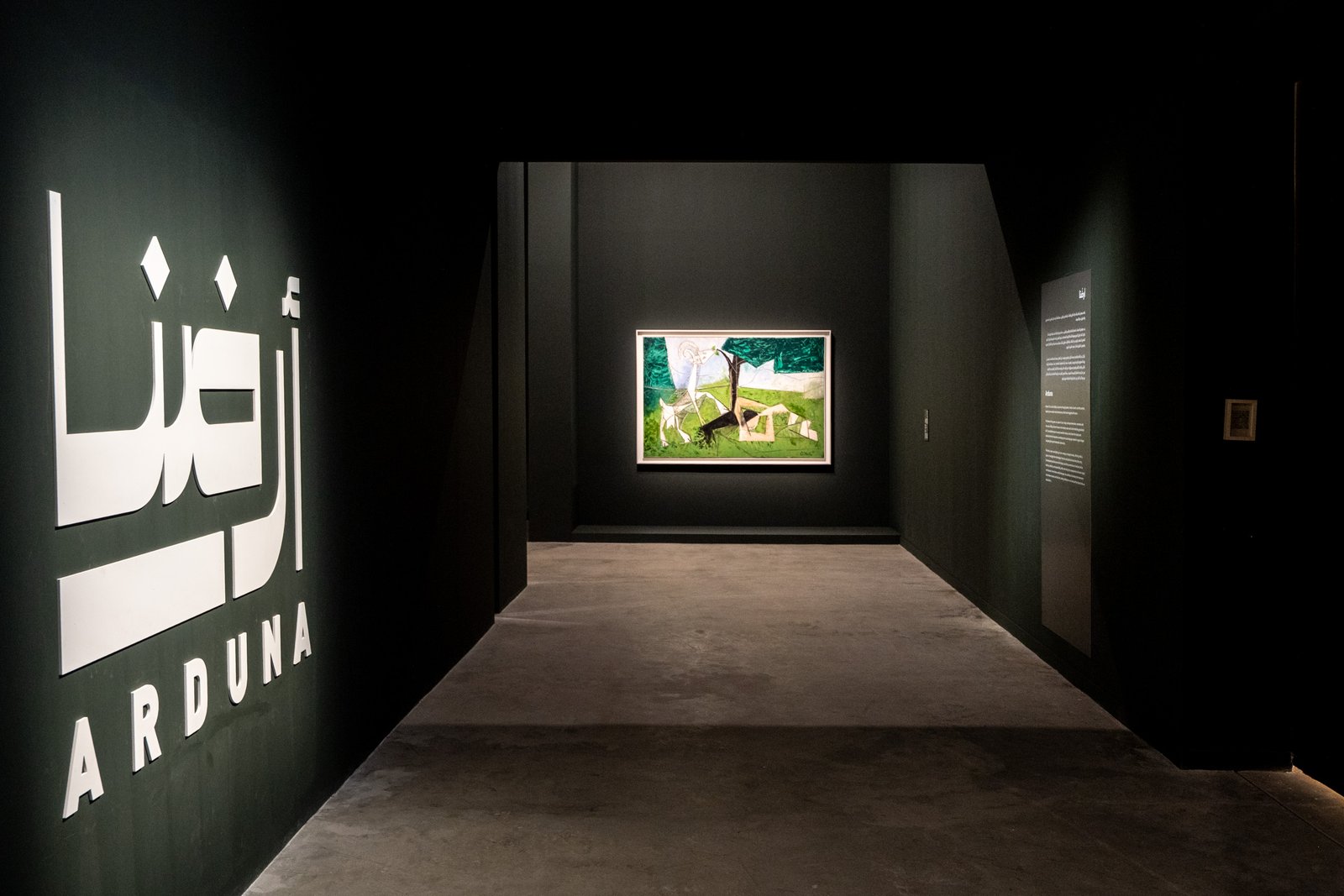
Documenting the Arduna Exhibition in AlUla, Saudi Arabia

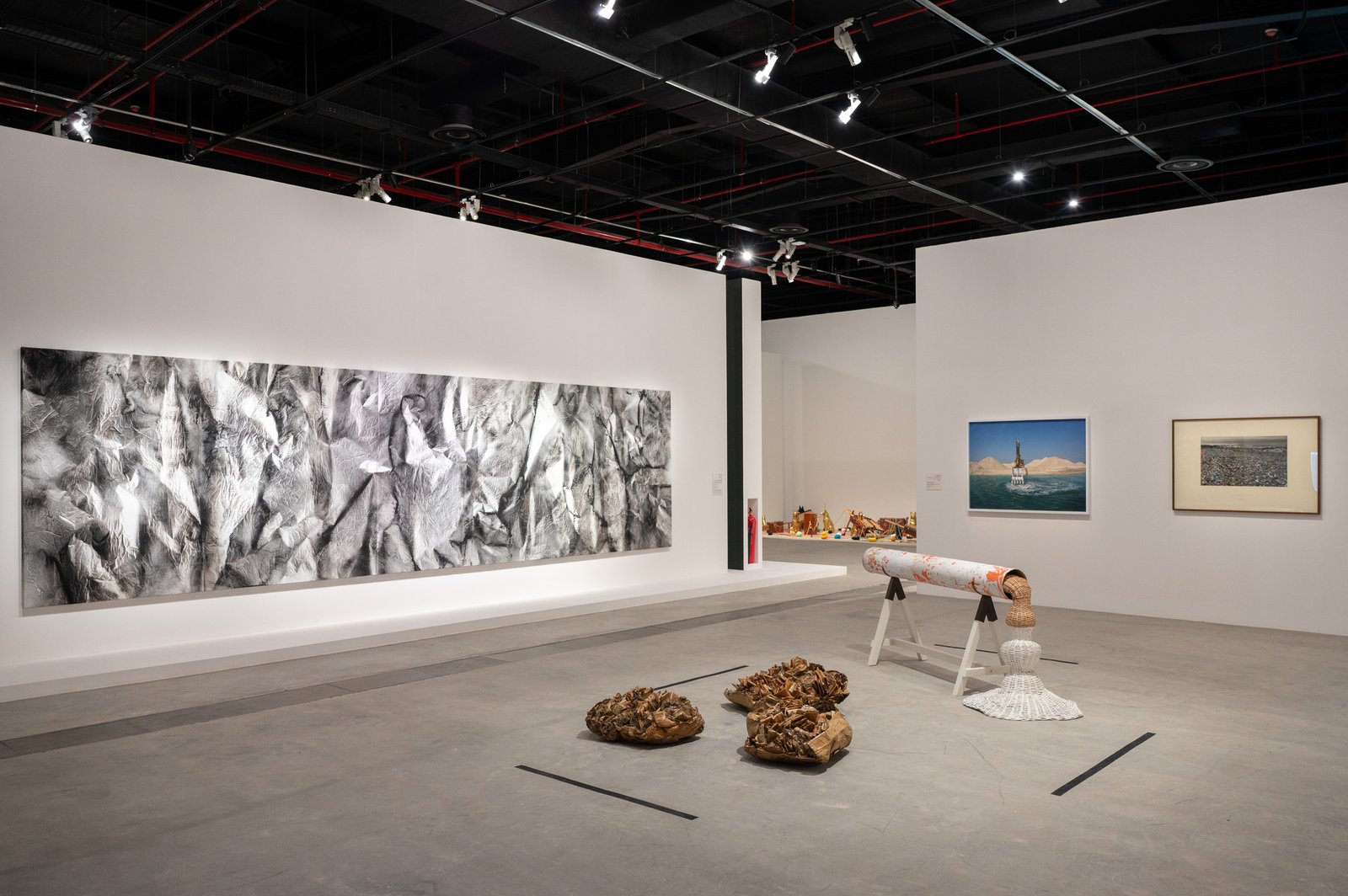
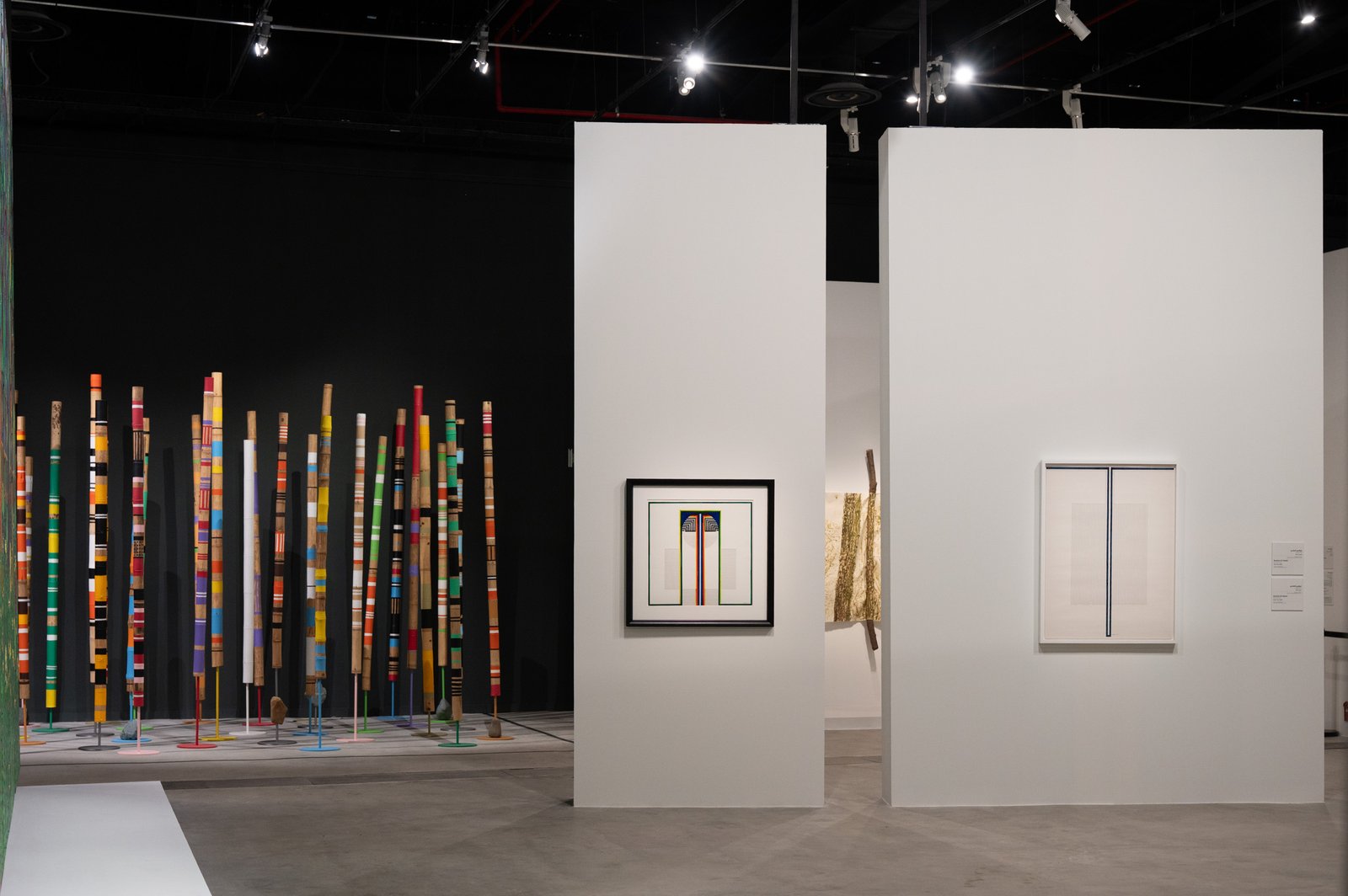
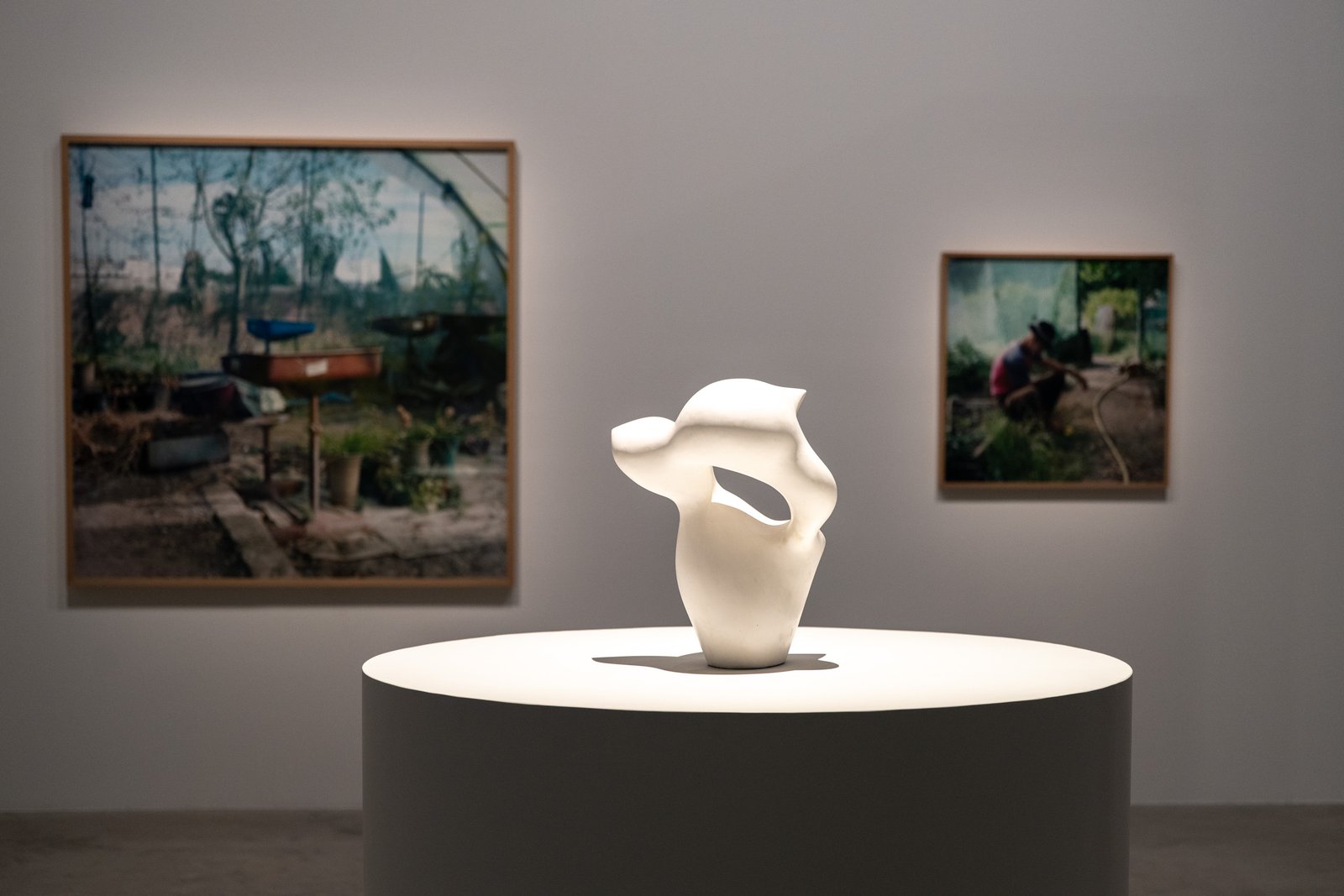
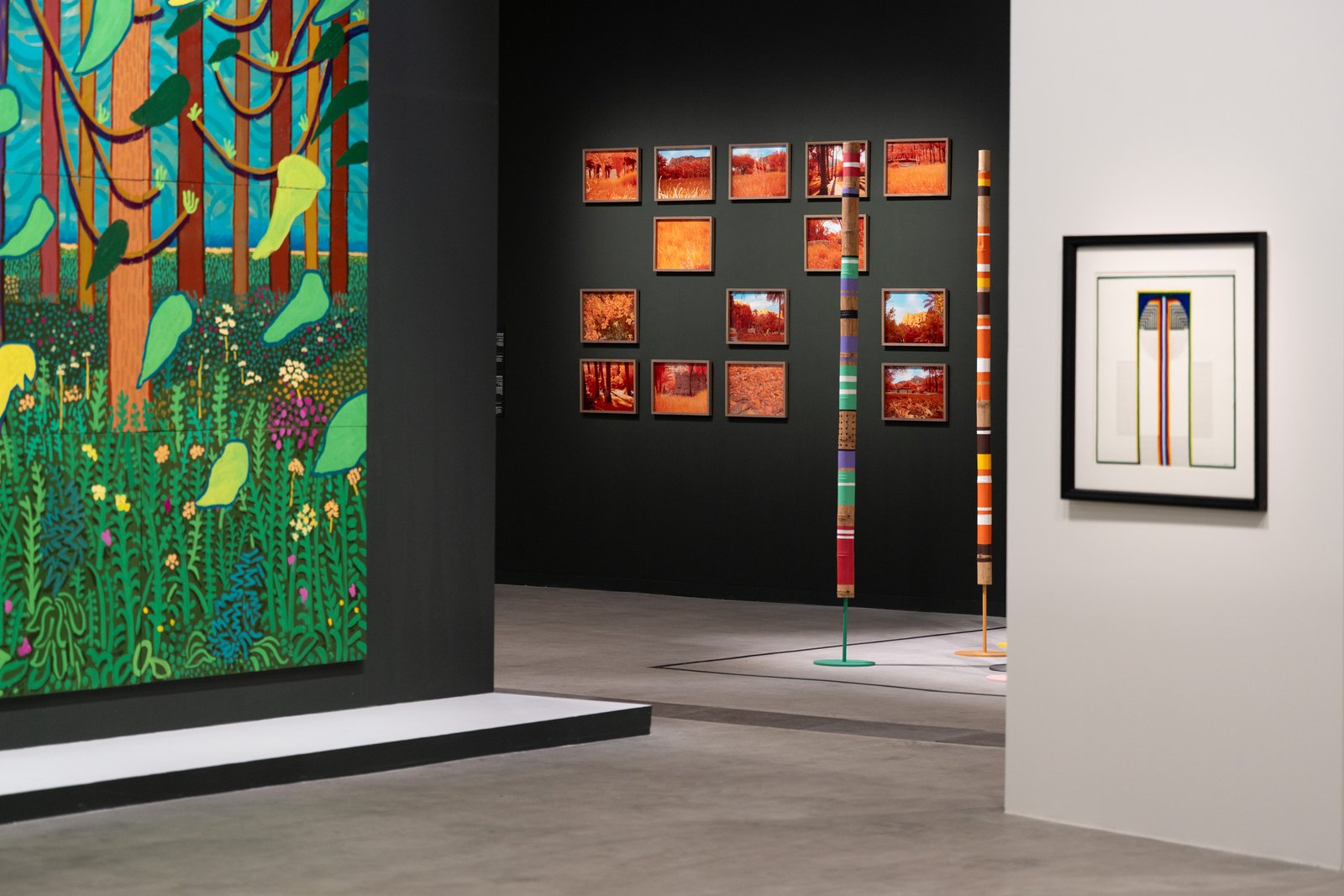
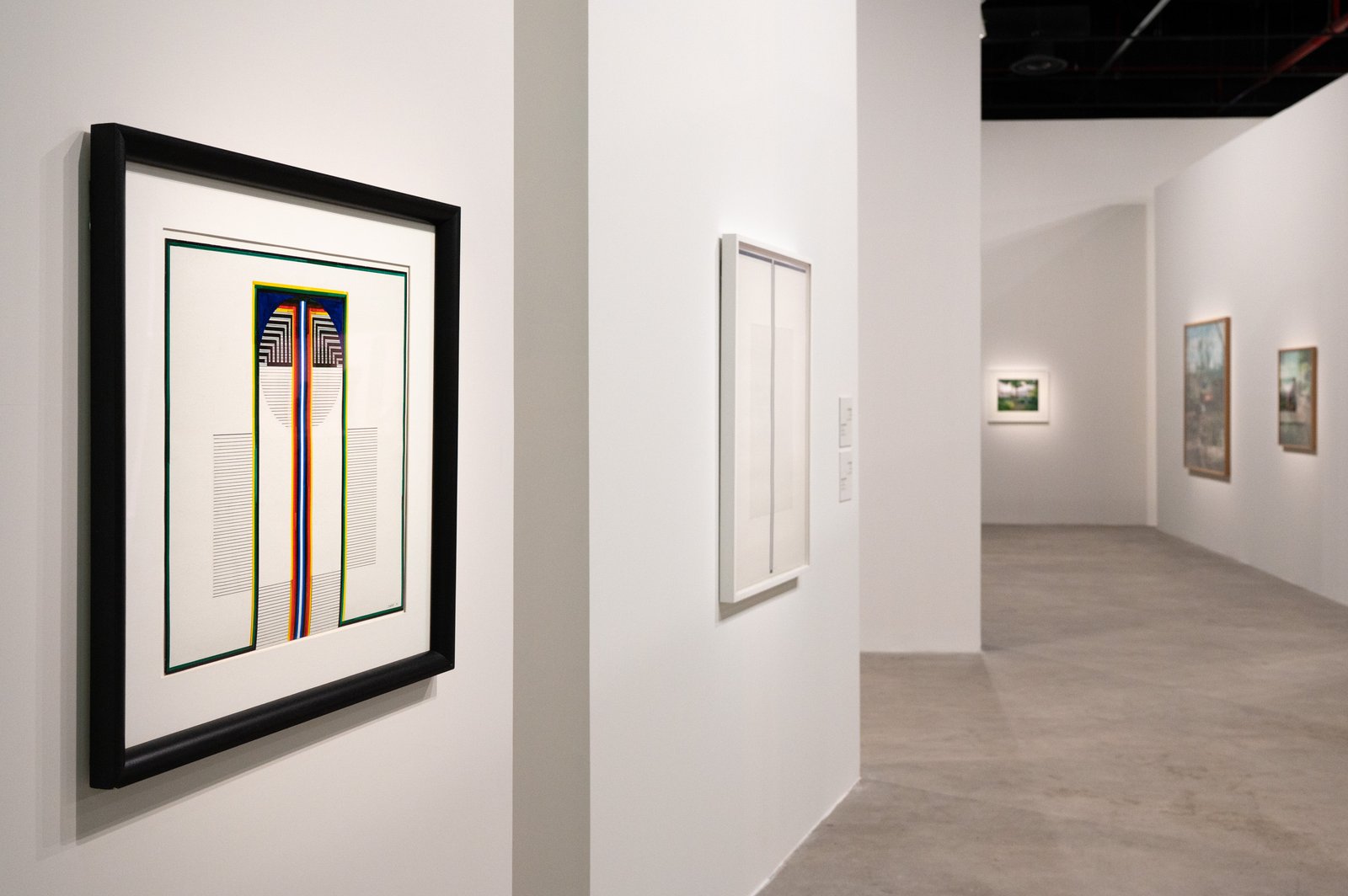
The Arduna Exhibition in AlUla marked a defining moment in Saudi Arabia’s evolving cultural landscape—a collaboration between the Royal Commission for AlUla (RCU) and the Centre Pompidou that brought world-class contemporary art to the heart of the desert. As the official photographer documenting the project from its earliest stages to the VIP opening, the experience offered a rare opportunity to witness the transformation of an ambitious vision into a landmark exhibition.

The partnership between the Royal Commission for AlUla and the Centre Pompidou represents a long-term cultural exchange aimed at developing AlUla as a global destination for art and heritage. Arduna, meaning “Our Land,” was conceived as a dialogue between Saudi and international artists, exploring themes of identity, landscape, and transformation. The exhibition served as a cornerstone of this partnership, blending contemporary artistic expression with the region’s deep historical and natural context.
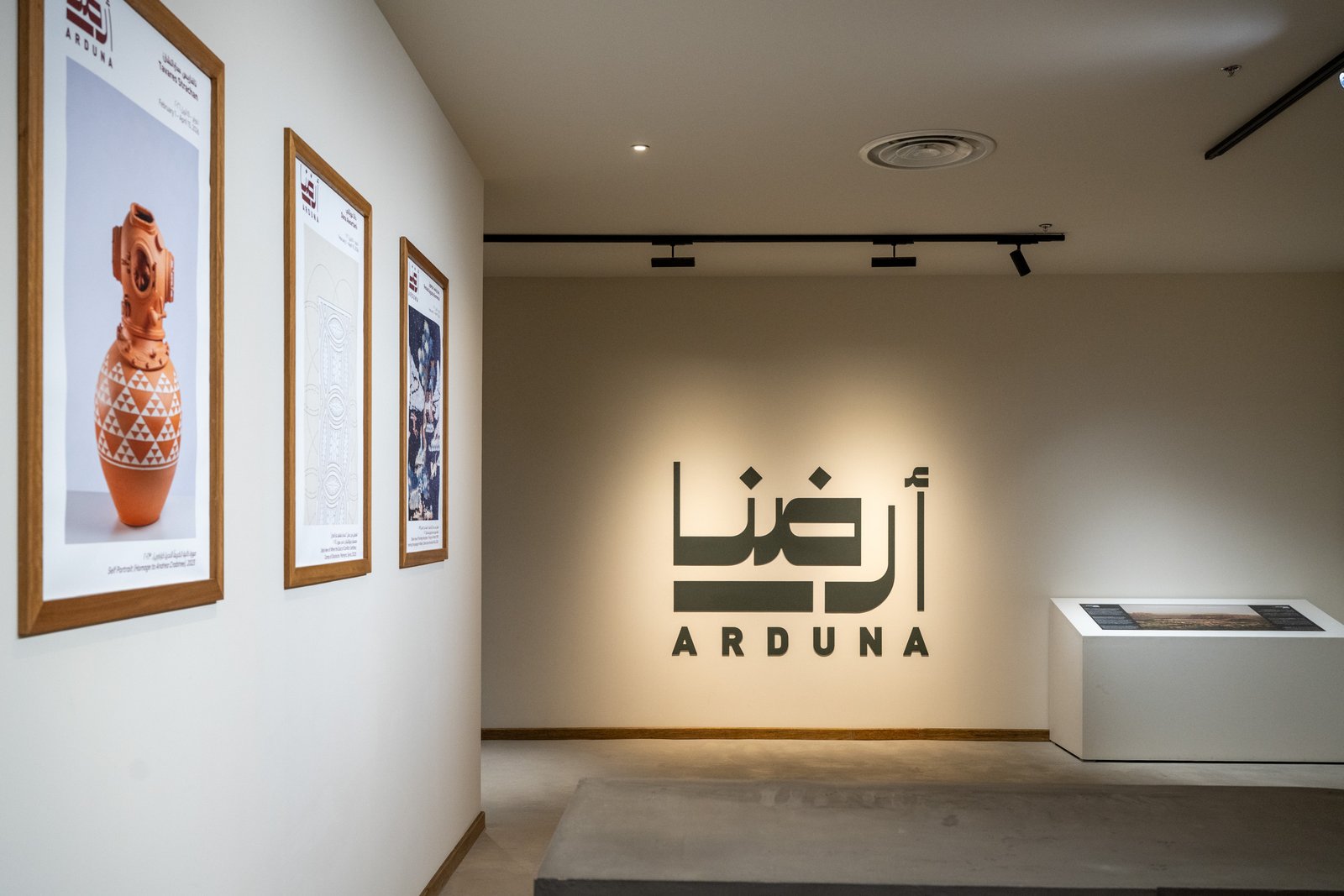
Capturing the Construction Phase: The documentation began months before the opening, as the exhibition site took shape within AlUla’s striking desert environment. Photographing the construction phase required balancing technical precision with creative storytelling—capturing not only the physical progress but also the human effort behind it.

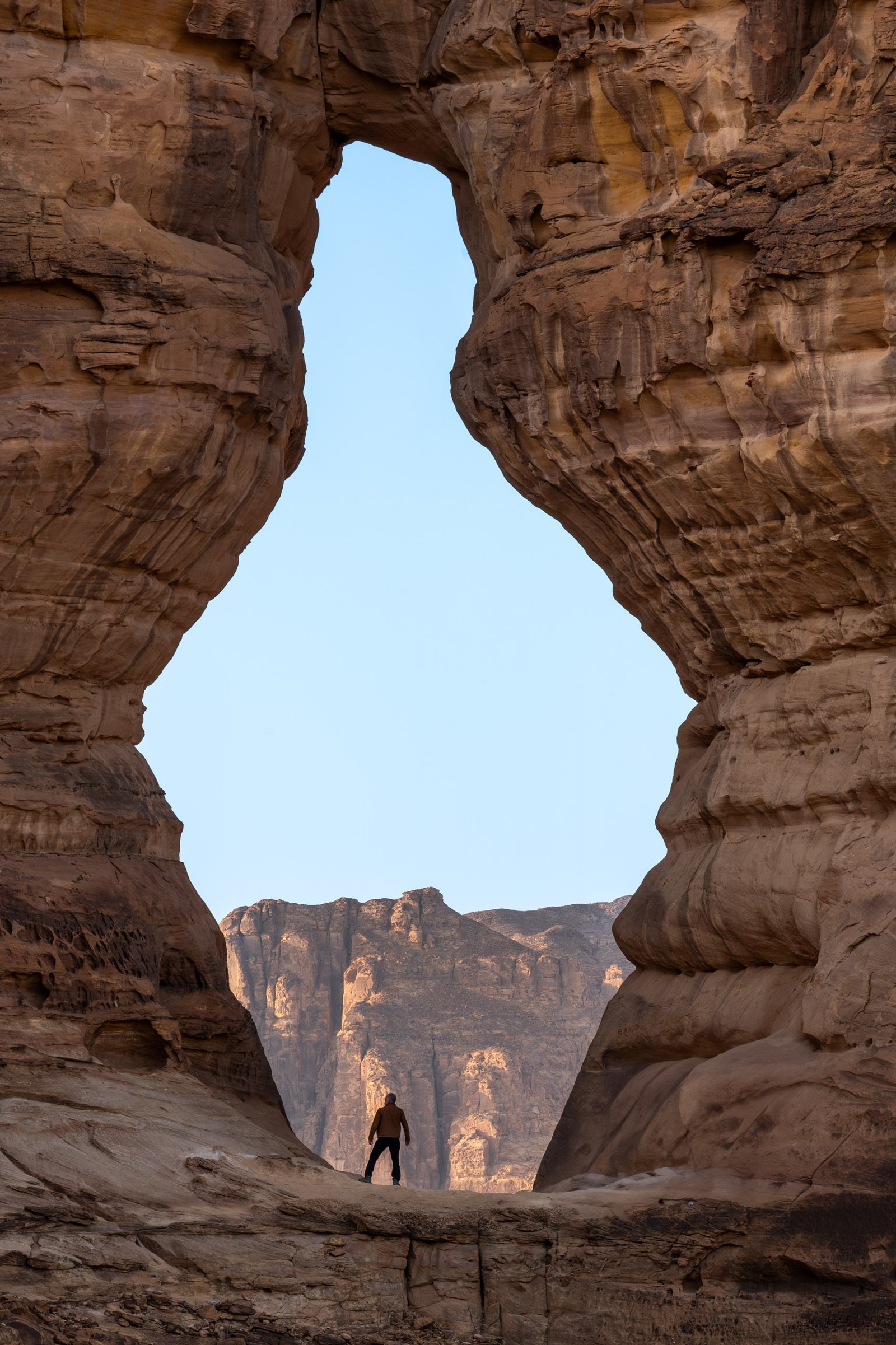
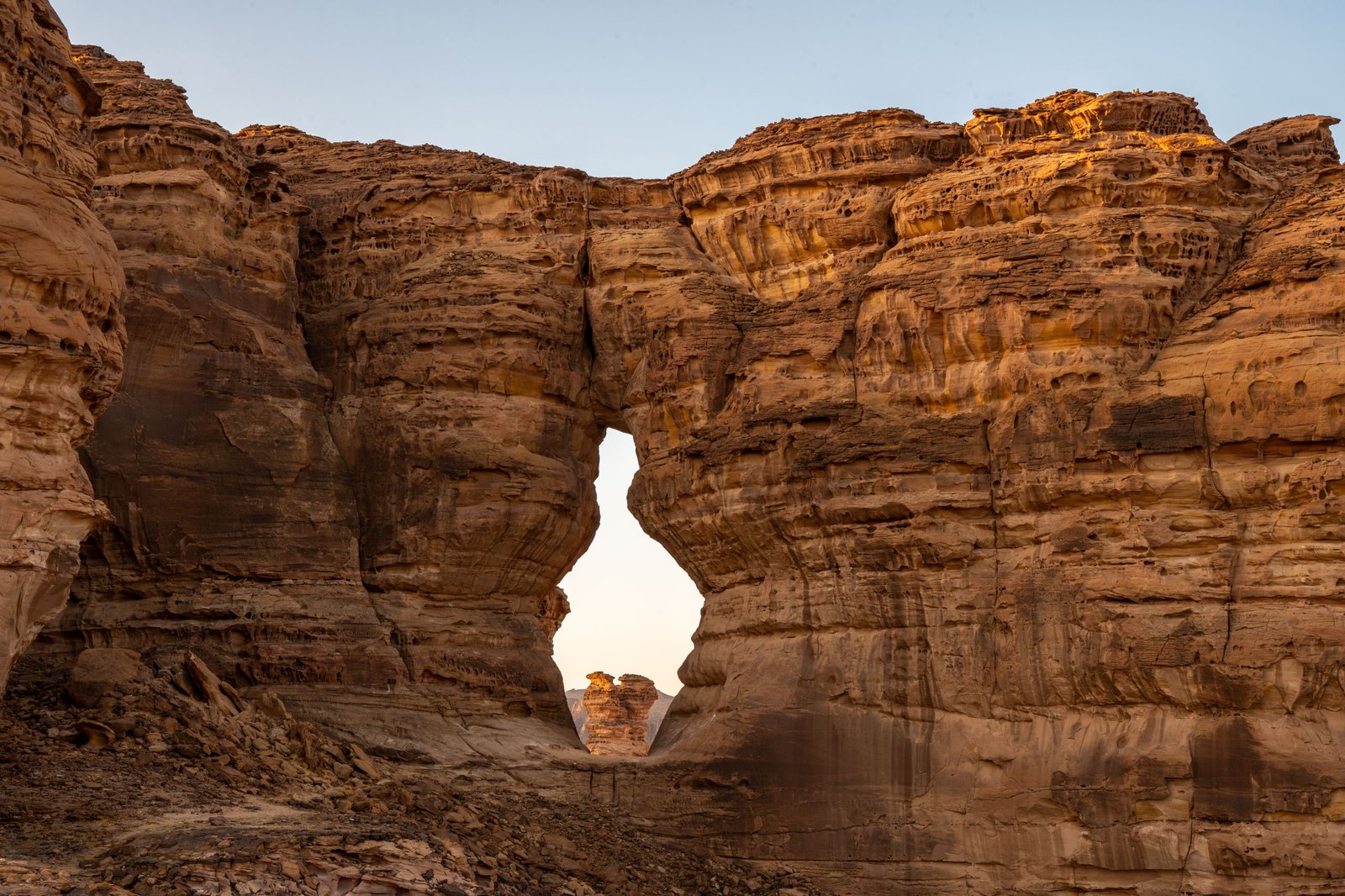
Workers, curators, and engineers collaborated under the desert sun, assembling structures that would soon house installations of global significance.The challenge lay in portraying scale and texture: the interplay between raw materials, scaffolding, and the surrounding sandstone cliffs. Early morning and late afternoon light revealed the sculptural qualities of the site and provided a sense of the exhibition’s integration into the broader AlUla landscape.

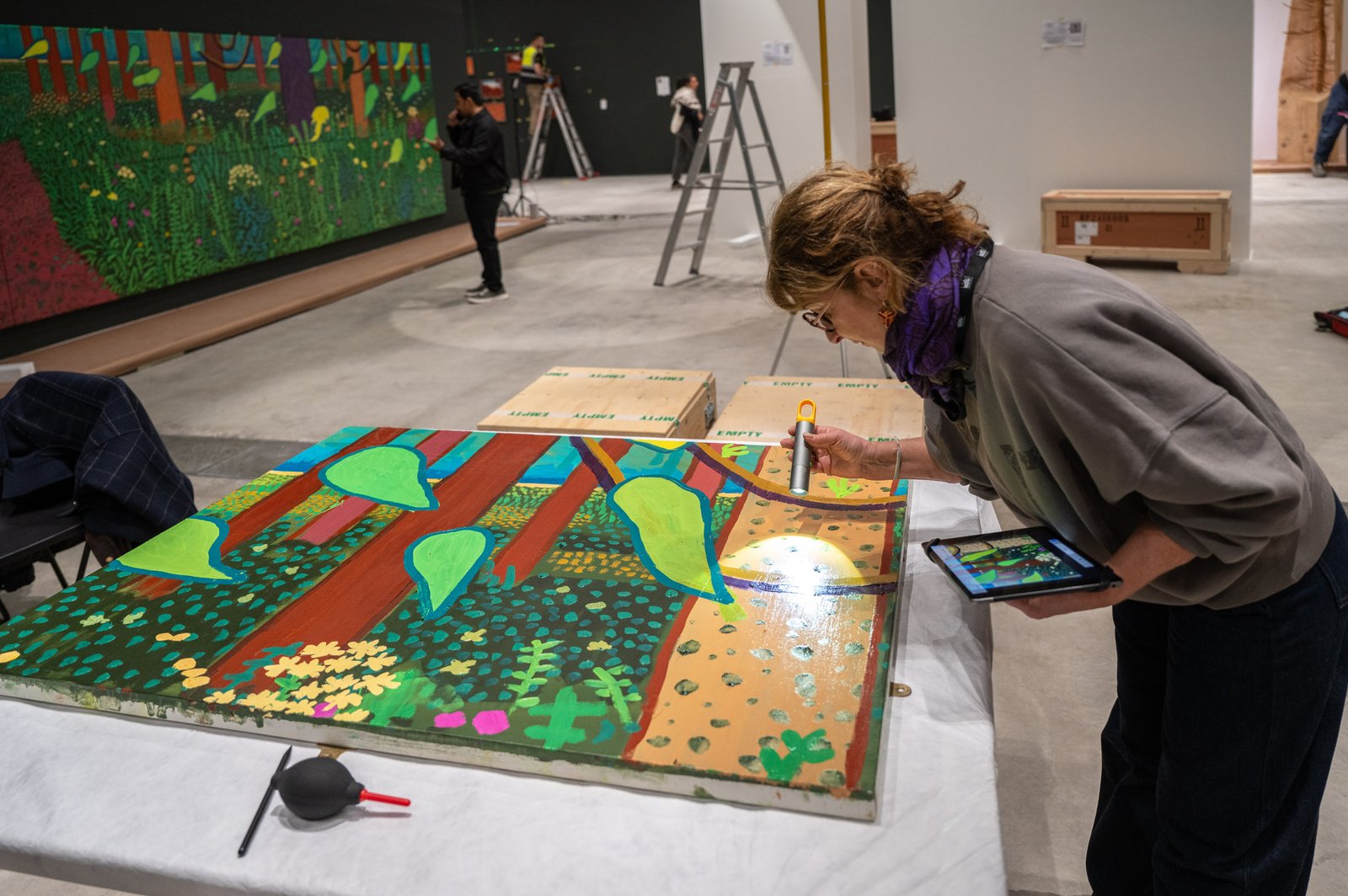
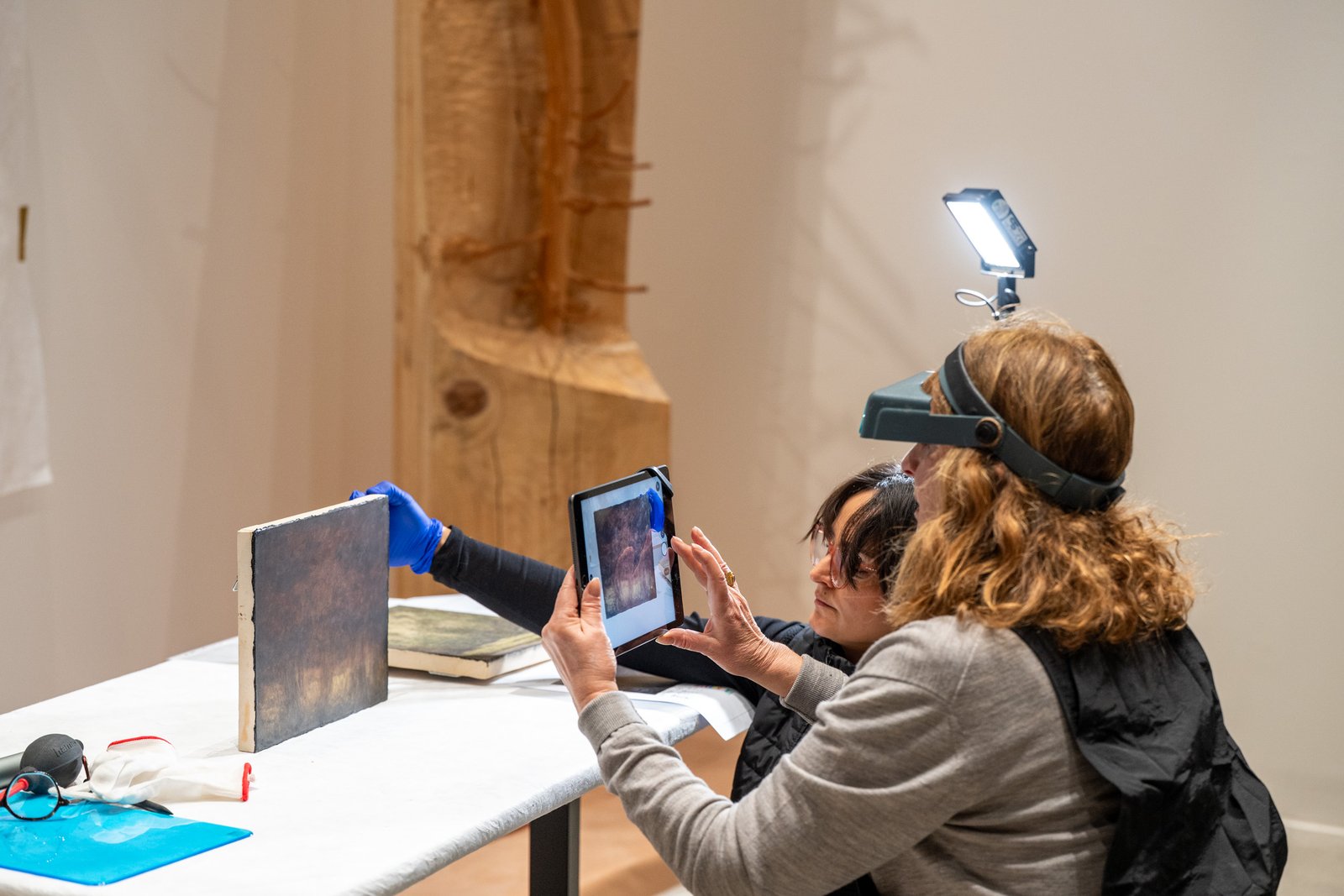
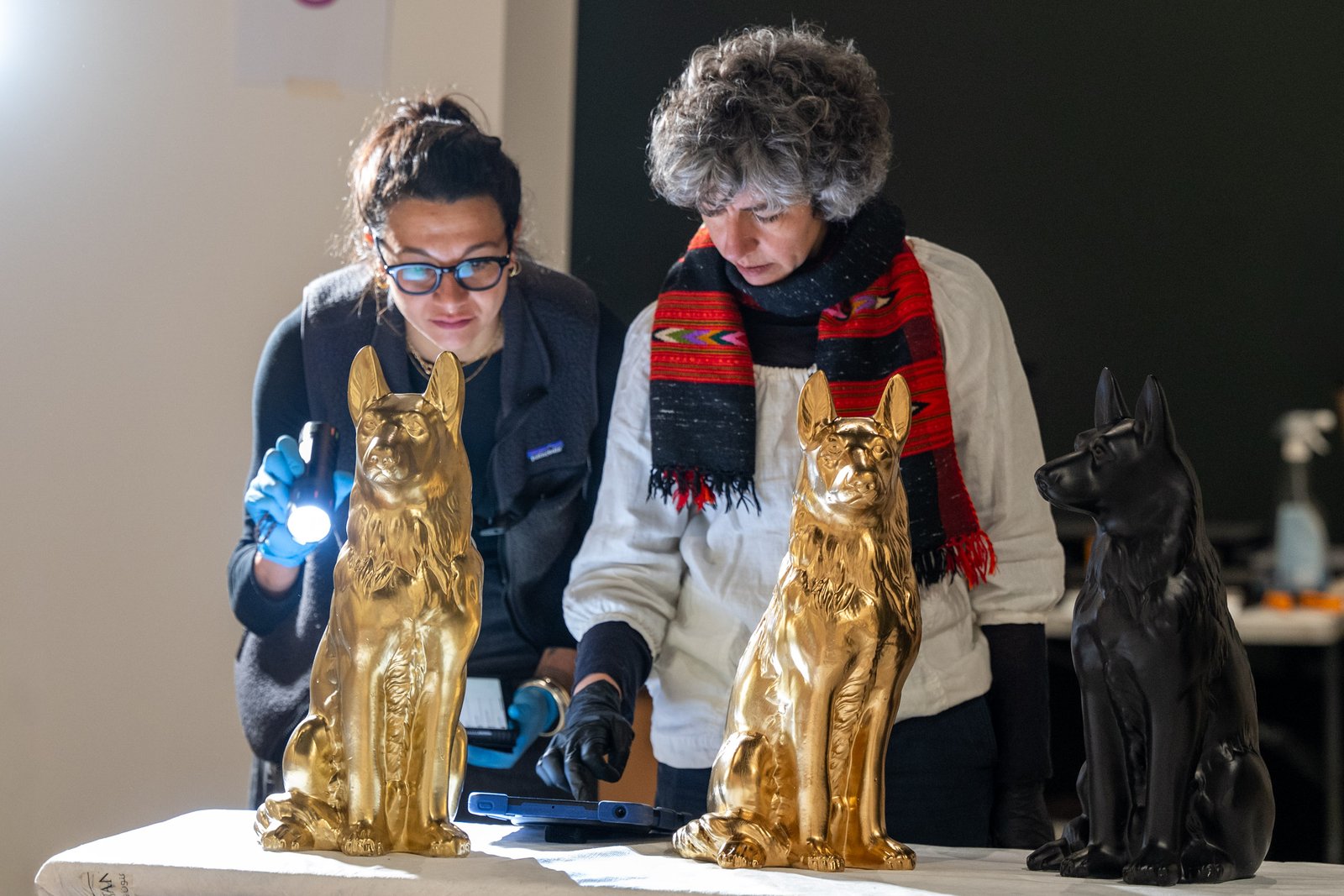
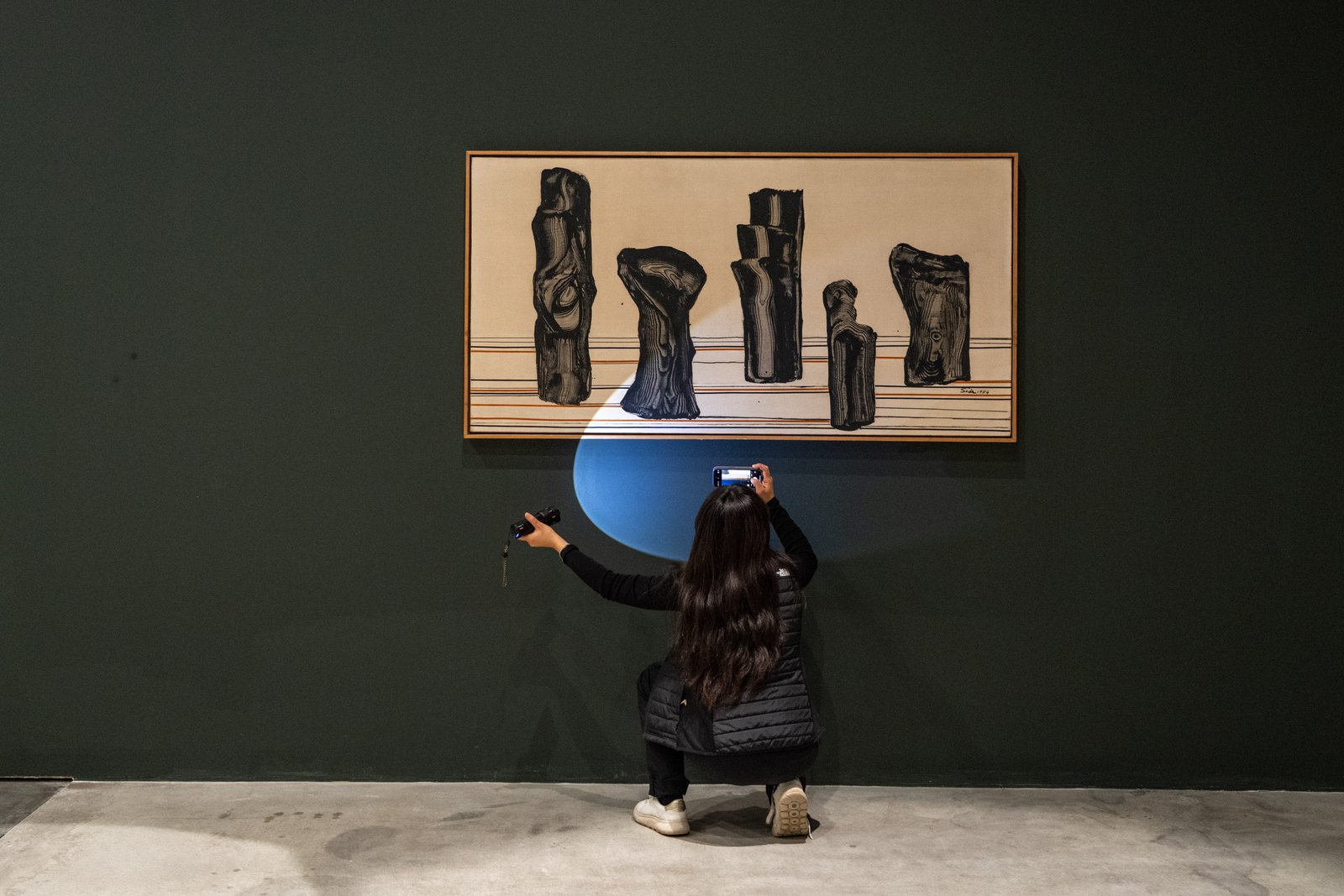
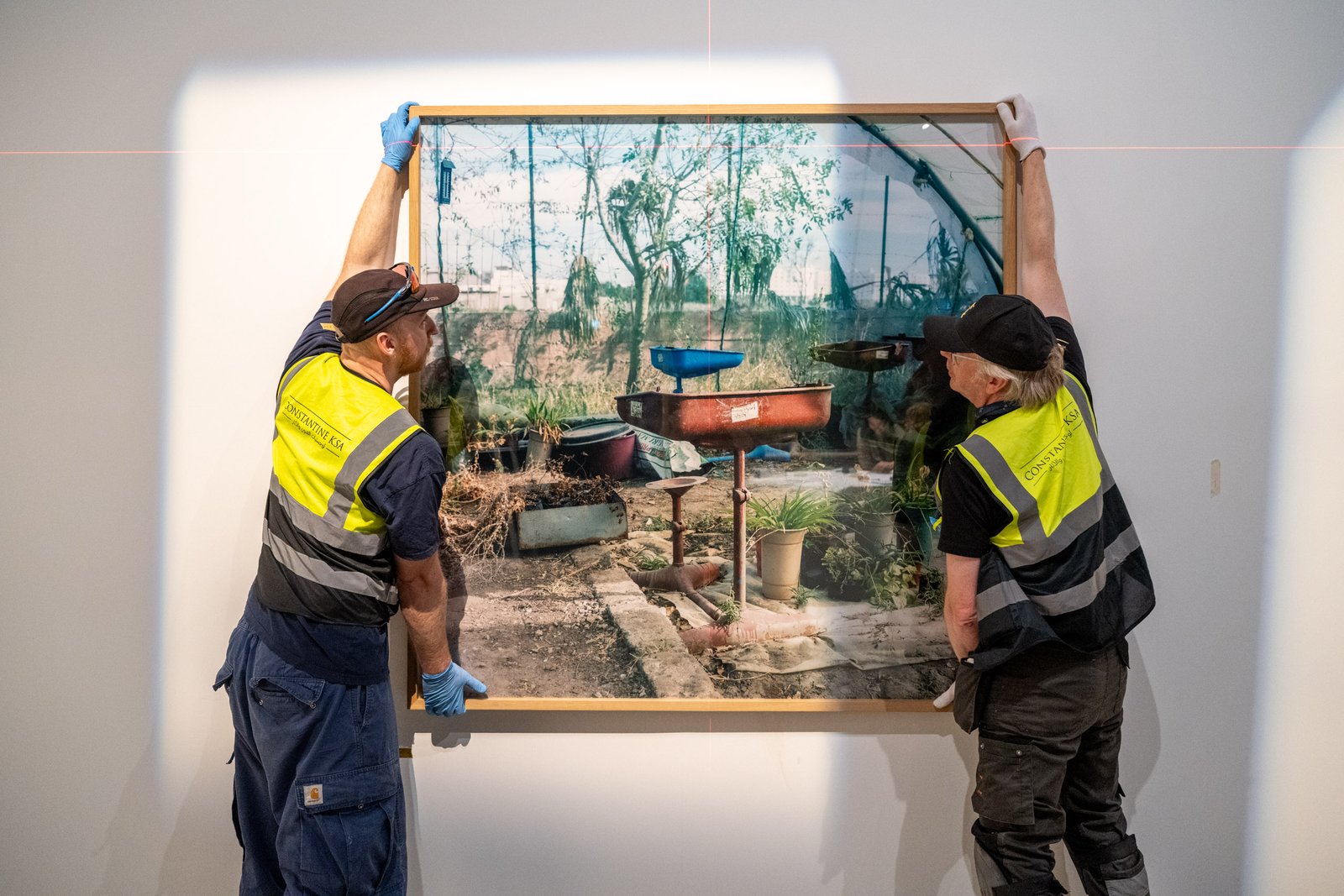
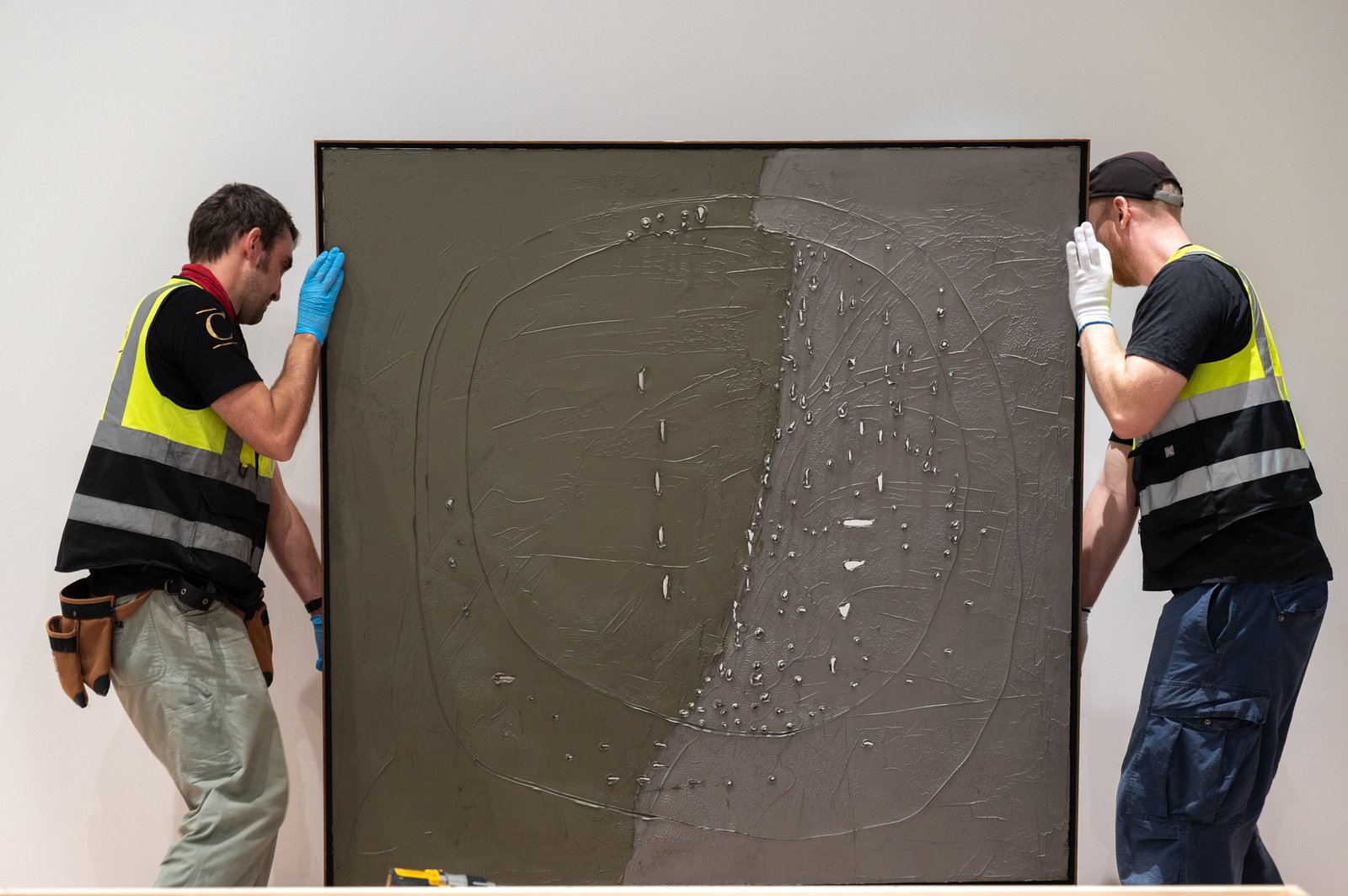
The first stage after receipt of the artworks was to unbox and assess any impacts of the transportation. It’s a slow, methodical process, surveying every inch of the masterpieces.
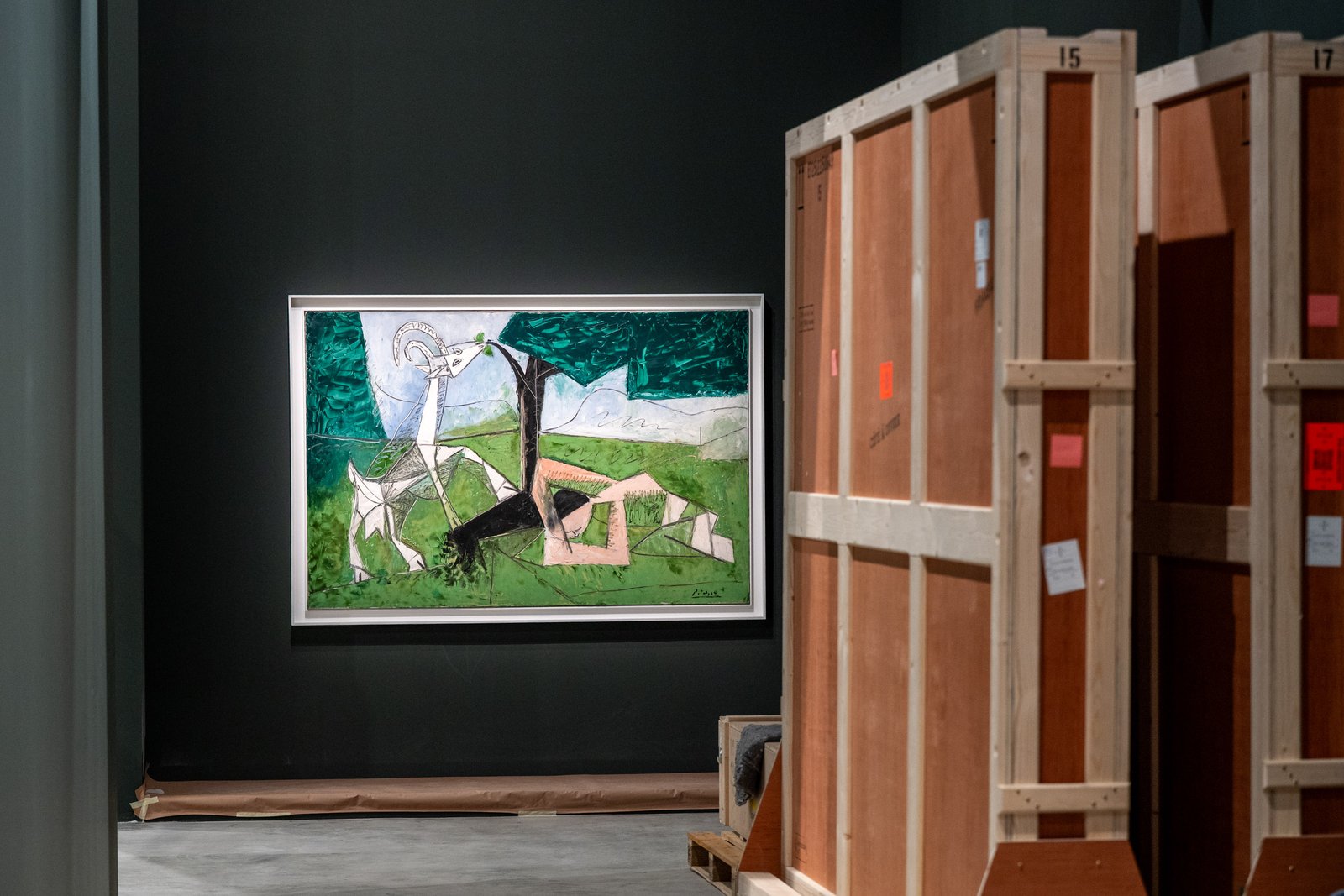
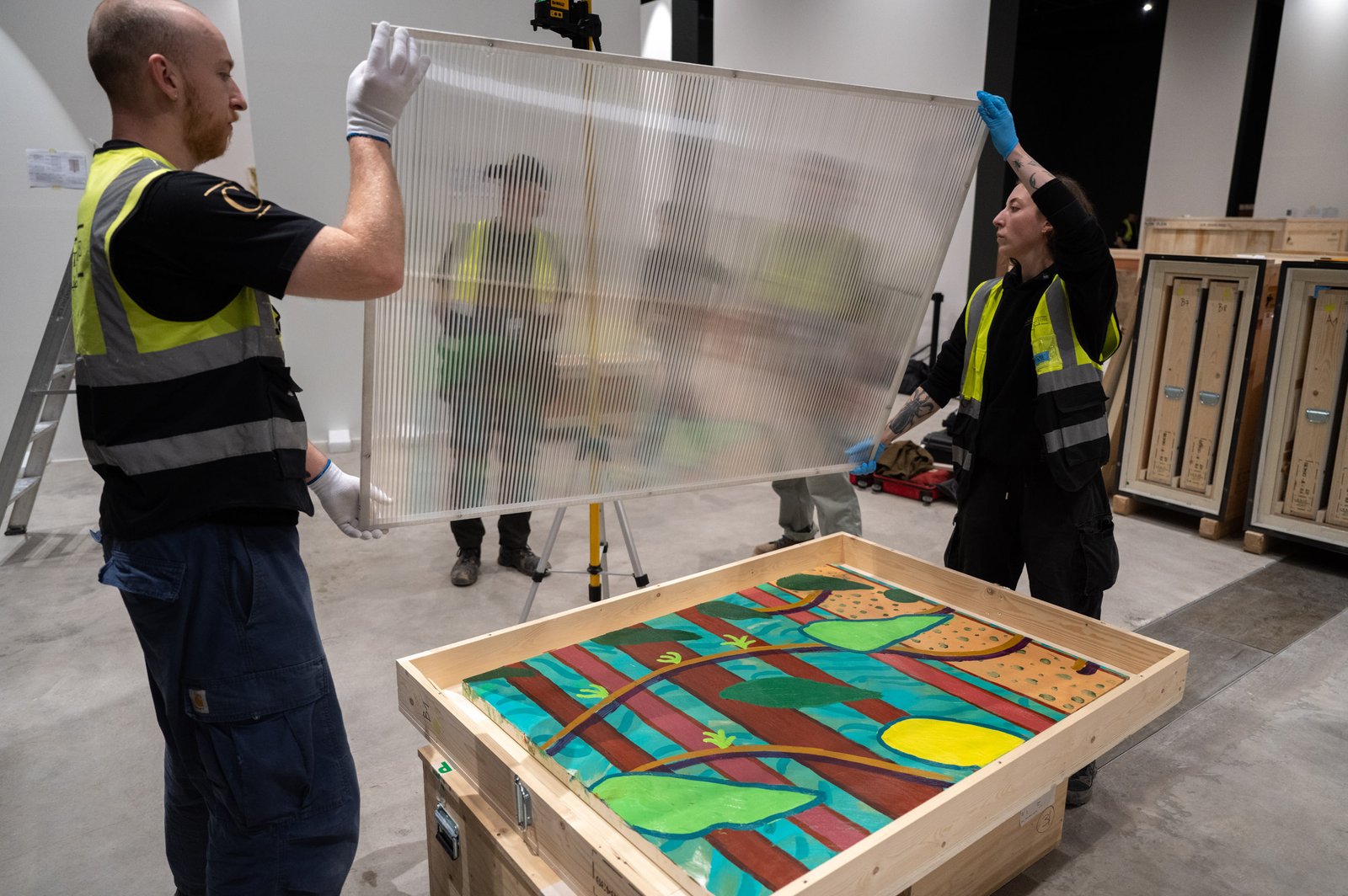
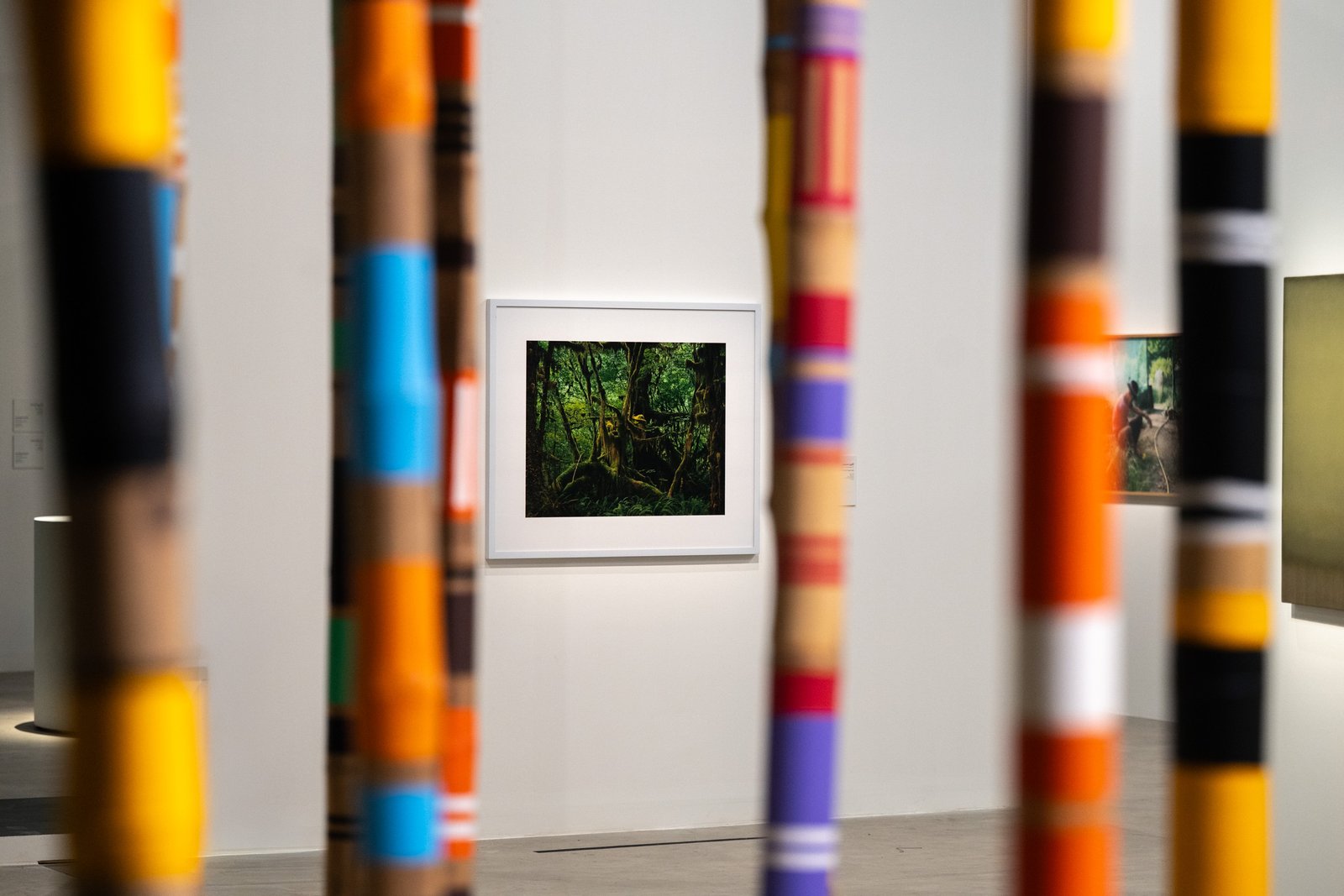
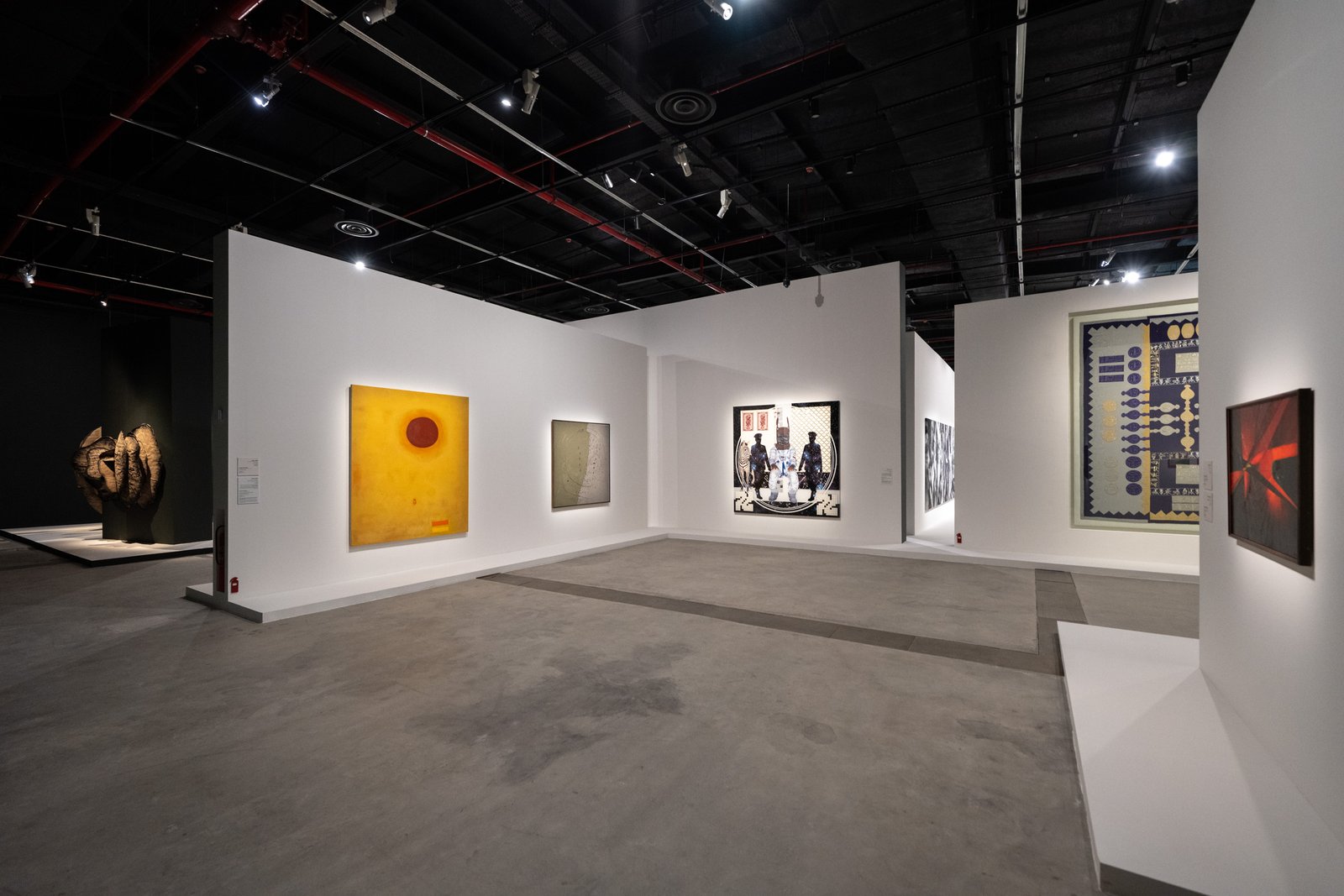
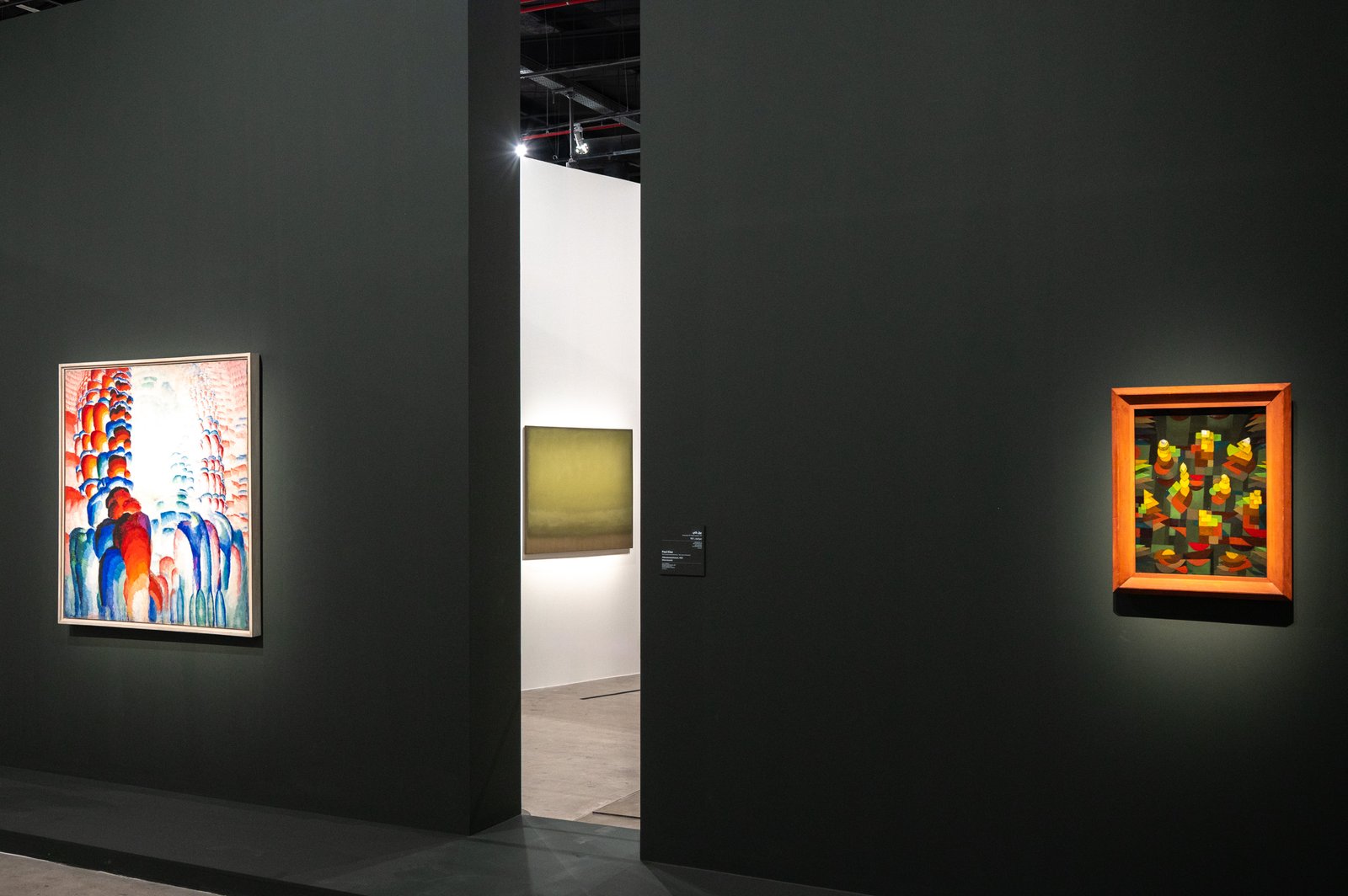
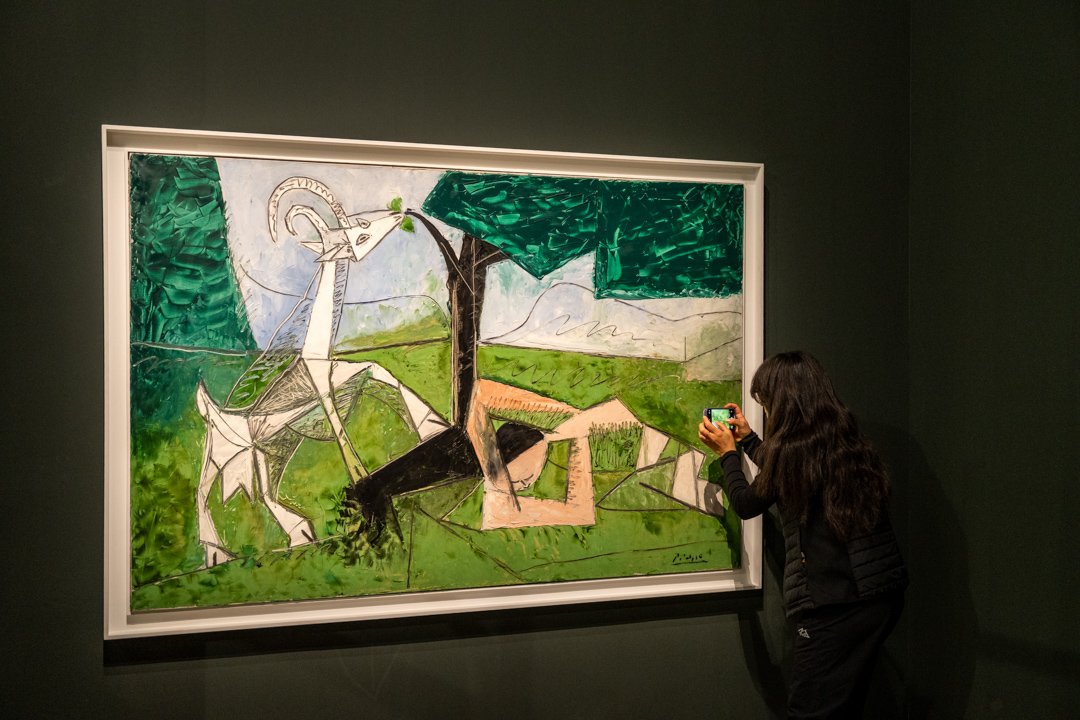
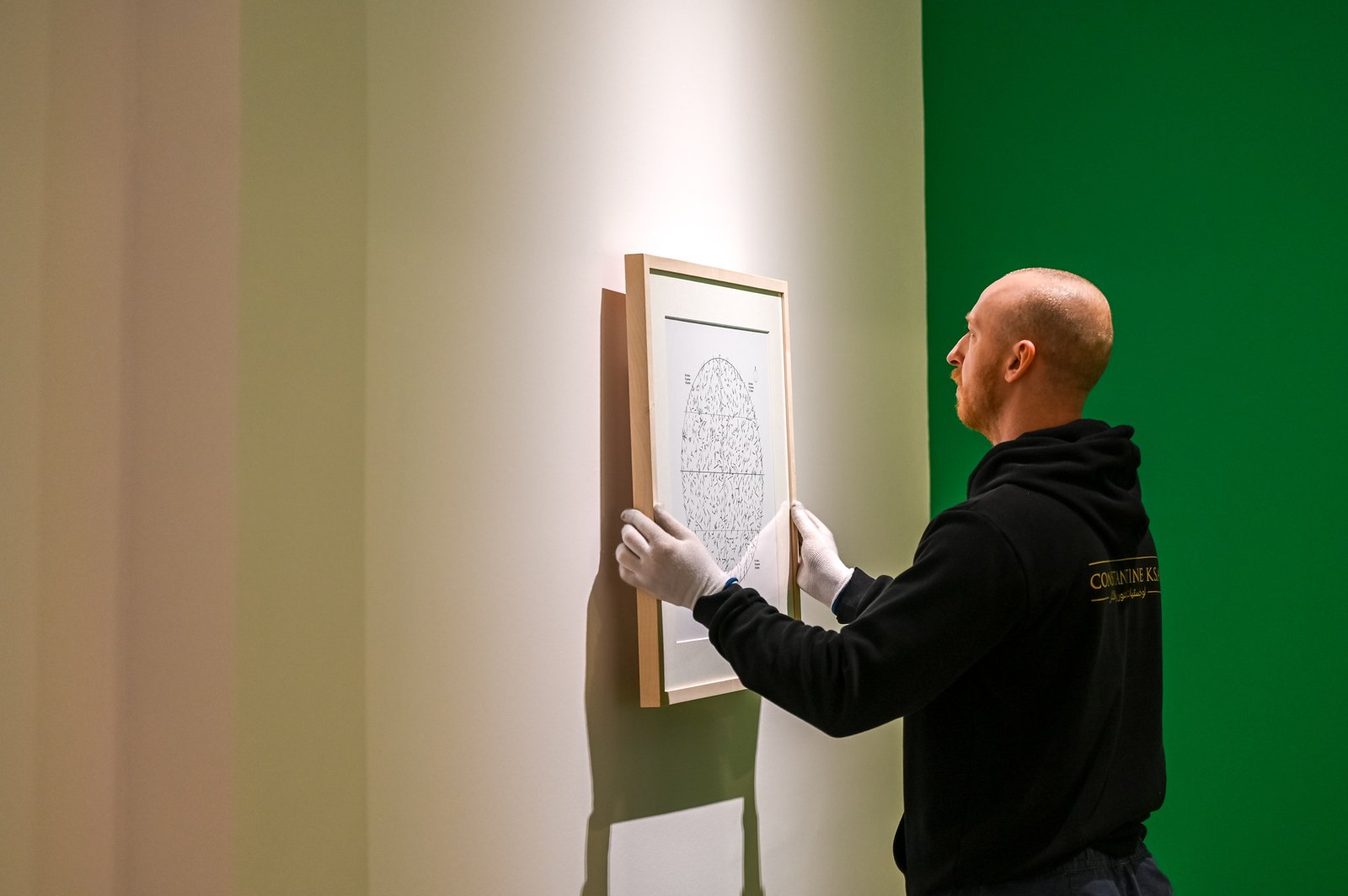
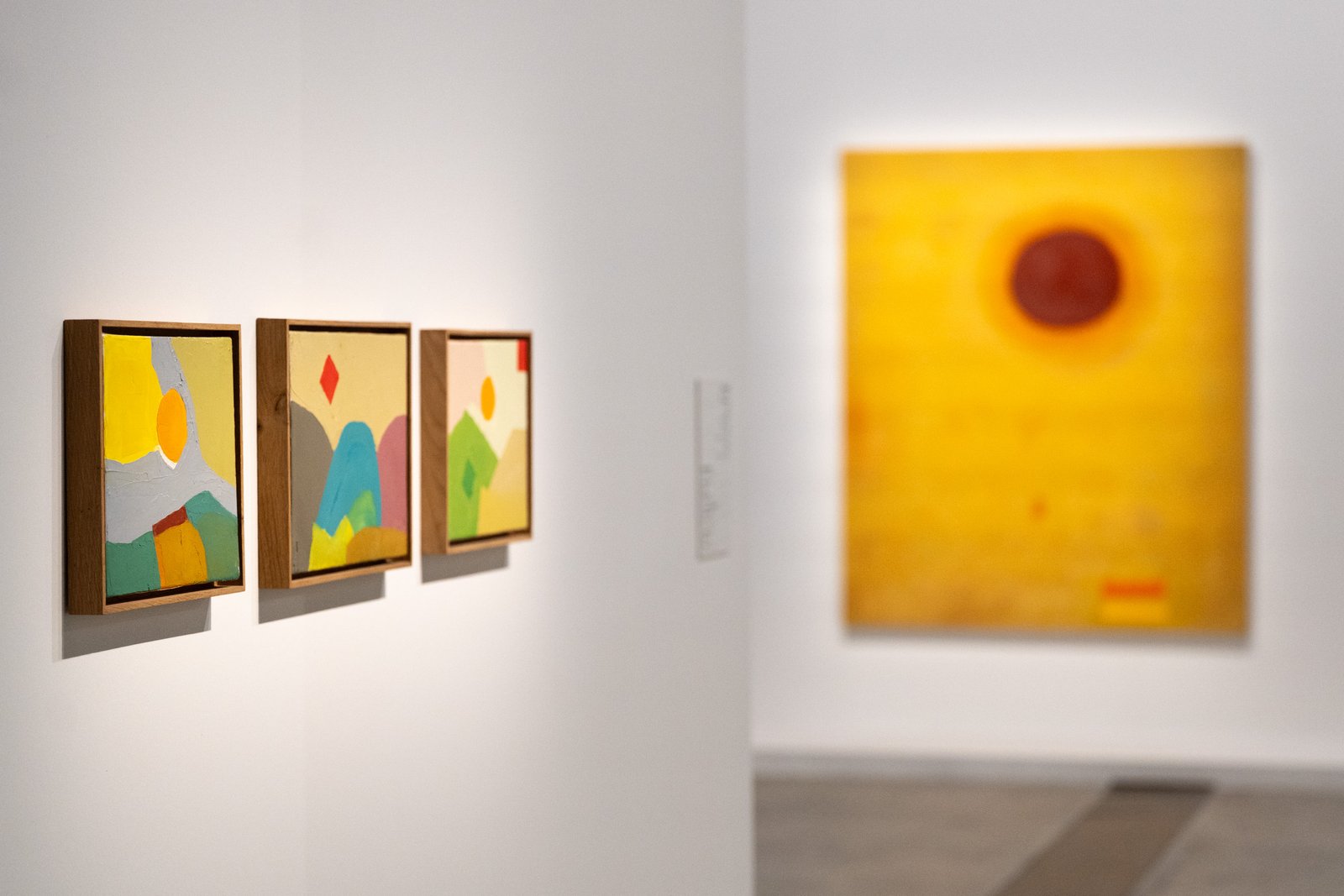
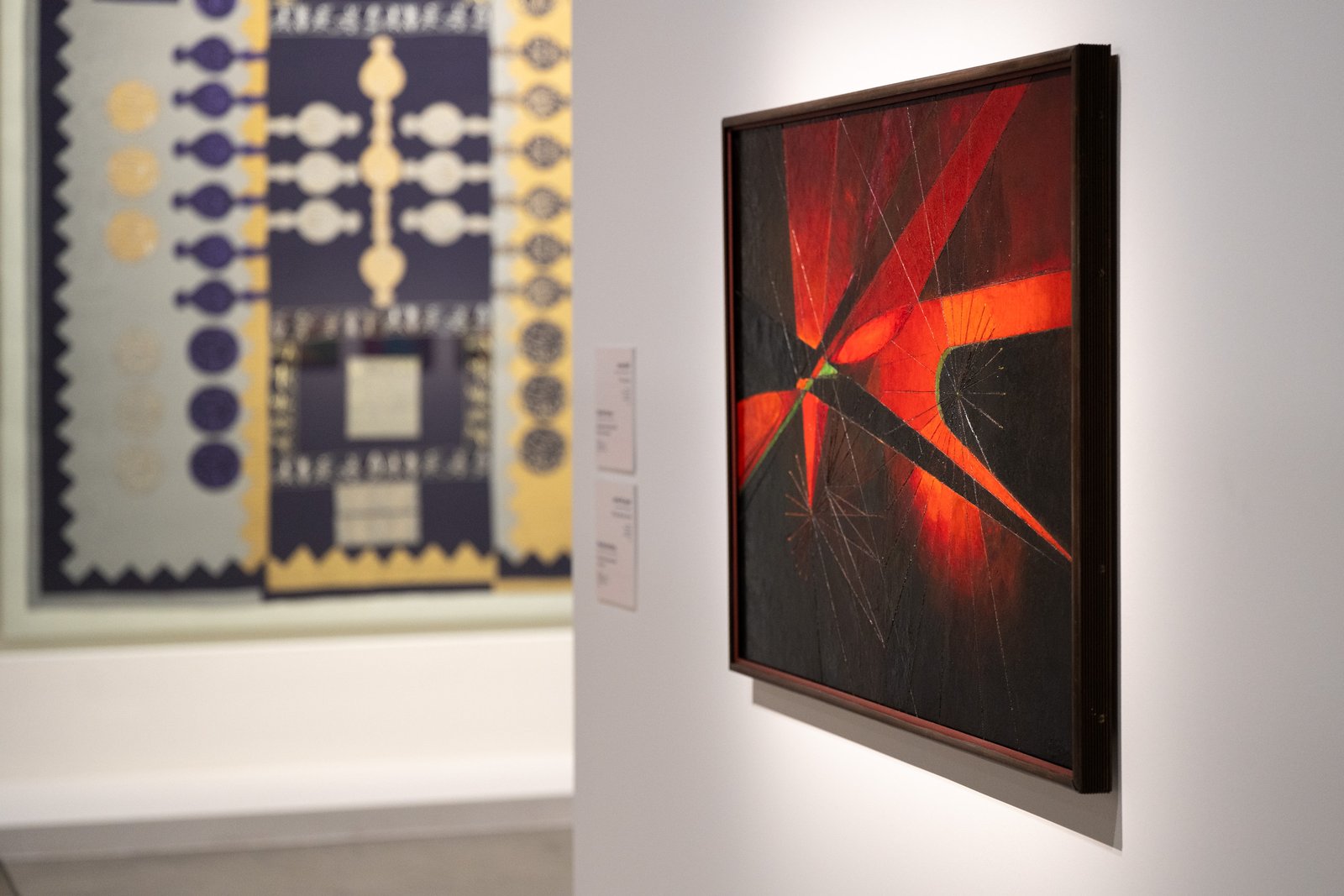
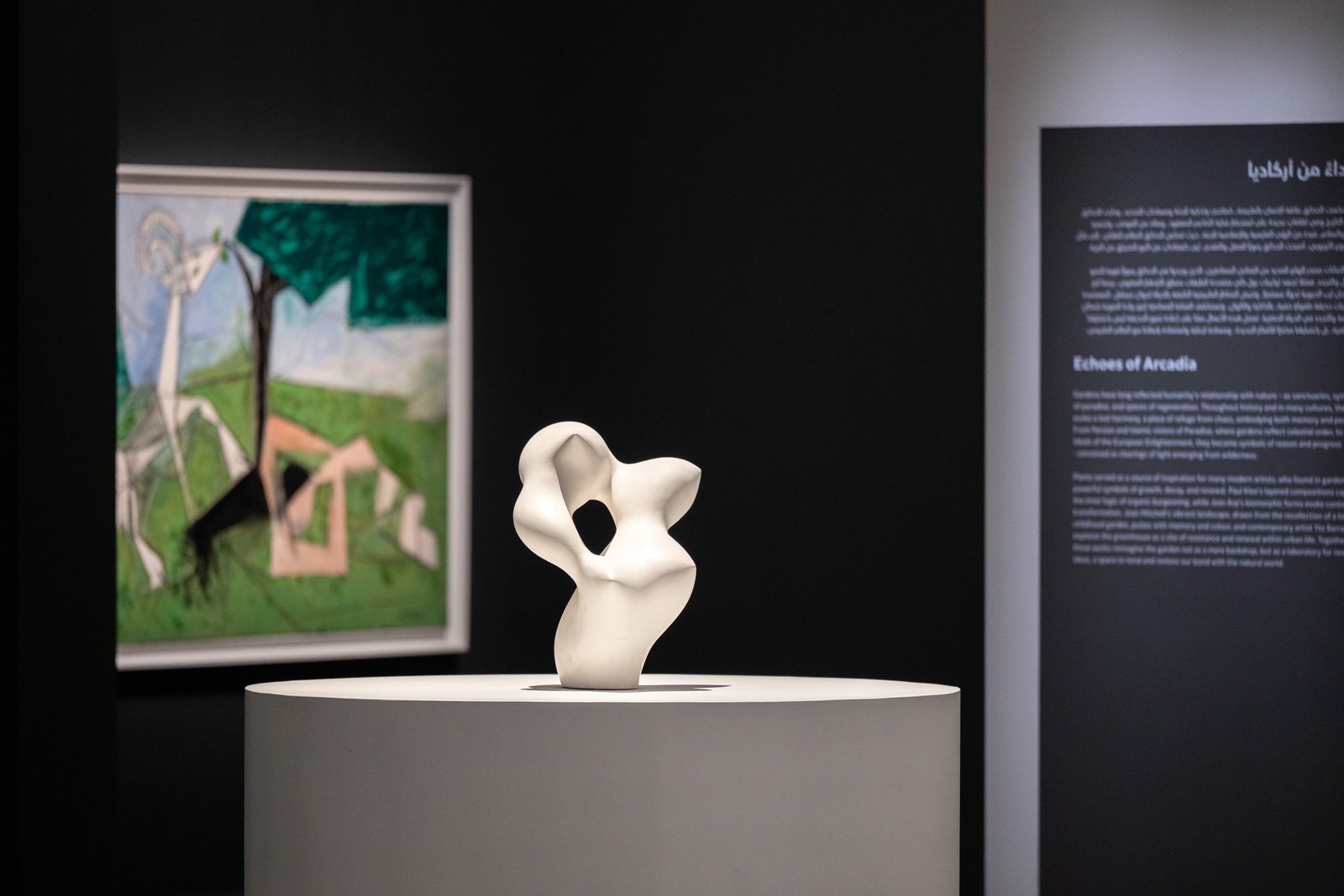
Installation and Artistic Detail - As the artworks arrived from around the world, the focus shifted to the installation process. Each piece demanded careful handling and precise placement, often under the supervision of curators from the Centre Pompidou and RCU’s cultural team. Photographing these moments required sensitivity—respecting the  creative process while documenting the craftsmanship and coordination behind the scenes. Close-up compositions highlighted the textures, materials, and conceptual depth of the artworks, while wider frames captured the dialogue between art and architecture.
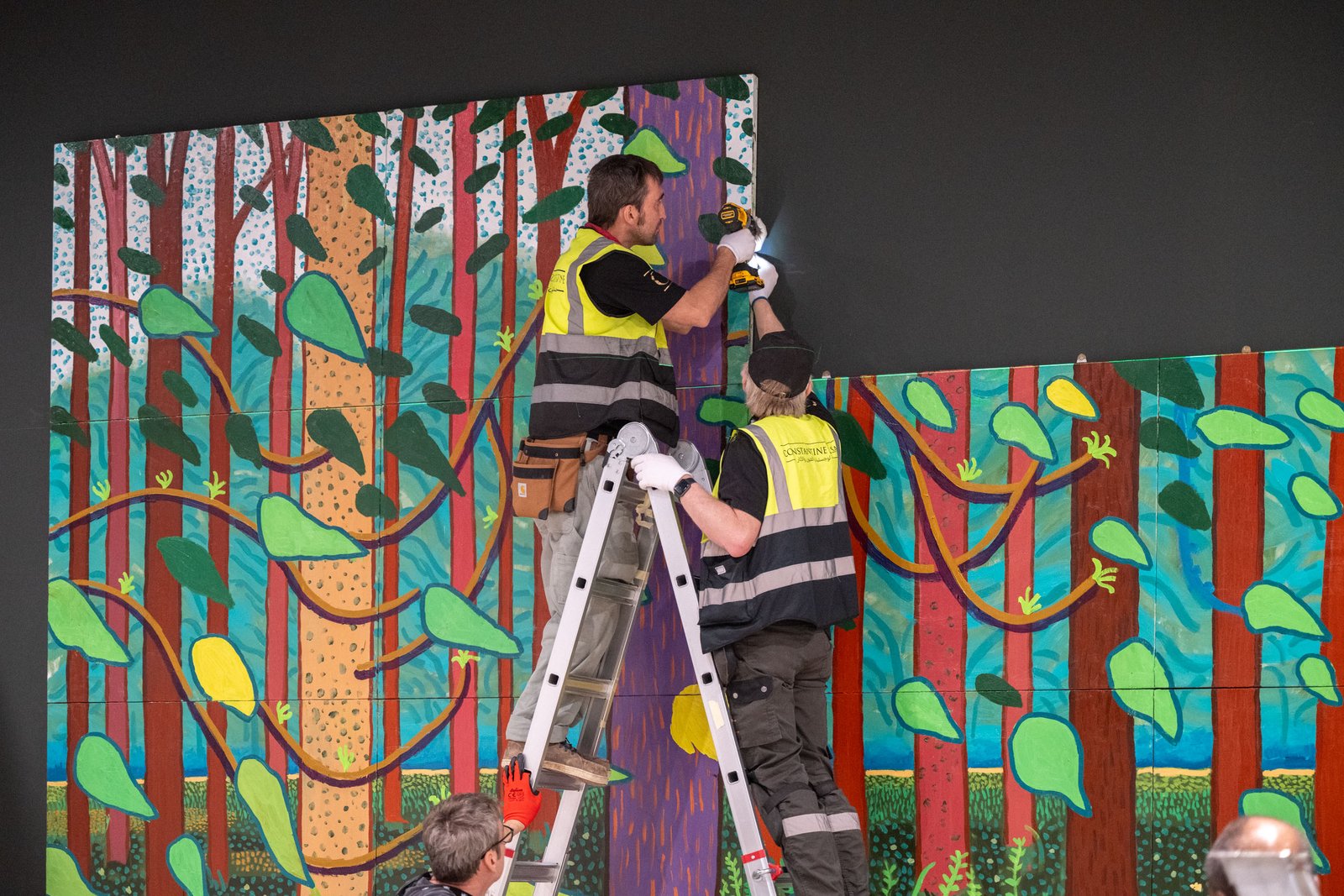
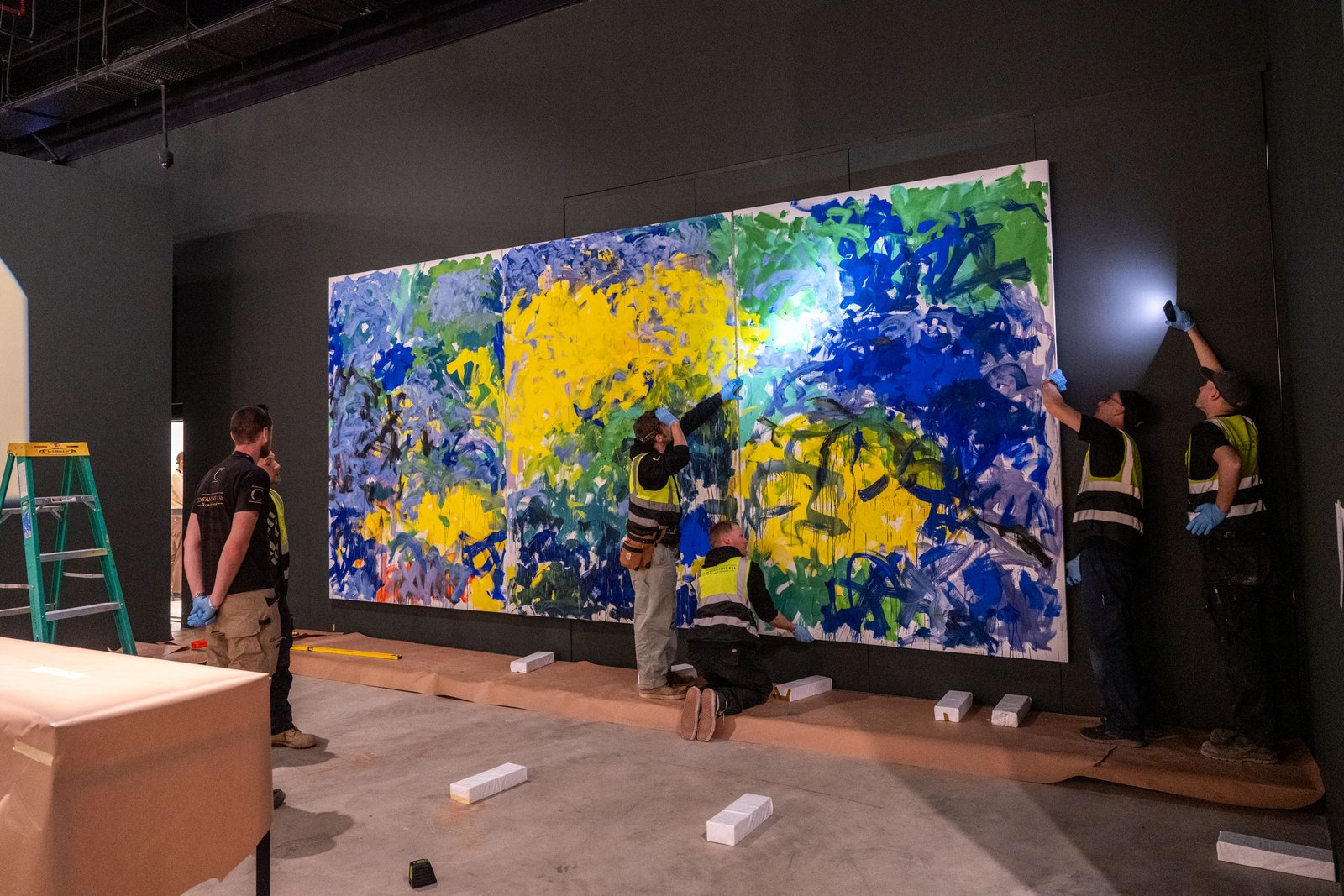
Reflections on a Cultural Milestone - Documenting the Arduna Exhibition was more than an assignment—it was an immersion into a moment of cultural transformation. The collaboration between the Royal Commission for AlUla and the Centre Pompidou demonstrated how art can bridge geographies and generations, creating new narratives rooted in place and shared creativity.From the first foundations to the final applause, the project revealed the power of visual storytelling to preserve the spirit of an event that will shape AlUla’s artistic legacy for years to come.
Read More
Nick Jackson
July 3, 2026
Planning a day in AlUla, Saudi Arabia, as a photographer

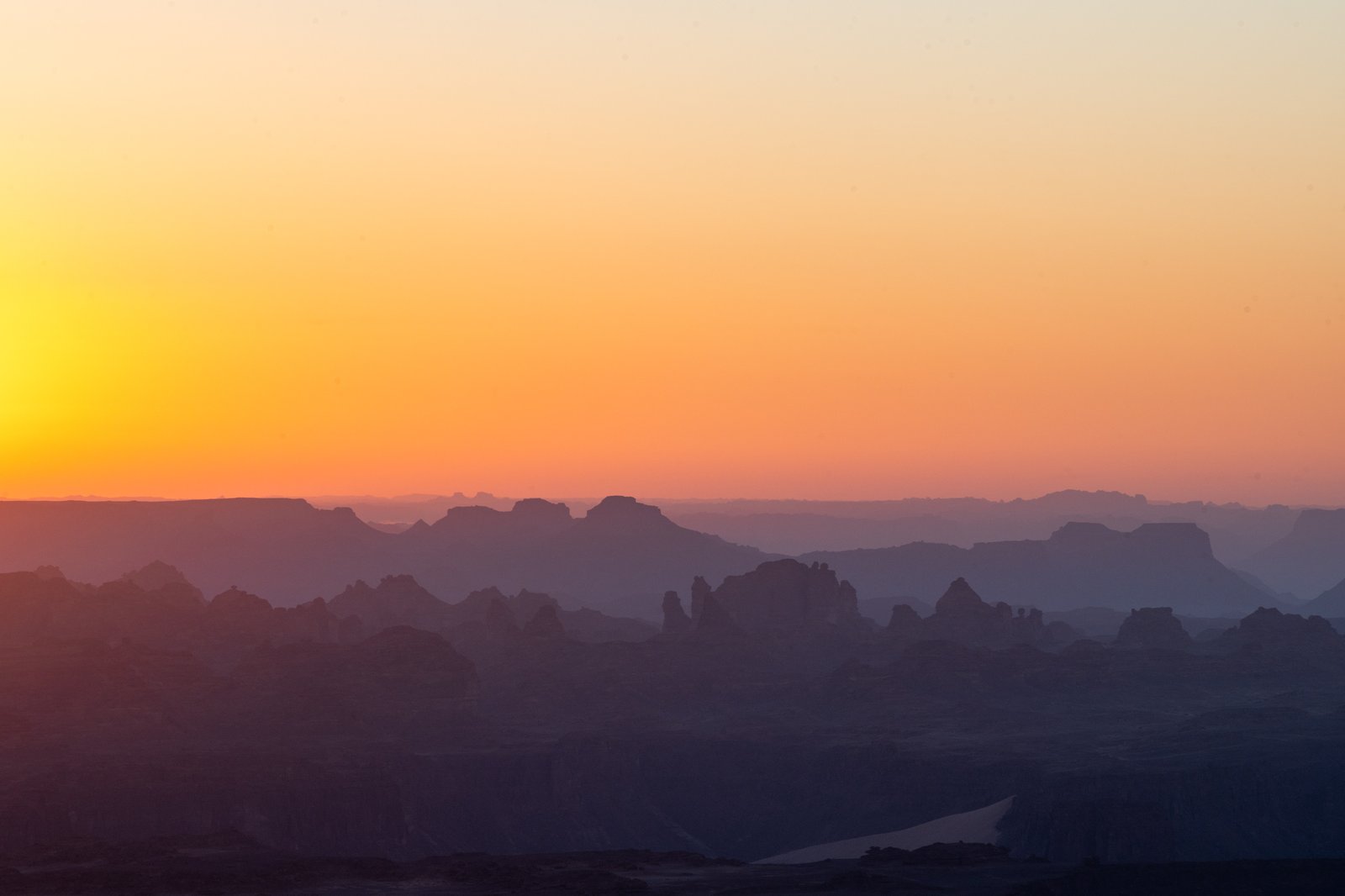
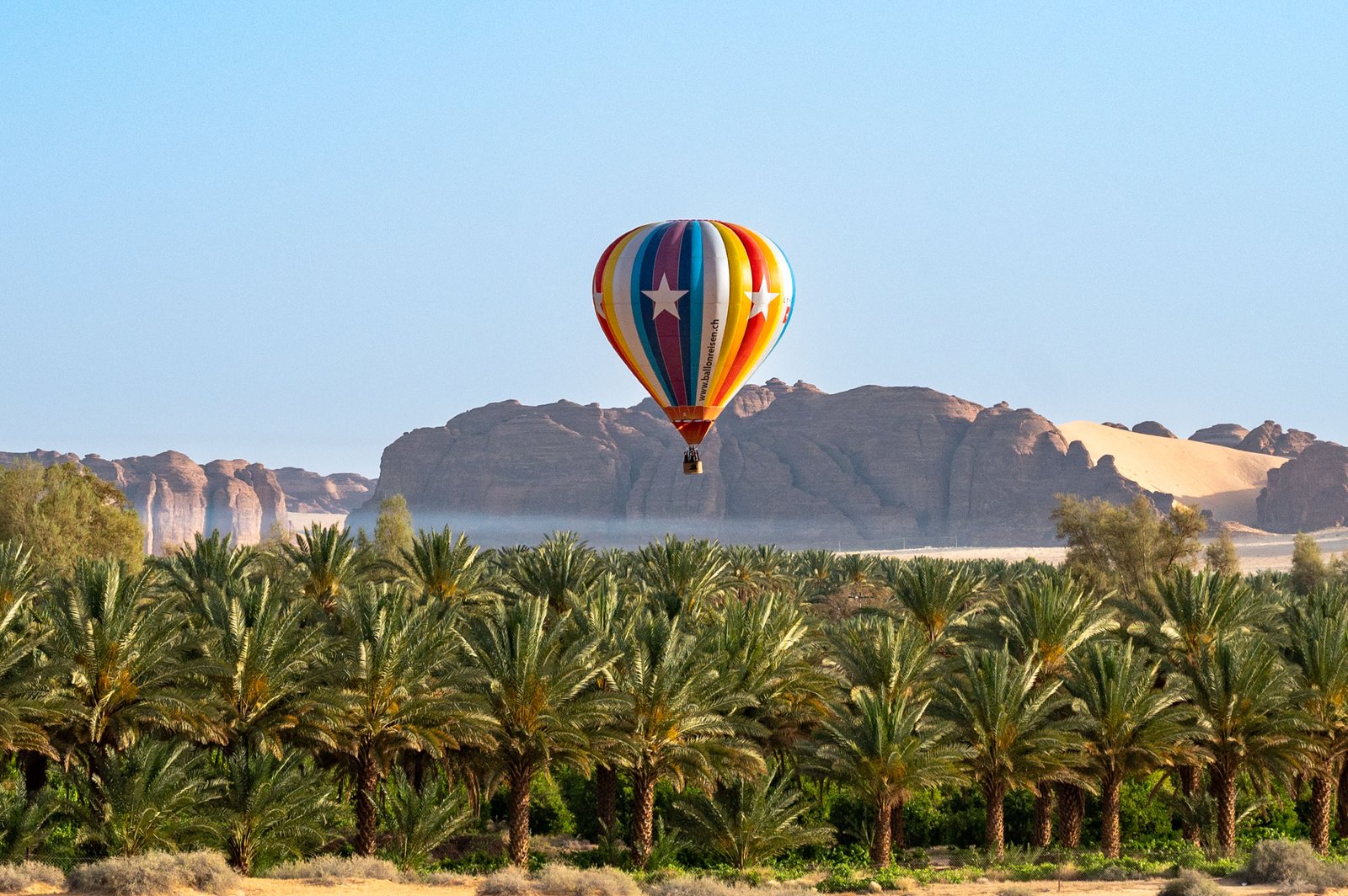
Sunrise: The Desert Awakens - The first light of day in AlUla transforms the desert into a painter’s palette of gold and rose. Sunrise sessions are best spent among the sandstone canyons and dunes that surround the valley.
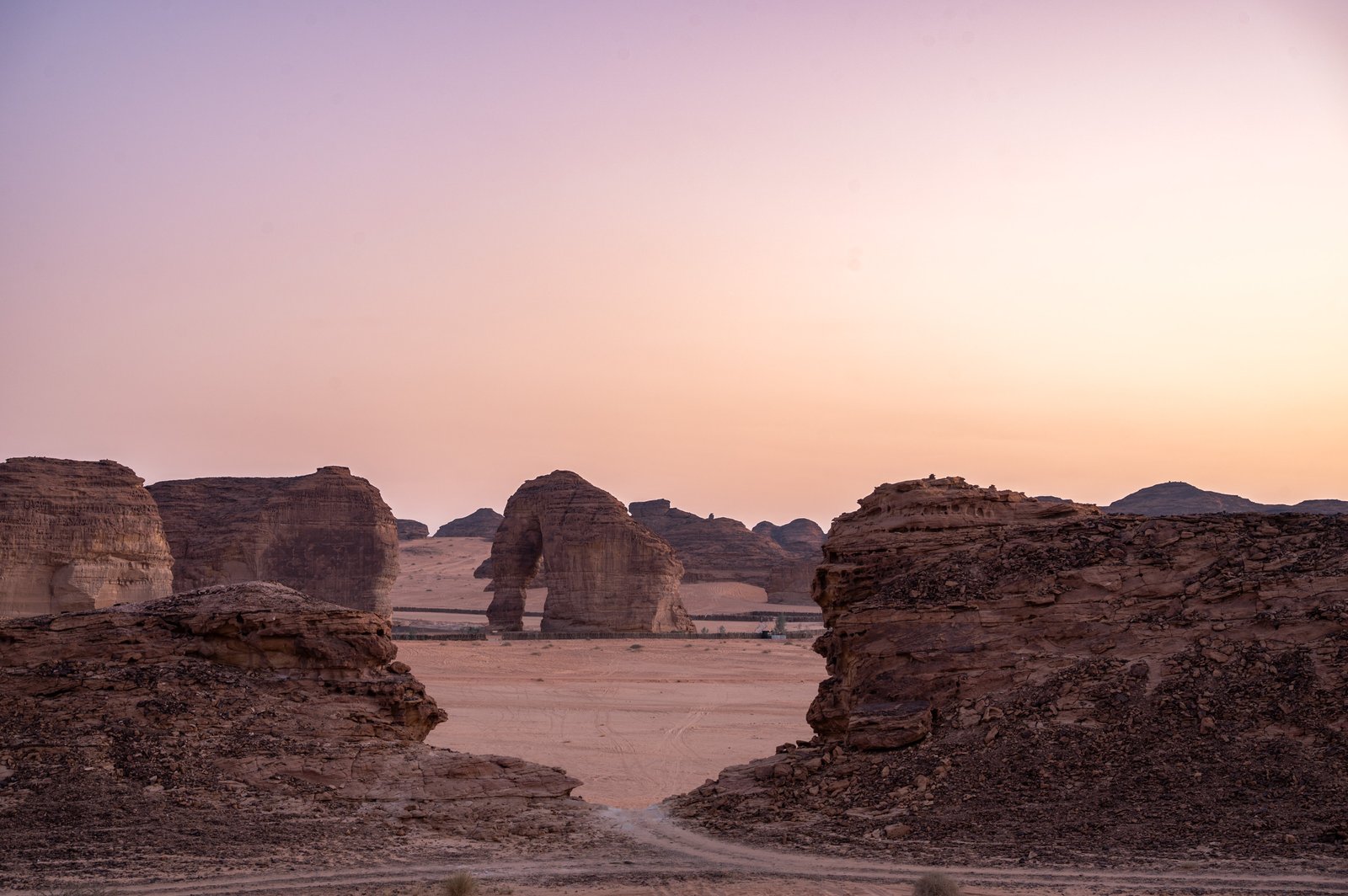
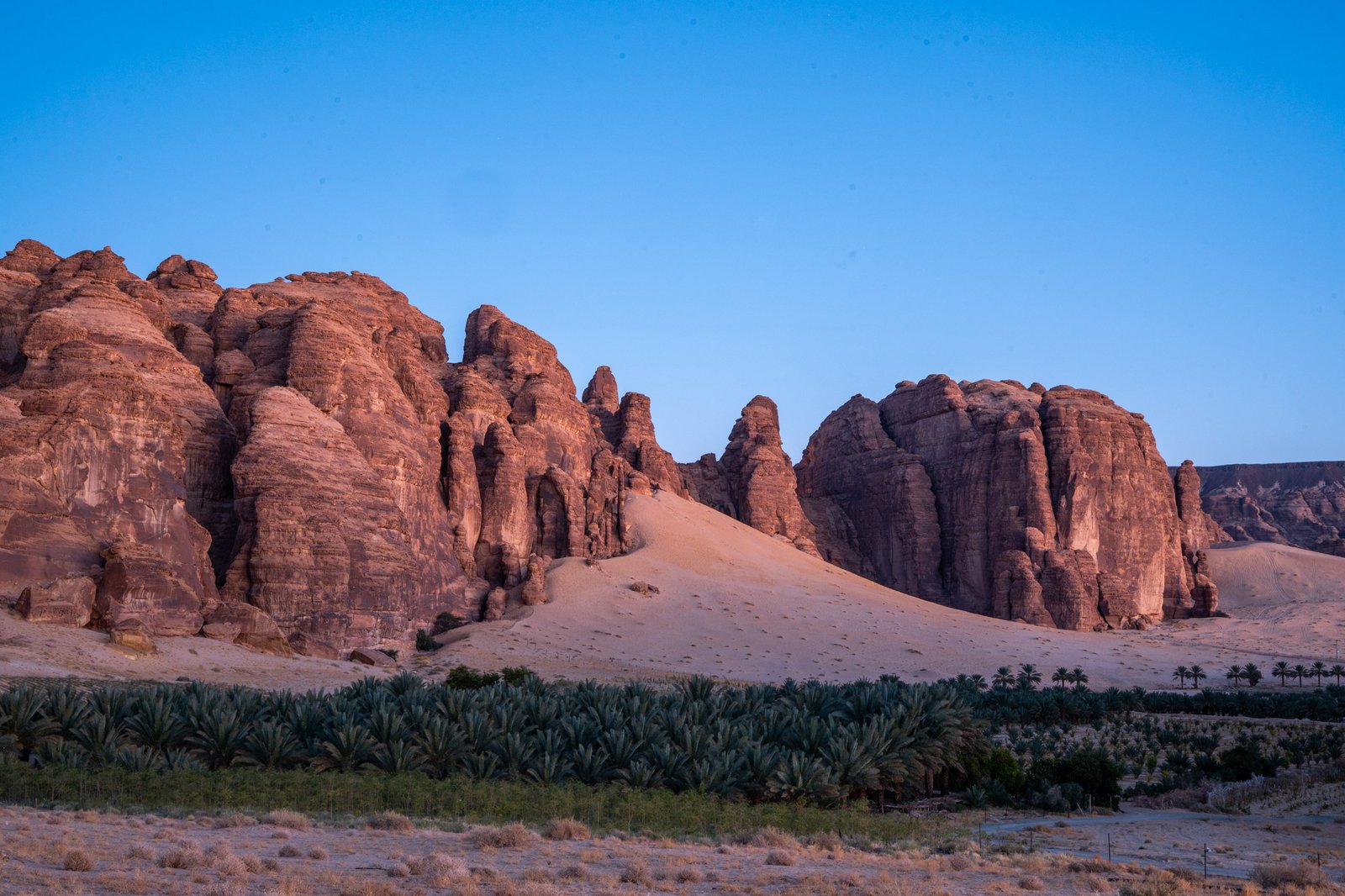
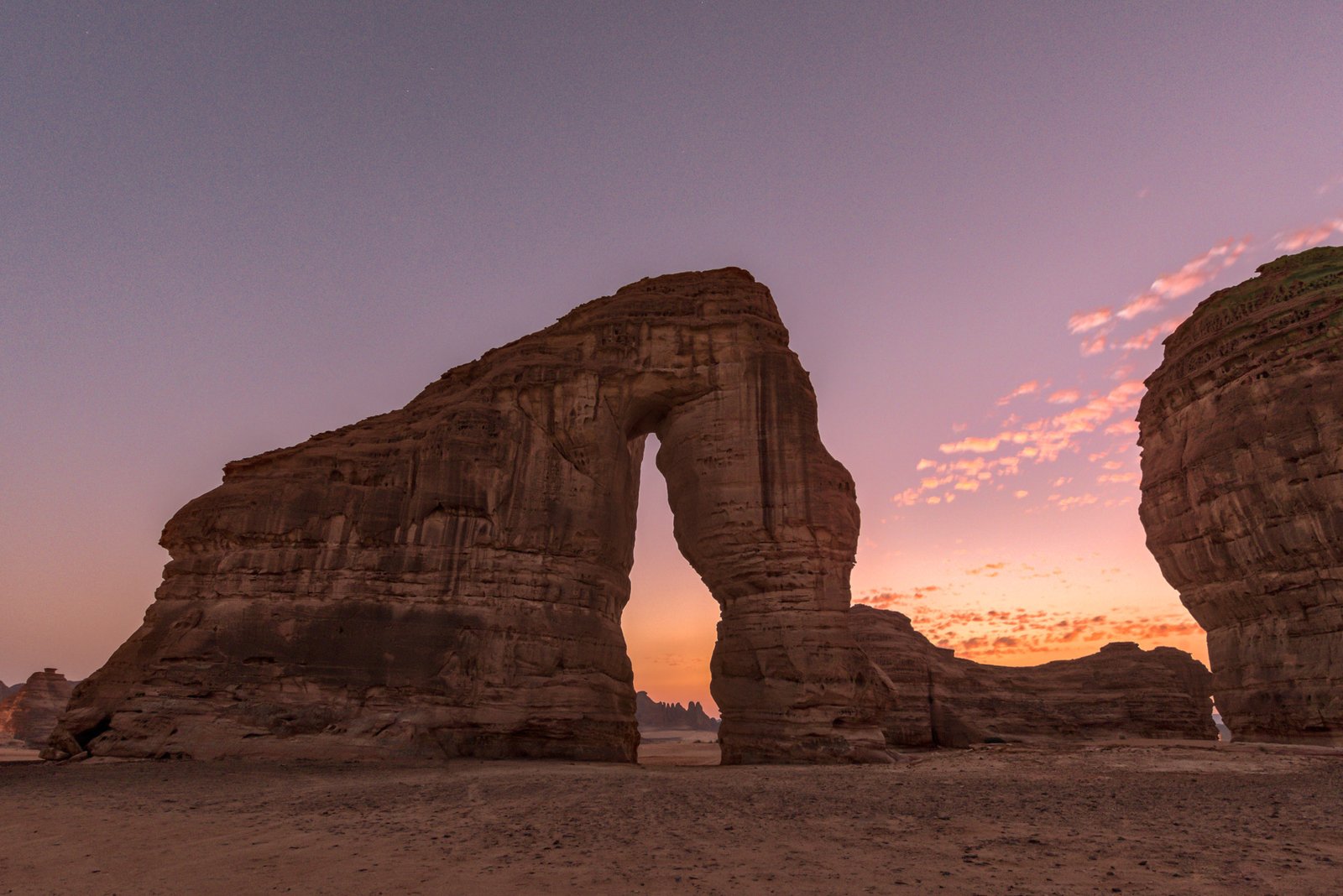
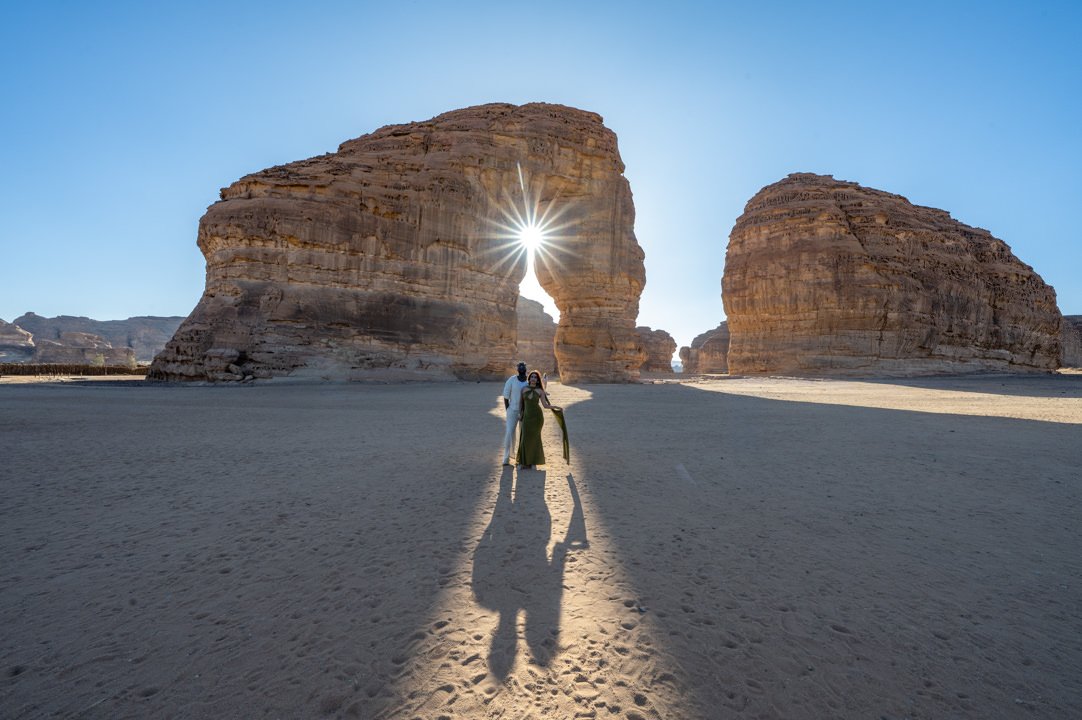
Elephant Rock (Jabal AlFil) & Jar Rock: One of AlUla’s most iconic landmarks, this natural rock formation resembles a giant elephant standing guard over the desert. Arriving before dawn allows for soft, diffused light that highlights the rock’s texture and the surrounding sand’s subtle gradients.

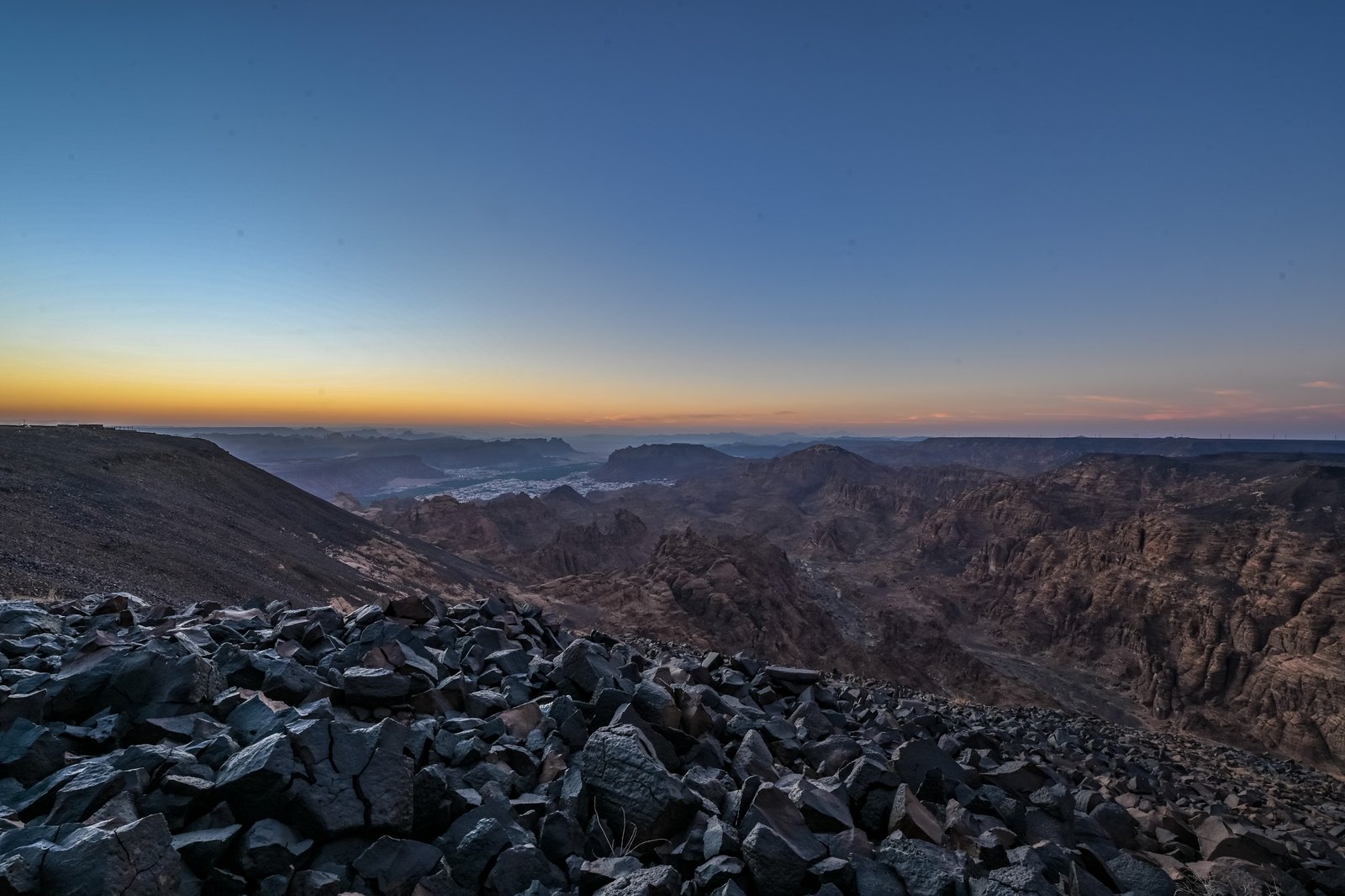
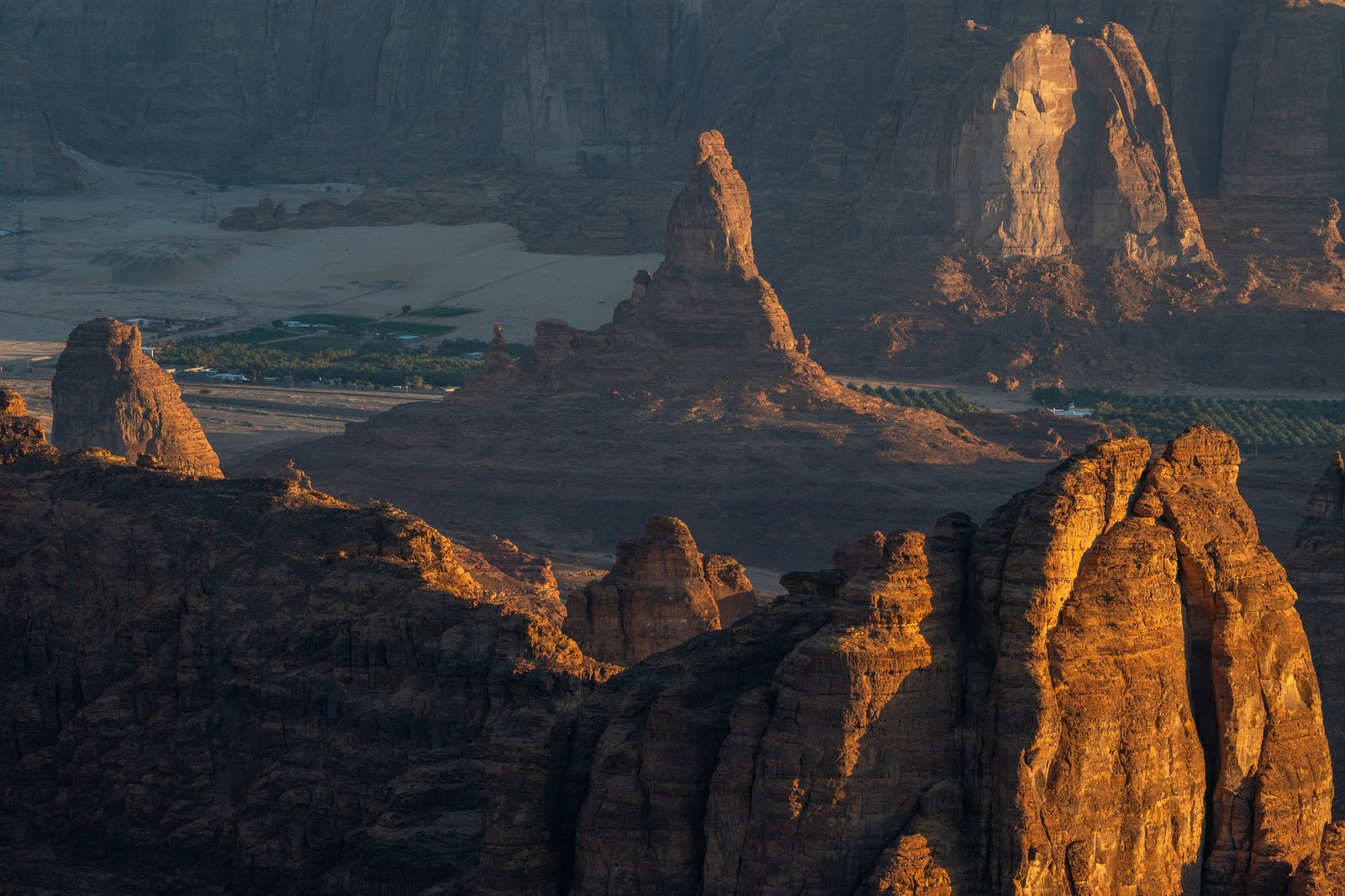
Harrat Viewpoint: A volcanic sea of black basalt overlooking the city of AlUla, it is often photographed at sunset. However, the early morning light is perfect for illuminating huge monoliths in the foreground with bright orange colours, while the background of desert and mountains slowly warms up behind.

Midday: Exploring Culture and Heritage - As the sun climbs higher, the focus shifts from landscapes to the cultural heart of AlUla. The midday light, though harsh for landscapes, works beautifully for architectural and documentary photography.

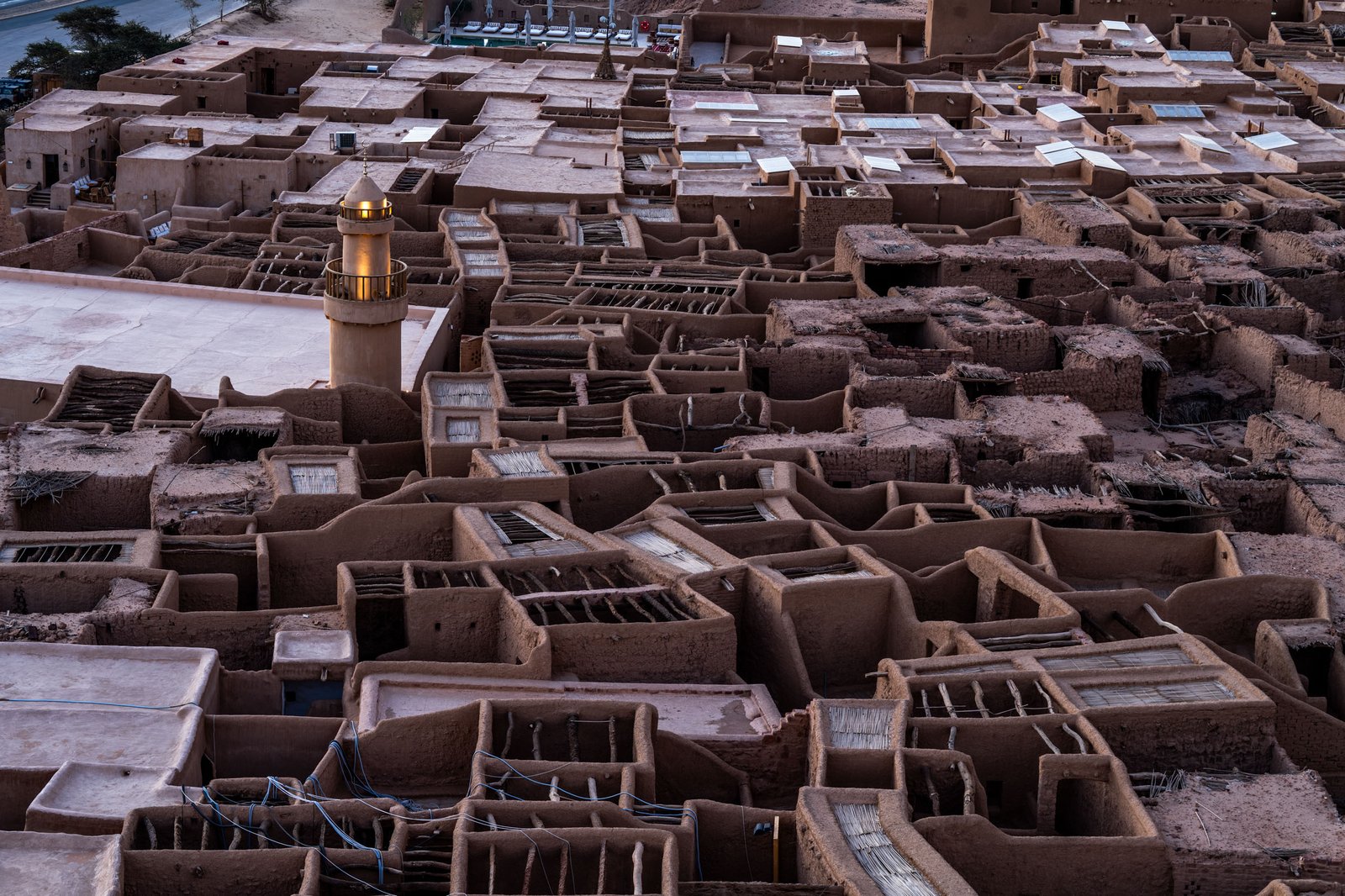
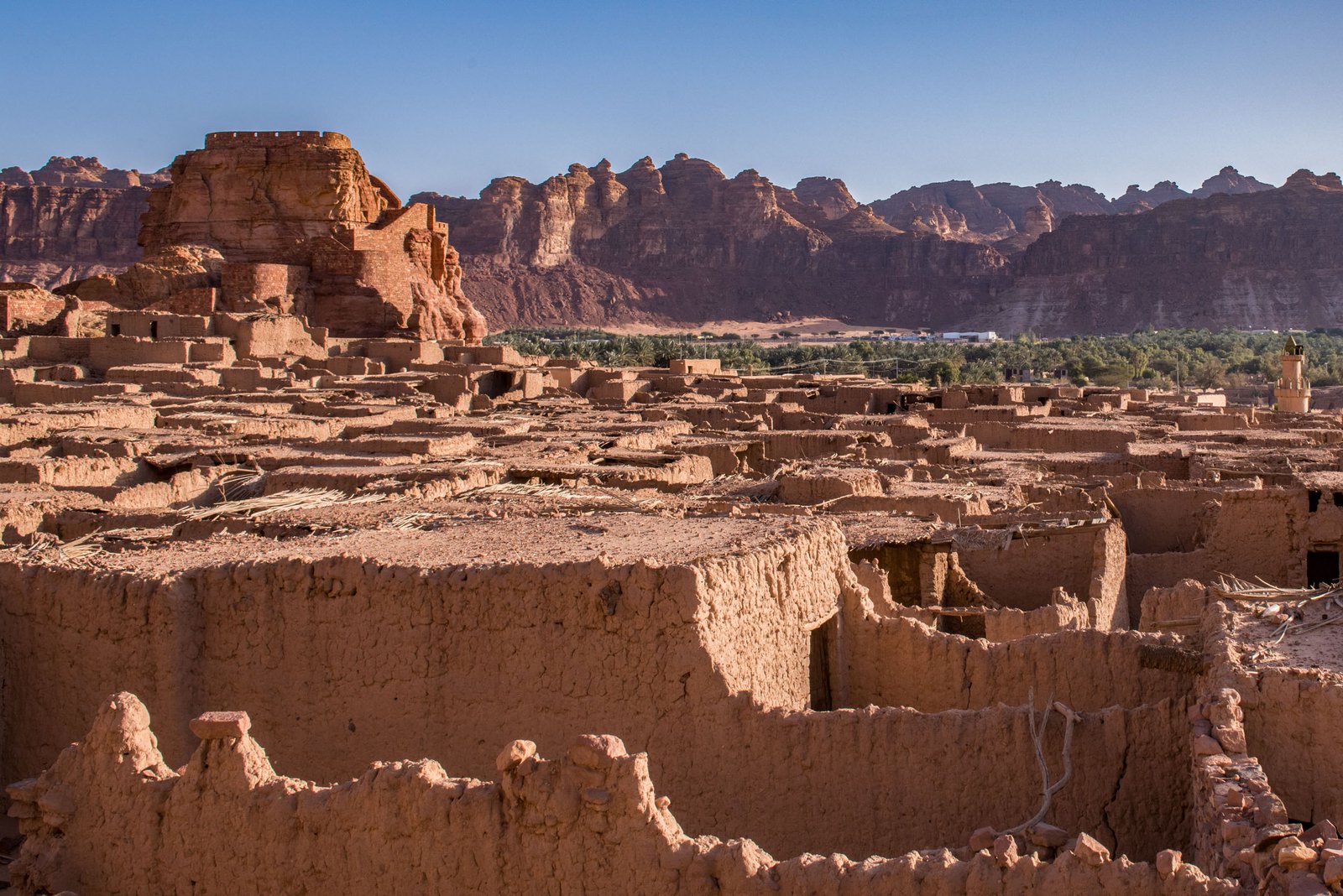
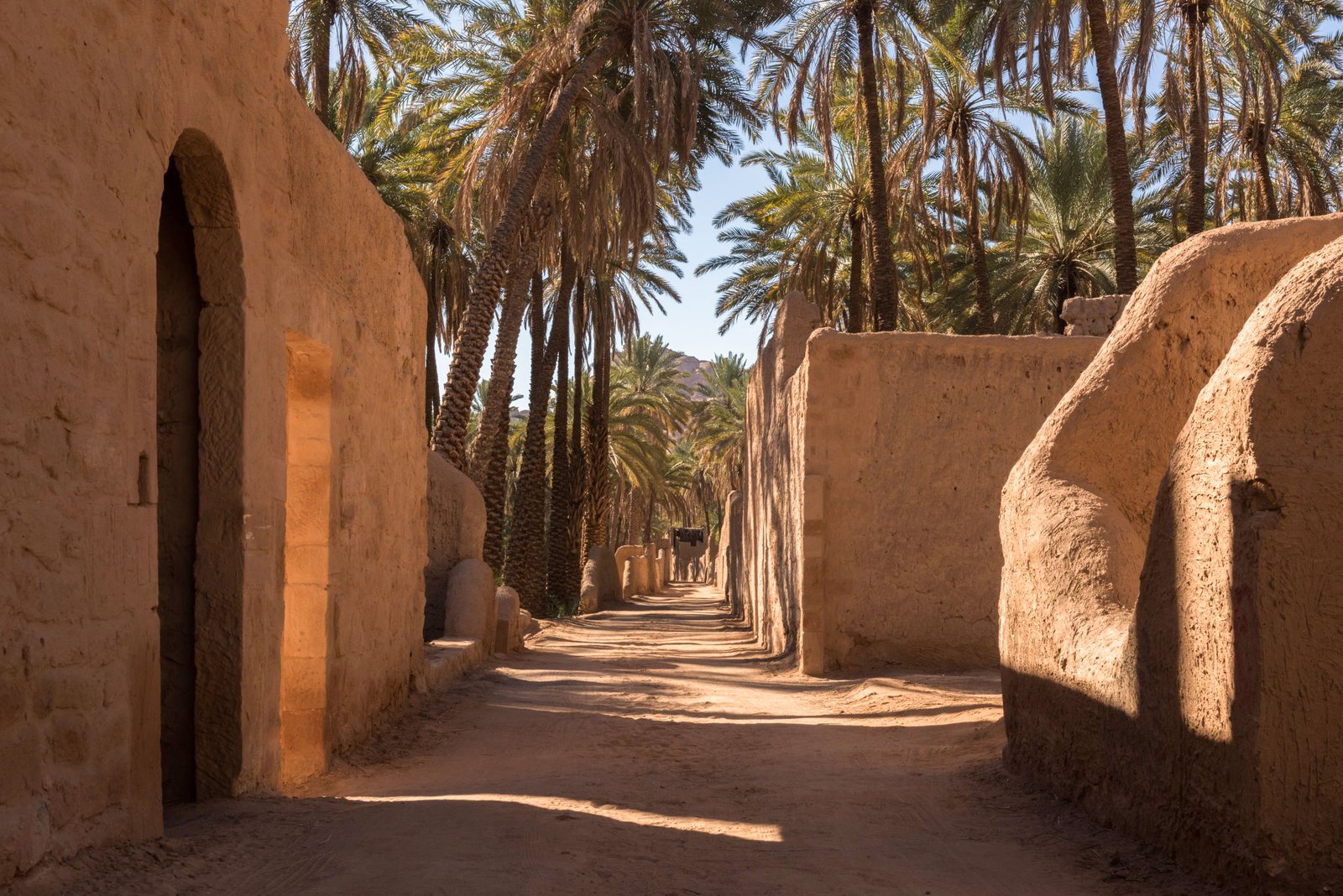
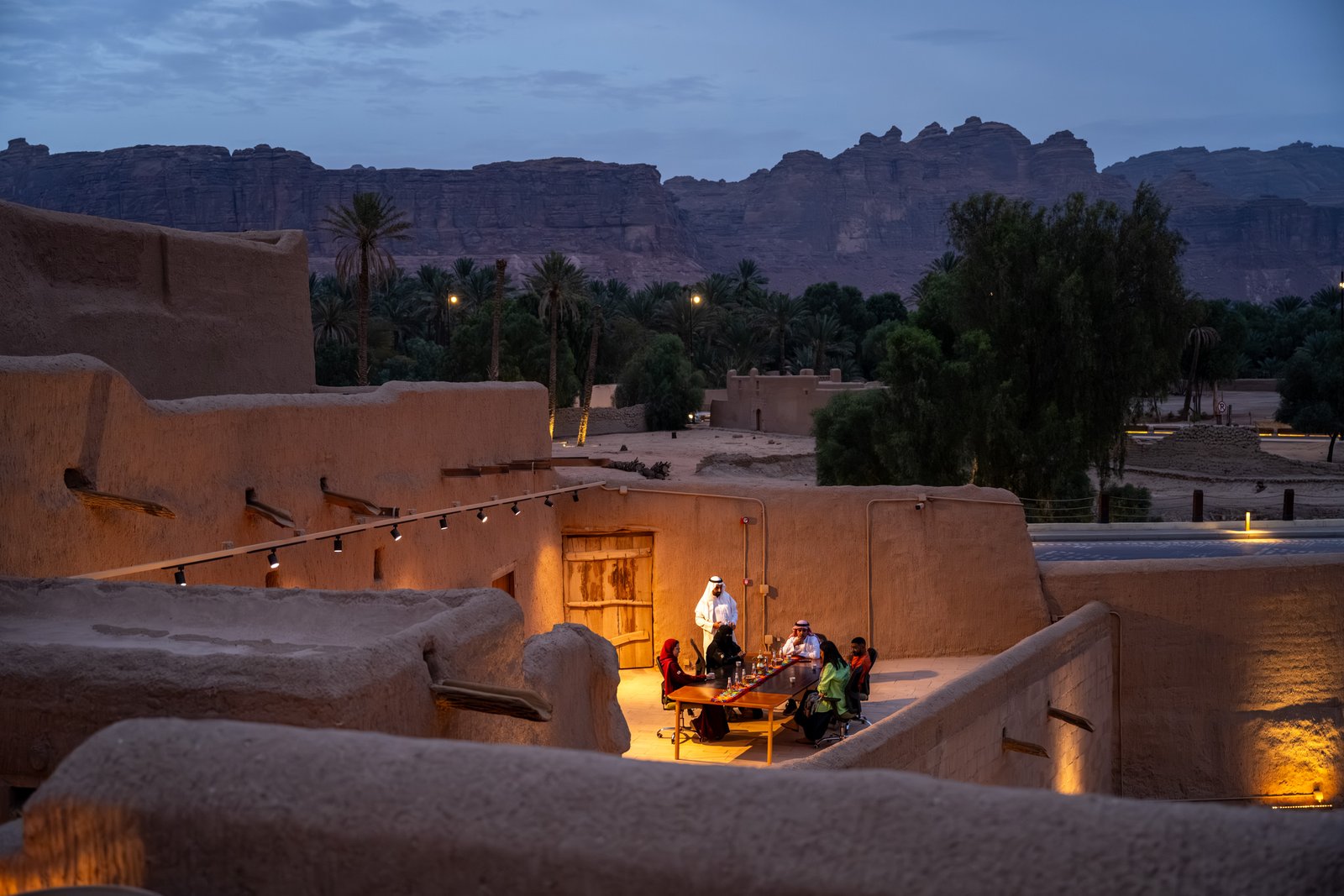
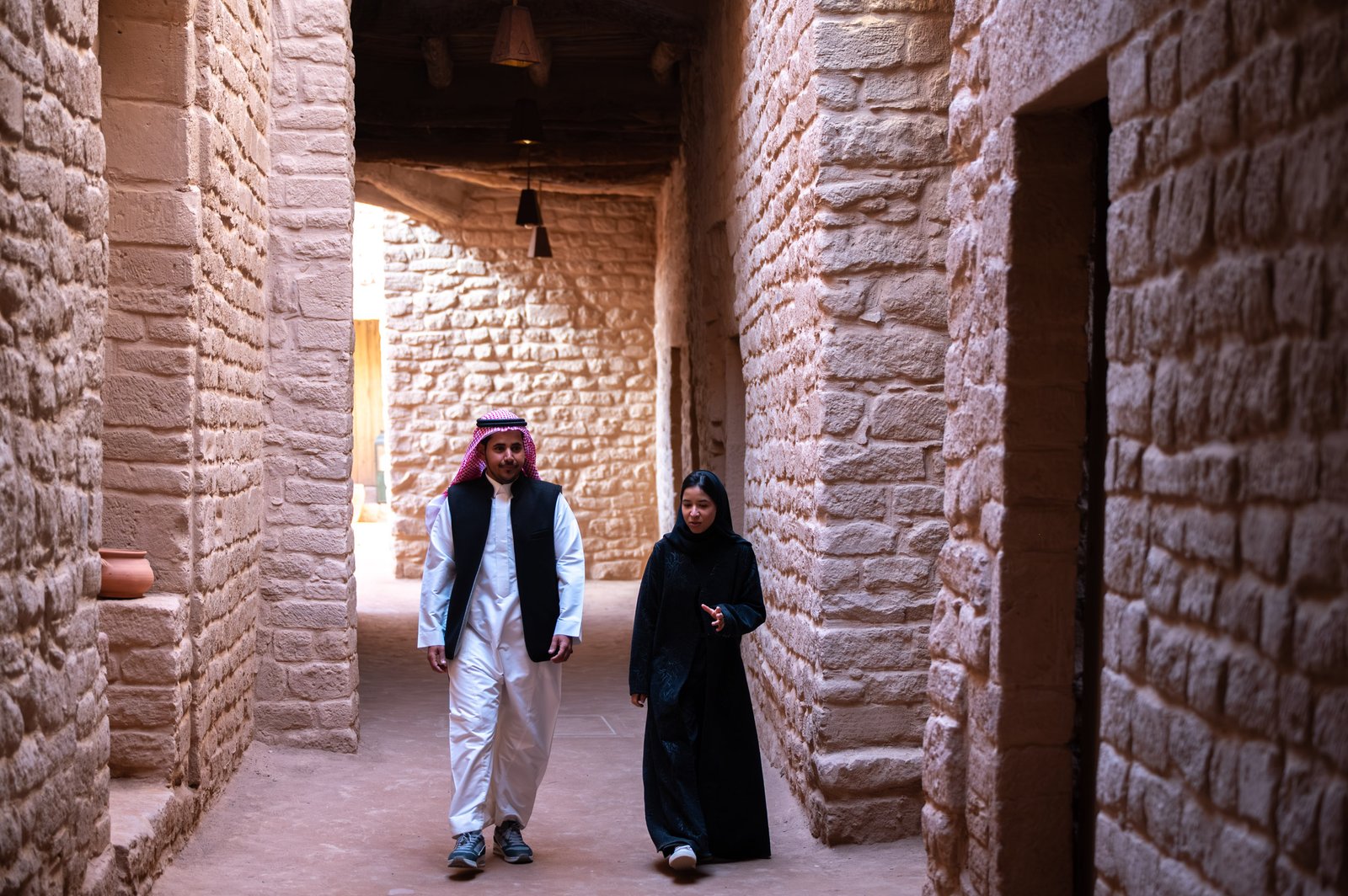
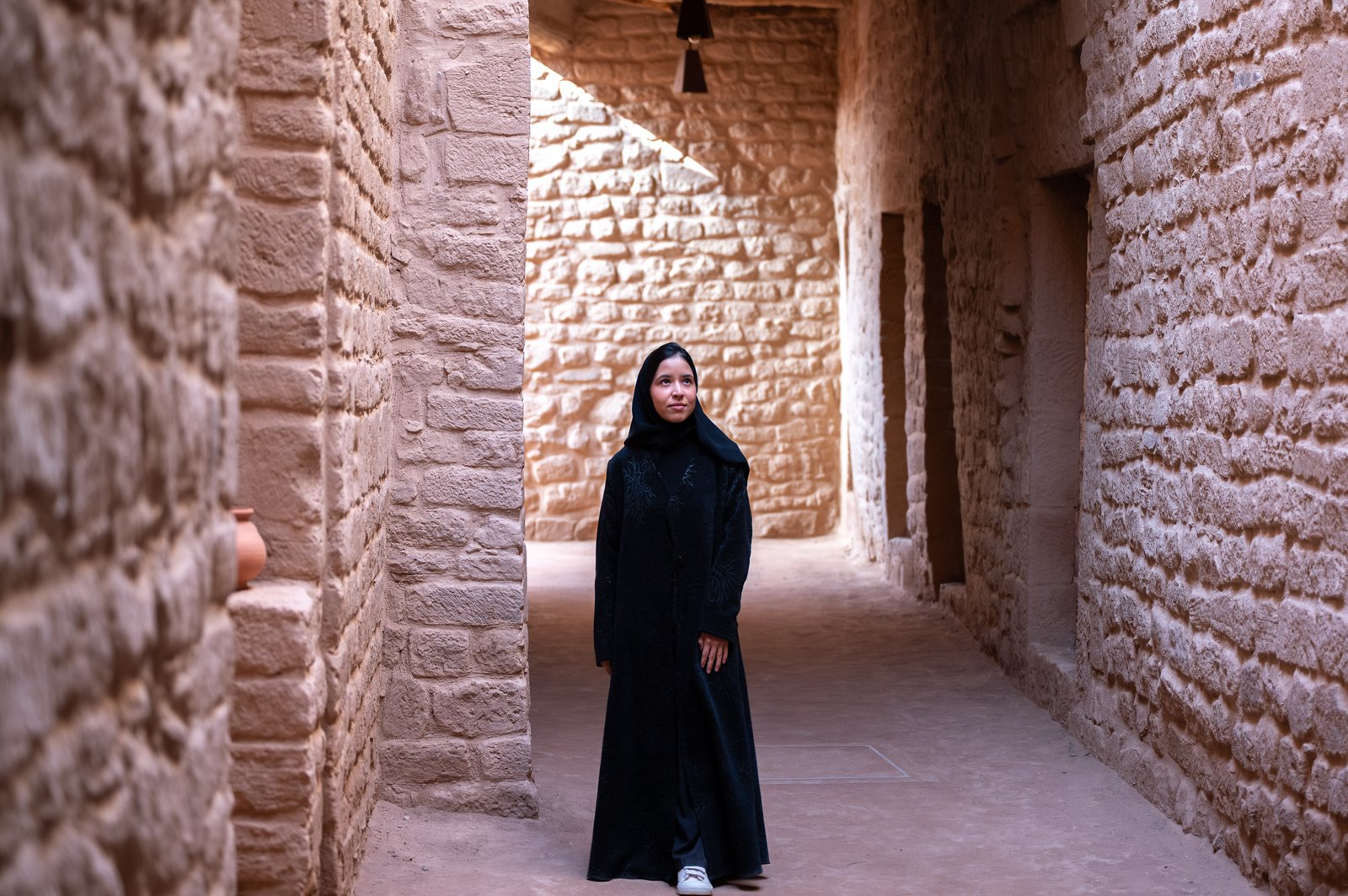
Old Town AlUla: A labyrinth of mudbrick houses and narrow alleys that once formed the bustling centre of the oasis. The interplay of light and shadow in the old streets offers endless opportunities for storytelling and texture-rich imagery.

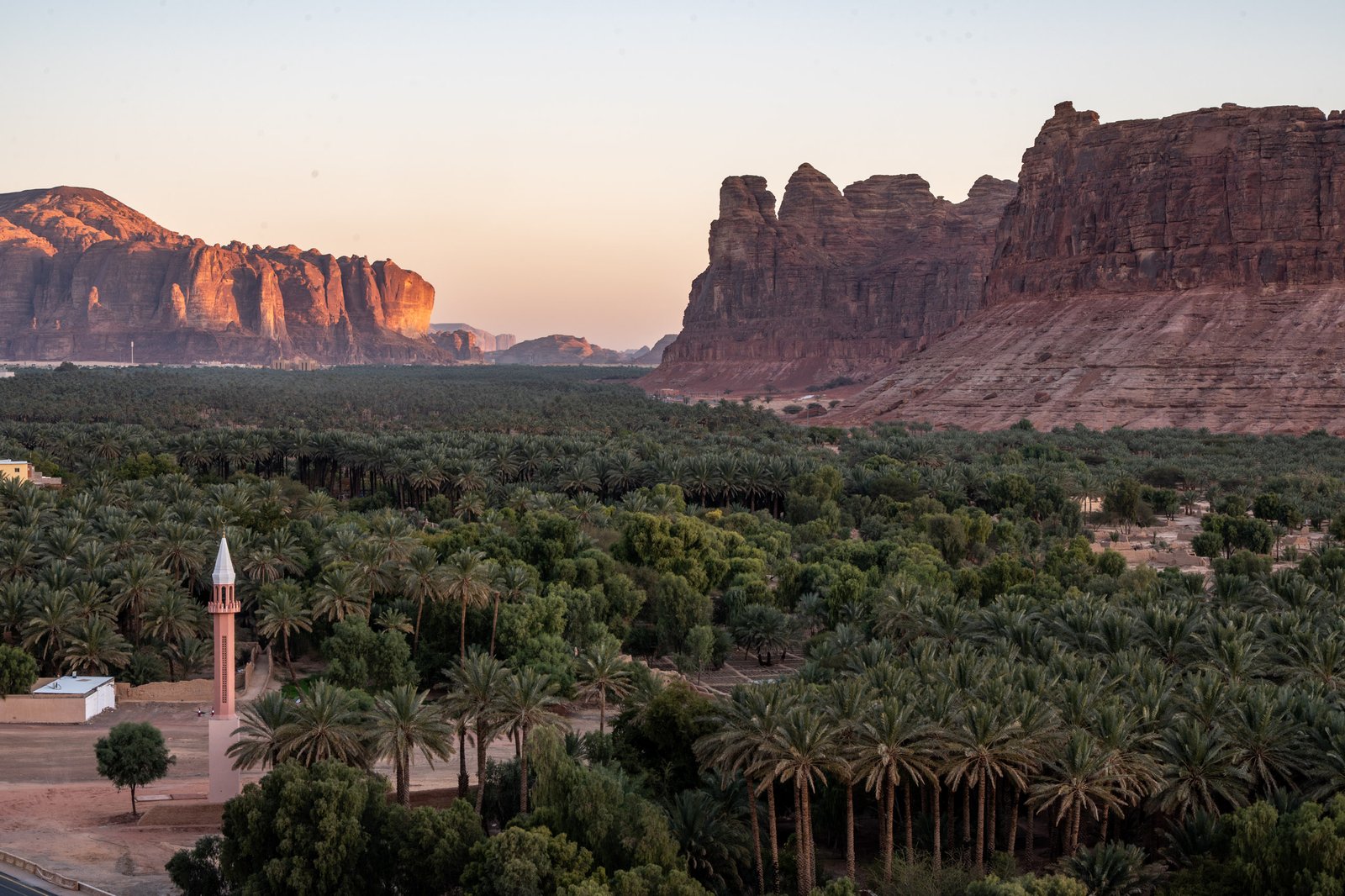
AlUla Oasis: A lush corridor of palm groves and farms that contrasts vividly with the surrounding desert. The green canopy, irrigation channels, and traditional farming scenes provide a glimpse into the region’s living heritage.

Sunset: Golden Light and Reflections - As the day cools, AlUla’s landscapes come alive again under the warm glow of sunset. The golden hour here is long and luminous, perfect for capturing the grandeur of the desert and its architectural marvels.

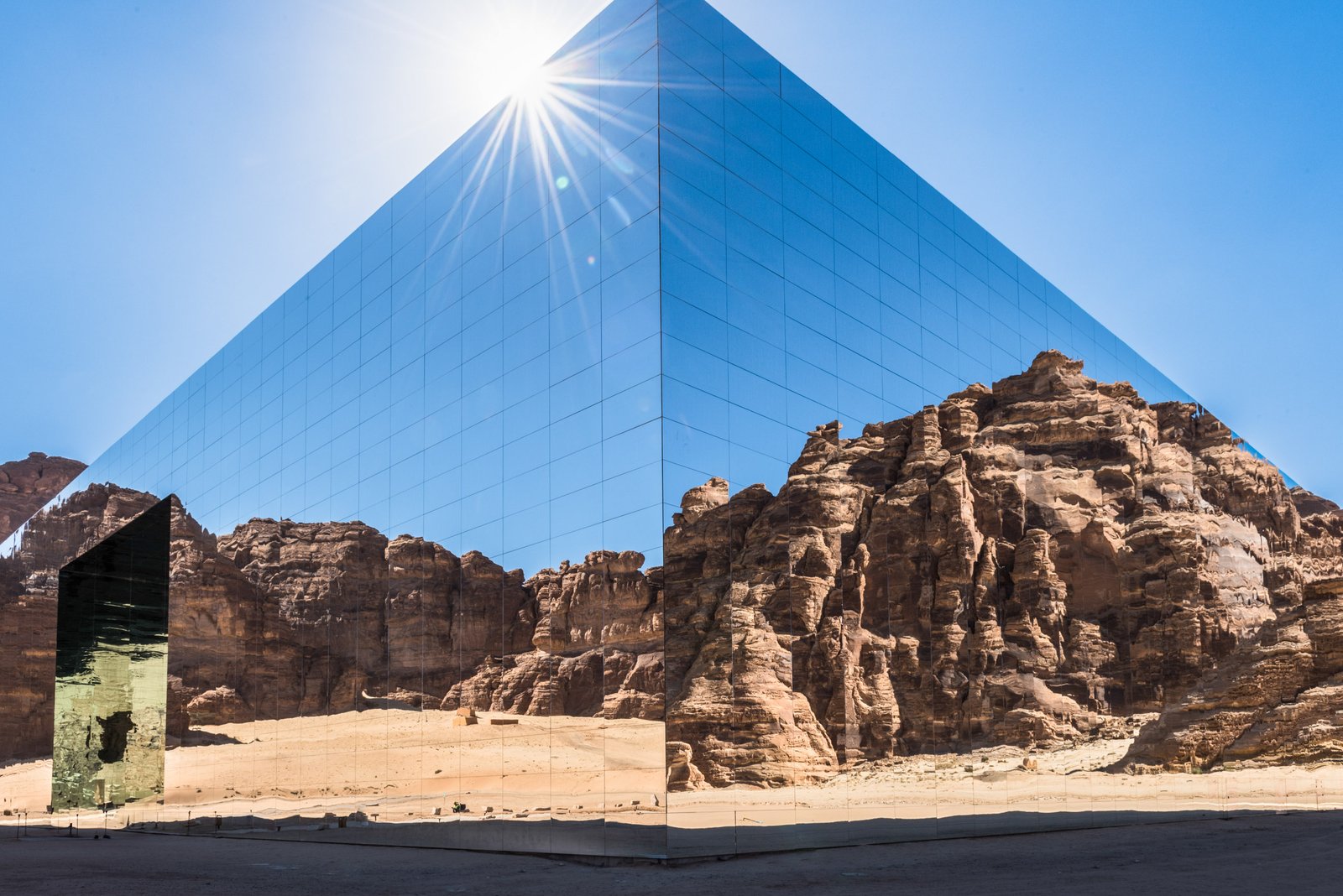
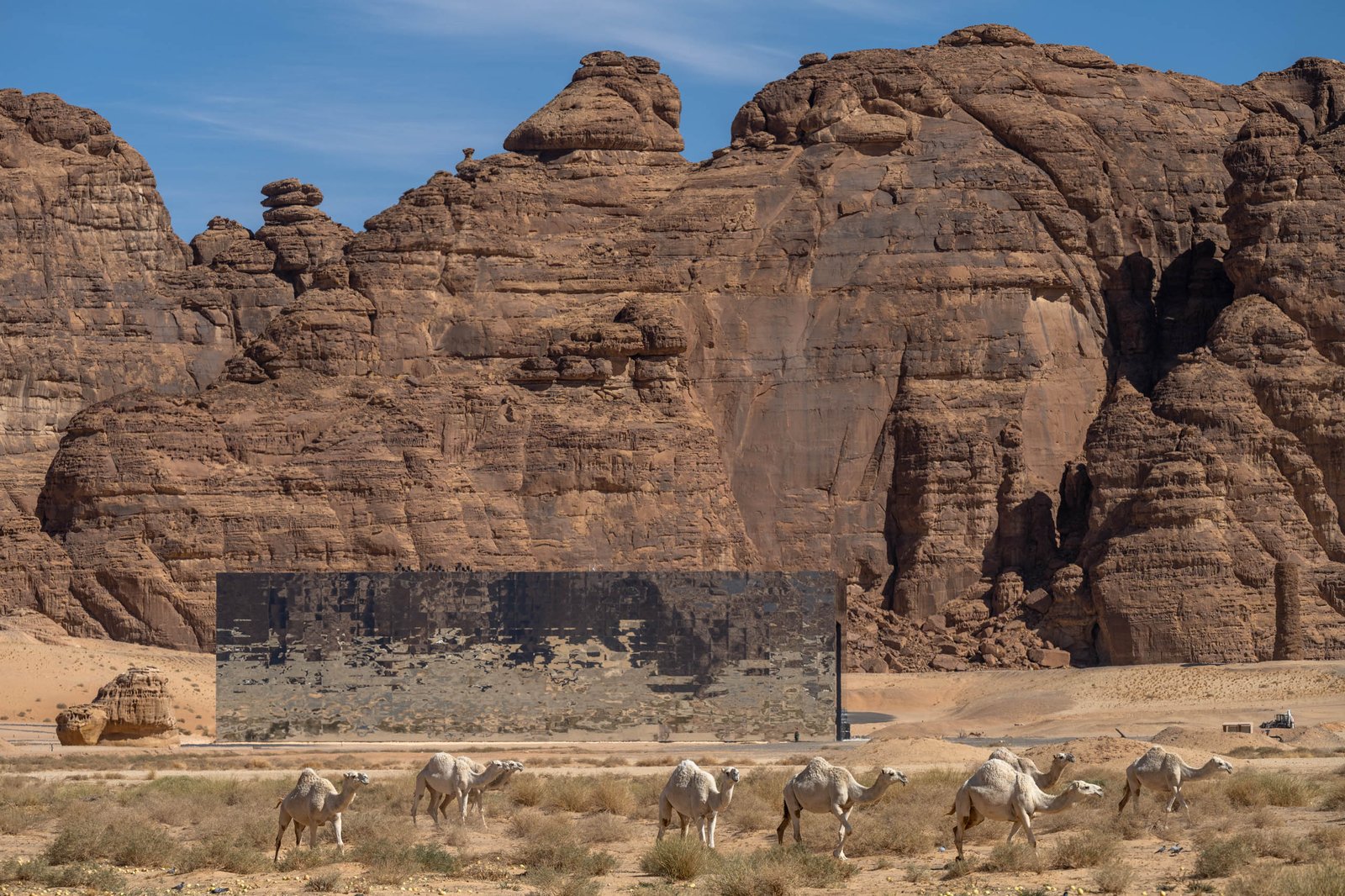
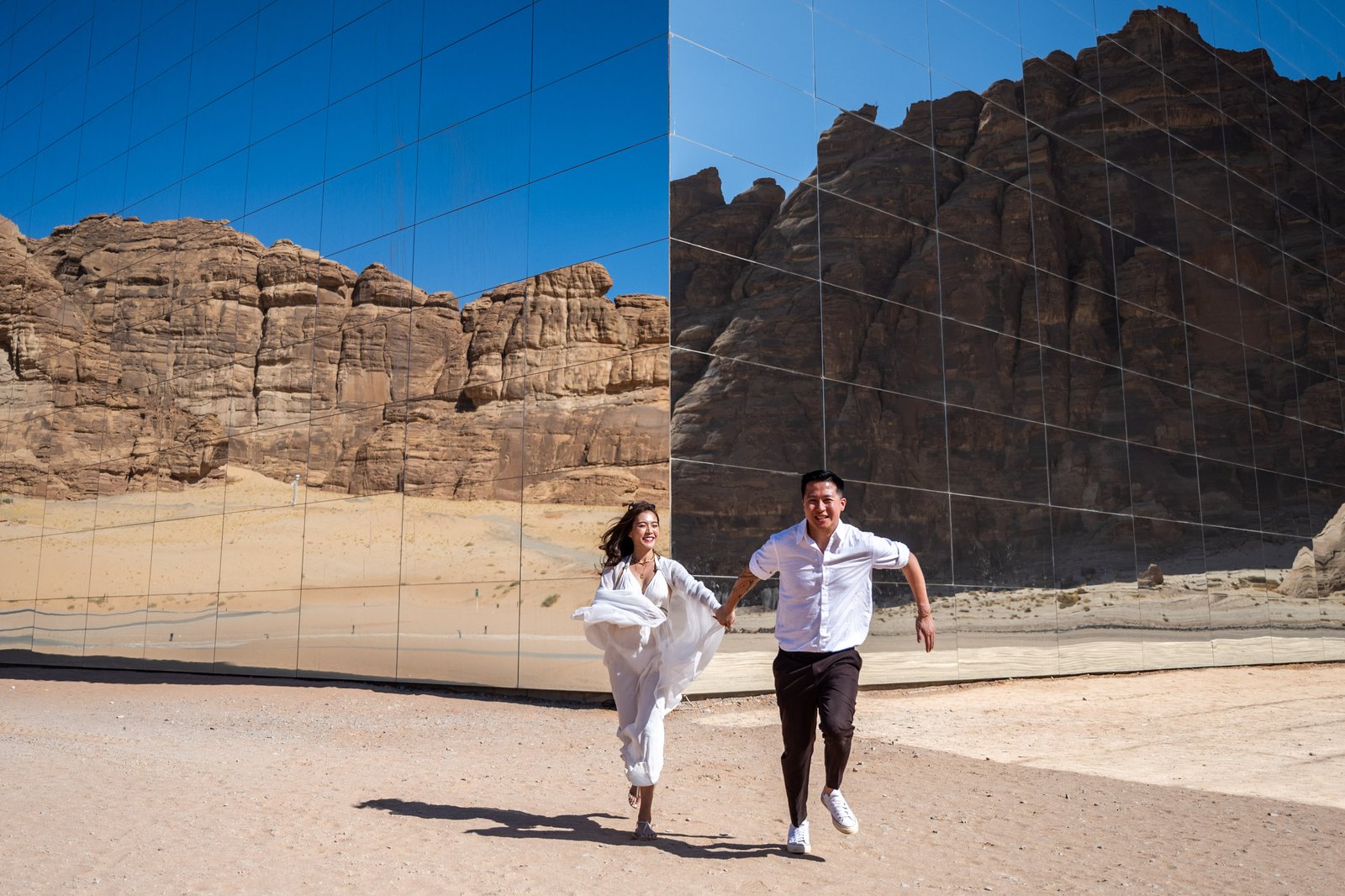
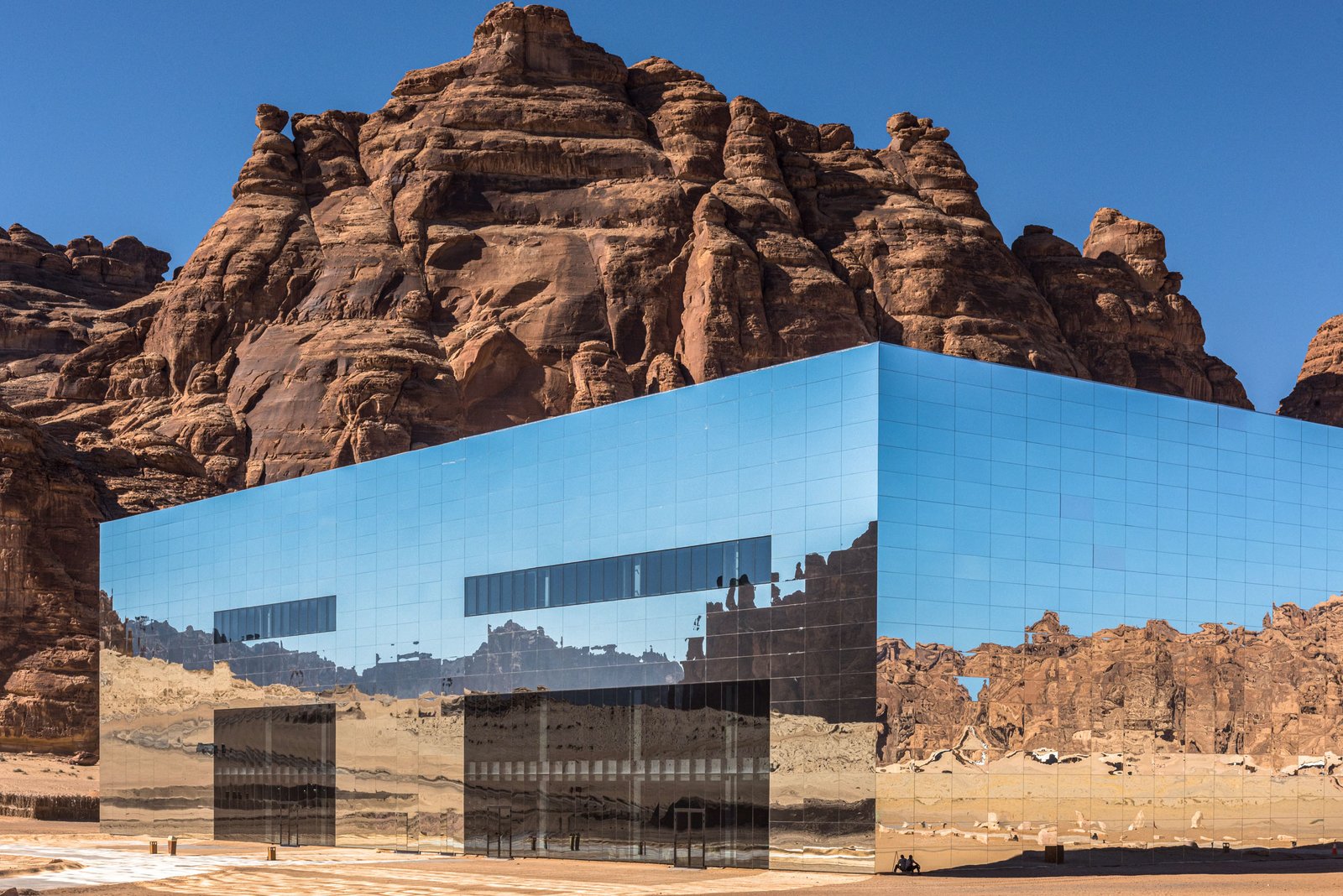
Maraya: The world’s largest mirrored building, Maraya reflects the surrounding sandstone cliffs in breathtaking symmetry. Sunset is the ideal time to photograph its mirrored façade as it catches the shifting colors of the sky and desert.

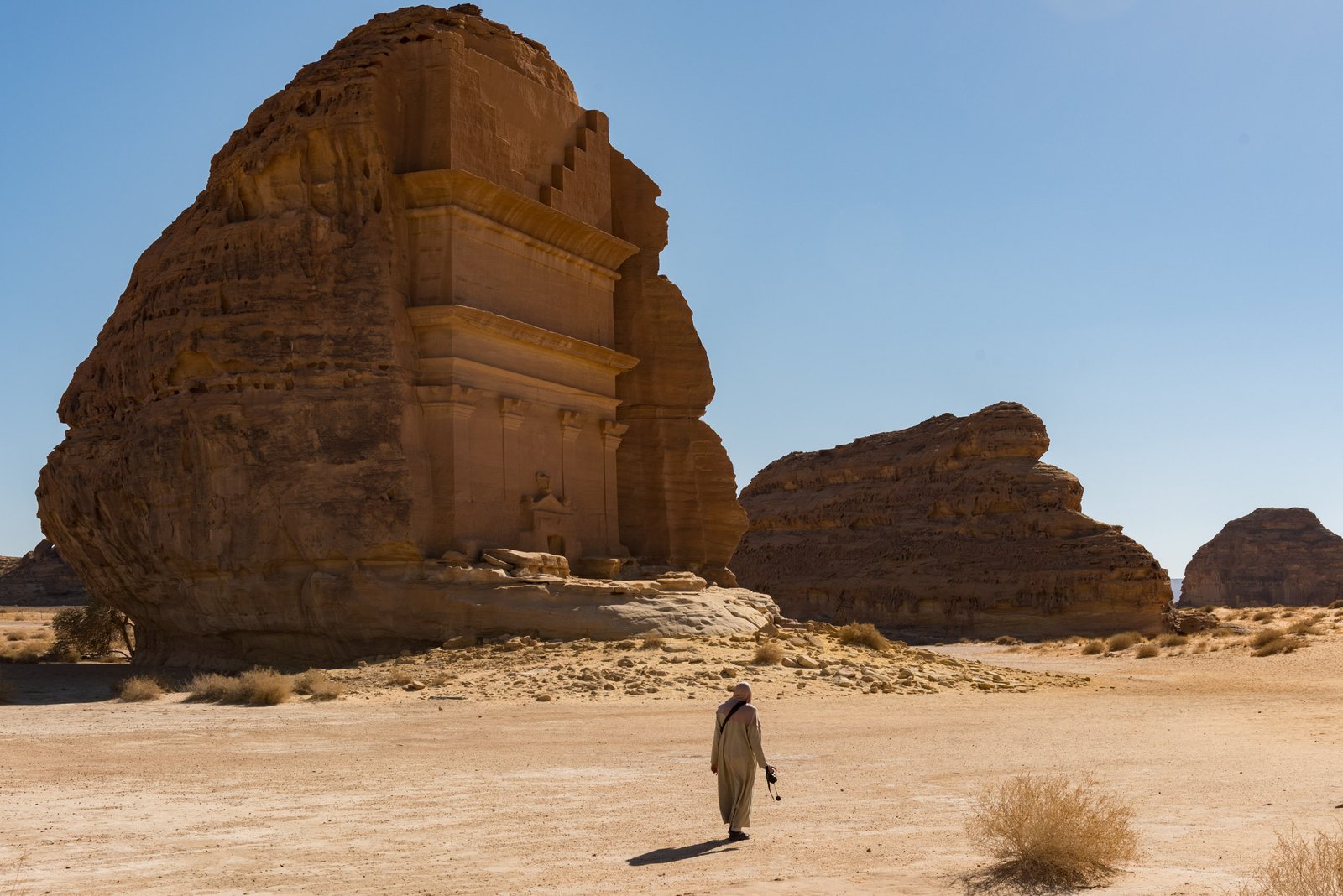
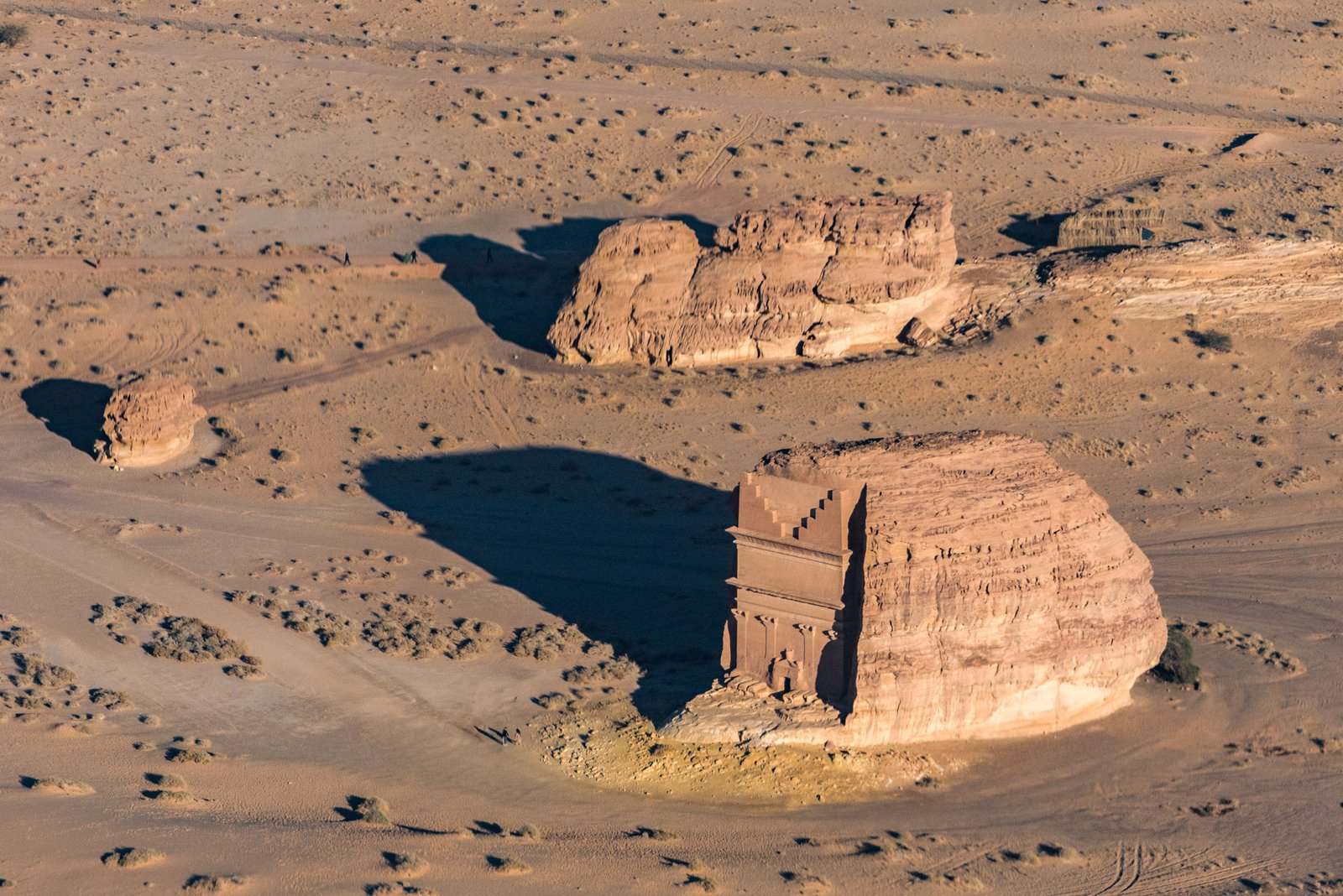
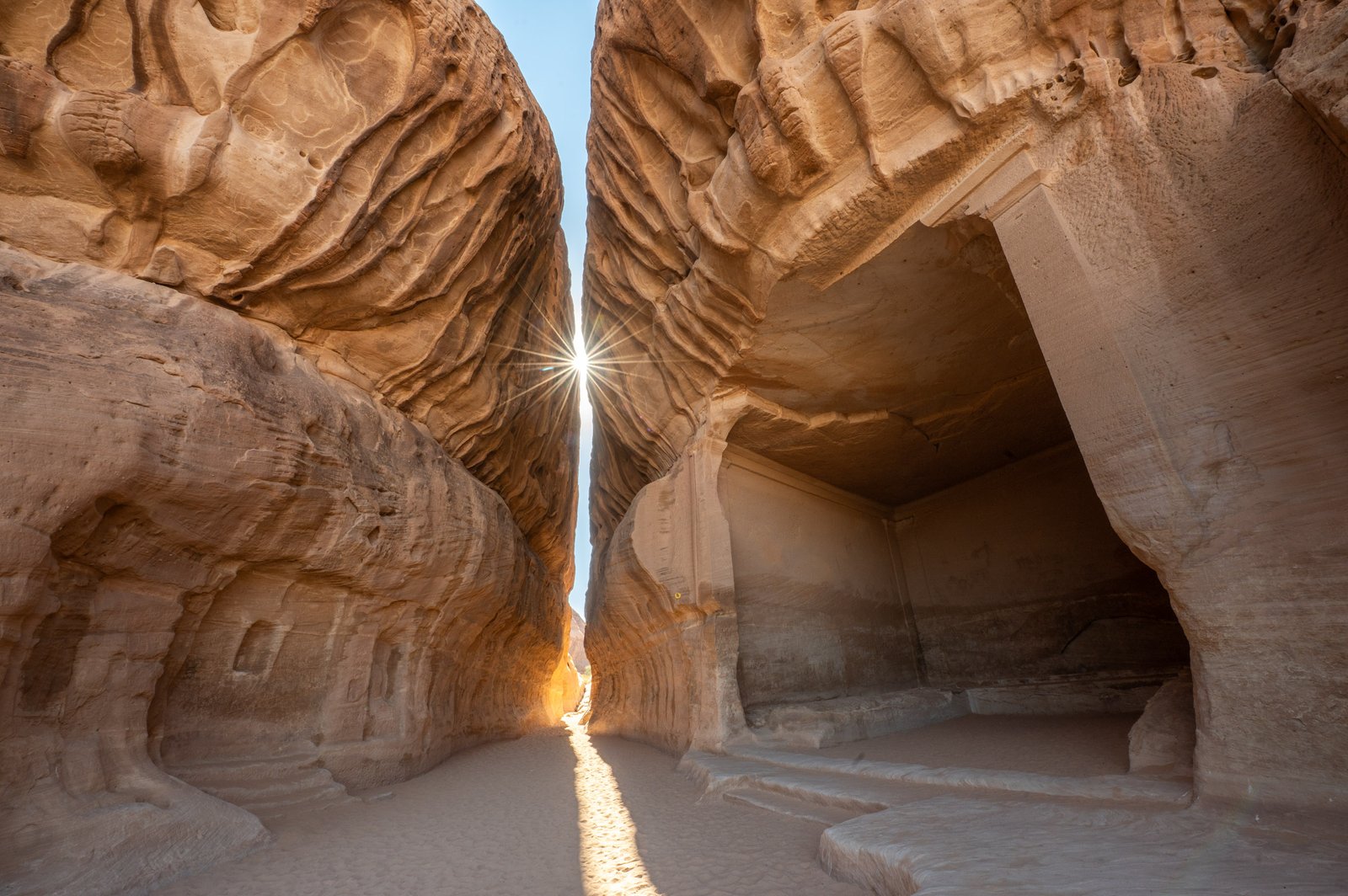
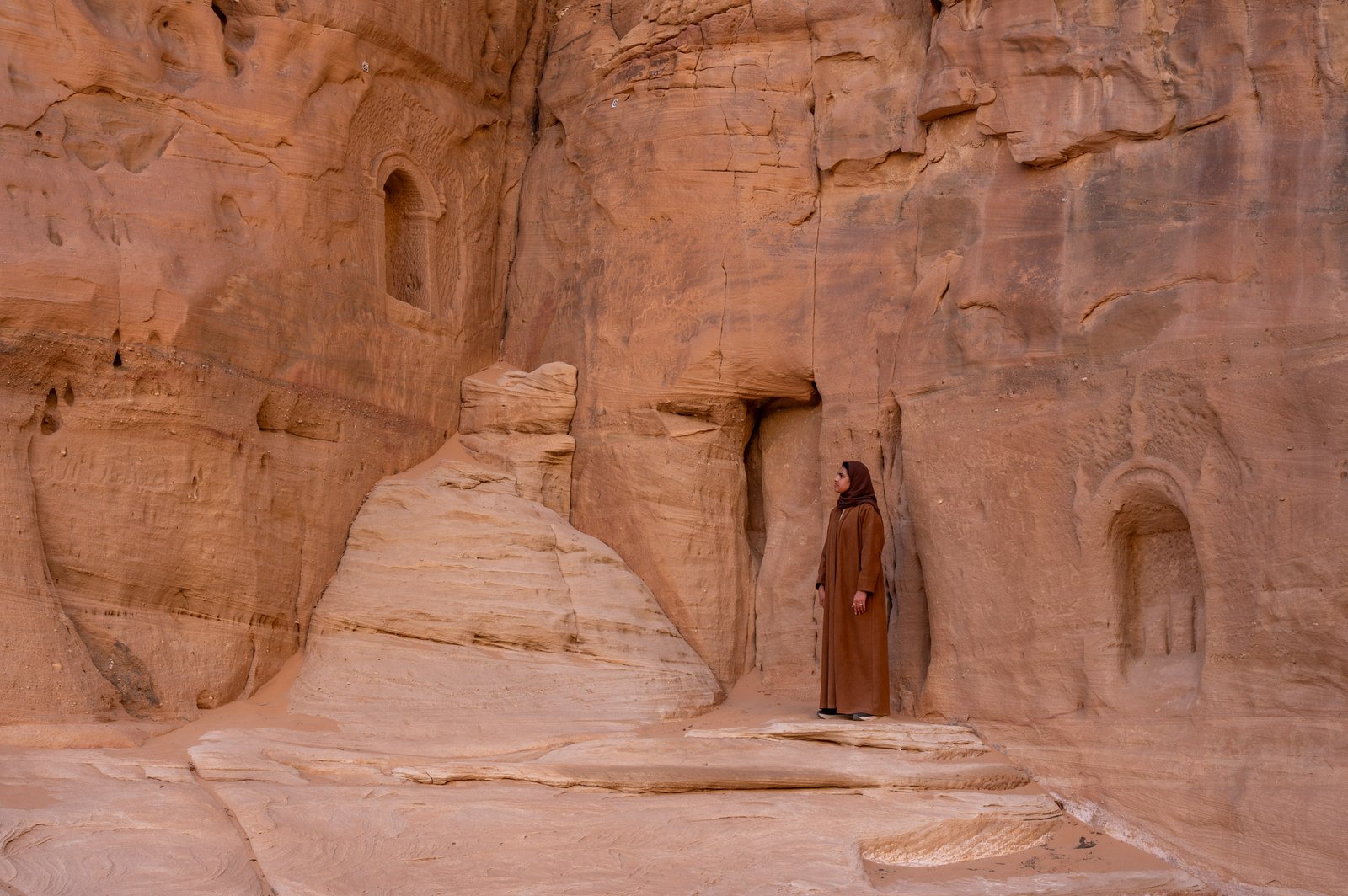
Hegra (Madain Salih): Saudi Arabia’s first UNESCO World Heritage Site, home to Nabataean tombs carved into sandstone outcrops. The late afternoon light enhances the carvings’ depth and detail, while the surrounding cliffs glow in amber tones.

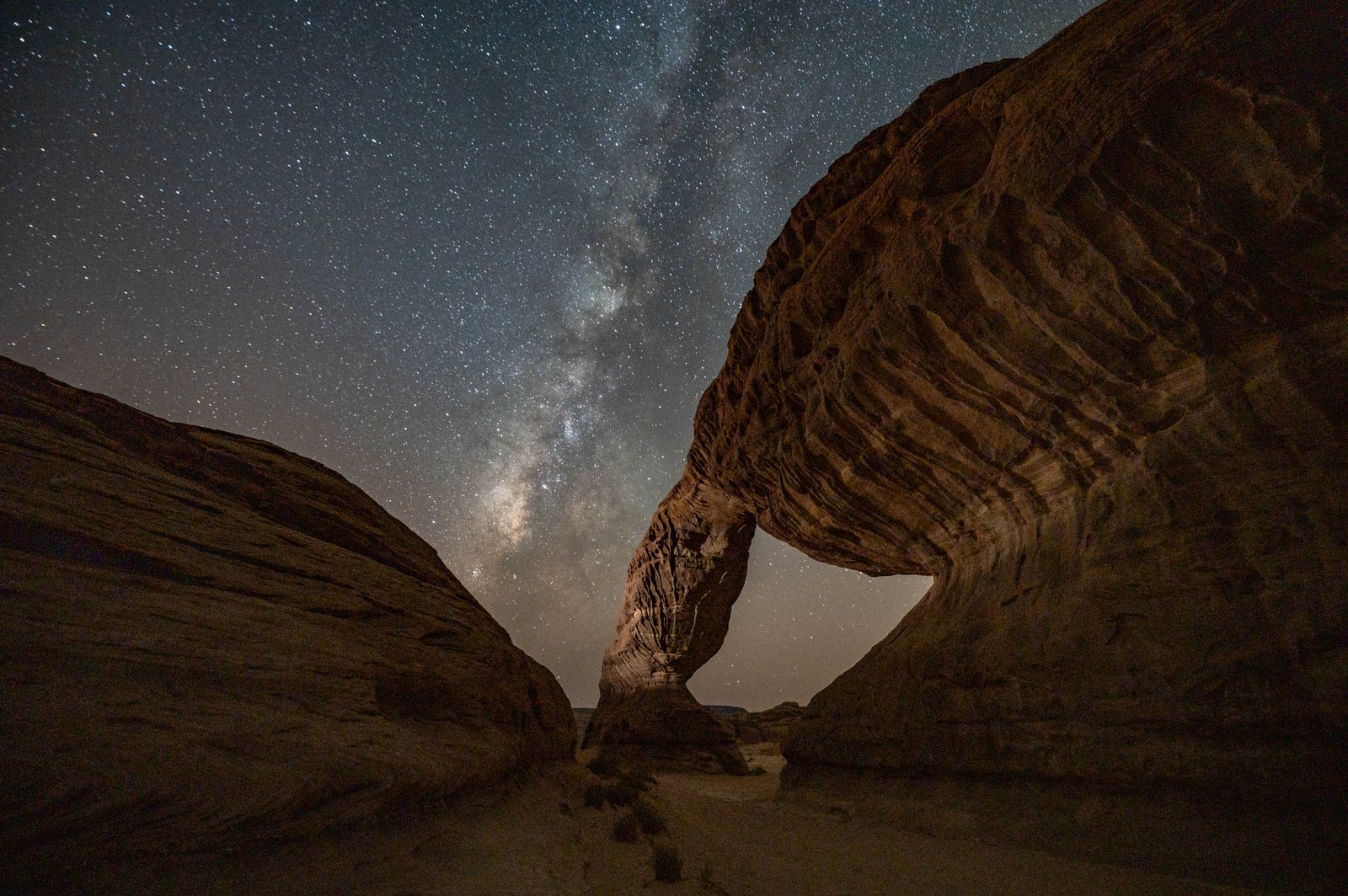
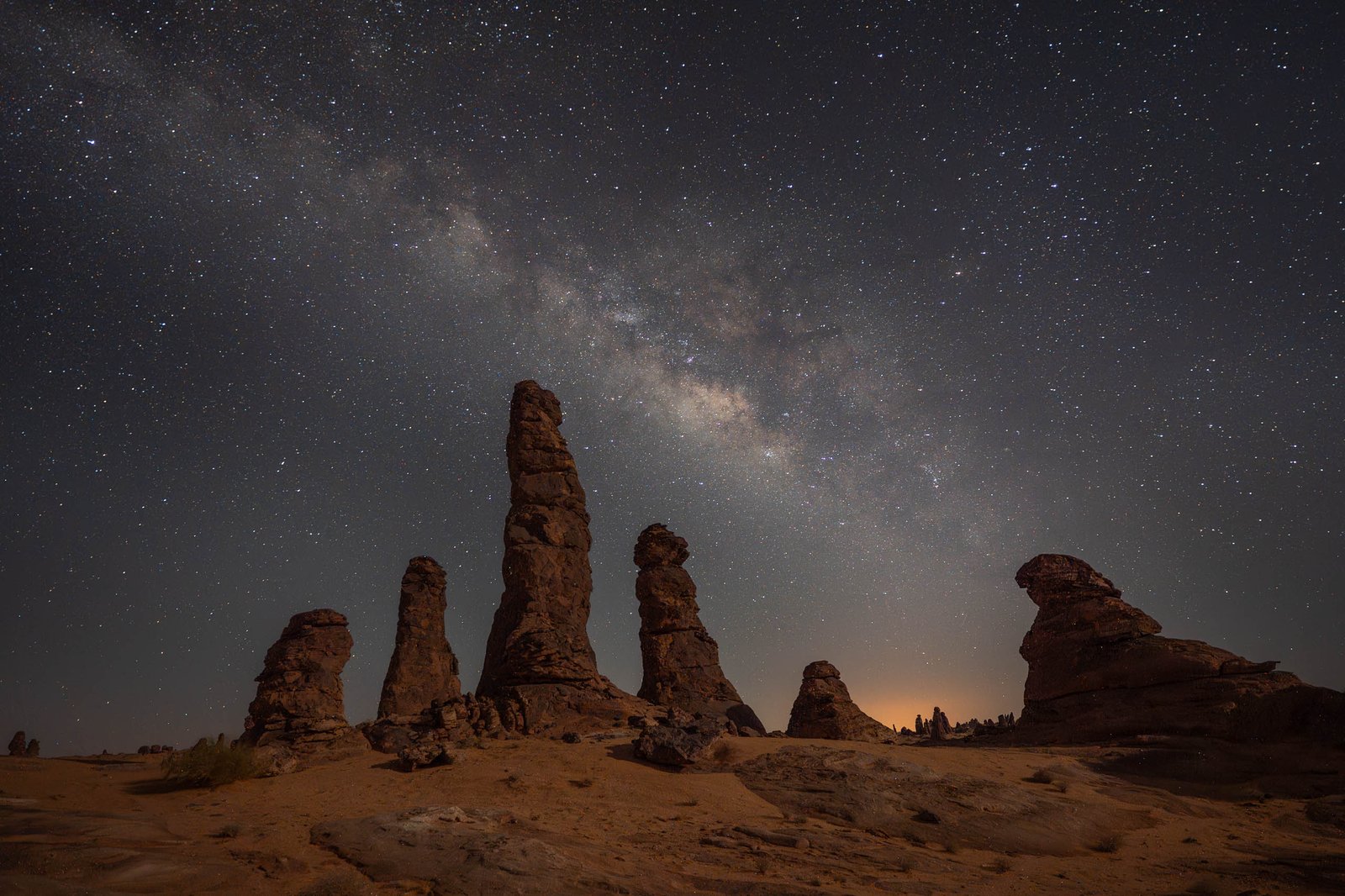
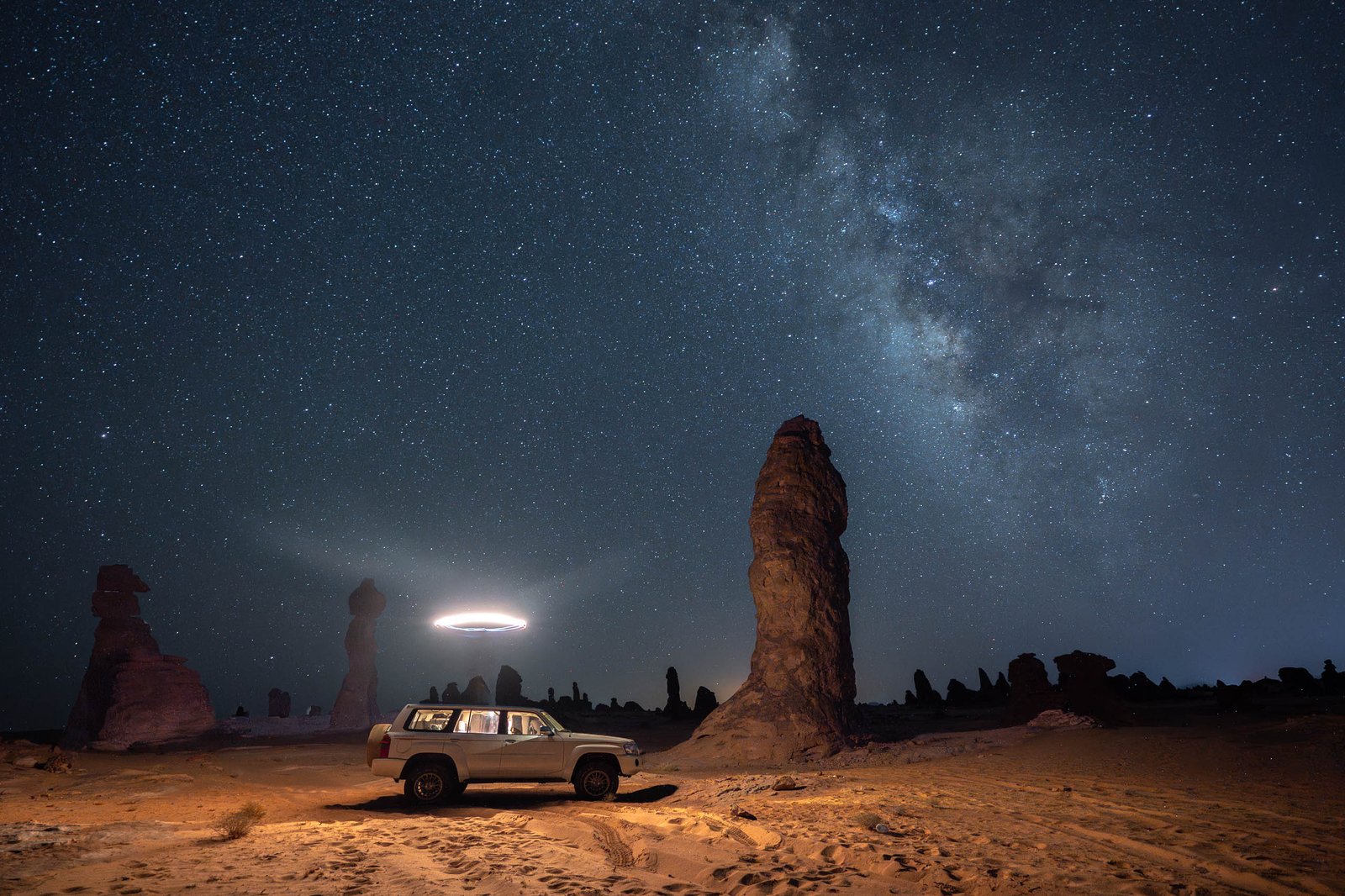
Night: Stars Over the Desert - When the sun sets behind the cliffs, AlUla’s night sky reveals a canopy of stars. The low light pollution makes it one of the best places in the region for astrophotography. Elephant Rock and Gharameel both serve as striking foregrounds for capturing the Milky Way.

A Journey Through Time and Light - A photo tour in AlUla is more than a visual experience—it’s an immersion into a landscape shaped by nature and civilization over millennia. From the reflective surfaces of Maraya to the timeless stillness of the desert, every frame tells a story of endurance, beauty, and connection.For photographers seeking to capture the essence of Saudi Arabia’s heritage and natural wonder, AlUla offers an unparalleled canvas—where every sunrise and sunset paints a new masterpiece.

Read More
Nick Jackson
July 3, 2026
UNESCO Project: I am a Rawi

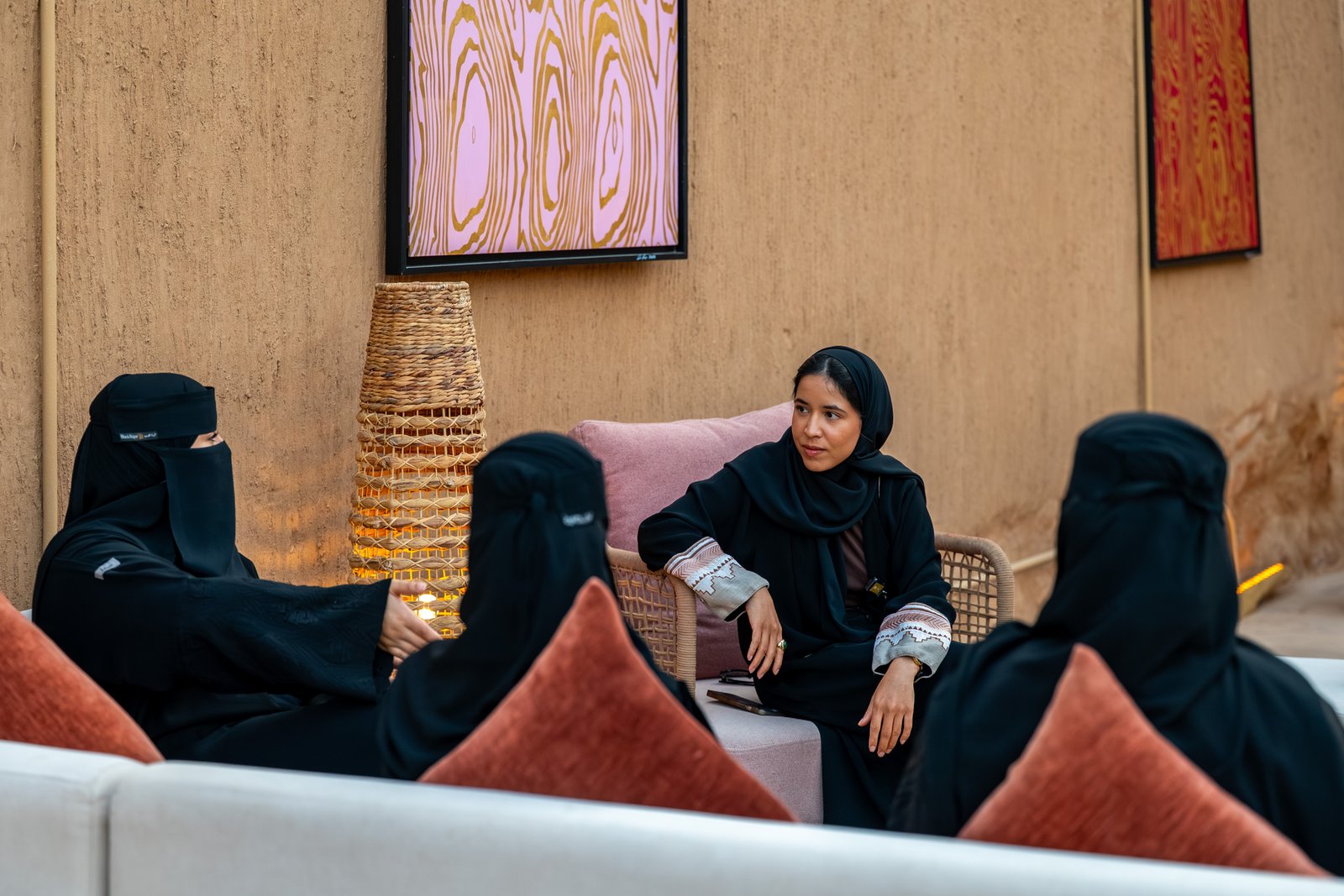
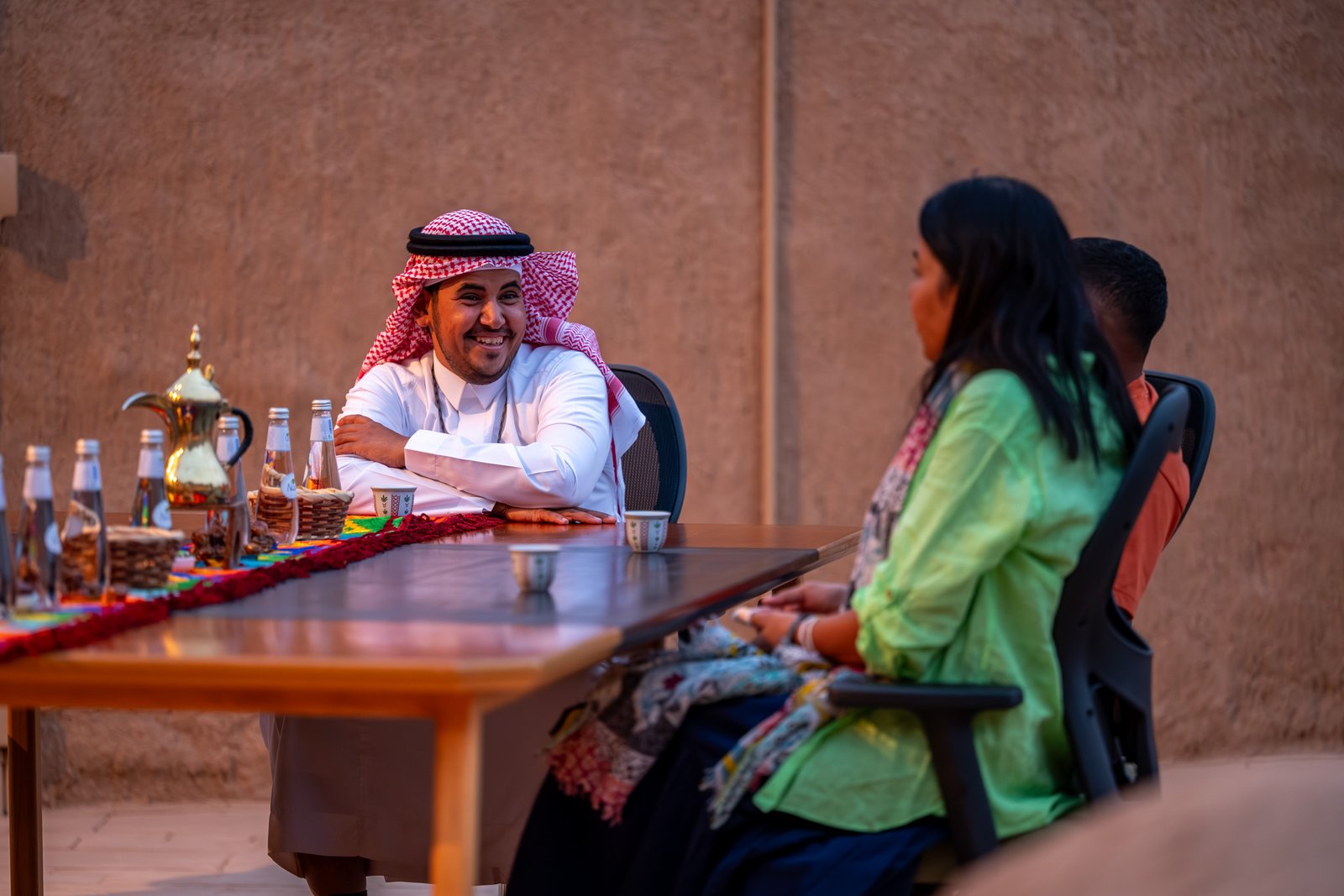
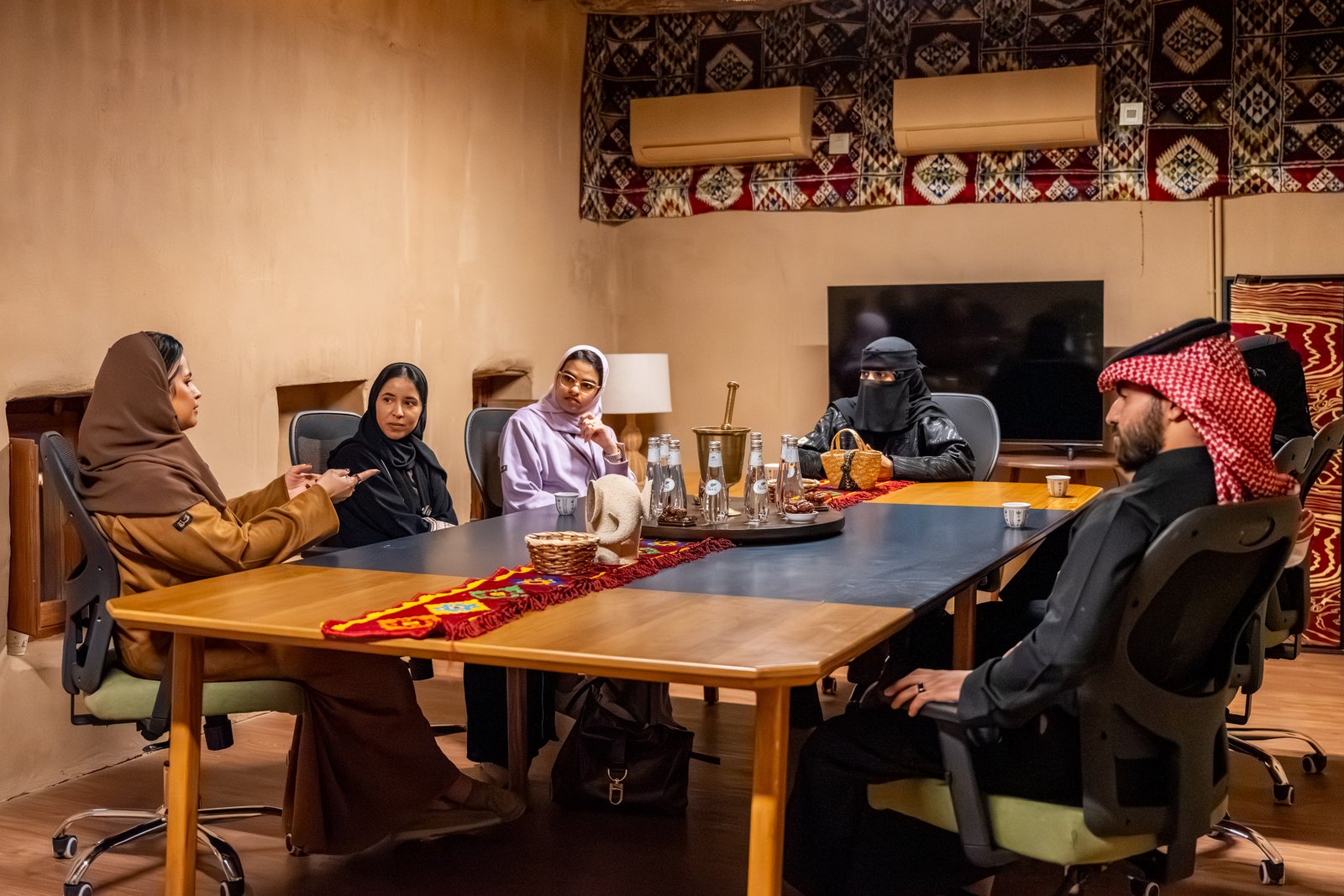
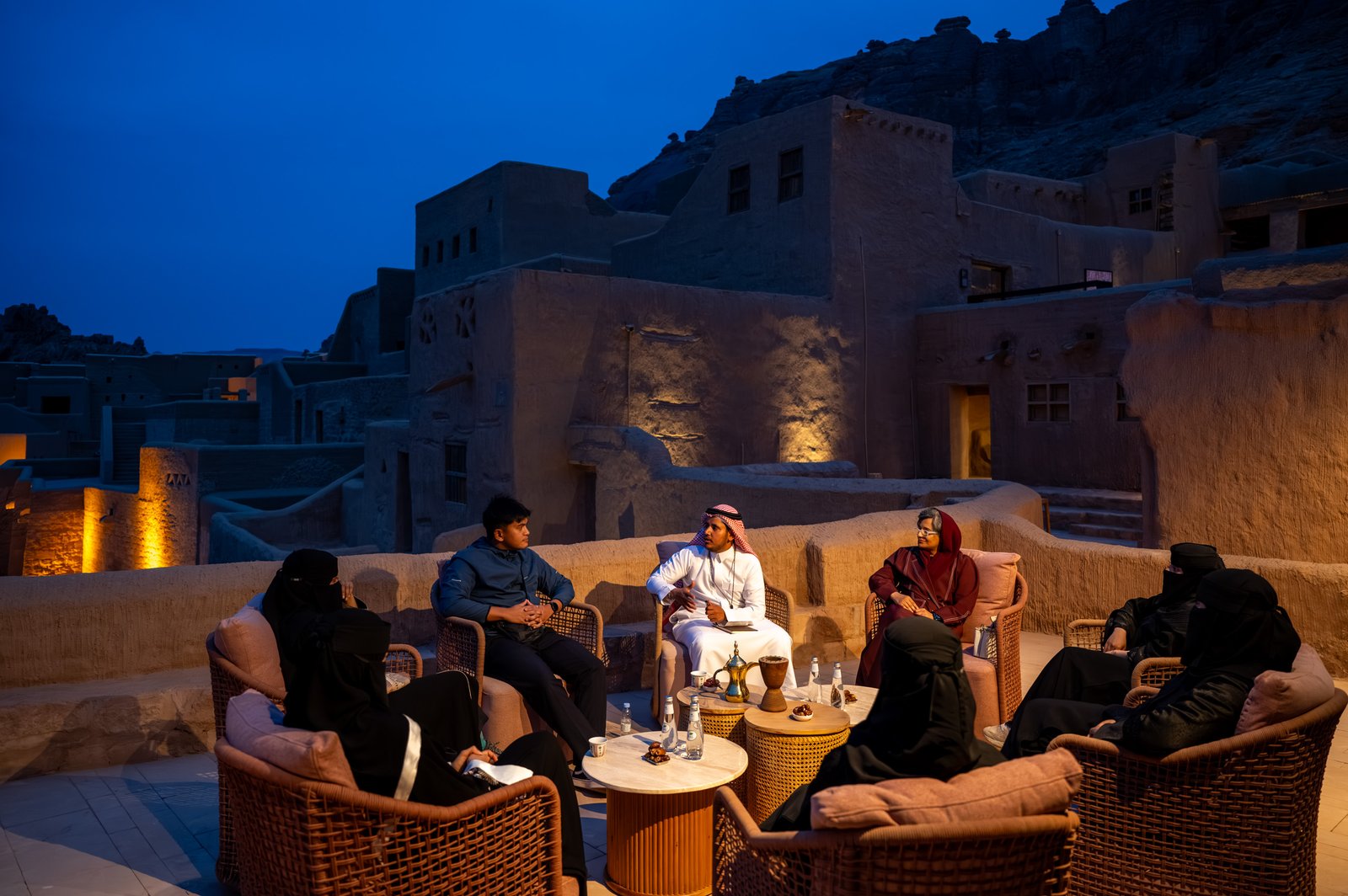
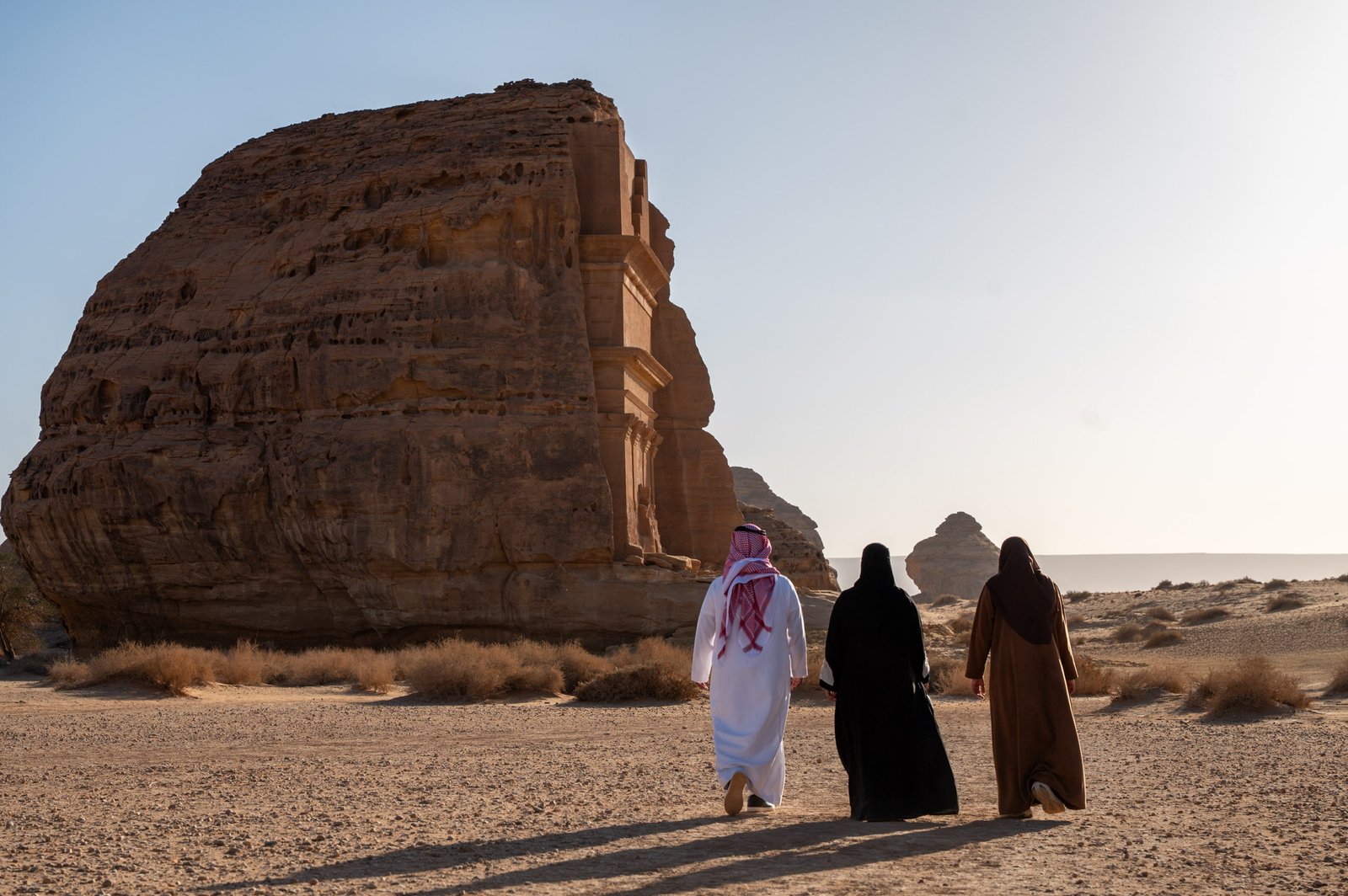
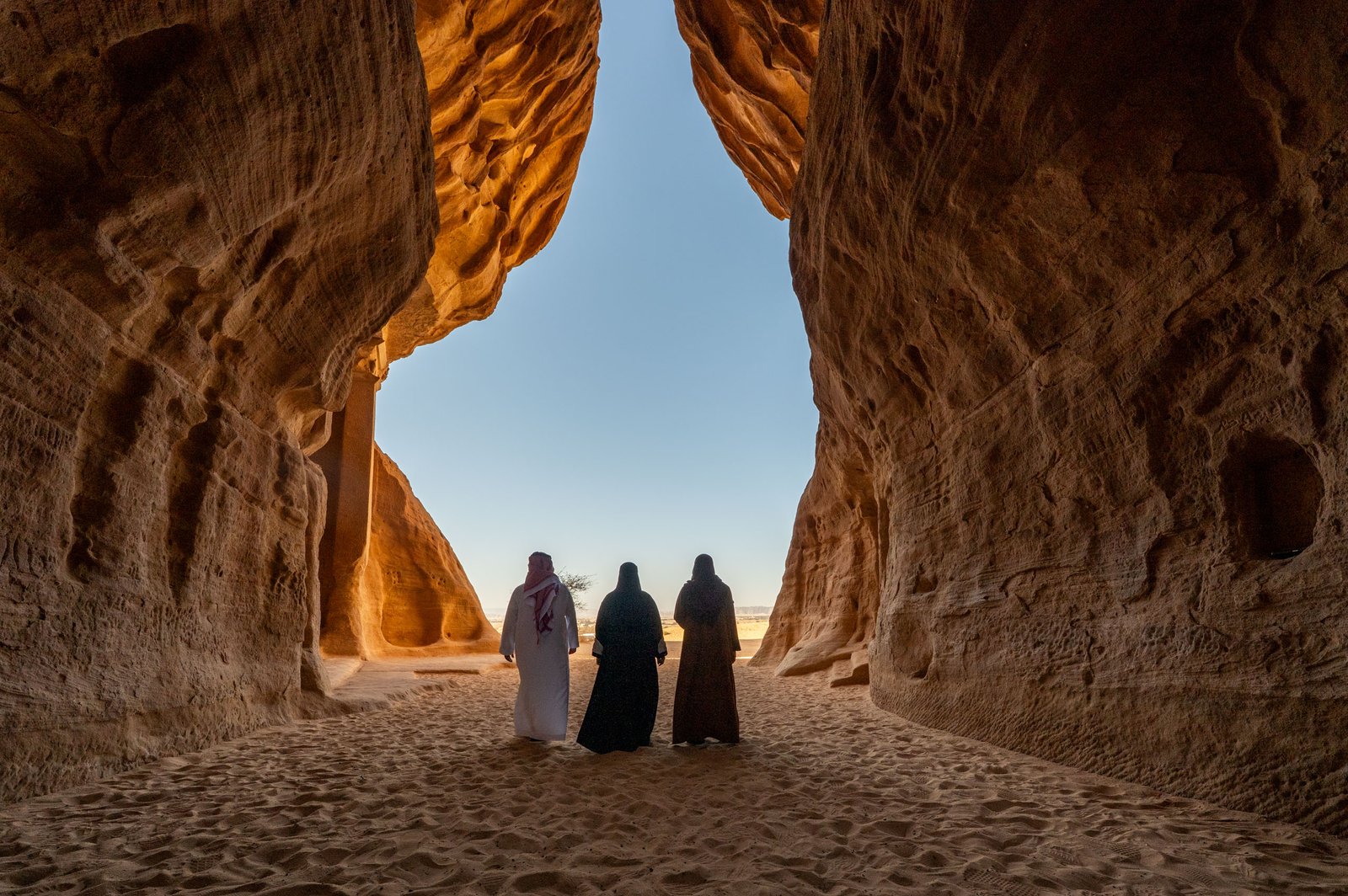
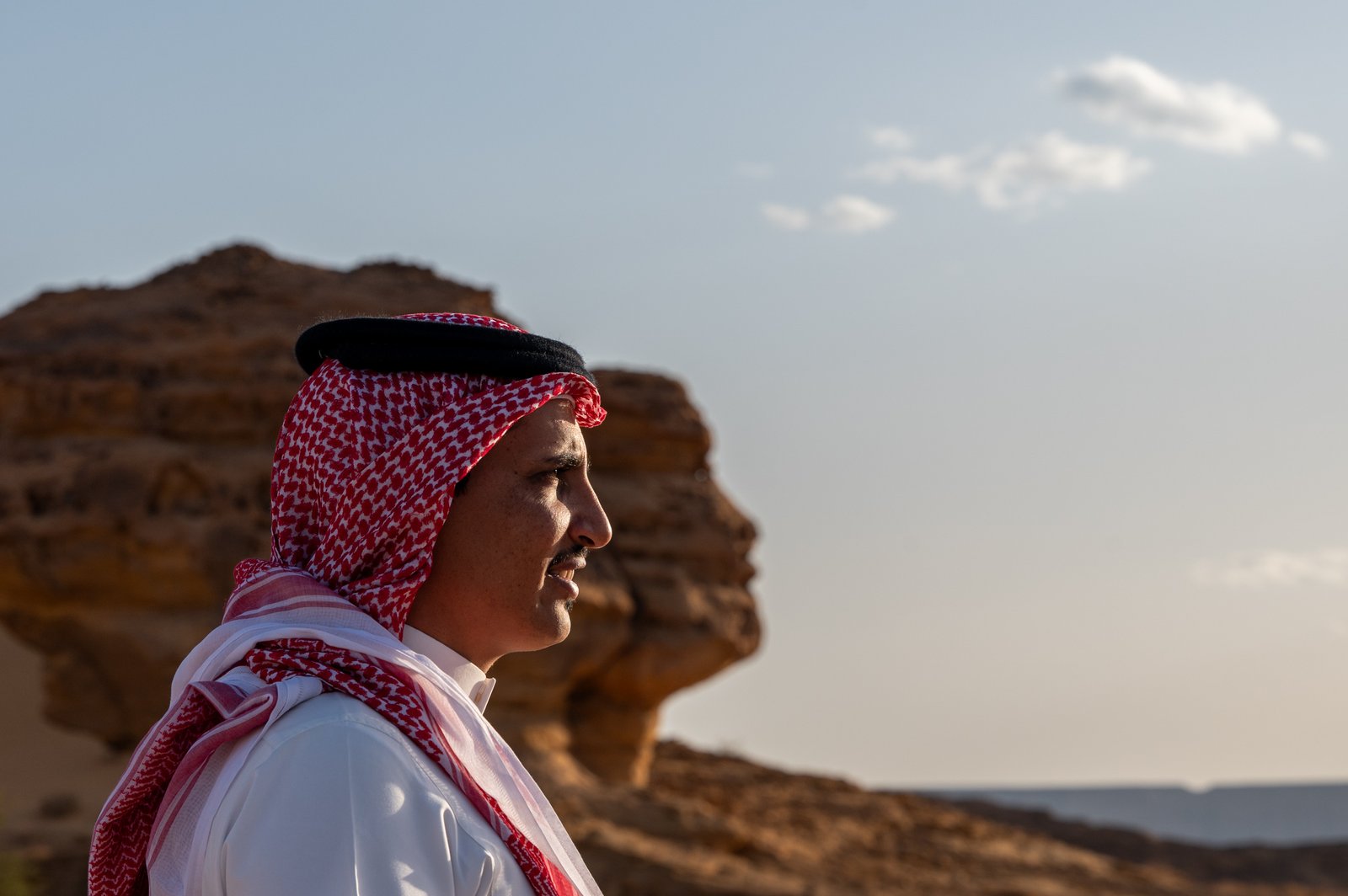
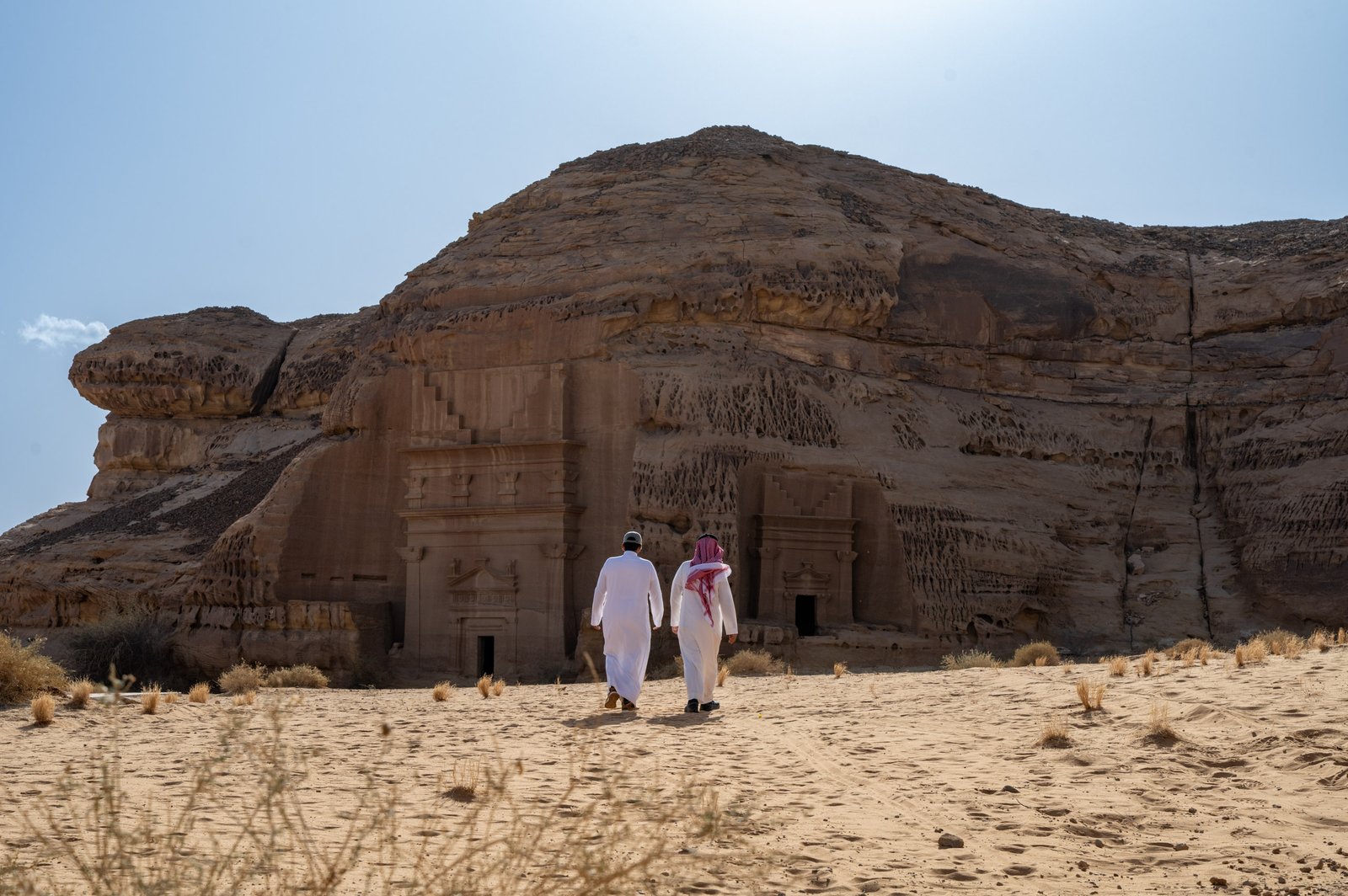
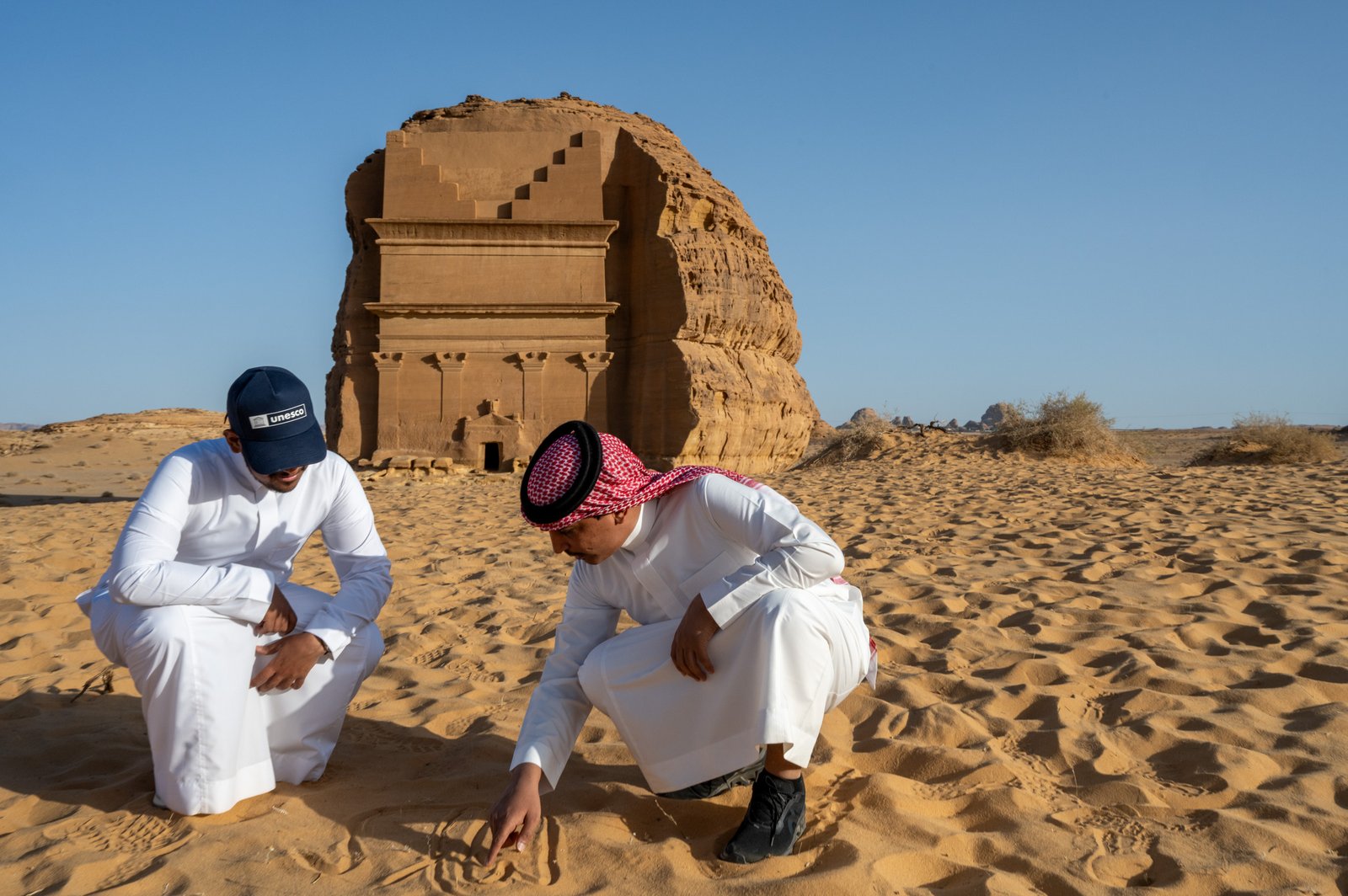
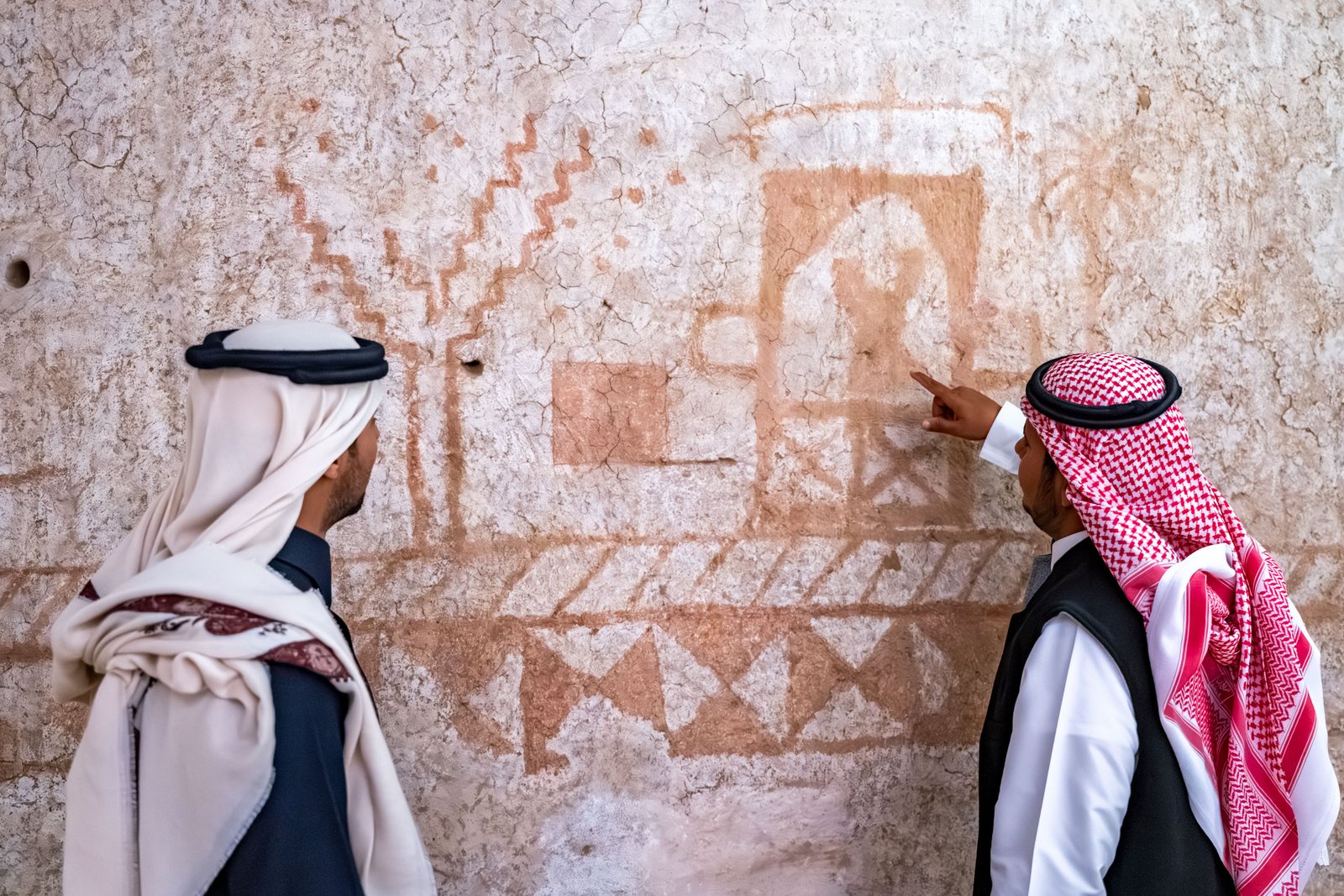
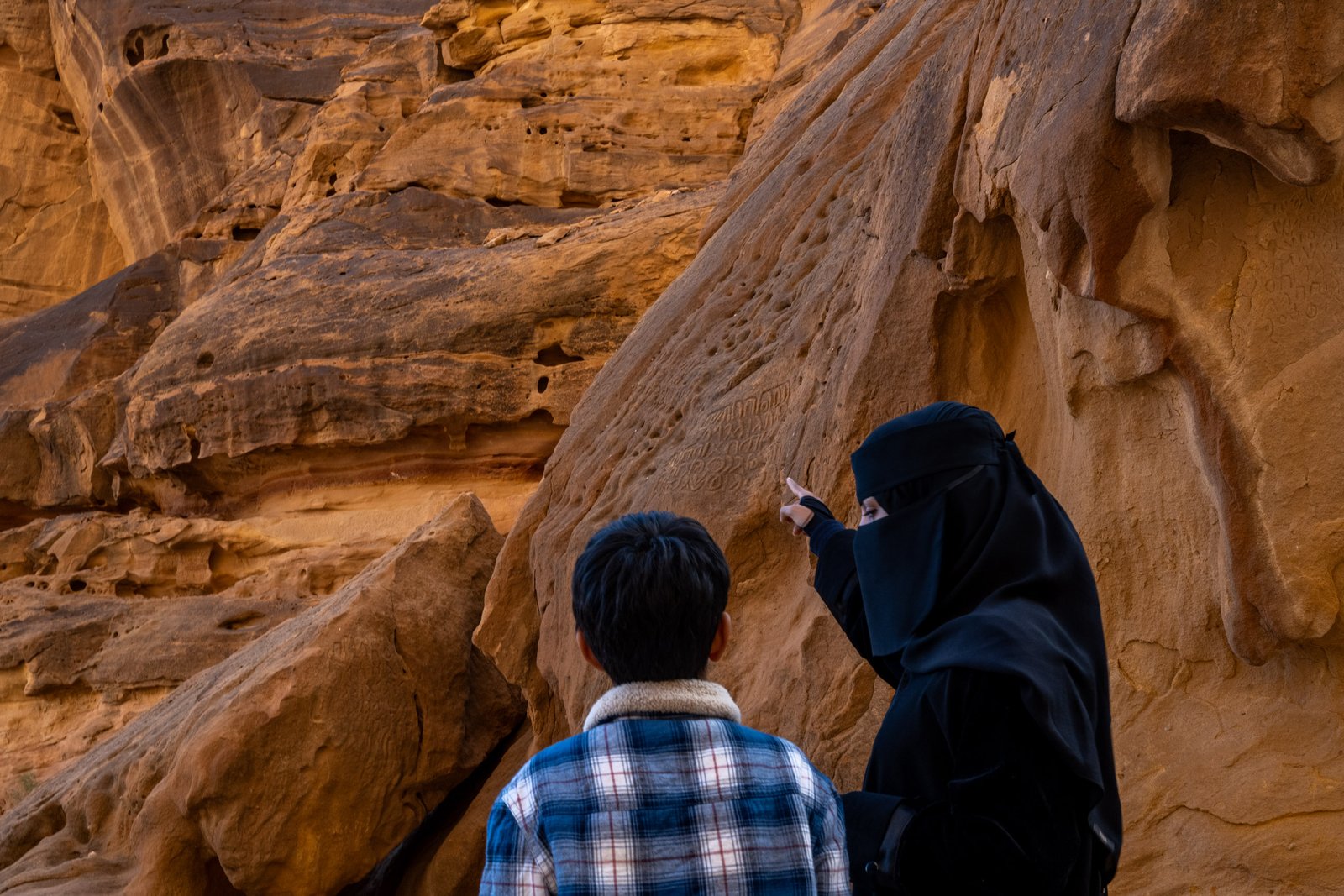
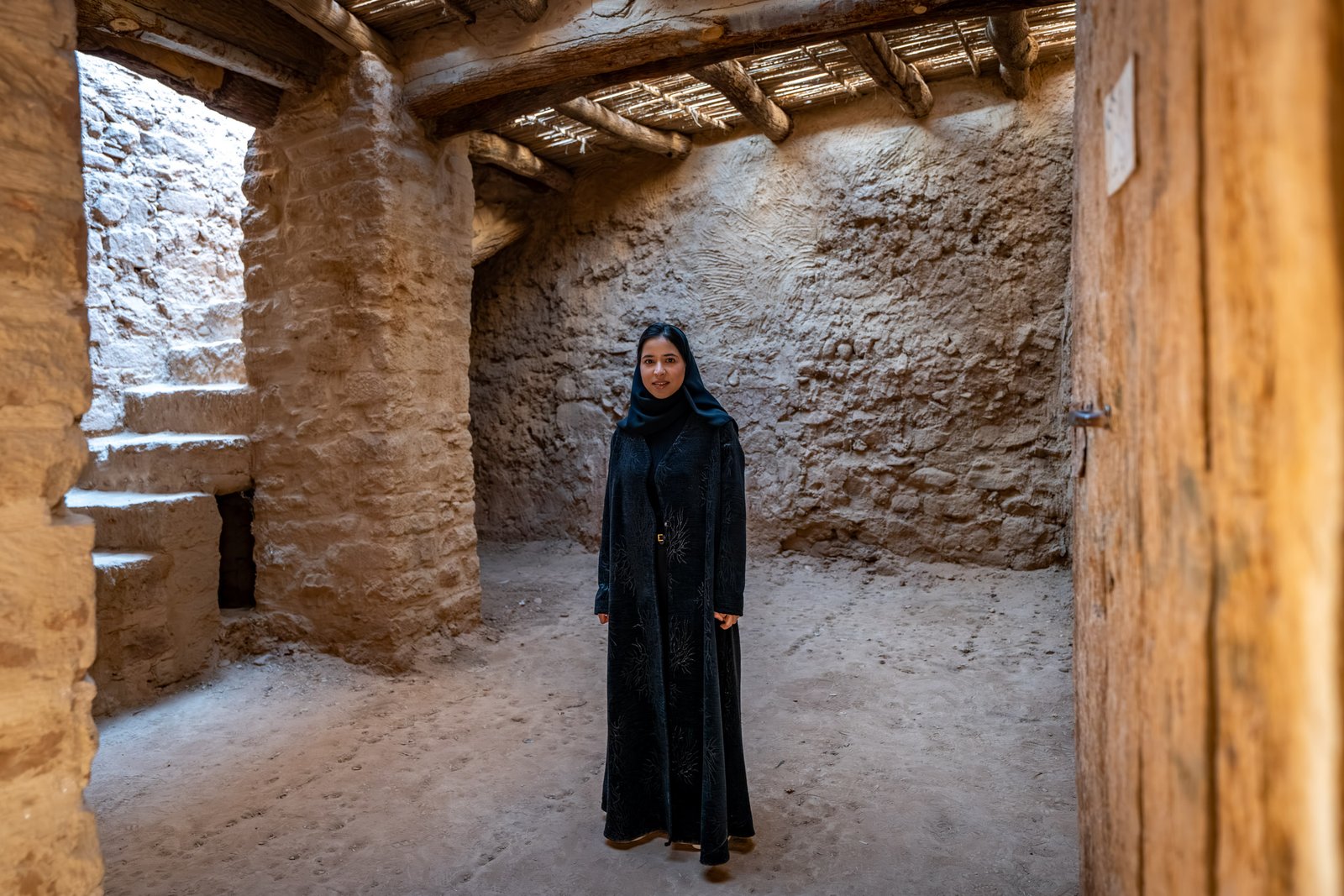
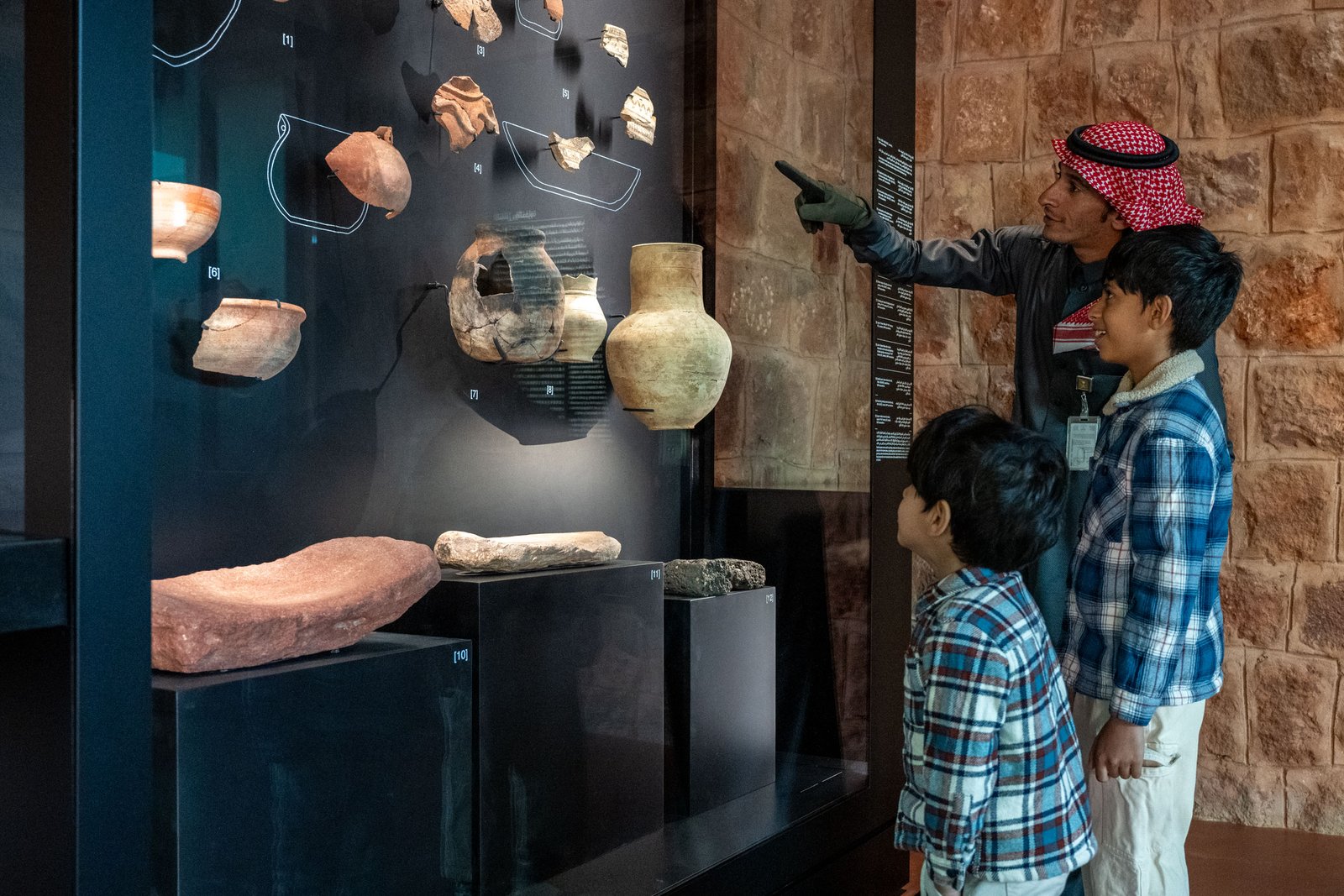
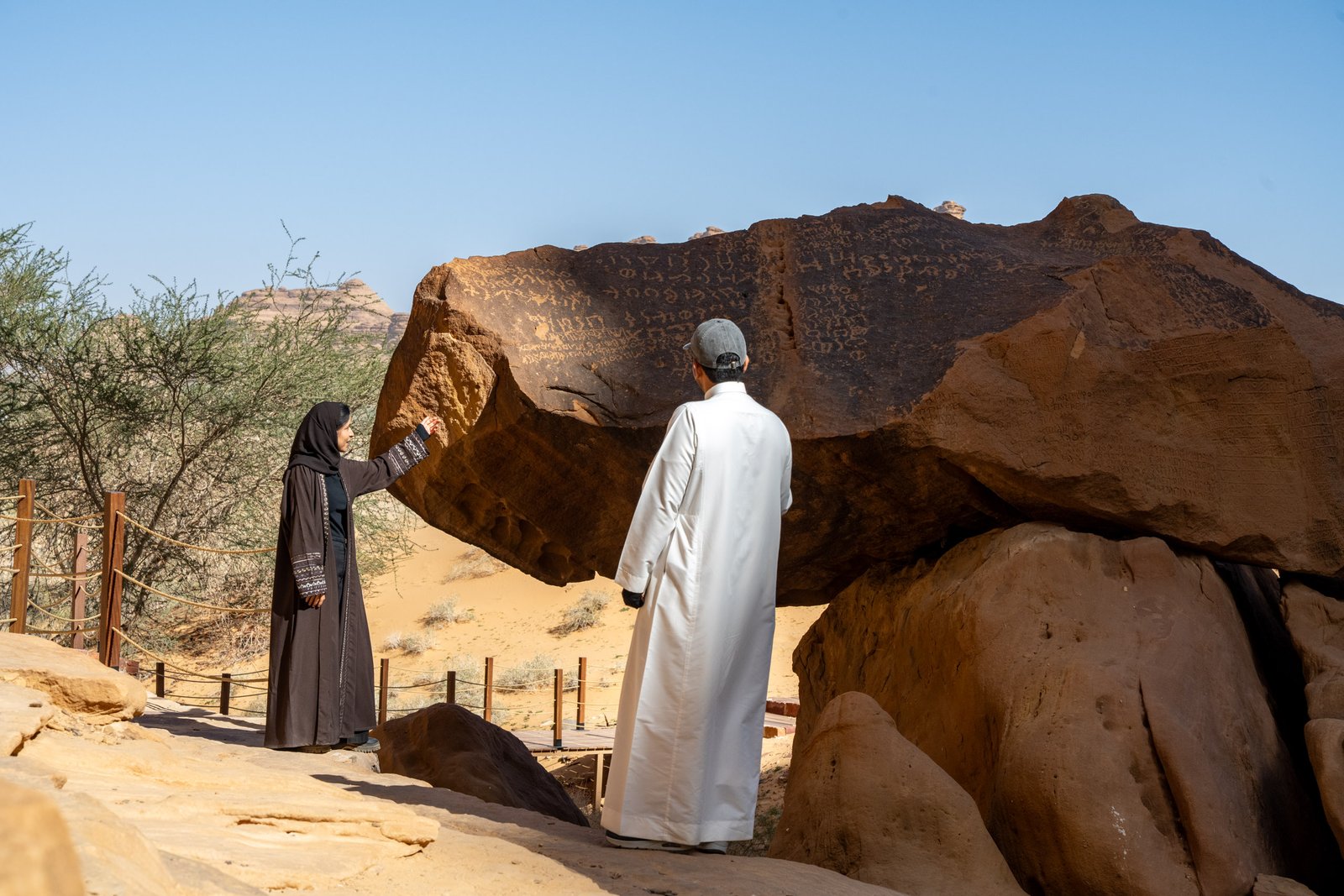
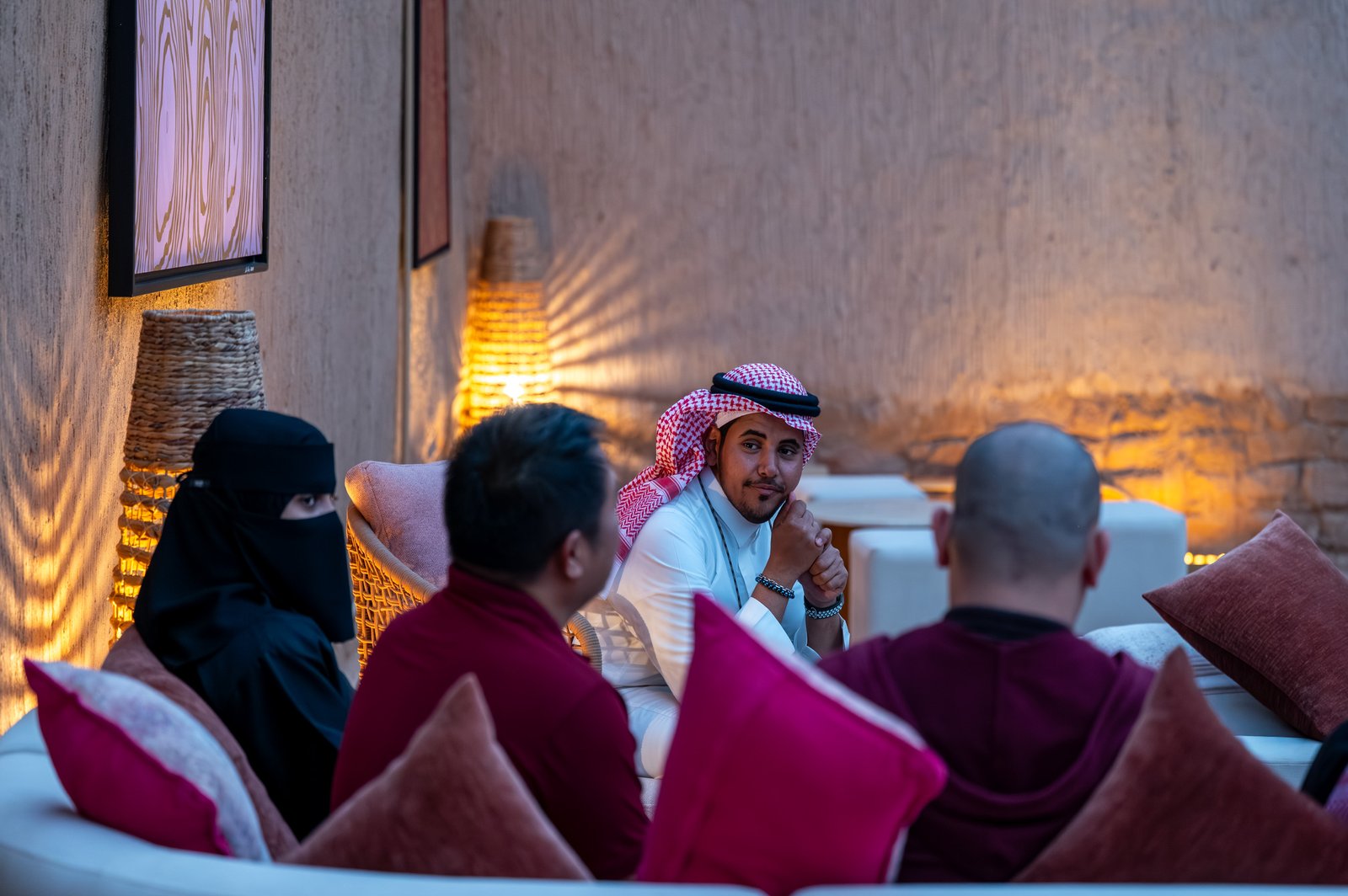
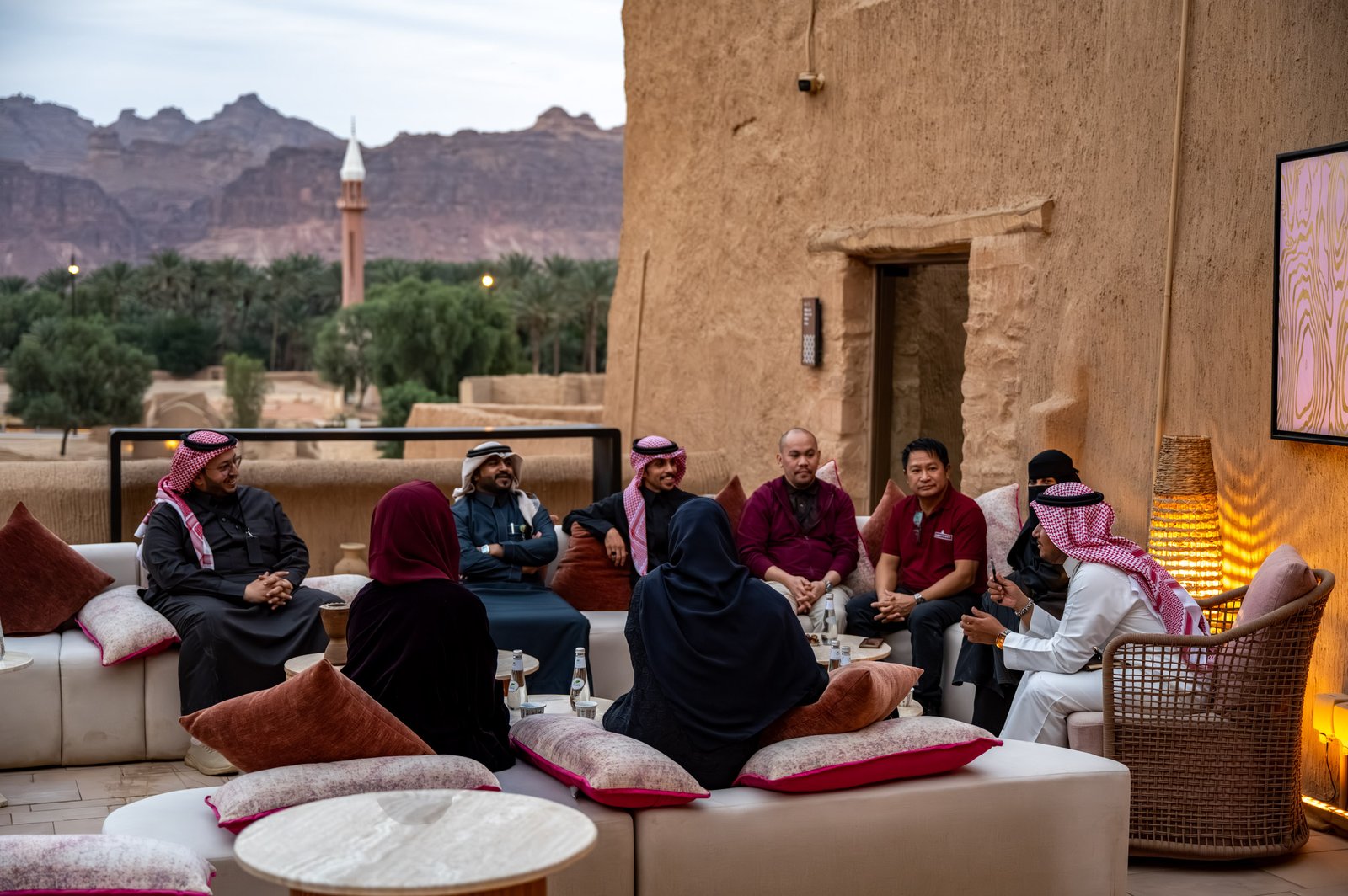
Photographing UNESCO’s “I Am a Rawi” project in AlUla was an inspiring and deeply rewarding experience. The project celebrates the Rawis—storytellers who serve as guardians of oral tradition and keepers of AlUla’s collective memory. Through their voices, gestures, and narratives, the Rawis embody the living heritage of the region, passing down stories that connect generations and cultures.

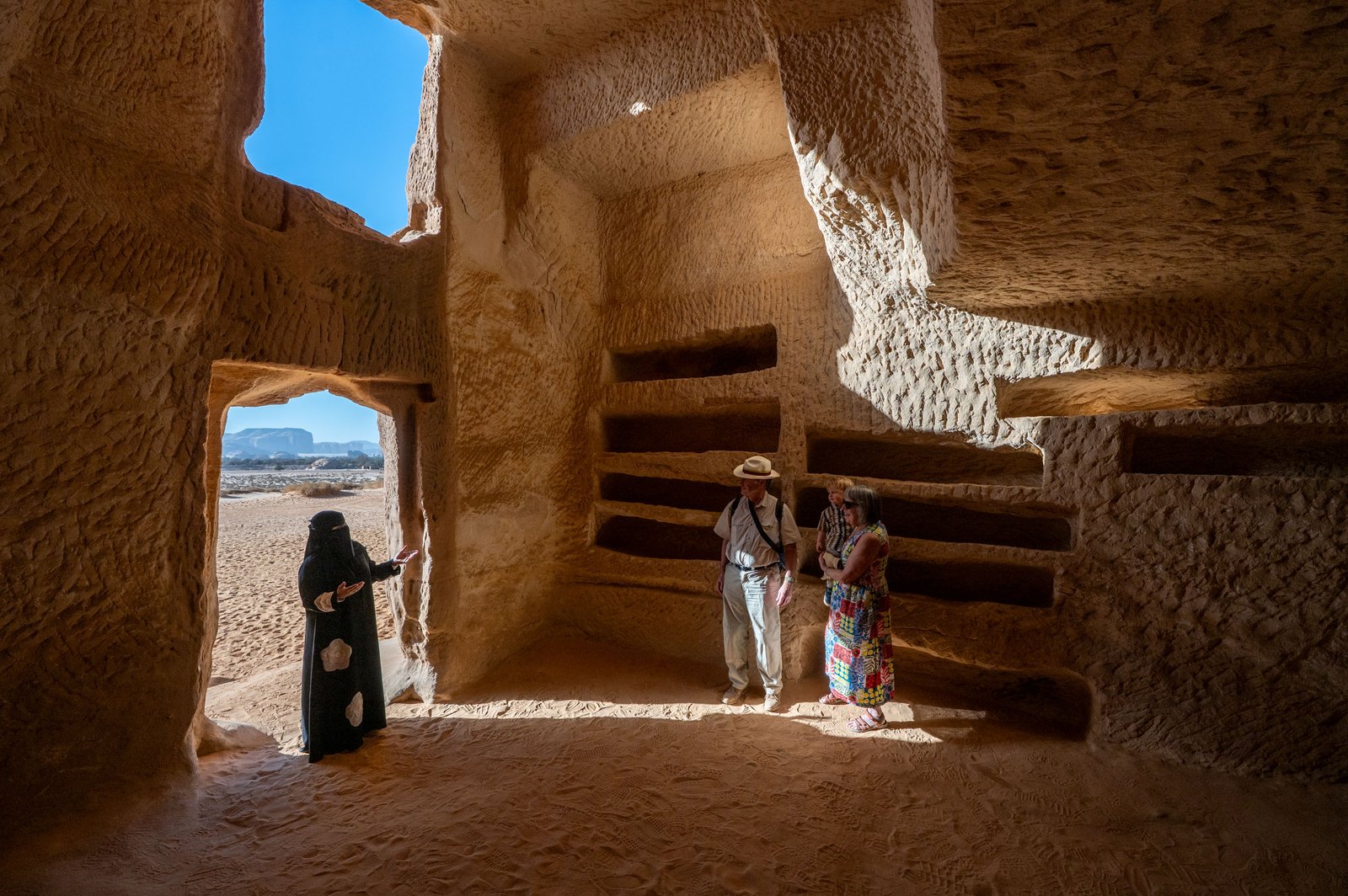
At the heart of the initiative lies the concept of the Live Museum, a model that transforms AlUla into an open-air cultural landscape where history, art, and community intertwine. Within this framework, the Qissa bi Qissa (“Story by Story”) program brings the Rawis’ storytelling to life, allowing visitors to experience AlUla’s heritage through personal encounters and shared narratives. Each story becomes a bridge between past and present, between local identity and global understanding.

The Rawis play a vital role in facilitating intercultural dialogue. Their storytelling invites visitors to engage with AlUla’s traditions not as distant observers but as participants in a living exchange. Through their words, visitors gain insight into the values, customs, and experiences that have shaped this ancient oasis, fostering empathy and mutual respect between cultures.

Capturing the Rawis through photography was more than documenting a project—it was witnessing the living pulse of AlUla’s heritage. Each portrait, each moment of storytelling, reflected the profound beauty of cultural continuity and the universal language of stories that bind people together across time and place.

For anyone near Paris, my photography is featured in an outdoor exhibition bringing AlUla’s living heritage to UNESCO Headquarters from 15 June to 31 August 2026

Read More
This website uses cookies to improve your experience. Cookie Policy